Menu

A crucial enzyme finally revealed

© L. Peris /GIN

After 40 years of research, researchers at the CEA, the CNRS, the University of Grenoble-Alps, the University of Montpellier and the Inserm have finally identified the enzyme responsible for the tubulin cycle. Surprisingly, it is not one enzyme but two which control the cycle of this essential component of the cytoskeletal structure. This work opens up new prospects for the improved understanding of the role of tubulin, changes in the cycle of which are associated with cancers, cardiac diseases and neural disorders. These results were published on 16th November 2017 in the review Science.

A collaborative international project involving researchers from the CEA (French Atomic Energy Commission), the CNRS (National Centre for Scientific Research), the Inserm (French National Institute of Health and Medical Research), the University of Grenoble-Alps, the University of Montpellier and the University of Stanford[1] has identified an enzyme, Tubulin CarboxyPeptidase (TCP), which is responsible for the biochemical transformation of cellular microtubules, or detyrosination. Detyrosination is a biological reaction for the removal of the terminal amino acid tyrosine[2] from tubulin α, a constituent of microtubules. After four decades of research, biologists have succeeded in isolating this protein by purification, and have gone on to provide evidence of its cellular activity.

Microtubules contribute to essential cellular functions

Microtubules are dynamic fibres which are present in all cells. Formed by the combination of two proteins (tubulin α et tubulin β), microtubules assume numerous functions. They separate the chromosomes which are to be contained in the two daughter cells resulting from cell division, they contribute to the polarity of cells, morphology and cellular migration. They form “rails” upon which cellular constituents, such as proteins or RNA strands, are transported.

These cellular functions are regulated by the existence of “signals” which are present on the surface of microtubules. These signals are biochemical modifications to amino acids (described as post-translational modifications, as they take place after protein synthesis), executed by various enzymes which, in this case, modify the tubulins.

 The enzyme TCP, identified after 40 years of mystery

The activity of one of these enzymes was identified for the first time in 1977 by Argentine researchers, who named it “TCP” (Tubulin CarboxyPeptidase). The function of this enzyme, which had never been identified previously (its size and sequence were unknown) is the removal of the terminal amino acid, a tyrosine, from the end of tubulin α. This is the detyrosination reaction. A reverse enzyme, ligase TTL, is responsible for resetting this tyrosine in its place. This is tyrosination. This detyrosination/tyrosination cycle is vital for the cell and the organism. Massive (abnormal) detyrosination is observed in a number of severe cancers and cardiac diseases.

The identification and characteristic definition of TCP was therefore a major objective for understanding the physiological function of the detyrosination of tubulin α and evaluating the consequences of its inhibition.

In order to isolate TCP, researchers have monitored its activity, employing conventional biochemical techniques, and have involved chemists from the University of Stanford, who have developed a small inhibitor molecule for its activity. This molecule has been used as bait to “reel in” the desired enzyme.
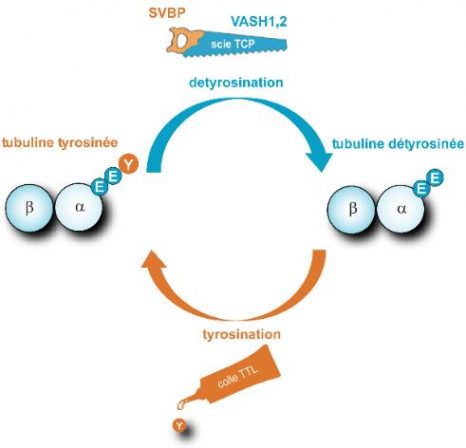
Tubulin detyrosination/tyrosination cycle

Microtubules are fibres which are present in all cells, comprised of a stack of α/β tubulins. Tubulin carries a tyrosine (Y) at its end, which is alternately removed and replaced by two enzymes, thereby modifying the surface of microtubules. TCP (which is represented by a saw comprised of two elements, VASH/SVBP) is responsible for detyrosination. TTL (represented by a tube of glue) resets tyrosine on the tubulin. This cycle is essential to the various functions of microtubules in cells (division, migration, etc.) and is vital for the organism. © C. Bosc, GIN


SVBPSVBP
VASH1,2VASH1,2
scie TCPTCP saw
detyrosinationdetyrosination
tubuline tyrosinéetyrosinated tubulin
tubuline détyrosinéedetyrosinated tubulin
tyrosinationtyrosination
colle TTLTTL glue


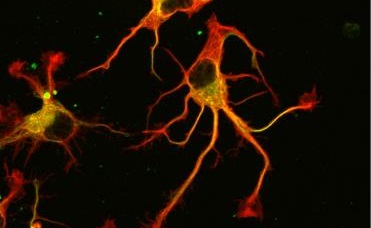
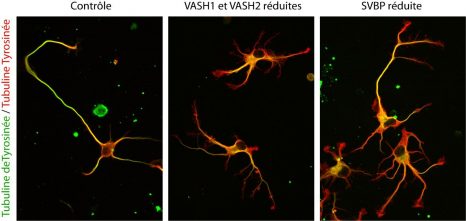
Ultimately, not one, but two enzymes have been discovered. The latter, named VASH1 and VASH2, were already known to scientists, but it was not known that these were enzymes associated with the cytoskeleton. Researchers have demonstrated that, provided they are associated with a partner protein called SVBP, VASH1 and VASH2 are capable of the detyrosination of tubulin α. To demonstrate this, researchers have inhibited the expression of the former (or that of their partner SVBP) in neurons. They then observed a very strong decline in the rate of detyrosination of tubulin α, together with anomalies in the morphology of neurons (see Figure). Researchers went further, demonstrating that these enzymes are also involved in the development of the cerebral cortex.

Prospects for the fight against cancer

Thus, forty years after the conduct of the first work on the detyrosination of tubulin α, the enzymes responsible have been revealed. Scientists are now hoping that, by modulating the effectiveness of TCP and improving their knowledge of the detyrosination/tyrosination cycle, they can advance the fight against certain cancers, and achieve progress in the understanding of cerebral and cardiac functions.
ContrôleControl
VASH1 et VASH2 réduitesVASH1 and VASH2 reduced
SVBP réduiteSVBP reduced
Tubuline deTyrosinée / Tubuline TyrosinéeDetyrosinated tubulin / Tyrosinated tubulin

Photographs of the alteration of neurons associated with a reduction in the expression of TCP enzymes (VASH/SVBP). From left to right: control neuron, neurons in which the expression of VASH1 and VASH2 is reduced, neurons in which the expression of SVBP is reduced. Neurons with a reduced enzyme show a delay in development, together with morphological anomalies.

[1] The following institutes are involved: Grenoble Institute of Neurosciences, GIN (Inserm/Univ. Grenoble-Alps); Institute of Biosciences and Biotechnologies of Grenoble, BIG (Inserm/CEA/Univ. Grenoble-Alps); Institute of Advanced Biosciences, IAB (Inserm/CNRS/Univ. Grenoble-Alps), Department of Pathology, Stanford University School of Medicine (Stanford, USA), Institute of Human Genetics, IGH (CNRS/Univ. of Montpellier), Montpellier Centre of Cell Biology Research, CRBM (CNRS/Univ. of Montpellier).

[2] Tyrosine is one of the 22 constituent amino acids in proteins.

Antibiotics affect the efficacy of immunotherapy


A study published in the journal Science by a research team from Gustave Roussy, INSERM, INRA, AP-HP, IHU Médiaterranée Infections* and Paris-Sud University shows that prescribed antibiotics impair the efficacy of immunotherapy in cancer patients. It is important to consider that more than 20% of patients living with cancer receive antibiotics. The authors explored patients’ gut microbiota composition by metagenomic analysis and demonstrated that the bacterium Akkermansia muciniphila was associated with a better clinical response to anti-PD-1 antibody immunotherapy. Moreover, oral administration of this bacterium to mice with an unfavorable microbiota restored the anti-tumor activity of the immunotherapy.

This paper will be published online by the journal Science on Thursday, 2 November 2017.

Immunotherapy represents a real revolution in cancer therapies and has been shown to be superior to standard chemotherapy in advanced melanoma, lung, renal and bladder cancer. Although a large proportion of patients still do not benefit from this treatment, “Our research partially explains why some patients do not respond. Taking antibiotics has a deleterious impact on survival in patients receiving immunotherapy. Furthermore, the composition of the intestinal microbiota is a new predictive factor for success,” summarized Dr. Bertrand Routy, hematologist and member of the team of Professor Laurence Zitvogel, director of the “Immunology of tumors and immunotherapy” laboratory (Inserm/Paris-Sud University/Gustave Roussy).

In a cohort of 249 patients treated with anti-PD-1/PD-L1 based immunotherapy for advanced lung, kidney or bladder cancer, 28% received antibiotics for minor infections (dental, urinary or lung infections) but their general health status was not different from patients not receiving antibiotics.

The study’s findings revealed that taking antibiotics two months before and up to one month after the first treatment had a negative effect on progression-free survival and/or overall survival for these three types of cancer.   

Favorable microbiota determined by metagenomics

The precise composition of the gut microbiota was established by metagenomics both before and during immunotherapy in 153 patients with advanced lung or kidney cancer. The  identification of all the bacterial genes present in the gut microbiota was performed by INRA (MetaGenoPolis, Dr. Emmanuelle Le Chatelier). A favorable microbiota composition, rich in Akkermansia muciniphila, was found in patients with the best clinical response to immunotherapy and in those whose disease had not progressed for at least 3 months.

Improving unfavorable microbiota

To demonstrate a direct cause and effect relationship between the composition of gut microbiota and the efficacy of immunotherapy, favorable microbiota (taken from patients who had a good response to PD-1 immunotherapy) and unfavorable microbiota (from patients with therapeutic failure) were transferred to mice deprived of gut microbiota. The mice receiving the favorable microbiota did better when treated with immunotherapy than those who received the unfavorable microbiota. In the latter group, oral administration of Akkermansia muciniphila resulted in the restoration of the efficacy of anti-PD-1 immunotherapy. Changing the microbiota in the mouse re-established the effectiveness of immunotherapy by activating certain immune cells.

Results simultaneously reported in the same edition of the journal by an american team (Dr. Jennifer Wargo, MD Anderson, Texas) support these findings showing that the composition of microbiota in melanoma patients predicts the response to anti-PD-1 immunotherapy.

This research is being carried out within the framework of the Torino-Lumière project (a 9 M€ “investissement d’avenir” [investment for the future] program). The objective of this unique study is to develop microbiome-based biomarkers that predict the response to immunotherapy in patients with lung cancer. This prospective multicenter study initiated in 2016 aims at determining unfavorable bacterial signatures to compensate patients with a combination of bacteria endowed with immunotherapeutic properties.

About immunotherapy

Immunotherapy has changed the way we treat various cancers. These novel immunotherapies include monoclonal antibodies (anti-CTLA4 or anti-PD1), transferring activated T-lymphocytes and bispecific agents, all boosting patient’s immune system.  They not only reduce tumor size but also, and for the first time, significantly increase patient overall survival, eventually curing metastatic or locally advanced cancers in melanoma.

About gut microbiota

Gut microbiota (previously known as intestinal flora) represents a complex ecosystem consisting of 100,000 billion bacteria, viruses, archaea, parasites and yeasts. They colonize the bowel from birth and participate in the maturation of immune defense mechanisms. Individuals have their own specific microbiota. Its composition is a product of genetic, nutritional and environmental factors.


* Gustave Roussy = Leading comprehensive cancer center in Europe

INSERM = National Institute for Health and Medical Research

INRA = National Institute for Agronomic Research

AP-HP = Paris Public Hospitals

The Yin and Yang of Low-dose Irradiation on Hematopoiesis

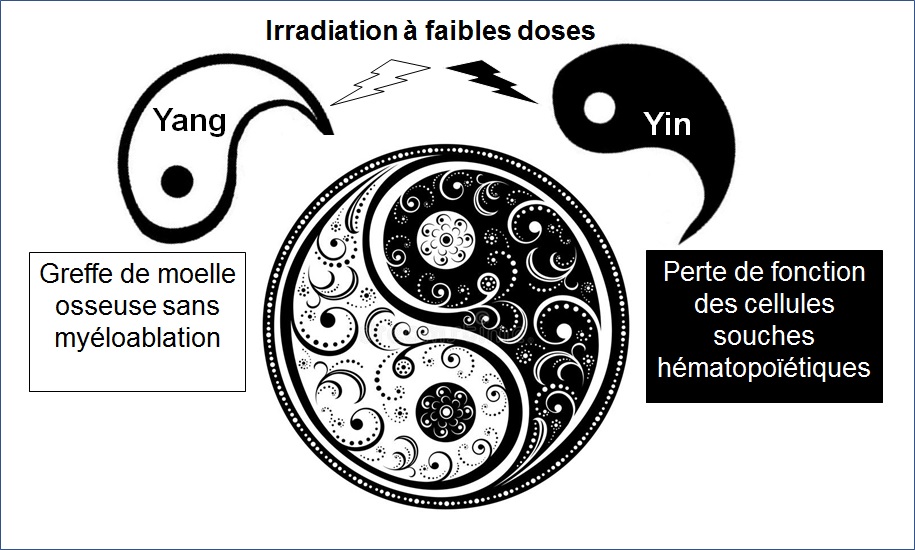
A team of researchers from CEA, Inserm, and the Paris-Sud and Paris Diderot universities has shown that exposure to low doses of irradiation (0.02 Gy) leads of a loss of hematopoietic stem cell[1] (HSC) function. The team has also shown that irradiation at this low dose facilitates efficient bone marrow transplantation without myeloablation[2]. These results, published in Cell Reports on September 26, 2017, show both the positive and negative aspects of low doses of irradiation.

What are the consequences of exposure to low doses of ionizing radiation, for example during medical examinations using X-rays? Previous epidemiological studies associated exposure to low doses of irradiation (<0.1 Gy) with an increased frequency of hematologic disease onset. However, no biological link between exposure to low doses of irradiation and hematopoietic cell abnormalities had been shown. The results obtained by the researchers from CEA, Inserm, and the Paris-Sud and Paris Diderot universities show that low-dose irradiation of HSCs, cells at the origin of all blood cells, leads to a decrease in HSC number and function. These effects on the stem cells can also be observed in vivo in inflammation and may lead to a deficiency in blood cell production and the risk of aplastic anemia[3] or leukemic transformation.

This team has used this property to test a new protocol to facilitate efficient bone marrow transplantation without the need for myeloablation. Indeed, the protocol, currently used during autologous bone marrow transplantation[4] involves the use of drug treatment to destroy the patient’s bone marrow prior to the transplant (myeloablation), a procedure which is unfortunately associated with a number of side effects. On the basis of their observations, the researchers have shown that a very low dose of irradiation, a dose used in medical imaging, preceded by a treatment that is currently used in the clinical setting and which removes the HSCs from the bone marrow, would facilitate efficient bone marrow transplantation without myeloablation.


These results point to the need for careful management when performing medical imaging, particularly in patients presenting signs of inflammation. It could also provide major therapeutic benefit to patients who are candidates for autologous bone marrow transplantation, particularly when a gene therapy protocol is used.


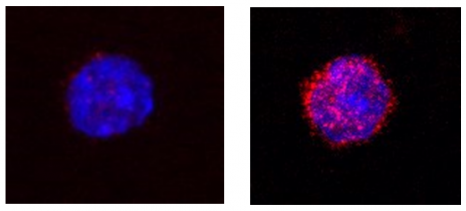
Hematopoietic stem cells (HSCs), non-irradiated (left) and irradiated (right) at a dose of 0.02 Gy. In blue the nucleus and in red the activated and nuclear Nrf2 protein, indicator of HSC response to oxidative stress caused by irradiation at a dose of 0.02 Gy.


Irradiation à faibles dosesLow-dose irradiation
YangYang
YinYin
Greffe de moelle osseusse sans myéloablationBone marrow transplant without myeloablation
Perte de fonction des cellules souches hématopoiétiquesLoss of hematopoietic stem cell function

[1] Bone marrow stem cells that produce blood cells: red cells, white cells and platelets.

[2] Drug treatment to destroy the patient’s own bone marrow prior to transplant.

[3] Insufficiency of the bone marrow to produce the various blood cell lines caused by more or less lasting HSC rarefaction.

[4] In gene therapy, autologous transplant consists of taking a patient’s HSCs and reconstituting his hematopoiesis with his own, genetically modified stem cells.

Two blood tests for predicting the efficacy of a lung cancer treatment

Cancer prevention screening check-up disease ill illness healthy health nurse doctor

Fotolia

ALK gene rearrangement is observed in 4% of non-small-cell lung cancer (NSCLC) patients. Researchers from Gustave Roussy, Inserm and Université Paris-Sud, have shown that two blood samples can now predict the efficacy of treatment (crizotinib). These blood samples (taken before treatment initiation and 2 months afterwards) are able to measure the changes in the number of circulating tumor cells[1] (CTC) with a specific genetic abnormality (abnormal number of ALK gene copies). A reduction in this cell count is predictive of longer relapse-free survival in these patients. This research was published in the Cancer Research journal on May 1st. It illustrates the potential of CTC as a liquid biopsy.

“The extent and duration of the response to crizotinib is impossible to predict, and the onset of resistance varies considerably between patients, from a few months to several years. There is currently no way to distinguish between patients who will show a sustainable response and those who will display early resistance. Identifying a biomarker is a major challenge for them as other treatments targeting crizotinib resistance have been developed,” explains Françoise Farace, Rare Circulating Cell Platform Director at Gustave Roussy.

Available since 2011, crizotinib is the standard treatment for ALK-rearranged NSCLC patients. These patients are generally young and non-smokers.

All 39 patients included in this study gave a blood sample before starting crizotinib. A second blood sample was taken two months later from 29 patients (the blood samples from 10 patients followed up at other sites could not be analyzed). Researchers isolated CTC from the two blood samples, and used them to analyze ALK gene rearrangement, together with the presence of an abnormal number of gene copies.

Progression-free survival is significantly longer for those patients showing a decrease in the number of CTC with an abnormal number of ALK gene copies in the first two months of treatment. Median progression-free survival associated with the disease was 14 months for these 13 patients, and 6 months for the 16 patients in whom this cell count increased or remained stable.

“These results should be confirmed by other studies in order to be applied to routine clinical practice. In this case, two blood samples will be sufficient to predict the efficacy of crizotinib in these patients. This cannot be achieved either by tumor biopsy, an invasive procedure which is not always possible to perform particularly during treatment, or by circulating DNA, or a single analysis of CTC prior to treatment,” concludes Françoise Farace.

[1] Circulating tumor cells or CTC, found in small quantities in blood, may be isolated from other blood components and analyzed. Their analysis is more complex than circulating DNA sequencing, but provides more comprehensive information.

The composition of gut microbiota can predict the efficacy and tolerance of immunotherapy in people with cancer

microbiote

© Fotolia

Teams from AP-HP, INRA, Gustave Roussy and Inserm can demonstrate the role of microbiota in the response of immunotherapy for cancer. They show that in man, the composition of gut microbiota can help to identify the patients who will respond favourably or not to treatment for melanoma, with Ipilimumab. This clinical study, carried out in 26 patients, suggests that a modification of the composition of gut microbiota could improve the efficacy of treatment.

These results are published in the journal Annals of Oncology and constitute a new step towards personalised treatment of cancers.

Gut microbiota is composed of more than 100,000 billion bacteria and plays a key role in the development of the immune system. It represents a burgeoning research subject. French research teams are rallying to discover its function in illnesses in order to improve the efficacy of treatments.

 In this study carried out in humans, Prof. Franck Carbonnel, Head of the Gastroenterology Unit at the AP-HP Bicêtre Hospital, Dr Patricia Lepage from INRA, Prof. Caroline Robert and Prof. Nathalie Chaput from Gustave Roussy have studied the gut microbiota of 26 patients with metastatic melanoma being treated with Ipilimumab monoclonal antibodies.


Ipilimumab is an antibody immunotherapy targeting CTLA-4 that activates the patient’s immune system to fight the disease. Treatment is effective in some patients, at the price of serious side effects such as enterocolitis which is similar to Crohn’s disease.

 The teams have shown that the composition of gut microbiota can help to tell in advance the patients for whom treatment will be beneficial or not and those who will go on to develop enterocolitis. The patients with an intestinal flora enriched by Faecalibacterium and other Firmicutes (in particular Faecalibacterium prausnitzii, Gemmiger formicilis and other bacteria producing butyrate; profile A) have a better response to treatment than patients whose microbiota is rich in Bacteroides bacteria (profile B). Furthermore, profile A patients are more prone to enterocolitis than profile B patients.

These results confirm the role of microbiota in the response to cancer immunotherapies. They open the way to better identification of patients who could benefit from these treatments. Finally, they constitute a major step towards the manipulation of the composition of intestinal flora in order to improve the efficacy of immunotherapy. Research still needs to be carried out in order to limit the side effects brought on by the treatment.

High-throughput genomic analyses enhance cancer prognosis !

Cellules cancer. Source : fotolia

© Fotolia

In a study published on 1 April 2017 in the prestigious journal Cancer Discovery, research teams at Gustave Roussy, Inserm and Paris-Sud University demonstrate that analysing the molecular portrait of a malignant tumour makes it possible to identify the appropriate therapy and improve the prognosis of patients with cancer. MOSCATO, the biggest precision medicine study conducted to date, proves it for the first time.

The American Association for Cancer Research (AACR) has also announced the results of this work, carried out by French researchers.

Precision medicine is a different approach to cancer care. The tumour is no longer characterised solely by the organ of origin and stage of development, but also by the nature of the molecular alterations found in its DNA or RNA. Once the molecular portrait has been drawn and the alterations identified, so-called actionable mutations guide the choice of treatment towards the appropriate targeted therapy. Until now, no clinical study had shown any benefit for patients.

Sponsored by Gustave Roussy and supported by the French National Cancer Institute (INCa) under the Integrated Cancer Research Site (SIRIC) programme, and by Inserm and the French Directorate General of Care Provision (DGOS), MOSCATO demonstrates the efficacy of precision medicine for patients for the first time. “The results from MOSCATO are beyond any doubt, and support the use of genomic analyses for optimising cancer treatments,” observes Prof. Jean-Charles Soria, Head of the Drug Development Department (DITEP) at Gustave Roussy/Inserm U981/Paris-Sud University, “Identification of Molecular Predictors and New Targets for Cancer Treatment.” He adds, “In this study, we created cancer gene maps for 843 patients, which meant analysing thousands of genes. In about half of the patients, we found mutations against which it is possible to act. Ultimately, approximately a quarter of the patients were able to receive a targeted therapy, and in 33% of these patients, the targeted therapy slowed the disease.”

To measure the clinical benefit of the targeted therapy, the patient acted as his/her own control.

Progression-free disease survival of patients receiving standard treatment for their disease was determined first. When the disease was progressing, and the patients were given a targeted therapy, the new progression-free disease survival was measured. A clinical benefit was recorded when progression-free survival from the disease was at least 1.3 times longer on targeted therapy than on standard treatment. It must be noted that with time and successive treatments, progression-free survival becomes shorter unless a more effective treatment than those given earlier is administered.

This MOSCATO study (for MOlecular Screening for CAncer Treatment Optimization) was conducted at Gustave Roussy between November 2011 and March 2016. The 1,035 patients enrolled had different types of cancer, and their disease continued to progress despite treatment. Molecular analyses were performed on tumour biopsies at Gustave Roussy’s INCa-designated hospital molecular genetics platform. Results of analyses were discussed by a multidisciplinary committee made up of clinical oncologists, biologists and bioinformatics specialists, in order to decide on treatment. Patients with actionable alterations who could benefit from targeted therapies that already had marketing authorisation were excluded from the study. Most of the targeted therapies that could be offered to patients under MOSCATO had been evaluated in phase I trials (over 60 phase I ongoing clinical trials at Gustave Roussy, mainly at the DITEP).

“Now that we have demonstrated a clinical benefit, we are seeking to quantify it in terms of months of life gained in another study called SAFIR 02, sponsored by UNICANCER. We also want to increase the number of patients who might benefit from precision medicine. This is the objective of MOSCATO 02, in which we will evaluate molecular portraits based on a blood sample and circulating DNA, and also try to find out more about resistance,” concludes Prof. Soria. 

Breast cancer: identification of a molecular switch that controls cancer stem cells

Cancer sein Fournier

© fotolia

Some cancer cells are resistant to treatment and persist. If they are capable of proliferating again, even a very small number of these cells may be enough to reconstitute a tumour after or despite treatment. Various approaches to eliminate these “cancer stem cells” (CSCs) have been tried in recent years: targeted therapies, vaccination and tumour starvation. In an article published in the journal Cell Reports, Christophe Ginestier, Inserm Research Fellow at the Cancer Research Center of Marseille (CRCM, Aix-Marseille University/CNRS/Institut Paoli-Calmettes), and his collaborators identify a specific RNA[1] molecule that plays the role of a molecular switch that can “turn off” or “turn on” CSC proliferation in breast cancers.

Scientific data accumulated in the course of recent years have shown that tumours contain a particular population of cells with different properties. Indeed, a small number of the cells constituting a tumour have the ability, when isolated and then injected into animal models, to form a tumour identical to the original one. These cells, known as cancer stem cells (CSCs), can proliferate (and thereby renew themselves), differentiate (and thereby give rise to the different populations that make up the tumour), or even become temporarily dormant, which allows them to escape most treatments, since these mainly target dividing cells.

If the tumour is to be eliminated in such a way that it cannot grow again, the CSCs must be neutralised. The development of any new therapeutic strategy requires a better understanding of the intrinsic molecular mechanisms of CSCs. MicroRNAs have been described as regulators that can direct the “cellular destiny” of stem cells, particularly during embryogenesis. They might play a major role in CSC biology. MicroRNAs are small RNA molecules that, unlike messenger RNAs, do not act as intermediates in protein production based on information encoded by genes, but regulate the activity of other RNAs or of proteins.

Christophe Ginestier, Emmanuelle Charafe-Jauffret and their co-authors screened the full complement of microRNAs present in the genome in order to identify microRNAs capable of directing the choice for a CSC between self-renewal and differentiation. They thus observed that inactivation of one particular microRNA, known as miR-600, causes an increase in CSCs, while its overexpression reduces tumourigenicity.

They then showed that miR-600 works by acting on an enzyme needed to activate a protein (WNT) known to activate a signalling cascade involved in embryogenesis. When they inactivate miR-600, the researchers observe the expansion of CSCs. Conversely, when miR-600 production is increased, differentiation of CSCs is promoted at the expense of their proliferation: tumour progression is stopped.

This mechanism, demonstrated experimentally, clearly seems to play a role in the development of breast cancers, since the researchers were also able to show, by analysing a panel of 120 human breast tumours, that a low level of miR-600 is found to be associated with a strong activation of the WNT protein and a poor prognosis for patients whose tumours show these characteristics.

“If miR-600 is a switch for tumour aggressiveness, it may therefore constitute an excellent therapeutic target,” conclude the researchers. “Our data also tend to prove that resistance to treatment and relapse after treatment could be due to the fact that the therapies employed are not targeting the right cancer cells.”

[1] RNA: ribonucleic acid, a biological molecule present in nearly every living being. Often providing intermediate support to genes during protein synthesis, RNA can also be involved in many chemical reactions within the cell.

New immunotherapy-based approach for post-transplant leukaemia relapse

An Inserm team from the Mondor Institute for Biomedical Research (IMRB) has just identified a key switch in the immune response, and proposes a new immunotherapy-based approach for combating leukaemia. And maybe other cancers in time. This work is published in the journal Blood.


Towards a new immunotherapy for cancer? That may well emerge from the work carried out at Inserm Unit 955, “Mondor Institute for Biomedical Research” (IMRB) by a team led by Prof. José Cohen, Coordinator of the Clinical Investigation Centre – Biotherapy at Henri Mondor Hospital AP-HP, results of which have just been published in Blood. Although it works on the treatment of leukaemias, this team has discovered a key to the regulation of the immune system that makes it possible to stimulate T lymphocyte action, and probably increase the elimination of malignant cells.

It was their work on graft versus host disease, a serious complication in leukaemia patients who receive blood cell transplants, that set them on the track. This complication is due to the recipient’s cells being attacked by overactive T cells present in the transplant. Moreover the researchers found that the presence in the transplant of T regulatory cells (T regs), a specific subpopulation of T lymphocytes, the role of which is to down-regulate the immune response, limited this phenomenon. In a mouse model, when they injected additional T regs during transplantation, they prevented the transplant from attacking the host. They therefore decided to go further, and find out how these T reg cells were controlled.


TNFR2, an immune response switch

To do this, they performed different experiments, and finally demonstrated the existence of a closed circuit between conventional T lymphocytes and T reg lymphocytes, involving a key receptor called TNFR2. When conventional T lymphocytes are active, they secrete tumour necrosis factor (TNF), which binds to the TNFR2 receptors present on the surface of T regs. This signal stimulates the latter, which then inhibit the conventional T lymphocyte response. Conversely, when the TNFR2 receptor is blocked, T regs become inactive and T lymphocytes are activated.

“This TNFR2 receptor acts on the immune response just like a real switch. When it is in the ‘on’ position, it inhibits it. When it is in the ‘off’ position, it stimulates it,” explains José Cohen, who supervised this work. Having made this discovery, the researchers now intend to block this TNFR2 receptor in an attempt to improve the immune response against cancer, which will have direct application in immunotherapies. “The role of immunotherapy is to target ‘check-points’ in the immune response in order lift inhibition and allow it to more effectively eliminate malignant cells. The treatments currently available are specific for a population of T lymphocytes known as effectors, while we propose a new target, the regulators. These treatments could therefore be complementary,” adds the researcher.


The team has already filed a patent to protect the exploitation of this receptor in the context of post-transplant leukaemia relapse. The idea is now to develop a human anti-TNFR2 antibody to test this therapeutic strategy in a so-called “humanised” mouse model. If the results are conclusive, clinical trials will be conducted. At the same time, this approach is being evaluated for other types of cancers, including solid tumours, by the team led by Dr Benoit Salomon (CIMI-Paris), a co-author of the study.

The gut microbiota to the rescue of chemotherapies

inserm_18659

© Inserm/U510

Two species of bacteria present in the gut boost the efficacy of cyclophosphamide-based chemotherapies by optimising the antitumour immunity induced by this drug. This is reported by researchers from Inserm, Gustave Roussy, CNRS, Institut Pasteur Lille, and the Universities of Paris Sud and of Lille in an article published on 4 October in the journal Immunity.


Recent studies have shown that certain gut microbes encourage tumours to grow, whereas others contribute to making cancer treatments more effective. It remained necessary to identify the nature and mode of action of the bacterial species capable of optimising the antitumour response induced by chemotherapy.

In this new study, Mathias Chamaillard[1], Laurence Zitvogel[2] and their collaborators showed that two gut bacteria, Enterococcus hirae and Barnesiella intestinihominis, together potentiate the therapeutic effects of cyclophosphamide, a chemotherapeutic agent used to treat many cancers.

How? Chemotherapy has secondary effects that include increased permeability of the intestinal barrier and, consequently, the entry of the bacteria constituting the microbiota into the bloodstream. To combat this abnormal entry of bacteria into the bloodstream, an immune response is initiated. Against all expectations, this response is beneficial for patients, since it can also lead to the destruction of the tumour cells. The tumour is therefore attacked directly by cyclophosphamide and indirectly by this “booster” effect of the bacteria.

Several preclinical models enabled the researchers to demonstrate that the antitumour immune response induced by cyclophosphamide is optimised after oral administration of E. hirae. Treatment by oral administration of B. intestinihominis enabled a similar effect to be obtained.

The researchers then analysed the immune profile of the blood lymphocytes from 38 patients with advanced stage cancer of the lung or ovary, and treated by chemoimmunotherapy. They discovered that the presence of T memory lymphocytes specific for E. hirae and B. intestinihominis makes it possible to predict the period for which a patient lives with a cancer without it getting worse, during and after a treatment.

“The efficacy of a cancer drug relies on a complex interaction between the patient’s microbiome and his/her ability to mount an effective immune response against certain bacteria of the gut microbiota,” explains one of the main authors of the study, Mathias Chamaillard, Inserm Research Director.

“These results allow us to consider increasing the efficacy of these treatments by optimising the use of antibiotics, but also by supplementing the numbers of certain bacteria, known as oncobiotics (or their active substances), which are able to enhance the effect of cancer drugs.”

The researchers have planned to identify, in future studies, the specific parts of the bacteria responsible for enhancing the effects of cyclophosphamide. “If we succeed in answering this question, we can perhaps find a way of improving the survival of the patients treated using this chemotherapy by giving them drugs derived from these bacteria,” concludes Mathias Chamaillard.

[1] Unit 1019, “Center for Infection and Immunity of Lille” (Inserm/CNRS/University of Lille/Institut Pasteur Lille)

[2] Unit 1015, “Immunology of Tumours and Immunotherapy” (Inserm/Gustave Roussy Institute/Paris-Sud University)

Towards an improved diagnosis of certain cancers

Asthme à l'étude

(c) Inserm/Latron, Patrice

Paris Descartes University, AP-HP, CNRS and Inserm have unveiled a royalty-free method that enables wide-scale use of circulating DNA in patients with lung and pancreatic cancer. This study is published in the journal Clinical Chemistry.


Detection of genetic alterations in tumour tissues helps to guide patient management for certain cancers, such as lung cancer. At present, these genetic studies are performed on tumour samples taken during biopsies and surgical procedures. Since tumour cells release very small quantities of their DNA into the plasma (circulating tumour DNA) a blood sample may be sufficient for the study of genetic alterations, allowing a “liquid biopsy” to be performed. The objective is not to replace the biopsy indispensable for diagnosing the cancer, but to identify the mutations and guide the prescription of cancer treatment by analysing the circulating tumour DNA. Finally, this analysis makes it possible to monitor the progression of the disease with time, and in some cases to avoid the need for further biopsies.

Before now, the molecular biology techniques needed to perform liquid biopsies were expensive, because their implementation was complex. Indeed, they require great sensitivity because they have to detect very small quantities of DNA, and great specificity to identify them as being of tumour origin. These techniques are developing at a rapid rate, and a team from Paris Descartes University UMR_S1147 has recently developed ultrasensitive techniques, based on droplet digital PCR, which study the most common genetic alterations and analyse epigenetic modifications.

Currently, this same team, working with physicians and biologists from Georges Pompidou European Hospital (HEGP) and Pitié Salpêtrière Hospital, of the Paris Public Hospitals (AP-HP), propose a method for detecting circulating tumour DNA based on next generation sequencing (NGS). It uses data from any type of NGS sequencer. It does not require the installation of expensive new machines, nor does it generate any additional costs compared with detection of mutations within tissues. It performs optimal processing of NGS data using a statistical method based on comparison of the patient plasma sample with samples from a cohort of control subjects.

Compared with digital PCR, this method obtains a comparable mutation rate, while being applicable to a greater number of genes and a greater number of patients.

This method could ultimately be used widely in the different molecular biology platforms that cover the whole territory, and facilitate the analysis of circulating tumour DNA as part of the care and follow-up of cancer patients. Additional clinical studies are needed in order to validate the ability of this new technique to guide the management of patients.


This study involved researchers from the laboratories “Personalized Medicine, Pharmacogenomics, Therapeutic Optimization” (UMR-S1147, Paris Descartes University/Inserm, CNRS SNC 5014), and “Mother and Child Facing Tropical Infections” (MERIT; UMR 216, French Institute for Development Research [IRD] and Paris Descartes University) and physicians from the Georges Pompidou European Hospital and Pitié-Salpêtrière Hospital AP-HP.

New findings from analysis of malignant tumour progression

Researchers from Paris Descartes University, CNRS, Inserm, University Paris-Est Créteil (UPEC) and the Paris Public Hospitals (AP-HP) have shown that analysis of epigenetic modifications could be used as a universal marker for monitoring tumour DNA circulating in the bloodstream of patients with colorectal cancer. This study is based on hypermethylation analysis of two genes (WIF1 and NPY) using a cutting-edge method: droplet-based digital PCR[1]. These results were published on 1 June 2016 in the journal Clinical Chemistry.

U768, Développement normal et pathologique du système immunitaire

Blood samples

(c) Inserm/Latron, Patrice

Procedures for diagnosing and monitoring the various forms of cancer have evolved greatly in recent years. Thus, the liquid biopsy, which consists of analysing genetic markers for cancer present in the patient’s bloodstream, rather than the tumour, is becoming common. This method has the advantage of being noninvasive, and of offering precise mapping of the state of progress of a patient’s tumours by analysing the DNA released from them and disseminated in the bloodstream.


Moreover, it has been recently proved that mutations in tumour DNA might be responsible for resistance to some therapies. “Our research is mainly focused on colorectal cancer. One of our strategies involves analysing tumour-specific genetic markers by sequencing, and then looking for the presence or absence of one or more of these marker(s) using blood samples. Thanks to this, we can precisely measure the efficacy of a therapy or the recurrence of a cancer,” explains Valérie Taly, CNRS Research Director.

This research has thus shown that there is a wide variety of genetic markers in tumours, making analysis difficult if not impossible. “We had calculated, for example, that some thirty different tests would be needed to monitor slightly more than half of the patients in our cohort. Since the other half of the patients had rare or even unique mutations, it would have been necessary to develop nearly one test per patient,” continues Valérie Taly.

It was therefore necessary to find markers that may be universal, and which would enable monitoring of a maximum of patients with a minimum of tests. In addition, by collaborating with the team led by Professor Iradj Sobhani, from Henri Mondor Hospital, AP-HP, who demonstrated epigenetic markers for tumour DNA, the group led by Dr Valérie Taly and Professor Pierre Laurent Puig, from Georges Pompidou European Hospital, AP-HP, proceeded to analyse blood from cancer patients using droplet-based digital PCR. This method consists of dividing a biological sample into millions of microscopic compartments (in this case droplets a few picolitres in size), such that each compartment contains no more than one target DNA molecule. Each target DNA molecule can then be tested individually, enabling the achievement of a sensitivity and precision unattainable by conventional methods. This procedure showed that hypermethylation of the WIF1 and/or NPY genes was detectable in 100% of the tumours, whether these were localised or metastatic, and that these markers could also be detected in the patients’ blood.


“Furthermore, we showed that the detection of circulating tumour DNA and its dynamics by monitoring a particular mutation completely correlated with its detection by monitoring these hypermethylations. This allowed us to conclude that characterisation of these methylation markers could enable monitoring of all patients from the cohort we mentioned earlier,” says Valérie Taly. With these results, the scientists have shown that it is possible to both monitor the efficacy of a treatment in patients with advanced cancer, and detect possible recurrences earlier than the methods in current use.

This study involves researchers from the “Personalized Medicine, Pharmacogenomics, Therapeutic Optimization” laboratory (UMR-S1147, Paris Descartes University/Inserm, CNRS SNC 5014), the EA7375 team from University Paris-Est Créteil (UPEC) and physicians from Henri-Mondor Hospital, AP-HP, Georges Pompidou University Hospital, AP-HP, Reims University Hospital, Ambroise Paré Hospital, AP-HP, Clermont-Ferrand University Hospital, Val d’Aurelle Paul Lamarque Centre and RainDance Technologies.

[1] polymerase chain reaction or polymerase chain amplification.

fermer