Menu

Liver Cancer: When the Cell Environment Plays a Role in Tumor Development

Liver cancer is the second most deadly form of cancer worldwide. While the majority of patients develop hepatocellular carcinoma, 10 to 20 % develop the second type of primary liver cancer: intrahepatic cholangiocellular carcinoma – a highly-invasive cancer of the liver bile ducts. And while both these tumor types have some risk factors in common, the number of patients presenting with intrahepatic cholangiocellular carcinoma has seen a marked increase in recent years. A team of researchers led by Prof. Lars Zender from University Hospital Tübingen (Germany), in conjunction with researchers from the National Cancer Institute (Bethesda, United States), Institut Pasteur, Inserm and CNRS, has recently demonstrated that the cell environment, with its dying liver cells, determines the path taken by the tumor cells. These findings were published in Nature on September 12, 2018.

Despite the progress made in the early detection and treatment of many types of cancer, and the resulting fall in death rates, a marked increase in mortality has been observed in patients with liver cancer. Hepatic steatosis (fatty liver), which is on the rise in western countries, often involves chronic liver damage, and represents a risk factor for liver cancer. Surprisingly, patients with the same predisposition, or risk factors for liver damage, develop hepatocellular carcinoma (HCC) or intrahepatic cholangiocellular carcinoma (ICC), indiscriminately. Yet these two cancers differ in their behavior and how they are treated.

The environment of the cancer cells, and particularly the type of cell death occurring in this environment, proves decisive to the development of the cancer (HCC or ICC).  Indeed, researchers from University Hospital Tübingen, NIH, Institut Pasteur, Inserm and CNRS have recently demonstrated that cell death type is a key factor in the development of tumor cells into a specific hepatic tumor.

In a same cell environment, when the cells die by apoptosis (classical cell death process), the precursors of the cancer cells develop into HCC. However, when the cells die by necroptosis (a form of necrosis), the precancerous cells transform into ICC.

With necroptosis, the cell membrane dissolves and the cell content causes inflammation in the environment of the cancer cell. In the case of classical programmed cell death, small vesicles form which are eliminated by the immune system. These findings were verified in mouse models and human tissue samples1.

What do these discoveries mean for clinical practice?

Future research will have to investigate whether the direct cell environment affects not only the type of tumor development but also the therapy,” says Prof. Lars Zender. In the treatment of HCC with chemoembolization, it has already been observed that a part of the original liver cancer can develop into a bile duct carcinoma. This could be a reason why the cancer no longer responds to the original therapy. “We may be on the trail of a therapy resistance mechanism for liver cancer, states the oncologist, and we hope that the findings will inform novel therapeutic options in the future.

Oliver Bischof2 adds: “This study demonstrates the importance of transcriptomics, epigenomics and bioinformatic analysis in the study of molecular events and signal transduction pathways at the root of different tumor entities. Future cancer research, with the contribution of “omics” analyses, will play a valuable role in identifying new avenues for therapeutic intervention against this disease.


1 Xin Wei Wang, cancer researcher at the Laboratory of Human Carcinogenesis (Center for Cancer Research, National Cancer Institute, Bethesda, United States), contributed human analysis data, and Oliver Bischof, CNRS Research Director and epigeneticist at Institut Pasteur (Nuclear Organization and Oncogenesis unit), described the incidence of the microenvironment on gene regulation in the cancer cell.

2 Oliver Bischof receives funding from the ARC Foundation for cancer research as part of an ARC Foundation-labeled program

Major advances in the diagnosis and treatment of allograft rejection

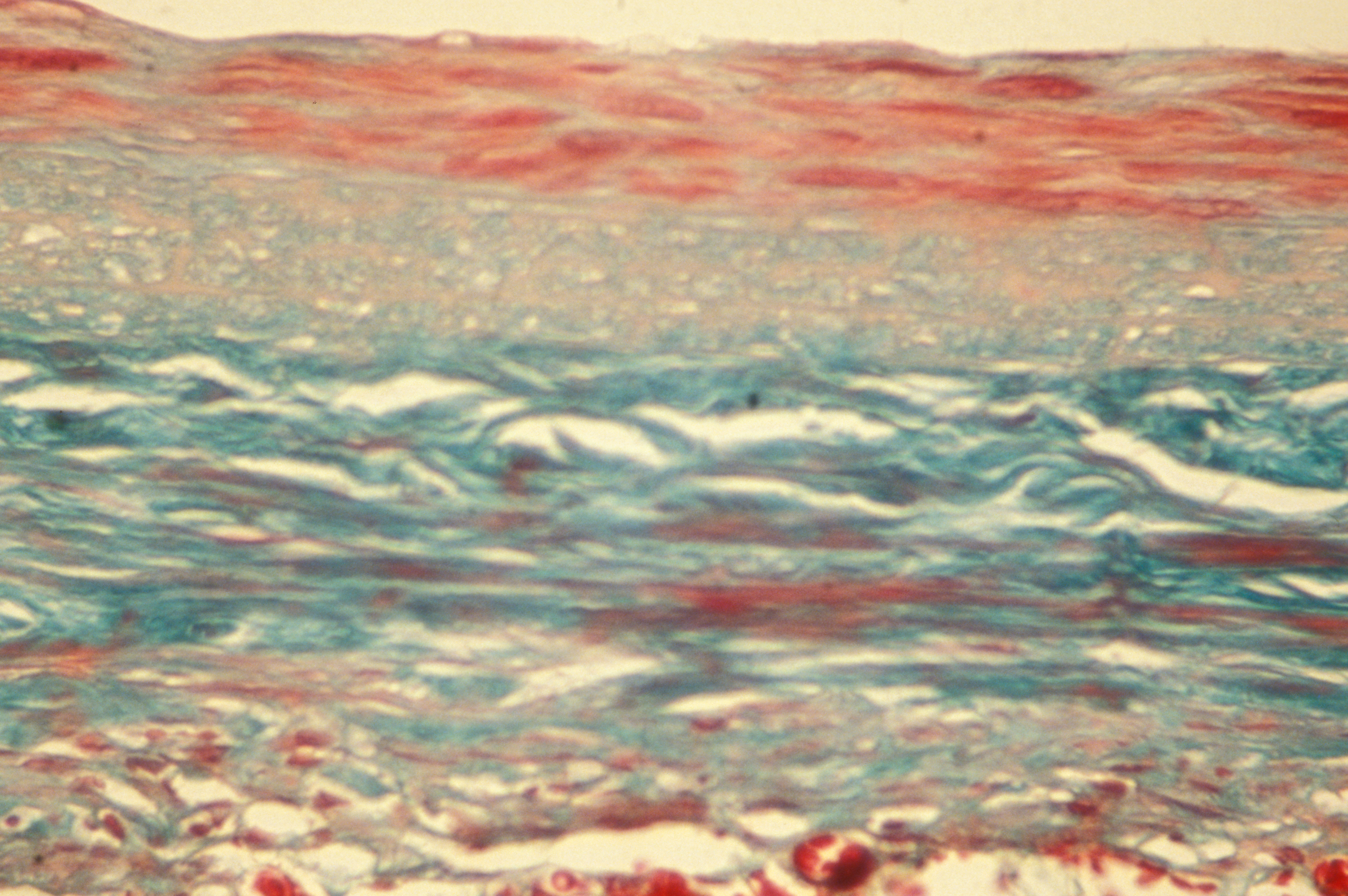
Crédits: Allogreffe d’aorte abdominale décellularisée, Inserm/Allaire, Eric

Prof. Alexander Loupy, Hospital Necker Children AP-HP and Prof. Carmen Lefaucheur, the Saint-Louis Hospital AP-HP and the University Paris Diderot in the Cardiovascular Research Center (Inserm / Paris Descartes University), showed, in an article published in the journal   New England Journal of Medicine September 20, 2018, the latest advances and applications of artificial intelligence carried out in the field of transplantation, including the diagnosis and the treatment of allograft rejection.

These interdisciplinary work focused on transplant patients of heart, kidney and lung. They have helped to change the past five years, three times, the International Classification of rejection. They contribute to improving the management of transplant patients on diagnosis and treatment plans.

The transplantation has become the treatment of choice at the onset of organ impairment. 120,000 new organ transplants are performed each year worldwide, but only one million people living with a functioning graft. This finding can be explained by a lack of improvement in graft survival in recent decades and a number of available organs sometimes limited.

The rejection of the organ caused by the production of antibodies by the recipient patient is recognized as one of the main causes of failure of a transplant. A better understanding of the mechanisms of this rejection now allows to diagnose accurately and offer a personalized therapeutic approach.

A multidisciplinary approach involving clinical specialists, pathologists, immunologists transplantation, epidemiologist and statisticians, has been developed in close collaboration with Professor Xavier Jouven, head of the cardiology department of the European Hospital Georges Pompidou AP-HP and the team “cardiovascular Epidemiology and sudden death” of the cardiovascular research Center Inserm and Université Paris Descartes, to evaluate this rejection to the population level. New diagnostic categories were established and patient groups likely to lose their accelerated graft were identified and defined.

The allograft rejection may for example be detected by

> An integrative analysis of multiple biomarkers (reactive antibodies directed against the donor, inflammatory markers); 

> A detailed study of the transplanted organ (identification of gene expression and characterization of cells infiltrating the graft that may cause rejection of the short or medium / long-term allograft).

Work by a team AP-HP / Inserm / Paris Descartes, and coordinated by Professor Alexander Loupy have thus demonstrated that the ultra-fine analysis of genes expressed by cells of the heart via a new technique called “molecular microscope “identifies precisely and patients with early beginnings of heart transplant rejection. (Read more:  >> Diagnosis of transplant rejection in heart: a French team shows the interest of a new method, molecular microscope (March 2017) ). Other more recent studies have demonstrated the usefulness of algorithms to improve efficiency and performance of clinical trials in transplantation *.

Finally, the interest in this approach to artificial intelligence “machine learning” applied to transplantation was realized by obtaining two funding within the hospital research future investment program (RHU ) and the European program for research and innovation 2020.

This research thus open the way to a medicine of the future in which the mathematical algorithms will be used for daily monitoring of patients and the medical decision making. A concrete example is the development of a predictive tool for the survival of kidney transplants.

* Complement-Activating Anti-HLA Antibodies in Kidney Transplantation: Allograft Gene Expression Profiling and Response to Treatment. J Am Soc Nephrol. 2018 Feb; 29 (2): 620-635. doi: 10.1681 / ASN.2017050589. Epub 2017 Oct. 17.

An artificial intelligence predicts therapeutic response in patients with advanced rectal cancer treated with preoperative radiochemotherapy

Cancer colorectal humain et les cellules immunitaires. Crédits: Inserm/Galon, Jérôme

The digestive oncology teams from European Georges Pompidou Hospital, Cochin and Ambroise Paré AP-HP, and laboratory “Information Sciences and personalized medicine” of 1138 Unit Research Center Cordeliers INSERM and Paris-Descartes University, have developed an artificial intelligence system that predict therapeutic response to preoperative chemoradiotherapy in patients monitored for rectal cancer. The work, coordinated by Dr. Jean-Emmanuel Bibault of oncology radiotherapy European Hospital Georges Pompidou AP-HP, would propose a conservative treatment rather than full rectal ablation patients complete therapeutic response.

These results thus contribute to the development of more personalized care in oncology. They were the subject of a publication August 22, 2018 in the journalScientific Reports (Nature Review Group) . 

The standard treatment of locally advanced rectal cancer comprises a preoperative chemoradiotherapy followed by surgical resection (removal) full rectum. About a quarter of patients in complete response after chemoradiotherapy they could avoid radical surgery and benefit instead of conservative treatment (surveillance or endoscopic resection) resulting in less sequelae. However, the only way to know whether these patients respond perfectly to chemoradiation currently remains the operation with removal of the entire rectum.

This study, led by Dr. Jean-Emmanuel Bibault, the radiation oncology department of the European Hospital Georges Pompidou AP-HP, Professor Philippe Giraud, the radiotherapy service HEGP and Professor Anita Burgun, head of the laboratory “information Science and personalized medicine” Unit 1138 Cordeliers research Center INSERM and Université Paris Descartes, therefore aimed to develop an artificial intelligence device which predict in advance the patients with a complete response to preoperative radiochemotherapy, to prevent their operation.

The teams have relied on clinical patient data and images radiation scanners. They then used a method of artificial intelligence-type “Deep Learning” (or “deep neural network”) that has been set for identifying patients with complete response to treatment. The “Deep Learning” is part of machine learning methods that model with a high level of data abstraction.

The algorithm developed was then evaluated on patient data already supported at European Hospital Georges Pompidou, at Cochin Hospital and Ambroise Paré Hospital AP-HP. He was accurate in 80% of cases analyzed. 22 of the 95 patients included in the study had a complete response to preoperative radiochemotherapy.

This study shows that the artificial intelligence algorithms type “deep learning” could be used to predict the effectiveness of cancer treatments to further customize the care of patients.

These results may lead to further research to integrate this device into the treatment of locally advanced cancers of the rectum.

Predicting The Response To Immunotherapy Using Artificial Intelligence

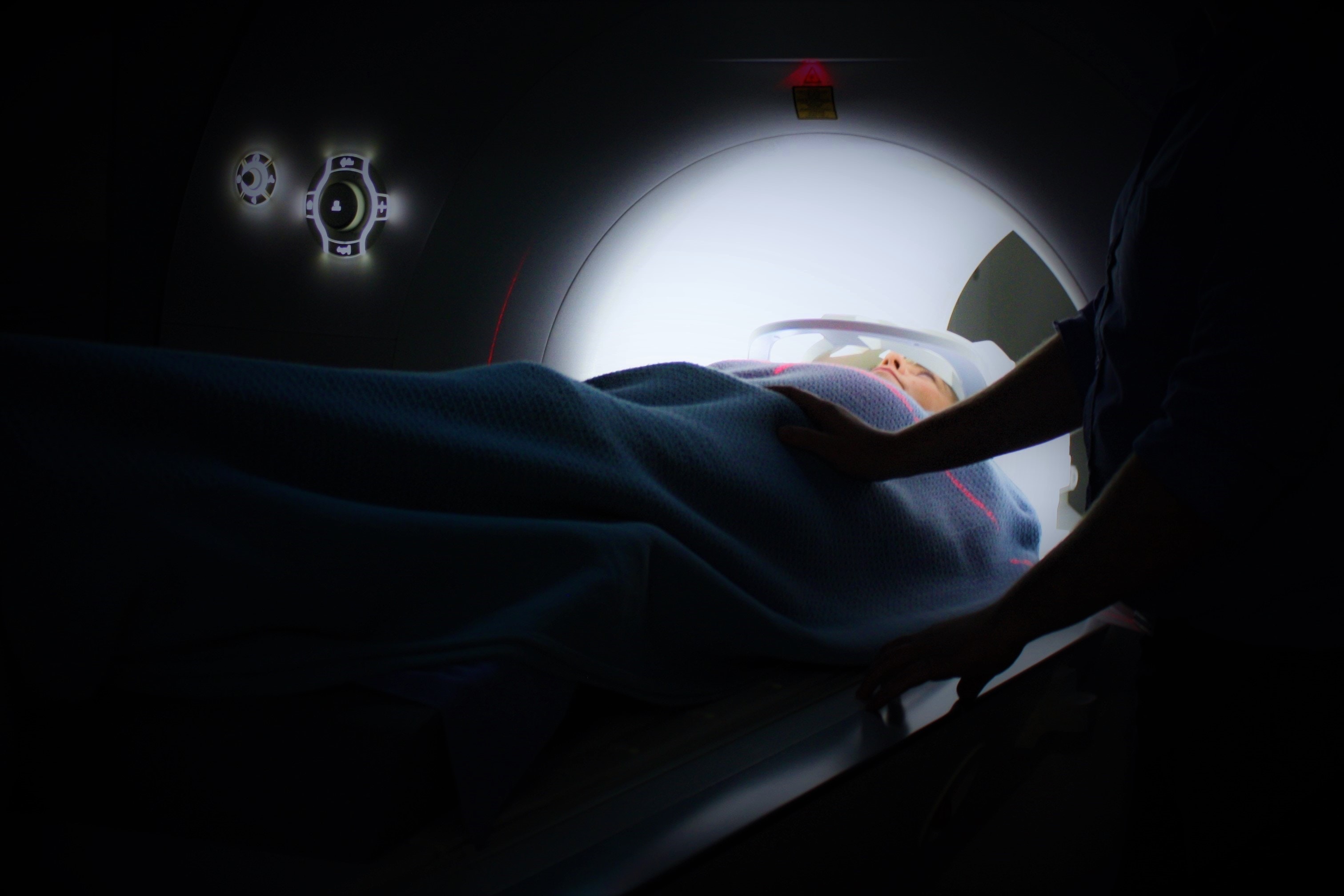
Photo by Ken Treloar on Unsplash

A study published in The Lancet Oncology establishes for the first time that artificial intelligence can process medical images to extract biological and clinical information. By designing an algorithm and developing it to analyse CT scan images, medical researchers at Gustave Roussy, CentraleSupélec, Inserm, Paris-Sud University and TheraPanacea (spin-off from CentraleSupélec specialising in artificial intelligence in oncology-radiotherapy and precision medicine) have created a so-called radiomic signature. This signature defines the level of lymphocyte infiltration of a tumour and provides a predictive score for the efficacy of immunotherapy in the patient.     

In the future, physicians might thus be able to use imaging to identify biological phenomena in a tumour located in any part of the body without having to perform a biopsy.  

Up to now, no marker can accurately identify those patients who will respond to anti-PD-1/PD-L1 immunotherapy in a situation where only 15 to 30% of patients do respond to such treatment. It is known that the richer the tumour environment is immunologically (presence of lymphocytes) the greater the chance that immunotherapy will be effective, so the researchers have tried to characterise this environment using imaging and correlate this with the patients’ clinical response. Such is the objective of the radiomic signature designed and validated in the study published in The Lancet Oncology.

In this retrospective study, the radiomic signature was captured, developed and validated in 500 patients with solid tumours (all sites) from four independent cohorts. It was validated genomically, histologically and clinically, making it particularly robust. 

Using an approach based on machine learning, the team first taught the algorithm to use relevant information extracted from CT scans of patients participating in the MOSCATO study[1], which also held tumor genome data. Thus, based solely on images, the algorithm learned to predict what the genome might have revealed about the tumour immune infiltrate, in particular with respect to the presence of cytotoxic T-lymphocytes (CD8) in the tumour, and it established a radiomic signature.   

This signature was tested and validated in other cohorts including that of TCGA (The Cancer Genome Atlas) thus showing that imaging could predict a biological phenomenon, providing an estimation of the degree of immune infiltration of a tumour.  

Then, to test the applicability of this signature in a real situation and correlate it to the efficacy of immunotherapy, it was evaluated using CT scans performed before the start of treatment in patients participating in 5 phase I trials of anti-PD-1/PD-L1 immunotherapy. It was found that the patients in whom immunotherapy was effective at 3 and 6 months had higher radiomic scores as did those with better overall survival.     

The next clinical study will assess the signature both retrospectively and prospectively, will use larger numbers of patients and will stratify them according to cancer type in order to refine the signature.        

This will also employ more sophisticated automatic learning and artificial intelligence algorithms to predict patient response to immunotherapy. To that end, the researchers are intending to integrate data from imaging, molecular biology and tissue analysis. This is the objective of the collaboration between Gustave Roussy, Inserm, Université Paris-Sud, CentraleSupélec and TheraPanacea to identify those patients who are the most likely to respond to treatment, thus improving the efficacy/cost ratio of the treatment.

[1] Results of the MOSCATO study published in Cancer Discovery : https://cancerdiscovery.aacrjournals.org/content/early/2017/03/26/2159-8290.CD-16-1396

// About radiomics

In radiomics, it is considered that imaging (CT, MRI, ultrasound, etc.) not only reveals the organisation and architecture of tissues but also their molecular or cellular composition. The technique involves the use of algorithms to analyse a medical image objectively in order to extract from it information which is invisible to the naked eye, such as the texture of a tumour, its micro-environment, its heterogeneity, etc. For the patient this represents a non-invasive approach that can be repeated over the course of the disease to follow its progress. 

Five years after a cancer diagnosis, quality of life and employment status remain strongly impacted

Adobestock

Over 3 million people in France are currently living with cancer or have recovered from it.
While the number of new cases diagnosed each year continues to increase, the advances made in diagnosis and treatment have made it possible to push back mortality.  The disease remains a difficult ordeal for those affected, both physically and psychologically, and is also synonymous with social and professional disruption. 

In order to study the evolution of the impact of cancer over time on the daily lives of sufferers, the French National Cancer Institute decided to extend VICAN2 – the survey on life two years after a cancer diagnosis – which was conducted in 2012.

Conducted by Inserm[1], this study explores, five years after diagnosis, the health status, long-term side effects and medical follow-up, the difficulties experienced in daily life and also the impact of the disease and its treatments on resources and employment.  Its results will be discussed at a colloquium on June 10, in Paris.


“Life five years after a cancer diagnosis” – the VICAN5 study

Highly instructive, not just on the evolution of side effects but also on the impacts of the disease on the personal and professional lives of sufferers, the results can be used to orient the actions of public authorities and the various players committed to fighting cancer.

Some of these results back up the measures implemented by the French National Cancer Institute (INCa) and the public authorities (the supportive care package, the tertiary prevention measures such as the reimbursement of nicotine patches or the prescription of physical activity, the right to be forgotten or the return to work or continued employment as part of the “Club des entreprises”). Other results make it possible to consider actions to intensify the current measures or implement new ones to best orient the support given to patients and their relatives. Indeed, disparities in the prognosis, cancer site and status of sufferers make it possible to consider more targeted measures, notably regarding cancers in which the progress of the therapies remains low. As reaffirmed in the 2014-2019 Cancer Plan, continuity and quality of life despite the disease is an ambition shared by all those involved in fighting it.


The principal results of VICAN5

Cancer continues to impact physical quality of life

44.4 % of respondents report an impairment in physical quality of life compared with the general population. This percentage is similar to that observed with the first survey.

While lung cancer has the most negative impact on physical quality of life, a decrease can be observed in relation to the previous situation – as is the case with breast cancer.   For the other cancer sites, the situation remains stable.

The improvement observed with lung cancer remains to be qualified – indeed, it is the site with the highest mortality rate between the two surveys.  The results can therefore not be superimposed.

Fatigue is the most frequent spontaneously reported symptom – but its improvement depends on the cancer site

Five years post-diagnosis, 48.7% of respondents describe fatigue as a clinically significant symptom.  It is more prevalent in women and varies according to the cancer site.

In addition, levels of fatigue remain significantly higher in women and young people, with people in precarious economic situations reporting higher levels of fatigue, thereby highlighting the weight of inequalities in relation to its experience. 

The results show a significant decrease in the prevalence of fatigue for lung cancer and to a lesser extent for thyroid cancer, sites for which the prevalence of fatigue was highest at two years (decreasing from 70.9% at 2 years to 59.4% at 5 years and from 66% at 2 years to 55.8% at 5 years, respectively).

Beyond the differences between the sexes, those most vulnerable in relation to fatigue are the youngest, and those in a situation of economic hardship.  This last point underlines the ever-prominent weight of social inequalities in how the post-cancer period is experienced.

A decrease in resources linked mainly to a decrease in time worked

More than one quarter of those diagnosed in 2010 have experienced a decrease in their available income five years post-diagnosis. Those affected present the most vulnerable profiles on the job market (women, those educated to below baccalaureate level, the self-employed), often live alone and declare living with late side effects related to the disease and/or its treatment.

A decrease in time worked is the main cause of a decrease in professional income.

Strongly linked to disease characteristics such as cancer prognosis, receipt of chemotherapy and experience of fatigue in 2015, the decrease in the number of hours worked constitutes the lever most frequently used when resuming work in order to take into account the diminished physical capacity, which is mainly due to late side effects of the disease and its treatments.

VICAN5 also enables the follow-up at two and five years post-diagnosis of those who responded to both questionnaires.  Specific analysis of this group shows that the per capita decrease in income mainly occurs after the first two years following diagnosis; for 53.7% of respondents, this decrease occurs during the three subsequent years.

A deterioration in professional situation over time

Five years post-diagnosis, cancer still negatively impacts the professional lives of sufferers, depending on the epidemiological reality of the disease and the professional characteristics of the job held initially.

Those having had cancer have seen a deterioration in their professional situation, generally revealing an acceleration of the phenomenon of leaving employment: the decrease in employment rate and increase in unemployment are the primary results of the VICAN5 survey in relation to changes in professional status. An increase in the proportion of individuals on disability leave has also been observed.

Among those in work at the time of diagnosis, one in five is no longer working five years later.

Considering the fact that those on sick leave remain in work from an administrative viewpoint, this finding reveals a deterioration in the professional situation greater than that observed with VICAN2. It would therefore appear that the impact of cancer on professional life can occur in the medium-term.

As with the previous survey, those most concerned by job losses five years post-diagnosis are manual workers, private sector employees, individuals working in very small businesses, company heads and those having been diagnosed with lung, upper aerodigestive or colorectal cancer.

Some of the results presented here must be interpreted with caution.  The employment situation presented according to various socio-professional characteristics makes it possible to characterize the groups most concerned by a deterioration in their professional situation five years post-diagnosis, but this must not be interpreted too hastily in terms of causality.  For example, if those having suffered from lung cancer are more affected in terms of maintenance in employment, this can be due to the characteristics of the disease but also express an argument in the social epidemiology of cancer: the socio-professional categories most concerned by this type of disease, such as manual workers, are precisely those which are the most vulnerable on the job market.

Adjustment of working conditions deemed satisfactory

Adjustment of working time is the most common measure for those in employment at the time of diagnosis – 62.7% of respondents had their working conditions adjusted during the subsequent five years and declare themselves satisfied in the main. Those who benefited from the adjustments are women, people initially in full-time employment, public sector employees and people with permanent contracts. 
Self-employed workers had less recourse to such adjustments.       

Tertiary prevention: medical follow-up, lifestyle and consumption habits

At five years post-diagnosis, 56.9% of respondents are being followed up for their cancer in a primary-care setting.  However, more than one third (33.1%) declare that they are not being monitored and also feel less well-informed on the symptoms they are likely to face.

During and after cancer, diet and physical activity play a major role in various domains, such as prevention of the risk of a second cancer and improved disease prognosis and tolerance to treatments.  However, five years post-diagnosis, 34.3% of respondents declare to have not modified their exercise regimes.  Furthermore, 53% of respondents declare that they are getting less exercise or that they have stopped it altogether, whereas 12.7% state that they do more.

Those reporting an increase in their physical activity are younger and more often female, whereas those having experienced a decrease are those experiencing late side effects of the cancer, anxiety or depression, are more often male and more often older.  Three in five individuals having reduced their levels of physical activity present a marked state of fatigue.

As in the general population, among those diagnosed with cancer five years ago, the prevalence of smoking decreases with age and concerns more particularly those with low economic status.  As such, 39.8% of respondents who smoked prior to diagnosis no longer smoke five years later and 16.7% smoke tobacco most often daily.  Furthermore, and in contrast to what to the general population, women smoke more than men.

[1] Inserm JRU 1252-SESSTIM research team.

Method

The VICAN5 survey builds on VICAN2 by interviewing state health insurance beneficiaries resident in mainland France, in whom cancer was diagnosed around five years beforehand and who were aged between 18 and 82 at the time of diagnosis. Twelve cancer sites, including the most common, were focused on. In parallel to the telephone survey, medical record data and healthcare consumption information[2] were collected.
All in all, 4,174 people were questioned, among whom 2,009 individuals having participated in the previous survey, VICAN2, along with an additional sample of 2,165 people.

Download the summary of the study “La vie cinq ans après un diagnostic de cancer” (in French)

Download the full report  of the study “La vie cinq ans après un diagnostic de cancer” (in French)

[2] Data taken from the SNIIRAM database, which covers the various health insurance schemes.
Pandoravirus: giant viruses invent their own genes

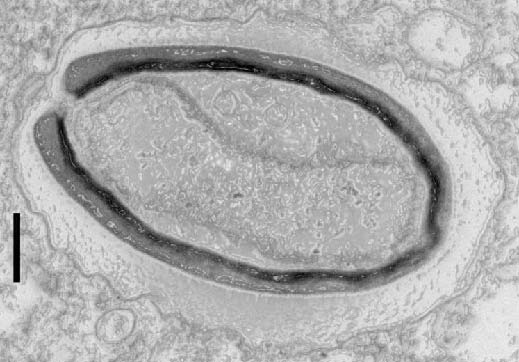
Pandoravirus quercus, found in Marseille, France. Thin section, viewed via electron microscopy. Scale bar: 100 nm.  ©IGS- CNRS/AMU.

Three new members have been isolated and added to the Pandoravirus family by researchers at the Structural and Genomic Information Laboratory (CNRS/AixMarseille Université), working with partners at the Large Scale Biology Laboratory (CEA/Inserm/Université GrenobleAlpes) and at CEA-Genoscope. This strange family of viruses, with their giant genomes and many genes with no known equivalents, surprised the scientists when they were discovered a few years ago. In the 11 June 2018 edition of Nature Communications, researchers offer an explanation: pandoviruses appear to be factories for new genes – and therefore new functions. From freaks of nature to evolutionary innovators, giant viruses continue to shake branches on the tree of life!

In 2013, the discovery of two giant viruses unlike anything seen before blurred the line between the viral and cellular world. Pandoraviruses are as big as bacteria, and contain genomes that are more complex than those found in some eukaryotic organisms[1]. Their strange amphora shape and enormous, atypical genome[2] led scientists to wonder where they came from. 


The same team has since isolated three new members of the family in Marseille, continental France, Nouméa, New Caledonia, and Melbourne, Australia. With another virus found in Germany, the team compared those six known cases using different approaches. Analyses showed that despite having very similar shapes and functions, these viruses only share half of their genes coding for proteins. Usually, however, members of the same family have more genes in common.

Furthermore, these new members contain a large number of orphan genes, i.e. genes which encode proteins that have no equivalent in other living organisms (this was already the case for the two previously discovered pandoraviruses). This unexplained characteristic is at the heart of many a debate over the origin of viruses. What most surprised researchers was that the orphan genes differed from one pandoravirus to another, making it less and less likely that they were inherited from a common ancestor!

Bioinformatic analysis showed that these orphan genes exhibit features very similar to those of non-coding (or intergenic) regions in the pandoravirus genome. Findings indicate the only possible explanation for the gigantic size of pandoravirus genomes, their diversity and the large proportion of orphan genes they contain: most of these viruses’ genes may originate spontaneously and randomly in intergenic regions. In this scenario, genes “appear” in different locations from one strain to another, thus explaining their unique nature.  

If confirmed, this groundbreaking hypothesis would make these giant viruses craftsmen of genetic creativity – a central, but still poorly explained component of any understanding of the origin of life and its evolution.


[1] Organisms whose cells contain nuclei, unlike the two other kingdoms of living organisms, bacteria and archaea.

[2] Up to 2.7 million base pairs.


This research received funding from the Bettencourt Schueller Foundation, through the “Coup d’Elan Prize for French Research” awarded to Chantal Abergel in 2014.


Credit: IGS- CNRS/AMU

Reducing Protein Intake to Fight Tumors More Effectively

©Brooke Lark on Unsplash

What if immune system efficacy against cancerous cells could be reinforced by a diet in which calories are not reduced but nutrients are precisely determined? This what Inserm researchers from Université Côte d’Azur, through a study of the effects of restrictive diets on tumor growth in mice, have been exploring.  They have observed that a low-protein diet restricts tumor development by increasing immune response.  The findings, to be published in Cell metabolism, have proved promising in understanding anti-tumor immunity in mice and pave the way for new studies in humans. 

Despite the recent popularity of fasting in preventing cancer, in reinforcing chemotherapy and in extending life expectancy in patients with tumors, there is no solid scientific proof to support its efficacy at present. In reality, clinical trials are virtually non-existent in humans and the findings obtained from animal models are highly debatable.  Prolonged calorie reduction can be an aggravating factor in the undernourishment and loss of muscle mass (sarcopenia) frequently associated with chemotherapy.

An Inserm team at Université Côte d’Azur decided to focus on a hypothesis by which modulating the intake of macronutrients (carbohydrates, fats and proteins) rather than that of calories, could restrict tumor growth.  The researchers compared the effect of various diets, with varying levels of carbohydrates and proteins but the same number of calories, on tumor growth in mice.  The results show that it was a low-protein and not a low-carbohydrate diet that had a positive impact on limiting tumor growth and prolonging life expectancy in mice.

Analysis of the tumor cell content of mice on a low-protein diet showed an increased quantity and more intense activity of the specific anti-tumor cells of the immune system.  The researchers observed that the restriction of tumor growth was not due to inhibited cancer cell proliferation as could be believed, but to an increased efficacy of the immune response, also known as immunosurveillance, in destroying the cancerous cells.

When studying the molecular mechanisms linked to this phenomenon, the researchers observed that this strengthened immunosurveillance was linked to tumor cell secretion of immune system alert proteins, known as cytokines. According to the study, reducing proteins in the diet renders the available quantity of certain amino acids (constituents of proteins) insufficient – and these are substances to which cancer cells are highly sensitive.  When access to amino acids is reduced, stress is triggered in the tumor cells, which then release cytokines and thereby activate a strong immune response against the tumor.

While these findings in mice are promising in terms of understanding the anti-cancer immunosurveillance activation mechanisms, several major unknowns remain to be elucidated. These include a precise definition of the protein reduction necessary and sufficient for the diet to be effective, the identification of the amino acids implicated in tumor cell stress, and the transposability of the results to humans, whose immunosurveillance and metabolism are notably different to those of mice.  Finally, ongoing human clinical trials must take into account the difficulty of imposing such a rigorous long-term diet on patients.

In the eye of the medulloblastoma

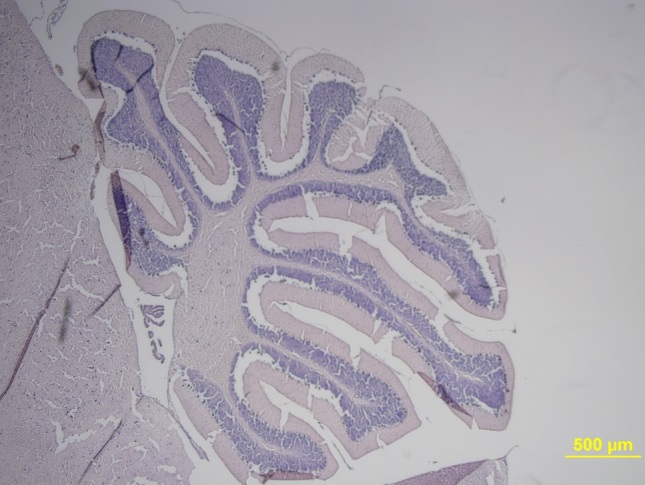
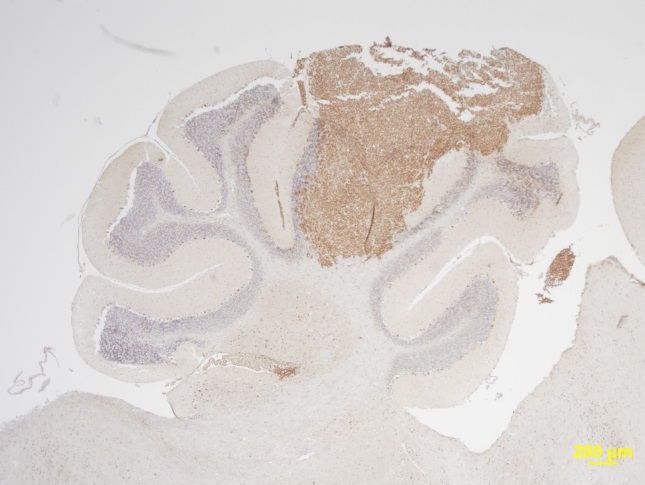
Can genes normally expressed only in the eye be activated in brain tumours? Such a phenomenon, though surprising, has been observed in certain types of medulloblastoma, paediatric tumours of the cerebellum. Researchers from the CNRS, Institut Curie, Inserm and Université Paris-Sud[1], together with researchers at St. Jude Children’s Research Hospital (Memphis, United States), have pinpointed the role of these genes in the tumour process, thus offering new therapeutic targets. Their findings appear in the 12 March 2018 edition of Cancel Cell.

Medulloblastoma is treated with a combination of surgery, radiotherapy and chemotherapy, which results in a survival rate of 80 %, albeit with significant side effects. Group 3 medulloblastoma, associated with frequent rates of recurrence and a much lower survival rate, is characterised by the expression of a gene cluster named “photoreceptor program”. Normally, these genes are only expressed in the retina, where they define photoreceptor identity and, in particular, ensure that light signals are converted into nerve impulses.

Given that they are not expressed during the normal development of the cerebellum, activation of these genes in medulloblastoma is very surprising. Aberrant differentiation programs – unrelated to the tissue in which the tumour originates – have already been found in other types of cancer but never thought to be directly involved in the tumour process.

Celio Pouponnot, CNRS researcher at the Institut Curie, together with Franck Bourdeaut, medical researcher at the Institut Curie, and Paul Northcott at St. Jude Children’s Research Hospital in Memphis, United States, decided to examine the role this “photoreceptor program” could play in a medulloblastoma.

The presence of a protein known as NRL within this “photoreceptor program” initially drew the attention of Celio Pouponnot’s team, which for many years has studied a family of proteins similar to NRL that is involved in the formation of cancers. Researchers also identified the role of another protein specific to the retina: CRX. Strikingly, this study shows that both these factors are involved in the medulloblastoma by activating key genes: CCND2, which promotes cell proliferation, and BCL2L1, which inhibits cell death (apoptosis).

The research team then used pharmacological agents to target these anti-apoptotic proteins in preclinical models by grafting human medulloblastoma cells into mice. This treatment shrunk the tumour and extended the lives of the mice, proving the potential of this therapeutic target. These results, however, cannot be directly transposed to children for whom such pharmacological agents could be toxic.

More generally, this study shows the potential benefit of studying signs of aberrant differentiations in cancer processes, highlighting a new area in cancer research.

[1] Laboratories: Normal and pathological signalling: from embryo to innovative cancer treatments (CNRS/Institut Curie/Inserm/ Université Paris-Sud); Genetics and biology of cancers (INSERM/Université Paris Descartes) and Chemistry, modelling and imagery for biology (CNRS/Institut Curie/INSERM/Université Paris-Sud)

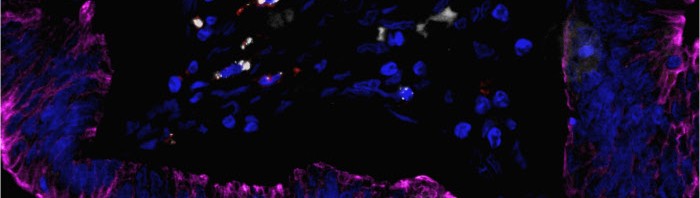
Section of normal cerebellum (left), and cerebellum with medulloblastoma (right). The medulloblastoma expresses genes normally active in the retina only, including NRL and CRX, which play a role in the formation of the tumour. © Morgane Morabito / UMR3347 CNRS-Institut Curie-INSERM-Université Paris-Sud

An antioxidant protein to fight changes to the intestinal microbiota and control inflammation

©AdobeStock

Teams from Hôpital Paul-Brousse AP-HP, Inserm and Paris-Sud University have recently evidenced a mechanism which modulates the intestinal microbiota, involving a molecule with antioxidant and anti-inflammatory properties, known as REG3A. The latter is thought to protect the intestinal barrier and the bacteria most sensitive to oxygen forming the microbiota, thus improving “good” bacterial survival and growth. Transplantation of fecal microbiota in mice models of severe colitis or administration of a REG3A recombinant protein to wild type mice evidences a marked reduction in their susceptibility to the disease. These results have been published in the journal Gastroenterology and represent a new approach to manipulation of the intestinal microbiota for therapeutic purposes, restoration of host-microbiota symbiosis, and alleviation of intestinal inflammation.

One of the key factors for an imbalanced microbiota composition or “dysbiosis” is intestinal oxidative stress. Combined with immune responses, this is capable of amplifying the production of free radicals, activation of inflammatory cells (macrophages), imbalances of microbiota composition in favor of aerotolerant bacteria, and lesions in the intestinal barrier.

Dr. Jamila Faivre from the Department of Oncology-Hematology at Hôpital Paul-Brousse, AP-HP, and her team from Unit 1193 “Physiopathogenesis and Treatment of Liver Disease” at the Hepatobiliary Center (Inserm/Paris-Sud University) are studying oxidative stress as a therapeutic target to prevent or treat diseases and/or disorders related to dysbiosis.

In this study, the researchers show that a recombinant human protein known as REG3A is capable of modifying the intestinal microbiota by reducing the levels of free radicals. This regulatory mechanism is based on the antioxidant activity of this molecule.

REG3A protects commensal gut bacteria from oxidative stress by trapping free radicals and improving the survival and growth of “good” gut bacteria known to be highly sensitive to oxygen.

In keeping with the data obtained from in vitro bacterial cultures, the molecule delivered into the gastrointestinal lumen of transgenic mice modifies intestinal microbiota composition with the over-representation of Gram-positive symbionts, such as Clostridiales, and improves barrier function and resistance of the mice in two models of severe experimental colitis.

With further investigation, the researchers observed that transplantation of fecal microbiota originating from transgenic mice strongly expressing REG3A protects conventional wild type mice, together with germ-free mice colonized with induced severe colitis. Furthermore, intrarectal administration of REG3A recombinant human protein to wild type mice significantly reduces their susceptibility to induced colitis.

These results suggest that biological therapy based on administration of REG3A recombinant protein is a novel approach to (re)modeling the intestinal microbiota, alleviating intestinal inflammation, and, indeed, to preventing colorectal cancer.

Compared to current strategies, this approach is innovative in two respects: using a human protein produced endogenously in the intestine, and increasing the proportion of gut bacteria with anti-inflammatory potential by raising the intraluminal concentration of REG3A to preserve host-microbiota symbiosis and thus fight intestinal, or, indeed, extra-intestinal inflammation more effectively.

Pancreatic Cancer: a “Multiomic” Study Identified Two Tumor Subtypes, and a Potential New Treatment Avenue

© Crédit Fotolia

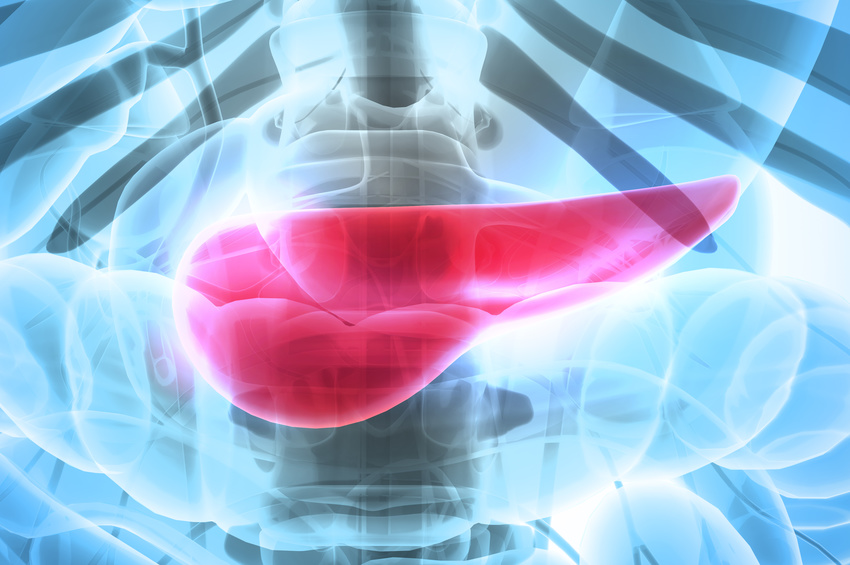
Juan Iovanna (Inserm Research Director) and his colleagues at the Marseille Cancer Research Center (Inserm/CNRS/Aix Marseille Université/Institut Paoli-Calmettes), in close collaboration with the “Tumor identity cards (CIT)” program run by the Ligue nationale contre le cancer and the University of Wisconsin (United States), have generated a “bank” of approximately 200 viable human pancreatic tumors, and cells derived from these tumors. The “multiomic” analysis of these tumors, i.e. the general characterization of all alterations in gene expression, epigenetic modifications of DNA methylation, has evidenced two main tumor subtypes. The specific characteristics of these subtypes, identified by the researchers, could open up new therapeutic approaches. The results of this research have been published in the journal Cell Reports.

With a 5-year survival rate of less than 5%, pancreatic cancer has the bleakest prognosis compared to all other types of cancer. Surgery is still currently the best possible treatment for the 15 to 20% of patients with a resectable tumor, with life expectancy of 15 to 18 months. When metastases develop, life expectancy is then estimated at between 3 and 6 months. Chemotherapy and radiotherapy only have limited efficacy.

Like other types of cancer, pancreatic cancer is caused by a combination of genetic, epigenetic (biochemical modifications affecting the genome) and environmental factors, which give rise to very heterogeneous disease profiles, with strongly contrasting profiles in terms of symptoms, susceptibility, and patient response to treatment. Owing to this heterogeneity, it is very important to be able to distinguish between the different types of patients, according to their profile in terms of susceptibility to available treatments.

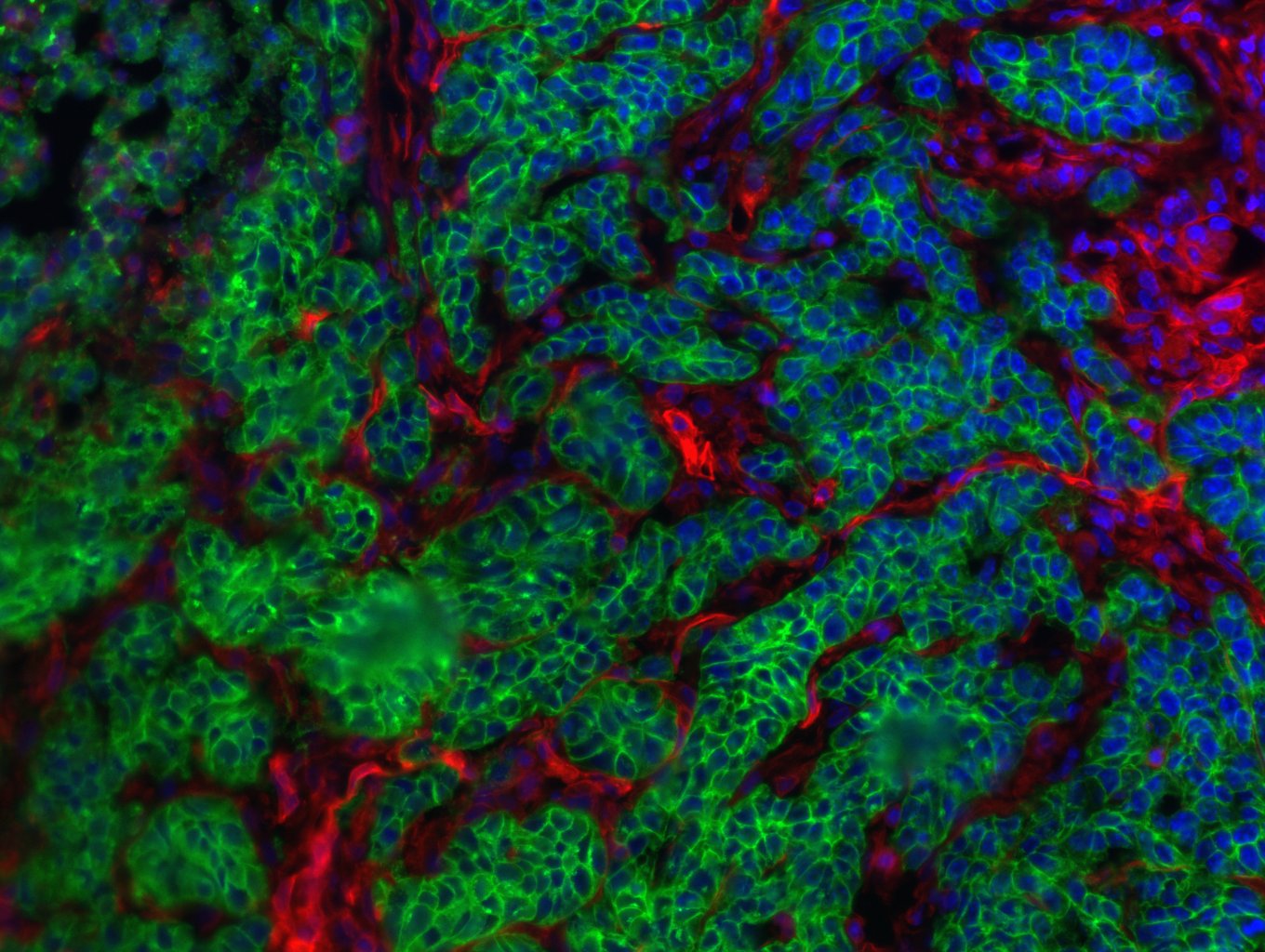
Approved by the Ligue nationale contre le cancer, the Inserm team led by Juan Iovanna has generated a “bank” of approximately 200 viable human pancreatic tumors (PDAC), from xenografts in mice, and cells derived from these tumors. Analysis of the first 29 tumors shows that these models remarkably reproduce the tumor characteristics in patients, together with their interaction with the immediate tumor environment – known as the microenvironment or stroma. These model have the advantage of being able to differentiate between transformed human tumor cells and non-transformed murine stromal cells.

The genomic research program in cancer “Tumor Identity Cards (CIT)”, initiated and supported by the Ligue nationale contre le cancer, conducted a series of “omic” analyses, i.e. the characterization of all alterations in gene expression and epigenetic modifications of DNA methylation. The researchers have observed that these alterations give rise to changes in gene expression and have an impact on the presence of immune cells in the tumor microenvironment, both in transformed cells and in the host animal stroma.

This extensive multiomic profiling evidenced two main subtypes of PDAC each of which have specific clinical consequences. These subtypes present specific alterations of methylation and gene expression, together with signaling pathways involved in the “dialog” between cancer cells and stromal cells. The analysis of these pathways points to new therapeutic avenues. These results reveal the complex and diverse interaction between PDAC tumors and the stroma.

In conclusion, the data presented in this research show that xenografts constitute a suitable model for pre-clinical studies and reproduce the diversity of primary cancer involving reconstitution of the stroma. The multiomic analysis is a valuable source of new reliable therapeutic targets with a view to treating patients suffering from PDAC.

Ribosome Plasticity: a New Avenue in Targeted Cancer Therapy

©Fotolia

The “Nuclear Domains and Pathologies” team led by Jean-Jacques Diaz, Inserm Research Director at the Cancer Research Center of Lyon (Inserm/CNRS/Université Claude Bernard Lyon 1/Centre Léon Bérard), has recently demonstrated that one of the essential components of the “cellular machinery” that produces proteins – the ribosome – is altered in tumors. The researchers have observed that these modified ribosomes function differently in cancer cells, preferentially producing proteins that favor cancer cell proliferation and survival.  This discovery opens up new possibilities for the development of innovative cancer therapies that target this abnormal machinery. This research has been published in Proceedings of the National Academy of Sciences (PNAS).

The research performed by Jean-Jacques Diaz and his team focuses on a key cell function: the production of proteins via “small specialist robots” called ribosomes. Their task is to retrieve coded genetic messages and decode them in the form of active proteins. These proteins then go on to play roles in various physiological mechanisms of the body, such as the insulin involved in blood glucose control.

The abnormally high metabolic activity and proliferation of cancer cells require the production of additional protein. In a major study published in Cancer Cell[1] in 2013, the researchers identified certain ribosomal modifications that occur during the development of breast and colon cancers, and which promote the development of these diseases. In the study published this month in PNAS, coordinated by CNRS Research Officer Frédéric Catez, the team in Lyon demonstrated the mechanism by which these ribosomal modifications (2′-O-methylations) alter protein synthesis.More specifically, the researchers are interested in the role played by ribosomes in cancer.

More particularly, they demonstrate that the plasticity of 2′-O-methylation modifies ribosome functioning. This discovery reveals a new facet of the ribosome, that of a direct regulator of protein synthesis, whereas up until now it was considered to be just an effector.

This research opens up new possibilities for using ribosomes, particularly in oncology. By providing a precise description, at the molecular level, of the ribosomes in the tumor cells of various cancers, this work opens up as yet unexplored research avenues for the identification of new prognostic markers of tumor development and for the development of new therapies targeted against these specific ribosomes. These avenues are currently being explored by the team from the Cancer Research Center of Lyon (CRCL).

[1] Marcel, V. et al. Cancer Cell. 2013. 24(3):318-30)

fermer