Menu

Five years after a stroke treated well, what are the chances of recurrence?

The team of Professor Amarenco, head of the neurology department at the Hospital Bichat Claude Bernard, AP-HP, professor at the University Paris Diderot – Inserm studied the risk of recurrence of stroke for patients who received a care in the 24 hours following the occurrence of a transient ischemic attack. The researchers demonstrate that 1 to 5 years the risk remains constant. These results suggest that prevention of these events should not only focus in the first months after stroke, but should be extended at least 5 years. 

They are published in the New England Journal of Medicine on May 16

Today, about a cardiovascular accident in four is preceded by a transient ischemic attack. It can for example manifest as paralysis of a limb, loss of speech and / or vision, or impaired balance. After a TIA or minor stroke (not giving immediate disability), the long-term risk of developing another stroke, myocardial infarction or vascular death is not known.

After reporting in a first study published in 2016 in the New England Journal of Medicine , the risk of occurrence of a cardiovascular event in a year, the team has focused on measuring the 5-year risk . This work was performed as part of the international project TIAregistry.org .

The study was conducted among 3847 patients from 21 countries (in Europe, Asia, Japan, Latin America) between 2009 and 2011, victims of a TIA or minor stroke within 24 hours to 80% of them and others in 7 days. The goal was especially to assess the patients’ health status, supported in a specialized structure, and the risk of stroke five years after the onset of TIA or minor stroke. Of the 61 initial centers that allowed the first publication of data in 1 year, 42 participated in the monitoring of patients until the 5th year.

Among the 3847 patients followed 5 years, 469 had a cerebral infarction, myocardial infarction or vascular problem are dead, a 5-year risk of 12.9%.

Half of these events occurred during the first year of monitoring, half occurred between the second and fifth years, which shows that prevention of these events should not only focus during the first months of the stroke, but should be extended at least 5 years.

The occurrence of these events remains constant over time, that is to say that the risk does not tend to diminish.

At 5 years, the risk of recurrent stroke was 9.5%, slightly less than half occurred between the second and fifth year.

In the analysis, the predictors of a higher risk between the second and fifth year were the presence of atherosclerotic cause of AVC disease that clogs the arteries of the heart and brain by a deposit-cholesterol or cause embolic cardiac (heart arrhythmia is the most common of these causes), or a high risk score (score combining the presence of hypertension, diabetes, an age over 60 years, a period of the initial episode than 10 minutes, or the presence of paralysis or language impairment in symptoms of TIAs).

After a TIA or minor stroke leaving no disability, the risk of a repeat disabling stroke or myocardial infarction, fatal or not, was 6.4% in the first year and 6.4% between the second and the fifth year. This result was obtained when all the patients in this study were treated optimally, that is to say following the treatment recommendations after stroke.

The authors advocate developing more effective prevention strategies to decrease the risk of stroke. Among them, include new drugs as those acting on cholesterol, or triglycerides, or even simple hygiene measures such as regular exercise (eg 20 to 30 minutes of exercise bike every morning before shower) and weight loss. As only 25% of strokes are preceded by TIAs, other detection strategies of patients at risk must be found. The medicine should also connected to help identify.
Cirrhosis: a predictor of mortality accurate prognosis

© Pierre-Emmanuel Rautou, AP-HP Inserm

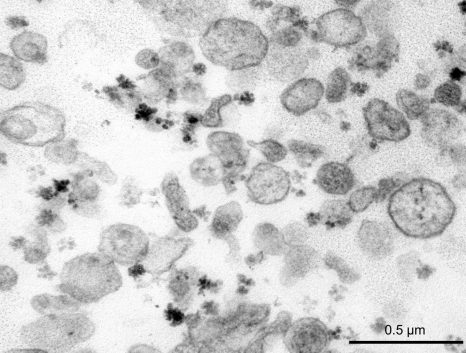
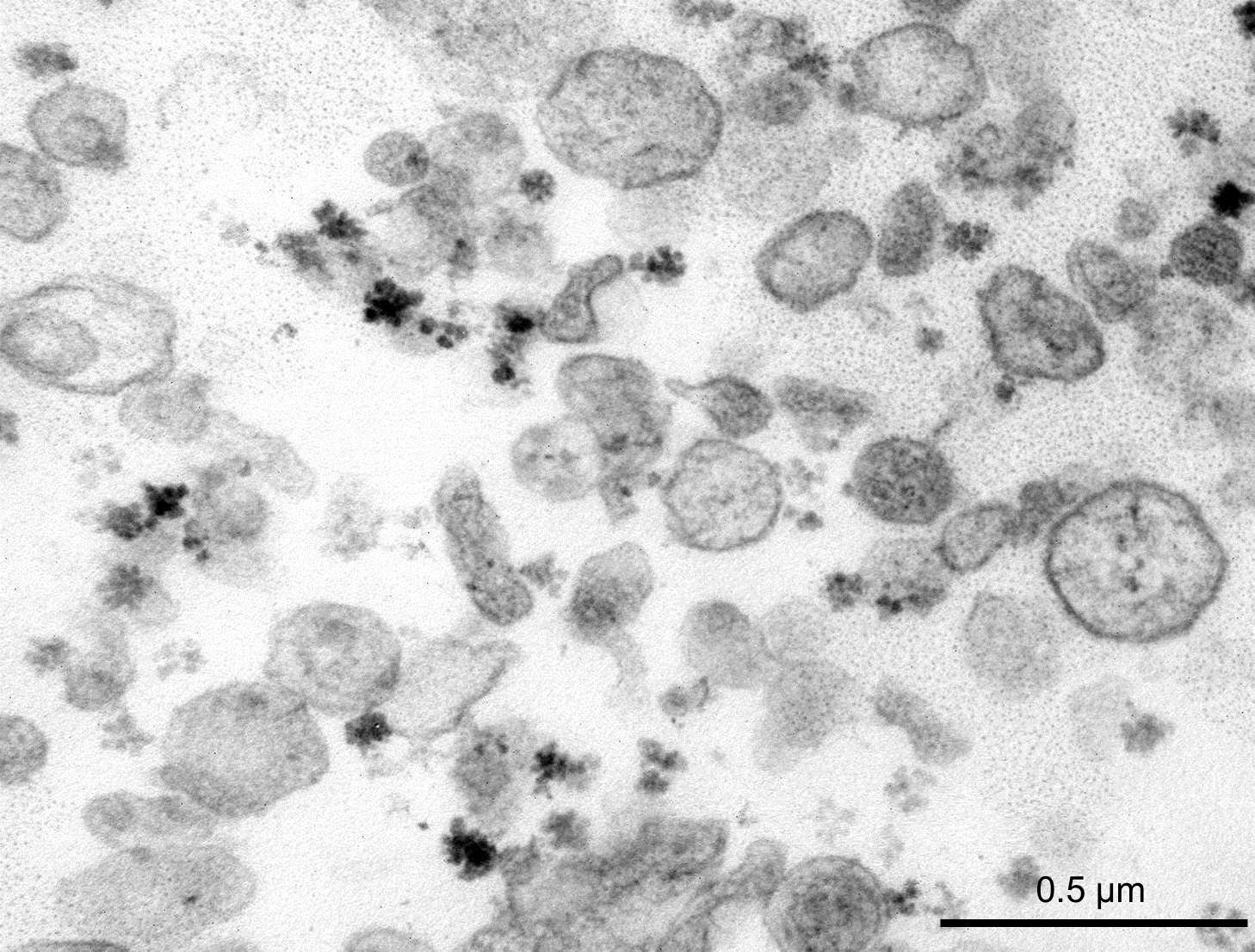
A trial sponsored by AP-HP and conducted by teams of Beaujon Hospital, AP-HP, Inserm and Université Paris Diderot was set up to establish an indicator that reflects the severity of liver disease in patients with cirrhosis. Coordinated by Professor Pierre-Emmanuel Rautou and Dr. Audrey Payancé the Hepatology Service of Beaujon Hospital, AP-HP, this study establishes that measurement microvesicles rate from liver and circulating in the blood greatly improves prediction of 6-month mortality of patients with cirrhosis.

This indicator would better choose treatments offer in patients with cirrhosis.These results, published in the journal Hepatology , also opening a reflection on the value of strategies to reduce the rates of these microvesicles in the blood of patients with cirrhosis.

Cirrhosis is the advanced stage of liver disease. It is estimated that the disease affects 200 000 to 500 000 in France and is responsible for 170,000 deaths per year in Europe.

In 2012, a collaboration between a team Inserm Unit 970 (Mixed Research Unit 970 – Paris – Cardiovascular Research Center) and the Hepatology Service of Beaujon Hospital, AP-HP, showed that the microvesicles [1] in the blood of patients with cirrhosis contribute to vascular complications associated with this disease (Rautou, Gastroenterology 2012). A correlation between the original microvesicles hepatocyte rate in patients with cirrhosis and severity of liver disease was established.

From this observation, a prospective study funded by the National Agency for Research (ANR) was conducted among 242 patients with cirrhosis: 139 supported at the Beaujon Hospital, Clichy, AP-HP and 103 Barcelona, ​​Spain.

The trial established was whether the microvesicles in the blood could predict the evolution of the patients.

The team measured and analyzed the microvesicles rate (annexin V, platelets, leukocytes, endothelial and hepatocellular) in plasma of these patients.

The results demonstrate that the extent of the original microvesicles rate hepatocyte greatly improves the prediction of 6-month mortality of patients with cirrhosis.

These biomarkers could provide a reliable tool to refine the prognosis of patients with cirrhosis to better predict their evolution and precisely select the most appropriate treatment for each individual.

The results also suggest that strategies to lower the microvesicles in the blood of patients with severe cirrhosis may be beneficial for patients.

Following this work, the team obtained a Ministry of Health funding (Hospital Programs of Clinical Research, PHRC “promice”) of $ 400 000 for further research and allow progress in the implementation practice this new test.

[1] The microvesicles are extracellular vesicles. They are detectable in the plasma of healthy individuals as in that of the sick.

Reducing Protein Intake to Fight Tumors More Effectively

©Brooke Lark on Unsplash

What if immune system efficacy against cancerous cells could be reinforced by a diet in which calories are not reduced but nutrients are precisely determined? This what Inserm researchers from Université Côte d’Azur, through a study of the effects of restrictive diets on tumor growth in mice, have been exploring.  They have observed that a low-protein diet restricts tumor development by increasing immune response.  The findings, to be published in Cell metabolism, have proved promising in understanding anti-tumor immunity in mice and pave the way for new studies in humans. 

Despite the recent popularity of fasting in preventing cancer, in reinforcing chemotherapy and in extending life expectancy in patients with tumors, there is no solid scientific proof to support its efficacy at present. In reality, clinical trials are virtually non-existent in humans and the findings obtained from animal models are highly debatable.  Prolonged calorie reduction can be an aggravating factor in the undernourishment and loss of muscle mass (sarcopenia) frequently associated with chemotherapy.

An Inserm team at Université Côte d’Azur decided to focus on a hypothesis by which modulating the intake of macronutrients (carbohydrates, fats and proteins) rather than that of calories, could restrict tumor growth.  The researchers compared the effect of various diets, with varying levels of carbohydrates and proteins but the same number of calories, on tumor growth in mice.  The results show that it was a low-protein and not a low-carbohydrate diet that had a positive impact on limiting tumor growth and prolonging life expectancy in mice.

Analysis of the tumor cell content of mice on a low-protein diet showed an increased quantity and more intense activity of the specific anti-tumor cells of the immune system.  The researchers observed that the restriction of tumor growth was not due to inhibited cancer cell proliferation as could be believed, but to an increased efficacy of the immune response, also known as immunosurveillance, in destroying the cancerous cells.

When studying the molecular mechanisms linked to this phenomenon, the researchers observed that this strengthened immunosurveillance was linked to tumor cell secretion of immune system alert proteins, known as cytokines. According to the study, reducing proteins in the diet renders the available quantity of certain amino acids (constituents of proteins) insufficient – and these are substances to which cancer cells are highly sensitive.  When access to amino acids is reduced, stress is triggered in the tumor cells, which then release cytokines and thereby activate a strong immune response against the tumor.

While these findings in mice are promising in terms of understanding the anti-cancer immunosurveillance activation mechanisms, several major unknowns remain to be elucidated. These include a precise definition of the protein reduction necessary and sufficient for the diet to be effective, the identification of the amino acids implicated in tumor cell stress, and the transposability of the results to humans, whose immunosurveillance and metabolism are notably different to those of mice.  Finally, ongoing human clinical trials must take into account the difficulty of imposing such a rigorous long-term diet on patients.

A novel high-performance and non-invasive hybrid medical imaging technique

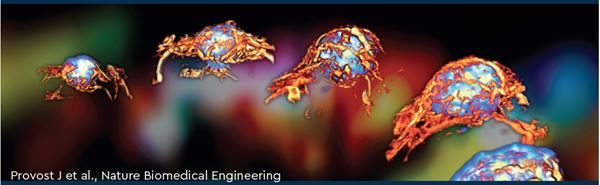
The rapidly-developing medical imaging field could well have found a novel technique in which multiple facets of a living being can be observed in real time and non-invasively. Teams from the Langevin Institute (ESPCI Paris – PSL University / CNRS), the biomedical ultrasound Technology Research Accelerator (Inserm A.R.T.) and the Paris-Cardiovascular Research Center (Inserm / Paris Descartes University) have developed a new medical imaging instrument which combines positron emission tomography – Pet-scan* – with ultrafast ultrasound imaging. Named PETRUS, the acronym of Positron Emission Tomography Registered Ultrafast Sonography, it has obtained 3D images in which organ anatomy, metabolism, function and even elasticity are perfectly superimposed. This research made the cover of the February 6 issue of Nature Biomedical Engineering.


The researchers were able to test their method using commercially-available instruments which were assembled without any major modifications. They imaged cancerous tumors in mice and cardiac activity in rats to test the synchronization of the two methods and the complementarity of the parameters observed.  With its ability to visualize several fundamental biological parameters simultaneously in the form of quantitative parametric maps, this new imaging reflects the complex topology of living beings with even greater finesse.

This totally non-invasive technique for observing living beings in real time offers many possibilities, such as to explore the link between the metabolism and the vasculature of organs like the heart, kidney or liver, or to track with greater precision the effect of new cancer treatments, characterize the aftermath of an infarction, etc. Developed in a preclinical setting, PETRUS represents a high-performance and clinically translatable technology for biomedical research.

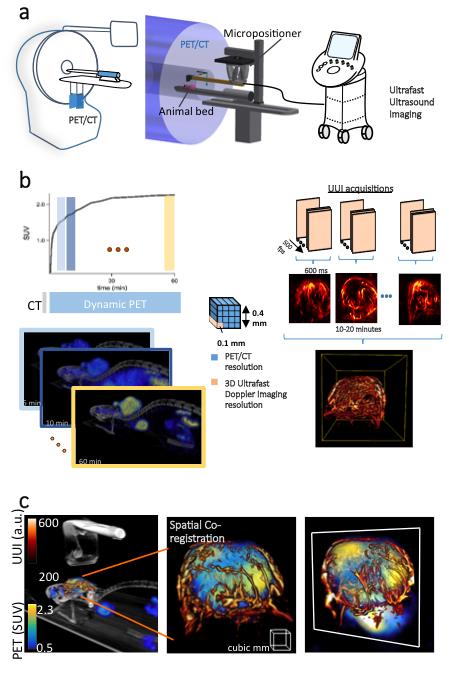
Figure 1: a: PETRUS combines positron emission tomography (PET), computed tomography and ultrafast ultrasound imaging. The three image volumes are correlated using a motorized micropositioner.b: on the left, glucose metabolism kinetics obtained by PET following fluorodeoxyglucose administration; on the right, Doppler 3D ultrafast imaging (500 images per second) showing tumor vasculature.c: imaging of a mouse showing the topography of the metabolic and vascular signals superimposed; on the left, oblique projection; at the center and on the right, enlarged 3D view and slice of a tumor.  The color scales shown on the left are the same for the three images. (Provost J et al., Nature Biomedical Engineering)

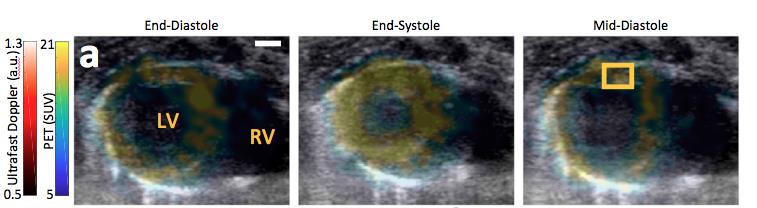
Figure 2: Closed-thorax PETRUS imaging of a beating rat heart in a short-axis view showing the cardiac anatomy by ultrafast ultrasound (in black and white) and the metabolic activity of the myocardium at end-diastole (left), end-systole (middle) and mid-diastole (right). Note the perfect overlay of the metabolic signal with the myocardial wall. Each image corresponds to the mean signal during one-tenth of a heart cycle.  Scale: 1 mm. (Provost J et al., Nature Biomedical Engineering)

*Positron Emission Tomography (Pet-Scan): 3D medical imaging used to visualize the metabolic or molecular activity of an organ, using the principle of scintigraphy.

Could the Biological Clock Be a Key Ally in the Fight Against Inflammatory Disease?

©Loic Djim – Unsplash

What if the symptoms and seriousness of certain inflammatory diseases were linked to time of day? Researchers from Inserm, Institut Pasteur de Lille and Université de Lille[1] have been working on this hypothesis, after noting that the seriousness and mortality associated with fulminant hepatitis were dependent on the time at which the disease was induced. Their study, conducted on human cells and mice, shows that the anti-inflammatory action of a biological clock protein could prevent the onset of fulminant hepatitis, by alleviating symptoms and increasing survival rates.

This research has been published in Gastroenterology.


Fulminant hepatitis is a serious disease which leads to rapid deterioration of tissue and liver function in the patient, associated with blood coagulation disorders and irreparable brain damage. Although fulminant hepatitis can be caused by different factors, overdose with medications containing acetaminophen continues to be the main cause of the disease. Accumulation of acetaminophen in the body can cause cellular stress, which gives rise to an abnormal immune system response. This is expressed by excessive inflammation, which destroys hepatocytes and the liver. Until now, no specific treatment for fulminant hepatitis has been identified, and the only solution is liver transplant within 24 hours following onset of symptoms. Researchers from Inserm, Institut Pasteur de Lille and Université de Lille are focusing on the mechanisms underlying inflammation specifically in fulminant hepatitis, with a view to identifying potential avenues of treatment.


Starting from the observation that immune functions vary during the day, the researchers examined a biological clock protein called Rev-erbα and its potential role in regulating inflammation in fulminant hepatitis. This protein notably targets adipose tissue, together with liver, skeletal muscle and brain cells. It plays a major role in developing and regulating their circadian rhythm, i.e. the repetition of their biological cycle every 24 hours.


This new research, conducted on human immune system cells and on mice, showed that the inflammation also follows a circadian rhythm.

The researchers also observed that injecting a molecule potentiating the action of Rev-erbα reduced the inflammatory response which causes hepatocyte death in fulminant hepatitis. Mice having received the Rev-erbα-activating treatment demonstrated less severe forms of the disease, together with a higher survival rate.

As the same results were observed in vitro on human cells, these data indicate new avenues to be explored with a view to potentially developing a treatment for acute fulminant hepatitis or able to slow the progression of symptoms in patients awaiting transplantation.


Fulminant hepatitis is not the only disease involving the circadian molecular mechanism inhibited by Rev-erbα. Other diseases such as peritonitis, diabetes or even atherosclerosis display a similar imbalance in the inflammatory response due to the abnormal accumulation of toxins in the body. Inserm researcher Hélène Duez affirms that: “the results of this study could open up new prospects in preventing these diseases. They also offer new avenues for researchers, notably in terms of potential improvements in quality of life and longevity among patients suffering from chronic inflammatory disease.”

[1] Joint Research Unit 1011 nuclear receptors, cardiovascular diseases and diabetes (Inserm, Institut Pasteur de Lille, Université de Lille)

Beware of Sustained Ibuprofen Use in Men

©ustas – stock.adobe.com

A recent study conducted by Inserm researchers within Irset[1] has shown that sustained ibuprofen use in young male athletes induces a hormonal imbalance known as “compensated hypogonadism”, usually observed in elderly males. This situation arises due to the negative effects of ibuprofen on testosterone production, and on the production of two other testicular hormones. These results have been published in Proceedings of the National Academy of Sciences.

Ibuprofen, which can be purchased without a prescription, is one of the most widely used medications in the population. This anti-inflammatory analgesic is mainly used for headache, toothache, chronic pain, influenza, fever, and certain rheumatic disorders. Furthermore, numerous studies have shown that vast quantities of ibuprofen are used by athletes, often as self-medication or when pressured by their professional circle. Conducted by Inserm researchers that have already demonstrated the potential harmful effects of aspirin and acetaminophen on adult human testicles[2] and those of ibuprofen on testicular development during pregnancy[3], and supported by colleagues from Rennes University Hospital, David Møberg Kristensen and his Danish colleagues, and researchers from LABERCA in Nantes, this new study brings together, in an unprecedented manner:

– A clinical trial involving 31 volunteer male athletes aged 18 to 35 years, half of whom take ibuprofen;

– Cultures of fragments of human testicles having been exposed to ibuprofen and taken from specimens related to therapeutic procedures or organ donation;

– And cultures of an immortalized human cell line.

The conclusions of the clinical trial show that levels of one pituitary hormone, luteinizing hormone (LH), rise strongly in men exposed to ibuprofen. This hormone plays a key role in controlling testosterone production. This increase has been shown to result from direct negative effects of ibuprofen on the expression of genes coding for several enzymes responsible for steroidogenesis, responsible for testosterone production.

Furthermore, ex vivo and in vitro studies have highlighted direct effects on testosterone production. Ibuprofen has been shown to inhibit a hormone produced by Sertoli cells – inhibin B – which is responsible for regulating follicle-stimulating hormone (FSH).

Moreover, the production of anti-Müllerian hormone by Sertoli cells is also inhibited, both in volunteers exposed to ibuprofen, and in the cultures of human testicle fragments.

Lastly, ibuprofen suppresses testicular prostaglandin production in ex vivo and in vitro tests.

Overall, this study shows that prolonged intake of high-dose ibuprofen (1,200 mg/day for 6 weeks) gives rise to severe endocrine disruptor effects in young males, leading to a condition known as “compensated hypogonadism”. This condition, usually observed in approximately 10% of elderly males, is generally associated with increased risks in terms of reproductive health, as well as general health.

According to Bernard Jégou, Inserm research director and research director at the EHESP French School of Public Health, who is the coordinator of this study, and joint lead author Christèle Desdoits-Lethimonier, research engineer at Université de Rennes 1, the conclusions of this research should require serious consideration: “there are male subpopulations who continuously take ibuprofen, namely men not suffering from chronic disease, such as high-level athletes. If compensated hypogonadism develops, they run the risk of increasing the hazards already associated with this medicinal product, impairing their physical condition (muscles and bones), and potentially jeopardizing their reproductive and even mental health”.

[1]  Irset: Research Institute for Environmental and Occupational Health

[2] Albert O, Desdoits-Lethimonier C, Lesne L, Legrand A, Guille F, Bensalah K, Dejucq-Rainsford N, Jegou B (2013) Paracetamol, aspirin and indomethacin display endocrine disrupting properties in the adult human testis in vitro. Hum Reprod 28(7):1890–1898.

[3] https://presse.inserm.fr/attention-a-la-prise-dibuprofene-pendant-la-grossesse/27524/

A new therapeutic target in allergic asthma

©Adobe Fotolia

Vincent Sauzeau, Inserm researcher and his team located at the Nantes Thorax Institute[1] (Inserm, CNRS, University of Nantes, Nantes University Hospital) have recently discovered the major role played by the Rac1 protein in the development of bronchial hyperresponsiveness associated with allergic asthma. Researchers will use this new therapeutic target to reduce bronchoconstriction and pulmonary inflammation in patients. This article has been published in The Journal of Allergy and Clinical Immunology.

Allergic asthma is a major public health problem, which currently affects 8 to 10% of the global population. It represents 70% of the various types of asthma, and is responsible for more than 250,000 deaths per year. Asthma attacks are triggered by an allergen, which induces excessive contraction of muscle cells in the bronchial wall (bronchial hyperresponsiveness). This reduces the diameter of the bronchi and causes breathing difficulties in the patient (sense of suffocation, shortness of breath, cough, wheezing, etc.).

Vincent Sauzeau, Inserm researcher and his team have recently evidenced the essential role played by the Rac1 protein in bronchial muscle contraction and bronchial hyperresponsiveness associated with allergic asthma, making Rac1 a new therapeutic target in allergic asthma.

A promising avenue for treating patients

The researchers used a dust-mite sensitized asthmatic mouse model to imitate the human disease, in order to determine the role of Rac1 in bronchial hyperresponsiveness. They noted that inhalation of a Rac1 inhibitor prevents bronchial hyperresponsiveness in this allergic asthmatic mouse model. Furthermore, bronchial inflammation and the infiltration of certain white blood cells into the lungs (which promote bronchial hyperresponsiveness in allergic asthma) are also reduced by long-term administration of the Rac1 inhibitor. The research team observed a 70 to 80% reduction in bronchial contraction due to Rac1 inhibition, on bronchial samples taken from lung transplant patients.

“Blocking the activity of Rac1 made it possible to both limit bronchial contraction during an asthma attack, and also to reduce local inflammation during maintenance therapy,” clarifies Vincent Sauzeau, Inserm researcher leading these studies. The inhibitors used in these studies are research instruments, which can only be used in a laboratory setting. Hence, the researchers are currently developing new molecules for clinical applications.

This research team, in partnership with the Pulmonology Department at the Thorax Institute based at Nantes University Hospital has recently obtained funding to verify the relationship between bronchial hyperresponsiveness and abnormal Rac1 activation in the bronchi in patients suffering from allergic asthma. “If this relationship is confirmed, this will validate the significance of developing a new Rac1 inhibitor for therapeutic purposes in humans. It would then be administered by inhalation, for a targeted action in the bronchi,” concludes Vincent Sauzeau. At present, 5 to 10% of patients suffering from allergic asthma do not gain any relief from standard anti-inflammatory and bronchodilator treatments. Rac1 inhibitors could offer new therapeutic solutions.

[1] (https://www.umr1087.univ-nantes.fr/)

One Step Closer to Restoring Respiratory Function in Cystic Fibrosis?

© Fotolia

A new study by Olivier Tabary and his colleagues at the Saint-Antoine Research Center (Inserm Unit 938/Université Pierre et Marie Curie (UPMC), Sorbonne Universities) has revealed a new mechanism that makes it possible to restore the functioning of a cell channel found particularly in the lung mucosa of cystic fibrosis patients. This transfer, usually operated by the CFTR protein, is deficient in patients with cystic fibrosis and known for forming the basis of the disease. The findings, published in Nature Communications, open up the possibility of a therapy that would enable sufferers to recover their respiratory function.

Cystic fibrosis is a serious illness which affects digestive and pulmonary function, and affects 1 in every 4,500 newborns on average. Thanks to progress made by research, life expectancy has increased from a mere 5 years in 1960 to around 40, at present. This genetic disease is related to the deficiency of an extremely unstable gene, located on chromosome 7 which encodes a protein known as the cystic fibrosis transmembrane conductance regulator (CFTR). To date, over 2,000 mutations in this gene have been identified, making therapeutic approaches complicated.

Present in cell membranes of various mucous membranes (digestive system, lungs, etc.), the CFTR protein works as a channel transporting chloride ions into and out of cells. When the protein is deficient (following the mutation of the coding gene), the channel ceases to function. In the lungs, this brings about cycles of chronic infection and inflammation leading to the destruction of the pulmonary epithelium. The person will then present symptoms of cystic fibrosis.

Since the discovery in 1989 of the CFTR gene implicated in cystic fibrosis and the underlying genetic mechanisms, researchers have continued to further knowledge and propose new therapies. Nevertheless, these therapies have only been used in a small proportion of patients up until now, and with relatively weak effects. In 2008, the Anoctamin-1 (ANO1) chloride channel was identified for the first time. Given the deficiency of the CFTR protein in cystic fibrosis patients, the ANO1 channel was proposed as a therapeutic target for restoring chloride efflux.

 In a recent study published in Nature Communications and conducted by Olivier Tabary (Inserm Unit 938 Saint-Antoine Research Center), the researchers describe a regulation mechanism revealing the inhibitory effect of a microRNA (mirR-9) on the ANO1 channel.

With a therapeutic objective in mind, the team of researchers has succeeded in preventing miR9 from binding to ANO1 – thanks to the synthesis of a nucleic acid sequence. This makes it possible to stop microRNA inhibition of the chloride channel and restore its function.

 “Using this technique, we were able to restore chloride efflux, tissue distribution and mucociliary clearance in the cell lines of mice and cystic fibrosis patient cell cultures. These are all important parameters in the disease’s progression. Such a strategy would ultimately make it possible to target all patients with cystic fibrosis, regardless of their gene mutation, and correct major parameters in the development its pathophysiology,”  explains Tabary.

Further reading: Dossier d’information sur la mucoviscidose (in French)

Efficacy of online nutritional coaching in patients with type 2 diabetes and abdominal obesity

©Fotolia

A study coordinated by Dr. Boris Hansel and Prof. Ronan Roussel, from the Diabetes-Endocrinology and Nutrition Department at Hôpital Bichat – Claude-Bernard, AP-HP and the Cordeliers Research Center (Inserm/Pierre and Marie Curie University, Paris Diderot, Paris Descartes University) shows that online nutritional coaching -an automated nutritional support program- improves dietary habits and glycemic control in patients with type 2 diabetes and abdominal obesity.

These results were published in the Journal of Medical Internet Research, JMIR on November 8, 2017.


Several nutritional coaching offers (personal support) have appeared on the internet in recent years, particularly in France. Whether a passing craze or a genuine revolution in nutritional management methods, online coaching is emerging as part of the treatment of chronic disorders. It is now being tested in certain hospitals, such as Hôpital Bichat-Claude Bernard, AP-HP, in order to achieve online support practically comparable to face-to-face contact.

Eating a balanced diet and taking appropriate regular physical exercise are the basis for treating type 2 diabetes and excess weight. However, for many diabetics, these recommendations are difficult to apply in the long term due to the lack of specific guidance in determining where efforts should be focused. While online support tools have been shown, in certain cases, to be effective, no French studies have tested online nutritional coaching to date, particularly for diabetes and/or abdominal obesity, in terms of reducing calorie intake and increasing physical exercise, resulting in weight loss similar to that achieved through hospital follow-up.

The research team tested a fully automated online coaching tool: the “Accompagnement Nutritionnel de l’Obésité et du Diabète par E-coaching – ANODE” [Diabetes and Obesity Nutritional Support Coaching] program developed by MXS. This program combines an electronic nutritional assessment and patient support in terms of diet and physical exercise. The researchers analyzed the utility of this program in patients with type 2 diabetes in a bicenter randomized trial.

The ANODE study was opened to 120 male or female volunteers, aged 18 to 75 years, with type 2 diabetes and overweight, particularly in the abdominal area, and having internet access.

Two groups were created: an investigational group benefiting from the ANODE automated online coaching program, and a control group receiving standard nutrition advice over a four month period.

The researchers monitored the changes in a diet quality score out of 100 (Diet Quality Index-International, calculated with a dietary diary over 3 days) between Study 1 (D-20 to D-2) and Study 2 (D100 to D118). At the same time, they measured the changes in “HbA1c or glycosylated hemoglobin”, i.e., hemoglobin which is chemically bound to glucose, cardiovascular risk factors, and physical aptitude (direct measurement of VO2max).

The two groups were comparable at baseline: 67% of females aged 57 years, with a BMI of 33 and diet index of 53.4/100 on average.

The results show that the diet index increased significantly in the online coaching group (+5.25 points) relative to the control group (-1.83) on average. The changes in food intake were more favorable in this group, with a reduction in fat, saturated fat, sodium and “empty calories” (calories provided by low-nutrient-dense foods).

Patient weight, waist measurement, and HbA1c also showed a more favorable reduction with this program. At least 5% weight loss is observed in 26% and 4% of subjects in the online coaching and control groups, respectively. The changes in plasma lipids and blood pressure are similar between the groups, and VO2max showed an identical increase in the two groups.

In conclusion, the online coaching program improved nutritional habits and glycemic control in patients with type 2 diabetes, in 16 weeks. It achieved its objective by significantly reducing weight and waist measurement. This program, which is adapted to patients, also has the advantage of being inexpensive as it is fully automated. These results thus encourage the development of online nutritional coaching in the follow-up of patients with type 2 diabetes.

The team is expected to initiate a national study on a larger scale next spring, over a one-year period, with an optimized connected health program. From January 2018, the AP-HP/Paris-Diderot University research team will be offering training in connected health, as part of the university diploma “Multidisciplinary practical training in connected health”.

Probiotic Bacteria Produces Potent Analgesic

©Fotolia

The intestinal microbiota still has surprises in store. The mode of action of a probiotic bacteria used in the symptomatic treatment of pain in irritable bowel syndrome has been revealed in a new study conducted by scientists from Inserm, Université de Toulouse and CHU de Toulouse [1] within the Digestive Health Research Institute (Inserm/INRA/Université Toulouse III – Paul Sabatier, ENVT). The bacteria produces a neurotransmitter (GABA) which, when bound to a lipid, crosses the intestinal barrier, acts on the sensory neurons located in the stomach, and reduces visceral pain. This new class of molecule, combining lipoprotein and GABA, could be used as a painkiller.

This research was published in Nature Communication.


Irritable bowel syndrome is a chronic disease characterized by abdominal pain associated with functional bowel disorders. This is a highly incapacitating disease which drastically reduces patient quality of life. Patients are powerless when faced with this syndrome, as no truly effective treatment exists for this disorder which affects 5% of the French population.

The probiotic bacteria Escherichia coli Nissle 1917[2], discovered during the First World War, was recently used as an orally administered alternative therapy for irritable bowel syndrome. Treatment with probiotics has become a popular trend given the “natural” characteristics of these products, and their supposed lack of toxicity. It is nonetheless essential to understand the molecular bases of their therapeutic properties. Research in this field examines and questions the origin of the bacterial factors behind these probiotic activities, and the validity of their use.

The scientists developed a project aiming to characterize the probiotic activity of the E. coli Nissle 1917 strain from this perspective. Their research shows that this bacteria produces GABA (gamma-aminobutyric acid) bound to an amino acid and a fatty acid. Together, these three molecules form a lipopeptide. GABA, the main nervous system inhibitory neurotransmitter, is then able to cross the intestinal barrier after the bacteria has bound it to this fatty acid. It can then bind to its receptor in order to diminish the activation of sensory neurons, and thus reduce pain. However, GABA cannot cross the intestinal barrier on its own (without its fatty acid).

Once the lipopeptide was identified and characterized, initial studies were first conducted on cultured murine sensory neurons. Exposing these neurons to capsaicin (the active substance of chili peppers) increased calcium flow, which is characteristic of the neurons’ hypersensitivity, compared to the control neurons. These changes in calcium flow are not observed in these neurons when they are pretreated by adding synthetic lipopeptide to the culture medium.

These studies were then conducted on mice. Electrodes placed on the animals were able to measure the intensity of abdominal contractions characteristic of pain (equivalent to stomach cramps in man). Once they ingested the synthetic lipopeptide, the abdominal contractions in the hypersensitive mice then became equivalent to those observed in the control mice.

This study has made it possible to file a patent for a new class of molecules that can be used as analgesics. “As these do not modify intestinal motility or physiology, we also hope that they will generate fewer side effects than morphine, for example. This should evidently be validated by future therapeutic trials,” states Nicolas Cenac.

This discovery demonstrates the importance of having a better understanding of the modes of action of the probiotics currently in use, and the therapeutic potential of lipopeptides produced by the intestinal microbiota.

Inserm Transfert has filed a patent application for this research.


[1] A team of physiopathologists and a team of bacteriologists from the Toulouse Digestive Health Research Institute (IRSD) (Inserm/INRA/Université Toulouse III – Paul Sabatier, ENVT) and teams of chemists from the Institute of Biomolecules Max Mousseron in Montpelier and the Metatoul network in Toulouse


[2] Named after the German physician Alfred Nissle who isolated this strain from a stool sample obtained from a soldier in the First World War, who was the only member of his unit that did not get dysentery.

How do arteries protect themselves from atherosclerosis?

Associated with an aging population and the development of metabolic syndrome, atherosclerosis is a leading cause of death worldwide. Researchers from Inserm Unit 970, the “Paris Cardiovascular Research Center” (Inserm/Université Paris Descartes), have succeeded in revealing the mechanisms underlying the formation of atherosclerotic plaques. In particular, they have discovered the protective role of autophagy, a mechanism for cleaning and recycling cell components, in the cells that line the inner artery wall. These results, published in PNAS on September 25, 2017, provide us with an improved understanding of the initial stages of plaque development, and open up the possibility of developing a preventive treatment.

Atherosclerosis is a cardiovascular disease characterized by the build-up of plaque primarily made up of lipids (atheroma) on the inner artery wall. While some of these plaques remain stable, others erode or break apart with dramatic consequences for the patient, including heart attack or stroke.

The risk factors for cardiovascular disease are multiple and include diabetes, obesity, smoking, and hypertension. Although these factors are general, atherosclerotic plaques primarily develop in very specific areas of the circulatory system: the arterial bifurcations and curvatures. These areas are subject to low frictional forces from the flowing blood. In contrast, areas of the arteries exposed to higher frictional forces are protected from atherosclerosis. The mechanisms involved in this protective role of the frictional forces on the development of atherosclerosis remain poorly understood.

A recent study led by Chantal Boulanger and Pierre-Emmanuel Rautou from Inserm Unit 970, the “Paris Cardiovascular Research Center”, has filled this gap in our knowledge of atherosclerosis. Their research has shown the key role played by endothelial autophagy, i.e. the ability of the cells lining the inner wall of the arteries to break down and recycle their own components.

Autophagy is an intracellular process through which the cell breaks down part of its cytoplasm (the contents of the cell between the membrane and the nucleus) in response to stress or a lack of nutrients. The research team observed that the friction exerted by the blood strongly stimulates autophagy on the surface of the arterial wall. This phenomenon enables the endothelial cells to maintain a healthy physiological state, and prevents the development of atherosclerosis by protecting them from cell death, senescence, and inflammation.

The researchers then blocked the mechanism of autophagy on the surface of the arterial wall and observed increased plaque formation in the arterial areas usually protected from the development of atherosclerosis. Endothelial autophagy thus represents the previously missing link between atherosclerosis and the forces exerted by the flowing blood.

These results prove that inhibiting autophagy is not beneficial in the case of atherosclerosis. Specific stimulation of autophagy, on the other hand, could enable us to prevent the formation of atheroma and thus reduce the risk of heart attack and stroke, which are major public health challenges, ” concludes Chantal Boulanger.

fermer