Menu

Cycle « Santé en questions » citizen conferences: the next meetings

Since 2012, to promote dialogue between science and society, Inserm and Universcience has offered « Santé en questions », an annual cycle of citizen conferences. The aim is to provide information about advances in life sciences and healthcare research, but also to allow the public to tell their story and talk to the speakers. These conferences are chaired by a journalist and held by link up between the Cité des Sciences et de l’Industrie in Paris and a regional partner site. The filmed conferences are available on the Internet and summarised in a booklet sent to politicians and distributed with the latest edition of the French magazine La Recherche.


On Twitter: follow LT via #ConfSanT and ask your questions at @InsermLive @indesciences @ConfCitePalais

On Facebook, find all the details on the pages for Conf Palais de la découverte and Cité des sciences

Programme
« Allergies: Spring is here again! »
Thursday 14 April 2016, from 7pm to 8.30pm
A link-up between the Cité des Sciences et de l’Industrie in Paris
And the Bachut Mediacentre in Lyon

Respiratory allergies affected more than 20% of the French population in 2015 and are ranked in fourth place among world diseases. Exposure to allergens has been intensifying over the last ten years, particularly with the effects of climate change. How do allergenic substances act? How to protect yourself against them? What can you do in your house?

Speakers

At the Paris site:
Jocelyne Just, head of the paediatric allergies department at Trousseau Hospital, AP-HP, whose research work particularly covers events in early life and the development of allergic and respiratory diseases. Her team is also interested in the impact of atmospheric pollution on allergic and respiratory diseases.

Jean-François Nicolas, dermatologist, director of the Inserm team ‘Immunology of skin allergy and vaccination’ at the Lyon International Infectiology Research Centre. Its research has demonstrated that inflammatory skin diseases are the consequence of the failure of immune tolerance towards allergens.
Contact: rf.mresni.noyl-ivrec@salocin /+33 (0)4 37 28 23 48

Sophie Rigard, policy officer to Bernard Jomier, Deputy Mayor of Paris responsible for healthcare, disability and relations with the Paris public hospitals (AP-HP).

At the Lyon site:
Guillaume Faburel, lecturer in urban studies at Lyon 2 University / UMR Triangle, LabEx ‘Intelligence of urban worlds’, whose work relates to sustainable towns, participative projects, environmental injustices and new urban social support structures.

The next three conferences

« Sport: what limits for the body? » – Thursday 22 September 2016, from 7pm to 8.30pm
A link-up between the Cité des Sciences et de l’Industrie in Paris and the Lyon Musée des Confluences
Sport is good for health. But top-level sportsmen and women often perform to the limits of their bodies. How can research help them? Definition of rules for progression, studies on motor function and balance, understanding brain processes in sports performance: nothing is ignored, for them and for all of us.

« Vaccines: why do they cause fear? » – Thursday 13 October 2016, from 7pm to 8.30pm
A link-up between the Cité des Sciences et de l’Industrie in Paris and the Montbéliard Pavillon des Sciences
More and more French people opposed to vaccines, undoubtedly due to a lack of information and misunderstanding of side effects. What actually are they? What is the mode of action of these unusual medicines? What is the collective challenge of vaccination? What is the future for vaccines?

« Predicting brain diseases: what precautions? » – Thursday 3 November, from 7pm to 8.30pm
A link-up between the Cité des Sciences et de l’Industrie in Paris and the Marseille Bibliothèque de l’Alcazar
The goal of predictive medicine is to treat illnesses before they appear. Thus, strokes, anorexia and neurodegenerative diseases are the focus of research into a genetic diagnosis. But how do you live with the knowledge of this potential risk of illness? What risk of discrimination are we running based on our genetic heritage?

The conference is open to all and admission is free, however we recommended registering to attend at: rf.ecneicsrevinu@secnerefnoc

Conferences in the « Santé en questions » cycle are organised in partnership with:

Bibliothèque de l’Alcazar, Bibliothèques Municipales de Marseille, Casden, Cerveau & Psycho, Indésciences, La Recherche, Paris City Hall, Bachut Mediacentre, Musée des Confluences, Pavillon des Sciences de Montbéliard, Pour la science, Pourquoi docteur, Sciences et Avenir, City of Lyon
Reuters Ranking: CEA, CNRS and Inserm in the Top 10 worldwide research institutions for innovation

The ranking compiled by Thomson Reuters covers the “25 public institutions that contribute most to scientific and technological advancement worldwide” according to Reuters. The CEA is topping the list of worldwide organisations, with CNRS in 5th place and Inserm in 10th place.


This ranking is based on the integration of data regarding intellectual property; the number of patents and publications stored in the Thomson Reuters database platforms over the last 8 years.

The first 25 listed public organisations are ranked according to 10 criteria, including: the total number of identified publications, the percentage of publications containing at least one co-author affiliated with a private entity, the volume of WIPO-registered patents, the patent success rate (rate of application), the patent registration percentage covering the US, Europe and Japan, or the patent citation rate (Patent Citation Index).

Note: the Fraunhofer (Germany) is ranked 2nd, the Japan Science and Technology Agency is 3rd, and Health & Human Services (HHS), a subsidiary of the American NIH and CDC in charge of industrial property matters, is in 4th place.

A similar ranking of universities was published by Reuters last year.

According to CEA Chairman Daniel Verwaerde, “this result acknowledges CEA’s efforts to validate the outcome of its research and the international recognition it has today. The impact of our patents is clearly evident in the industrial and commercial field, as well as the professionalism of the teams in charge of managing intellectual property. ”

This unique, international and professional ranking shows how innovation and transmission are at the heart of French research, with performances that contradict the preconceived notions communicated throughout France”, states Alain Fuchs, Chairman of CNRS.

According to Yves Lévy, Chairman and CEO of Inserm “this ranking perfectly illustrates the ongoing dynamic of innovation within national organisations. Inserm’s ranking, along with its subsidiary Inserm-Transfert, once again confirms its position as a global leader in the sector of health innovation”.

For further information: click here

Action on Zika virus: In partnership with Brazil and the French Departments in the Americas, French research teams are taking action

Yves Lévy, President of Aviesan, the French National Alliance for Life Sciences and Health, met with his partners on 18 February 2016, at the headquarters of the French National Institute of Health and Medical Research (Inserm), to deal with the research issues raised by the emergence and spread of the Zika virus. The French Ministries of Research, Health and Foreign Affairs were represented, together with ANSM (French National Agency for Medicines and Health Products Safety), InVS (French Institute for Public Health Surveillance) and EFS (French National Blood Service).

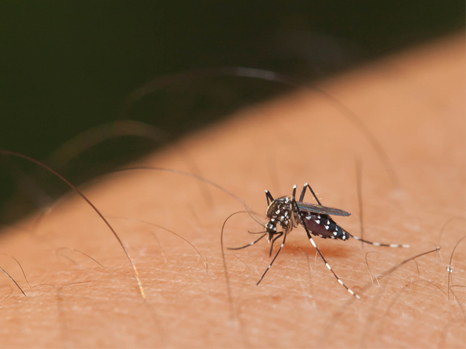
PhotoCP Zika

(c) Fotolia

During this meeting, the researchers from the various research institutions, particularly Inserm, Institut Pasteur and the Institute for Development Research (IRD) presented the current state of scientific knowledge on Zika, this emerging virus of the arbovirus group (which includes dengue virus, yellow fever virus and the West Nile virus), known since 1946, which is currently present in some thirty countries in South America, Central America, in the Caribbean islands and the French Departments in the Americas, following its detection in Brazil in May 2015.

The main research projects already underway, or due to begin in France and in the French Departments in the Americas, were presented and discussed between the various assembled specialists—epidemiologists, entomologists, infectious disease specialists, virologists, and specialists in human and social sciences.

With the experience obtained in the recent chikungunya and Ebola epidemics, the REACTing[1] network once again allows us to demonstrate that French research is capable of reacting to emergencies quickly and in a coordinated manner,” says Yves Lévy, President of Aviesan and Chairman and CEO of Inserm.

“The objective of this meeting was to bring together the research strengths present in metropolitan France, in the French Departments in the Americas, and in Réunion Island, in order to very rapidly draw up relevant research programmes capable of responding to the many issues raised by the Zika epidemic,” says Jean-François Delfraissy, Director of the Multi-Organisation Thematic Institute for Immunology, Inflammation, Infectiology and Microbiology (I3M). “The study of possible partnerships with Brazil was also on the agenda.”

Among the priority issues for research, we can mention the relationship between Zika infection during pregnancy and the occurrence of microcephaly in newborns, the study of the Zika virus’s neurotropism, with its potential clinical implications, modelling of the virus and its spatial conformation, methods for controlling Aedes mosquitoes, the vector for the virus, their behaviour and geographic distribution, and the development of sensitive and specific diagnostic tests to detect Zika virus infection.

Clinical studies have already begun in Guadeloupe, French Guiana and Martinique:

– Observational studies, launched in January 2016, on the consequences of Zika virus infection in pregnancy during the epidemic. They should enable the monitoring of 5,000 pregnant women in Guadeloupe, French Guiana and Martinique, with the support of the Clinical Investigation Centre under the aegis of Inserm.

– Expansion of a pre-existing cohort for the study of endemic and emerging arboviral diseases in the French Antilles and in French Guiana, in children and adults affected by acute or asymptomatic infections, will enable closer study of the natural course of the disease and the relationships between the clinical phenotype and some immuno-virological parameters.

“The entire complement of internationally recognised French research teams, mobilised and coordinated by REACTing since October 2015, is now ready to advance even more rapidly, alongside the best European teams and in association with Brazil, the main country affected,” predicts Yazdan Yazdanpanah.


The REACTing network

In June 2013, the Multi-Organisation Thematic Institute for Immunology, Inflammation, Infectiology and Microbiology (I3M) created a network called REACTing (REsearch and ACTion targeting emerging infectious diseases) in order to:

  • improve research planning during periods between crises: governance, preparation of research tools, identification of research priorities, application for funding, and ethical and legal aspects;
  • fund and establish research projects during periods of epidemic crisis: coordination, strategic priorities, methodological assistance, and informing the authorities and general public.

This network is organised around a steering committee of some fifteen human health specialists, and relies on an 8-member scientific committee and methodological centres located in the North (F. Mentré, Bichat University Hospital) and in the South (A. Fontanet, Institut Pasteur). REACTing does not target any particular disease, and may intervene in all infectious emergencies, particularly those of zoonotic origin. Its scope of action is broad, from basic research to the human and social sciences, favouring a cross-disciplinary approach.

The REACTing system has made it possible to mobilise French research teams for the chikungunya epidemic in the Antilles, and for Ebola as soon as the first cases were notified. In October 2014, it was reinforced by the establishment of a specific interministerial arrangement coordinated by Prof. Jean-François Delfraissy, the “Ebola task-force,” for managing actions to control the virus by pursuing three main objectives: (i) control and eradication of the epidemic; (ii) management of other public health emergencies unrelated to Ebola; (iii) anticipation of coming crises.

[1]  REACTing stands for REsearch and ACTion targeting emerging infectious disease. See box on following page

The launch of a European Alliance dedicated to accelerating new concepts in HIV Vaccine research

The European Commission has granted over 22 million Euros to the European HIV Vaccine Alliance (EHVA) to develop a multidisciplinary platform to evaluate novel preventive and therapeutic vaccines. The grant is supplemented with additional 6 million Euros from the Swiss government for the Swiss project partners.

EHVA, a partnership initiated by Prof. Yves Lévy, CEO of the French Institute of Health and Medical Research (INSERM) and Prof. Giuseppe Pantaleo, Executive Director of Swiss Vaccine Research Institute from Lausanne University Hospital (CHUV), brings together 39 industrial and academic partners from Europe, the US and Africa, with multidisciplinary expertise and state-of-the art technologies.

HIV remains a major global health challenge with 37 million people living with HIV, and over 2 million new infections every year. Numerous biomedical HIV prevention strategies (such as PrEP and PEP), though proven successful, are difficult to sustain long-term. A vaccine still represents the most effective public health tool in combating HIV/AIDS.

EHVA aims to develop several innovative HIV vaccine concepts in both prophylactic and therapeutic settings. The prophylactic vaccine strategy focuses on developing novel vaccine candidates and vaccination regimens able to enhance protective antibody responses, while the therapeutic vaccine approach will study ways that will contribute to developing a functional cure by combining vaccines with other immunological interventions. Building on the tremendous wealth of experience the HIV research field has gained in the past decades, EHVA will develop a robust process that facilitates the selection and development of promising vaccine candidates, from discovery and manufacturing through to early clinical trials. EHVA will also engage with industrial experts and liaise closely with leading African scientists and the European and Developing Countries Clinical Trials Partnership (EDCTP) with a view to testing future vaccines in Sub-Saharan Africa.

Professor Yves Lévy, Coordinator of EHVA said, “Beyond the scientific excellence of the different teams involved in this very ambitious project, EHVA will structure HIV vaccine Research in Europe via its 39-partner alliance pooling their expertise and know-how around an ambitious 5-year work plan. We are very grateful for the financial support provided by the European Commission and the Swiss government that will enable us to implement this workplan”.

Professor Giuseppe Pantaleo, Scientific Co-coordinator of EHVA said, “EHVA represents a significant boost for the HIV vaccine research in Europe. It not only gives us the opportunity to accelerate the development of a number of novel vaccine candidates, but more importantly it enables us to develop tools for better understanding of the human immune responses to vaccines and how that is associated with vaccine efficacy, and therewith to help to down-select promising vaccine candidates in the future.”

Dr Ruxandra Draghia-Akli, Director of the Health Directorate at the Directorate-General for Research and Innovation of the European Commission said: ” EU funded research offers a triple win: it promotes European scientific excellence and global collaborations, helps to develop novel prophylactic and therapeutic vaccine candidates and enhances European competitiveness. The Commission is pleased to support the EHVA project as part as its efforts to overcome the hurdles of vaccine development and to reach the goal of an AIDS-free world.”

EHVA is a 5-year project (starting January 2016) funded by the European Union’s Horizon 2020 Research and Innovation Programme under the grant agreement no. 681032.

Pier-Vincenzo Piazza receives the Inserm Grand Prix 2015

On 8 December next, at Collège de France, the Inserm Prizes for 2015 will be awarded to eight outstanding researchers and research engineers. The Inserm Grand Prix 2015 will be awarded to Pier-Vincenzo Piazza, in recognition for his body of work on the physiopathology of psychiatric illnesses, in the presence of Marisol Touraine, Minister of Social Affairs and Health, Thierry Mandon, Secretary of State for Higher Education and Research, Professor Yves Lévy, Chairman and Chief Executive Officer of Inserm, and Jean-Yves Le Déaut, Member of Parliament and President of the Parliamentary Office for Scientific and Technological Assessment (Opecst).

Caroussel PV Piazza


© Inserm / Patrick Delapierre

Pier-Vincenzo Piazza, Inserm Grand Prix

The Inserm Grand Prix is awarded to Pier-Vincenzo Piazza, Inserm Research Director and Director of Inserm Unit 862, “Neurocentre Magendie,” for his body of research on the physiopathology of psychiatric illnesses. Both a physician and psychiatrist, Pier-Vincenzo Piazza has devoted himself to experimental psychiatric research in order to develop new treatments for mental disorders.

He was the first to demonstrate the existence of individual vulnerability to addiction, thus proposing the basis for the physiopathology of addiction.

He recently identified a mechanism that can naturally protect the brain from the harmful effects of cannabis in animals, something that has enabled him and his team to reveal a new class of pharmacological agents and to select the first candidate drug, AEF0117. This drug, which will be tested in clinical trials in 2016, is able to inhibit the behavioural effects of THC. This discovery paves the way for potential treatments for cannabis addiction.


Peter Piot, International Prize

The International Prize is awarded to Peter Piot, a physician specialising in microbiology and former Director of Onusida, in recognition for his body of research on deadly viruses. He jointly discovered Ebola virus in 1976, and has actively worked to combat HIV. As Director of the London School of Hygiene and Tropical Medicine, he is currently involved in researching a vaccine for Ebola virus.


Étienne-Émile Baulieu, Honorary Prize

The Honorary Prize distinguishes Professor Étienne-Émile Baulieu, researcher at Inserm Unit “Steroids, Neuroprotection and Neuroregeneration” (Inserm Unit 1195), for his work on steroid hormones. Recognised throughout the world for having discovered DHEA secretion by the adrenal glands and for having invented the abortion pill, he is currently working on an approach to Alzheimer’s disease.


The Opecst-Inserm Prize is awarded to José-Alain Sahel, ophthalmologist, founder and Director of The Vision Institute (Inserm Unit 968), a pioneer of artificial retina research and regenerative eye treatments.

The Research Prizes are awarded to Caroline Robert, physician and Codirector of the Melanoma Research Team at Inserm Unit 981, for her work on melanoma, and to Archana Singh-Manoux, Inserm Research Director at the “Center for Research in Epidemiology and Population Health” (Inserm Unit 1018), in recognition for her studies on cognitive ageing.

This year, Innovation Prizes honour René Ferrera, an Inserm research engineer at the CarMeN Laboratory (Inserm Unit 1060), whose achievements include the development of new techniques for the protection and evaluation of myocardial viability, and Claire Lissalde, a research engineer and head of Inserm’s audiovisual service (Department of Scientific Information and Communication), for her original work in science outreach.

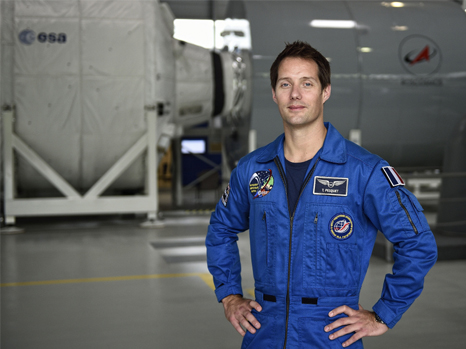
Inserm goes into space with Thomas Pesquet

In one year’s time, French ESA astronaut Thomas Pesquet will take off for the International Space Station (ISS), on board which he will conduct scientific experiments prepared by researchers from Inserm. The scientific and technical programme for this ESA (European Space Agency) mission includes significant participation by France, managed by CNES (National Centre for Space Studies). Research projects from 3 Inserm laboratories will be conducted in orbit. Their purpose will be to study the effects of space on bone density, blood pressure and sleep. Data collected before, during and after the 6-month mission will be analysed by the researchers back on earth to obtain a better understanding of the related pathologies.

 PhotoCP web Thomas Pesquet

© Inserm/Delapierre Patrick

To find out more about the experiments to be conducted by Thomas Pesquet, read the complete file prepared by Inserm’s magazine:

Espace – L’Inserm en orbite (Space – Inserm in orbit) (Science&Santé No. 27, only in French)

Listen to the interview with Thomas Pesquet conducted on behalf of Inserm at the Paris Airshow (a coproduction of Inserm/CNES):

For your information, Inserm, a scientific partner of the flight operated by ESA, is holding a citizens’ conference, which will be attended by the researchers involved and Claudie Haigneré:

Conquête spatiale et innovation médicale (Conquest of space and medical innovation): 26 November, 7:00-8:30 pm Cité des sciences et de l’industrie de Paris, Museum de Toulouse (simultaneous production, as part of Futurapolis)

Follow on @InsermLive

3 Inserm laboratories involved in 4 experiments:

  • Inserm Unit 1075, “Mobilities: Attention, Orientation and Chronobiology” (Caen)

The research team will study space sickness and its relationship with travel sickness. Technologically, the laboratory is working with the Bodycap company on miniaturised actigraph and temperature sensors, and the corresponding analytical software. These sensors will be loaded into a smart vest which will be worn by Thomas Pesquet.

Pierre Denise

Inserm Unit 1075, “Mobilities: Attention, Orientation and Chronobiology” (Caen)

+33 (0)2 31 06 81 32

rf.neacinu@esined.erreip


  • Inserm Unit 1059, “Integrative Biology of Bone Tissue” (St Etienne)

– This laboratory will study changes to bone due to space flight, and recovery on returning to earth.

– A second experiment, conducted in vitro, will be aimed at understanding why in space, bone marrow precursor cells differentiate into adipocytes at the expense of osteocytes, the main cause of reduced bone formation and hence of bone loss.

Laurence Vico

Inserm Unit 1059, “Integrative Biology of Bone Tissue”

+33 (0)4 77 42 18 57

rf.enneite-ts-vinu@ociv


  • Inserm Unit 970, “PARCC (Paris Cardiovascular Research Center)” – “Physiopathology, pharmacology and imaging of arteries” team (Paris)

Space flights are good models for the study of accelerated ageing, in that some preliminary data indicate that arterial stiffness may increase by an equivalent of approximately 10 years during short space flights. Changes related to microgravity will be studied with the help of specially developed flexible sensors (in collaboration with ESIEE Paris and the ESYCOM laboratory

Pierre Boutouyrie
Inserm Unit 970 PARCC
+33 (0)1 56 09 39 66
rf.phpa.pge@eiryuotuob.erreip

Inserm at COP21

Because of its impacts—those already perceptible and those expected during this century—climate change is also an issue for researchers in the life and health sciences. Inserm is contributing to COP21 by holding scientific symposia and conferences for the general public. From 30 November to 11 December, while the 21st Session of the Conference of the Parties to the United Nations Framework Convention on Climate Change (COP21/CMP11) is being held in Paris, Inserm will be hosting the following events:


Le Bourget – “Climate Generation” Village / Wednesday 2 December, 2:55–3:50 pm
A conference as part of the programme for the Research Day, entitled “Qualité de l’air: quelle prévention du risque sanitaire?” (Air quality: how do we prevent the risk to health?), with Robert Barouki (Inserm) Augustin Collette (INERIS) and Robert Vautard (CNRS/CEA)

Grand Palais (Paris) from Friday 4 to Thursday 10 DecemberSolutions COP21 Exhibition
Space, “La Recherche se Mobilise pour le Climat” (Research Rallying for Climate Action), hosted by the Ministry of Higher Education and Research and 15 research organisations

Thematic Area on Health

A TV panel on Thursday 10 December at 2:00 pm on the subject of “Air quality: how do we prevent the risk to health?” with Isabella Annesi-Maesano (Inserm) Augustin Collette (INERIS) and Robert Vautard (CNRS/CEA)

Contributions from Inserm experts and facilitators: Rémy Slama, Chantal Raherison, Isabella Annesi-Maesano, Shamila Nair-Bedouelle, Robert Barouki, Grégoire Rey and Michèle Garlatti

Inserm Climate and Health Exhibition: Slide presentation
See the exhibition booklet, which can be consulted online (only in French)


Open to the public from 12:00 noon to 6:00 pm on weekdays, and from 10:00 am to 8:00 pm on Saturday and Sunday

Press accreditation

Radioactive sources discovered at the University of Bordeaux

Inserm is paying close attention to the level 2 incident, declared on 21 October 2015 by the French Nuclear Safety Authority (ASN), which occurred in a joint Inserm/University of Bordeaux laboratory.

Inserm notes that the University will implement measures requested by ASN for which it is responsible as the owner of the premises. Inserm will give the University its complete support.

For Inserm’s part, two staff members who were exposed have been examined by the preventive medicine service. Following medical tests, the individuals in question have been allowed return to work, and will be monitored regularly.

Inserm—a partner in World Arthritis Day: “Together Against Arthritis!”

On 12 October 2015, World Arthritis Day, a Research and Information Day, “Together against Arthritis” will be held at Espace Charenton, Paris, under the patronage of Mr François Hollande, President of France.Orthopde

©Fotolia

Arthritis and musculoskeletal conditions affect 24% of the European population, and are the leading cause of disability after the age of 40. Research is therefore more than ever the major issue of the day. In many countries, this day will be an opportunity for researchers, patients and journalists to update their knowledge on the technological innovations and new scientific approaches that will enable better management of these conditions.

In Paris, in the 12th Arrondissement, Espace Charenton (from 8:30 am to 5:00 pm) will host researchers, who will present their latest work, and patients, for whom exchange and information sessions are planned. They will thus be able to learn directly from the source, from the researchers and rheumatologists present.

The highlight of the day, and open to all, will be the midday debate, “Comment réduire la mortalité et la morbidité des rhumatismes?” (How do we reduce illness and mortality from arthritis?), facilitated by Mathieu Vidard, a journalist with France Inter radio station.

Speakers for the day include:

Bruno Bonaz, Inserm Unit 836, “Grenoble Institute of Neuroscience (GIN),” will present a session on the potential use of vagus nerve stimulation, which has already proved effective in Crohn’s disease, in rheumatoid arthritis.

Claudia Montero-Menei, Inserm Unit 1066, “Bio-Inspired Micro- and Nanomedicines,” will present her research on microcarriers for repairing muscular and skeletal tissues.

Pascal Richette, Inserm Unit 1132, “Bone and Cartilage Biology: Regulation and Therapeutic Targeting,” will speak about gout and the metabolic diseases associated with it.

Finally, Karine Louati will answer the question, “Arthritis: why does it cause fatigue?”

To find out more, register for free and consult the programme, visit the website:https://ecr-2015.sciencesconf.org/

This national event is supported by Inserm, AVIESAN (National Alliance for Life Sciences and Health), the French Society for Rheumatology, the Courtin Arthritis Foundation (the first private foundation dedicated to supporting arthritis research in France), SOFMER (French Physical Medicine and Rehabilitation Society), CRI (Rheumatism and Inflammation Club), GRIO (Osteoporosis Research and Information Group), and many patient associations.

Inserm’s Associations, Research and Society mission contributed to organising this day

To develop dialogue and partnership between researchers and associations, Inserm has put in place a dual scheme which has operated since 2004: a think tank, the Patients’ Association Liaison Group (GRAM), and an operational structure, the Associations, Research and Society mission.

To follow new programmes, such as training seminars, thematic discussion meetings, laboratory open days etc. or schemes to facilitate interaction between researchers and associations, consult the website:

https://www.inserm.fr/associations-de-malades

Inserm International Prize 2008, Nobel Prize in Chemistry 2015

Inserm is pleased to have awarded its 2008 International Prize to Tomas Lindahl, who was today awarded the 2015 Nobel Prize in Chemistry.


On Wednesday, the Nobel Prize in Chemistry was awarded to Sweden’s Tomas Lindahl, American Paul Modrich, and Turkish-American Aziz Sancar, whose work on the role of cells in the repair of damaged DNA is finding applications in cancer treatments.

These three researchers, who studied the “cell’s toolbox,” received the award for their “study of DNA repair” following damage by ultraviolet radiation, for example, explained the Swedish jury.


In 2008, Inserm awarded a prize to Tomas Lindahl, former Director of Clare Hall Laboratories at Cancer Research UK. In this British establishment, Tomas and his team are constructing a map of the DNA repair mechanisms that enable the molecule to “defend itself” against carcinogenic elements. In particular, they have shown that the DNA molecule is more fragile than was thought. Tomas Lindahl demonstrated the action of DNA glycosylase, involved in the first phase of the repair process known as “base excision repair,” which removes the nitrogenous base from the damaged part of the DNA, thus releasing a sugar/phosphate structure which, when recognised by a specific enzyme, can then be repaired.

They also discovered another form of DNA repair, which employs AlkB enzymes and other DNA dioxygenases to remove alkylation damage.

Research by his group also focuses on the more medical issue of why some patients’ cells become resistant to chemo- or radiotherapy.In 2008, he stated, “It is always an honour to be recognised by one’s peers. When I received the letter from Inserm informing me of this news, I was delighted to be distinguished by my French colleagues.”

Yves Lévy, Chairman and CEO of Inserm, is pleased to see “an Inserm laureate being awarded the highest international scientific distinction. Today the mechanisms of DNA repair are one of the foundations of research in the life sciences and health.”

Inserm will present its Grand Prix 2015 and International Prize on 8 December next at a ceremony in Collège de France

One of the ADN repair mecanism explained by video

Signature of a Franco-Japonese research agreement

On the occasion of Prime Minister Valls’ visit and the launch of the France-Japan Year of Innovation, Inserm signs a research partnership with St Luke’s International University to combat Ebola virus.

In the presence of French Prime Minister Manuel Valls and Japanese Prime Minister Shinzō Abe, Finance Minister Emmanuel Macron and Secretary of State for Research Thierry Mandon, Inserm and St Luke’s International University have just signed a research agreement on combating Ebola virus

This agreement concerns the development of the antiviral drug Favipiravir for the treatment of Ebola infection. This antiviral drug, initially developed by Toyama Chemical, part of the Fujifilm Group, was evaluated by Inserm under a partnership agreement with the Japanese company and the Guinean authorities during the recent Ebola epidemic in Guinea. The promising results led the Guinean authorities to allow access of Ebola patients to this treatment.

In order to continue research on this drug with a view to developing a treatment, Inserm and St Luke’s International University, designated as operator by the relevant Japanese authorities, have concluded an agreement focusing mainly on preclinical research. The total sum allocated under this collaboration is approximately €1 million for the Japanese part, to fund research conducted by Inserm, particularly in its Inserm/Jean Mérieux high-level containment laboratory in Lyon.

Following joint statements from the French and Japanese Prime Ministers, Prof. Yves Lévy, Chairman and CEO of Inserm, and Prof. Tsuguya Fukui, President of St Luke’s International University, welcomed this French-Japanese collaboration.

Prof. Lévy stated: “The agreement that has just been signed will allow Inserm to make further advances in combating Ebola by establishing the optimal dose of Favipiravir for broad protection of populations threatened by the virus. This is a vital contribution to the excellent research on Ebola conducted in Inserm’s laboratories.”

fermer