Menu

A study demonstrates the possibility of changing the behaviour of the gaze by transcranial magnetic stimulation

A study financed by the Assistance Publique-Hôpitaux de Paris[1] has been conducted under the direction of Monica Zilbovicius[2] in the Inserm Unit 1000 on a particular region of the brain, the superior temporal sulcus (STS), influencing perception and behaviour of the gaze. This work has shown that transcranial magnetic stimulation (non-invasive and painless) of the STS can selectively and transiently inhibit the subject’s gaze into the eyes of the person speaking to them. Published in the journal Cerebral Cortex, it offers new therapeutic prospects for autistic patients precisely presenting anatomical and functional differences of the superior temporal sulcus.
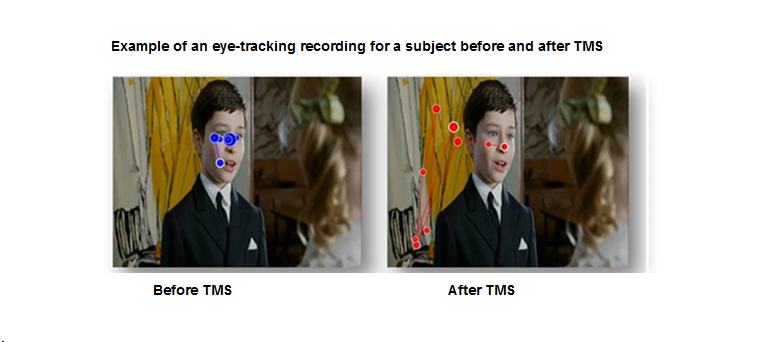
eye tracking

(c) Monica Zilbovicius / Inserm

It is commonly admitted that the gaze plays an essential role in social interactions. At a very young age, human beings look others in the eye, because information from the eyes allows us to guess their intentions and feelings. In the brain, many studies highlight the importance of a specific region of the brain, the superior temporal sulcus (STS), in perception and behaviour of the gaze. However, to date, no experimental data has demonstrated a possible modification of the gaze by artificial modulation of a neural network.

Work conducted by Inserm Unit 1000, financed by AP-HP, has confirmed that ad hoc intervention in the STS was able to have an impact on the behaviour of the gaze. The researchers used transcranial magnetic stimulation (TMS): this method consists of applying a non-invasive and painless magnetic impulse to the brain through the skull, in order to study changes of gaze caused by inhibition of the STS by TMS, using oculometry (‘eye-tracking’). They showed 15 subjects films of actors and recorded the way they looked at these films before and after inhibition of the STS. In this way the researchers observed a significant distancing from the gaze of control subjects relative to the eyes of the actors, compared to the base measurement (cf. pictures). Inhibition of the superior temporal sulcus therefore selectively and transiently disrupts the movement of the subject’s gaze into the eyes of another subject.

These results offer new therapeutic prospects for autistic patients. In fact, many brain imaging studies have revealed the presence of anatomical and functional differences of the STS in this type of patient not displaying a marked preference of other people’s eyes.

For Prof Monica Zilbovicius, “given that TMS can be applied so as to inhibit or stimulate a certain brain area, stimulating the STS using TMS could cause an increase in gazing into the eyes. This is an avenue we will explore during the next stage of our research”.

[1] French Hospital clinical research programme (PHRC)

[2] Inserm Unit 1000, Paediatric Radiology Department, Necker Hospital for Sick Children, AP-HP

1st case of acute myelitis in a patient infected with Zika virus

A first case of acute myelitis following infection with Zika virus has been reported for the first time by a research team from Inserm Unit 1127 Brain and Spinal Cord Institute (Inserm/CNRS/Sorbonne University) and neurologists at Pointe-à-Pitre University Hospital and the University of the Antilles. A young patient in the acute phase of an infection by Zika virus presented motor deficiency in the 4 limbs, associated with very intense pain and acute urinary retention. The presence of the virus was confirmed in the cerebrospinal fluid, blood and urine.
This case was the subject of a Case report published in The Lancet on 3 March 2016.

PhotoCP Zika

(c) Fotolia

In January 2016, a 15-year old girl was admitted to the Pointe-à-Pitre University Hospital in Guadeloupe, with left-side hemiplegia. The girl showed urinary retention on her second day in hospital. The left-side hemiplegia and pain became worse and the doctors recorded a loss of sensation in the legs.

The researchers detected high concentrations of Zika virus in the serum and cerebrospinal fluid on the second day after admission (9 days after the symptoms began). Tests for shingles, chickenpox, herpes virus, legionellosis and mycoplasma pneumonia were negative.

The patient was treated with methylprednisolone (1 g), an anti-inflammatory drug, from the first day and daily for 5 days. Seven days after admission, her neurological condition had improved. At present, the patient is still in hospital but she is out of danger. She has signs of moderate weakness in both legs but is walking unaided again.

For the researchers, “this case strengths the hypothesis regarding the neurotropic nature of the Zika virus. It highlights the existence of neurological complications in the acute phase of the infection, while Guillain Barré syndromes are post-infectious complications. Furthermore, this is a single case. Future studies will be needed.”

Alzheimer’s disease: a new immunotherapy approach?

A study conducted on mice by researchers at Inserm and UPMC (Pierre and Marie Curie University) offers a new type of immunotherapy approach for treating Alzheimer’s disease. This involves amplifying a specific population of T lymphocytes that regulate immune and neuroinflammatory mechanisms that develop during the disease.

These results are published in the journal Brain.

PhotoCP web Alzheimer

(c) Fotolia

A new immunotherapy strategy for treating Alzheimer’s disease. This may be validated by the new work carried out by the Inserm team “Immune System, Neuroinflammation and Neurodegenerative Diseases” at UMRS 938 “Saint-Antoine Research Centre” (Inserm/UPMC) in Paris. In recent years, a body of substantive work has enabled the start of gaining further insight into complex immune and neuroinflammatory mechanisms associated with Alzheimer’s disease. The Inserm team at the Saint-Antoine Research Centre offers further proof of concept on the efficacy of innovative immunotherapy strategy in mice that is based on an immunomodulation approach.

Researchers have shown, in earlier work with mice, that a specific population of T lymphocytes, known as T regulators (or Treg), modulated specific Ab peptide T lymphocytes that accumulate in the brains of sick people. “Treg cells may act in different ways to modulate T lymphocyte response in general. However, there are other aspects of neuroinflammatory reactions observed in this type of disease”, states Guillaume Dorothée, Inserm Research Fellow in charge of this study. As such, researchers chose to evaluate the effect of Treg cells on disease progression using a mouse model.

Interleukin-2: Therapeutic Strategy

To do this, they either depleted or amplified Treg cells at the early stage of the disease. They found that a Treg deficiency accelerated the onset of cognitive disorders and was associated with a decrease in the presence of microglial cells in deposits of Ab peptide.

“Additional studies seem to suggest a change in the functional profile of these inflammatory cells that are chronically activated during the disease which would have a rather beneficial role early in the disease process”, according to the researcher.

By contrast, prolonged Treg amplification using low doses of interleukin-2 injected intraperitoneally increases the microglial cell response and delays the onset of memory impairment.

This immunomodulation approach involving the injection of low doses of interleukin-2, already tested in some bone marrow transplant clinical protocols and for type 1 diabetes, now seems to be a new therapeutic strategy for Alzheimer’s disease. Researchers are already planning a pilot clinical trial in humans and are also considering the possibility of modulating some specific sub-populations of T lymphocytes to refine the response.

Treating intestinal pain with bacteria

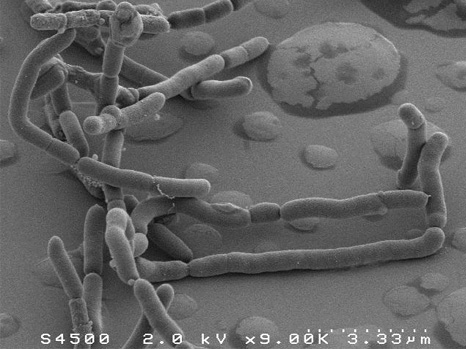
Faecalibacterium prausnitzii is an intestinal bacterium that is abundant in healthy adults but scarce in those suffering from inflammatory bowel disease. Using a mouse model, a team of scientists from INRA, INSERM, and the University of Auvergne has discovered that the bacterium possesses analgesic properties, a finding just published in Scientific Reports (January 18, 2016).Given that F. prausnitzii also exhibits anti-inflammatory effects, the bacterium shows great promise as a tool for improving human health and well-being.

PhotoCP web langella

Scanning electron micrograph of F. prausnitzii © MIMA 2 experimental facility, T. Meylheuc

Chronic abdominal pain is one of the most frequent symptoms experienced by patients suffering from intestinal diseases such as irritable bowel syndrome (IBS) or inflammatory bowel disease (IBD). In 2008, researchers at the INRA center in Jouy-en-Josas discovered that individuals with IBD had lower levels of the bacterium Faecalibacterium prausnitzii in their intestines and that F. prausnitzii exhibited anti-inflammatory effects.

The research team delved further into the phenomenon via a collaborative project carried out with other research teams from INRA, INSERM, and the University of Auvergne. Using a mouse model (an inbred line with colorectal hypersensitivity), they discovered that reduced F. prausnitzii abundance was associated with the occurrence of hypersensitivity. In humans, the latter can manifest itself via intestinal discomfort or abdominal pain. The researchers found that dosing the study animals with F. prausnitzii allowed them to recover normal levels of colonic sensitivity.

Based on these results and those of the 2008 study, it is reasonable to propose that F. prausnitzii could have both anti-inflammatory and analgesic properties in humans.

In individuals suffering from IBS or IBD, the reduction in F. prausnitzii abundance in the gut due to intestinal inflammation or chronic stress might act to exacerbate levels of inflammation and/or pain. To break this vicious circle, the researchers propose using nutritional supplements containing F. prausnitzii (i.e., probiotics) to restore “intestinal well-being.”
This research has not only added to our fundamental understanding of cellular microbiology but also has very practical implications for the medical industry.

An oxygen mask to prevent sequelae from stroke?

And if a simple oxygen mask were to protect people from neurological sequelae following an acute stroke? It would be sufficient to administer it to patients during the interval needed by medical teams to restore the blood supply, and hence oxygen, to the brain. At any rate, this is the hypothesis formulated by Jean-Claude Baron, Inserm Research Director at Unit 894, “Psychiatry and Neurosciences Research Center,” in collaboration with English and German researchers. Work done in animals so far shows that this very simple intervention almost completely prevents neuronal loss, and completely prevents sensorimotor deficits following a stroke.

Results of this work are published in Brain.

cerveau

(c) Fotolia

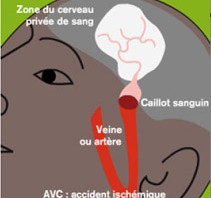
A cerebrovascular accident (CVA), commonly known as a stroke, corresponds to the blockage or rupture of a vessel carrying blood, and hence oxygen, to the brain. It is an absolute medical emergency, which requires calling the emergency medical services, SAMU (15), or the European emergency number (112) for immediate intervention.[1] Despite the spectacular development in the last 20 years of treatments for restoring blood circulation after acute blockage of a cerebral artery (the commonest form of stroke, known as “ischaemic stroke”), and hence restoring the oxygen supply to the brain as soon as possible after the onset of symptoms, stroke remains a major cause of disability. The most common and disabling sequelae are hemiplegia (paralysis of the left or right side of the body) and aphasia (impairment of spoken or written language, affecting expression and understanding.).

Although the current treatments often succeed in unblocking the vessels and saving the still-viable brain tissues, they cannot save tissues that are already damaged. Moreover, a tissue lacking oxygen, but still viable, becomes rapidly necrotic if blood circulation is not restored urgently. Furthermore, more minor types of stroke, such as transitory ischaemic attacks (TIA), are not indications for these treatments, because the circulation becomes re-established spontaneously, leading to good spontaneous recovery. However, these mini-strokes also cause brain damage. A major objective pursued by physicians and researchers is therefore, in all cases, to protect the still-viable tissue until it can be reperfused and hence reoxygenated.


The mouse model of stroke is considered a good representation of the clinical situation in humans. In this work, the research group led by Jean-Claude Baron tested the hypothesis that normobaric oxygen therapy (100% oxygen delivered by a simple face-mask) prevents the development of brain damage in a model mimicking stroke with early spontaneous reperfusion.

The researchers showed that this very simple treatment almost completely prevents neuronal loss and tissue inflammation in these animals, and completely prevents sensorimotor deficits following brain ischaemia.

For Jean-Claude Baron, Inserm Research Director and neurologist attached to Sainte-Anne Hospital: “This work is also highly valuable for its application to the human situation, as the treatment consists of a simple oxygen bottle and a light facial mask. This treatment would thus be very easy to implement in patients with stroke, as soon as they are being transported by ambulance.

It could also conceivably be started at home, prior to the arrival of the emergency services, in patients with a high risk of stroke, by providing minimal training to the patient and his/her spouse,” he adds.

If the clinical value of this easily implemented and inexpensive treatment is later proved by the appropriate randomised trials, it will be possible to both improve the efficacy of treatment and reduce brain damage following TIA/minor stroke, and thereby reduce disability.

[1] Source: inserm.fr

Defective connections throughout the brain involved in certain autistic disorders

Researchers at Neurocentre Magendie (Inserm/University of Bordeaux) have just shown how altered connections between cells of the nervous system are involved in fragile X syndrome, a cause of severe autistic spectrum disorders. Using MRI, Andreas Frick, Inserm Research Fellow, and his team have actually observed, in a mouse model of this syndrome, an alteration in the connections and communication between different areas of the brain. These new data are likely to explain certain symptoms of autistic spectrum disorders, such as hypersensitivity to sensory information and alterations in visual perception.
Details of this work are published in the 20 November 2015 issue of Science Advances.


Recent estimates from the US Center for Disease Control suggest that one child in 68 suffers from Autistic Spectrum Disorders (ASD). ASD are neurological disorders characterised by a spectrum of symptoms, including problems with social interaction and communication, abnormal processing of sensory information, and stereotypic repetitive behaviours.
It has long been suggested that the brain of individuals with autism shows different connections. However, there is still no consensus either in regard to a model for these differences, or a possible link between these differences and the symptoms expressed by people suffering from these disorders.
A theory is currently emerging among neuroscientists at international level that suggests that the brain of individuals with ASD is “hyper-connected” at local level, but that overall, the different areas of the cortex are functionally “disconnected” from one another. The local connections can “process” a specific type of information (some aspects of vision, for instance). Conversely, longer range connections allow the brain to integrate more complex information from parts of the brain that often deal with different aspects. This latter type of connection is therefore needed for fine perception and understanding of our external environment.

PhotoCP Frick

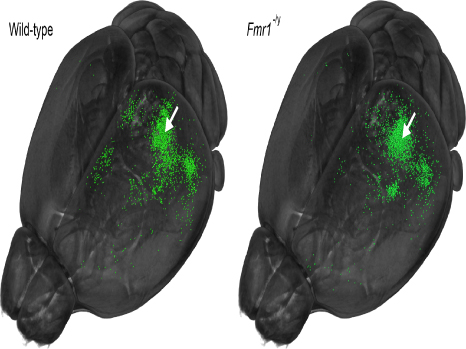
Reorganisation of local and long-range connections in a mouse model of autism (right) and a wild-type mouse (left)
Neurons that become fluorescently labelled (in green) following injection of a tracker dye into the primary visual cortex (white arrow) send projections to the visual cortex and are distributed throughout different regions of the brain. In the fragile X mouse model (Fmr1-/y), one can observe a high density of neurons in the visual cortex (local connections), but a reduced number of neurons at a distance from this region (long-range connections).

Figure taken from Haberl et al. Science Advances 20 November 2015; 10.1126/sciadv.1500775. This figure is licensed under CC BY-NC. Modification of Figure 2a from the publication (modified thresholding and viewing angle, and removal of red mark indicating the point of injection).


To study how the brain network is changed in ASD, Andreas Frick and his colleagues used a mouse model of fragile X syndrome (FXS, a neurodevelopmental disorder closely linked to autism). In 2014, this same team had observed, in these mice mimicking ASD and FXS, alterations in the manner of reacting with sensory information (especially information associated with touch), and described a mechanism explaining the neurobiological changes underlying this phenomenon .
In the present work, the researchers from Andreas Frick’s team (in collaboration with a Dutch team) used magnetic resonance imaging (MRI), a technique frequently used in humans, to better demonstrate the disruption of connections between the neurons. Indeed, their results show disorganisation of the nerve fibres of the corpus callosum of these mice. The corpus callosum contains nerve fibres that connect the neocortical areas to one another and to other regions of the brain.
“Together, the brain connections work like a motorway, enabling traffic to be distributed to different parts of a town, as well as to other towns and villages on the outside,” explains Andreas Frick. The researchers wanted to take a closer look at the role of neocortex, which processes visual information.
Overall, functional MRI indicated reduced communication between different areas of the brain.
All these results support the idea that local connections are increased in FXS/ASD, but that long-range connections are reduced. As a result, this work confirms the long-held assumptions (mentioned above), and also provides an explanation for some of the symptoms of ASD and FXS. For example, over-processing of local information and/or an inability to integrate information coming from multiple sources may explain altered sensory perception. Alterations in visual perception, characteristic of ASD, may be explained by over-processing of fine detail or structures at the expense of the overall picture.
“MRI techniques presented in our work are also routinely used in humans, and therefore constitute a method applicable to patients for measuring changes in connections,” explain the researchers. “Transposed to humans, our results could make it possible to change the manner of evaluating new therapeutic approaches for treating FXS and ASD, and to better understand the potential role of modified connections in other psychiatric or neurodevelopmental disorders,” they conclude.

A new neural circuit involved in the control of movement

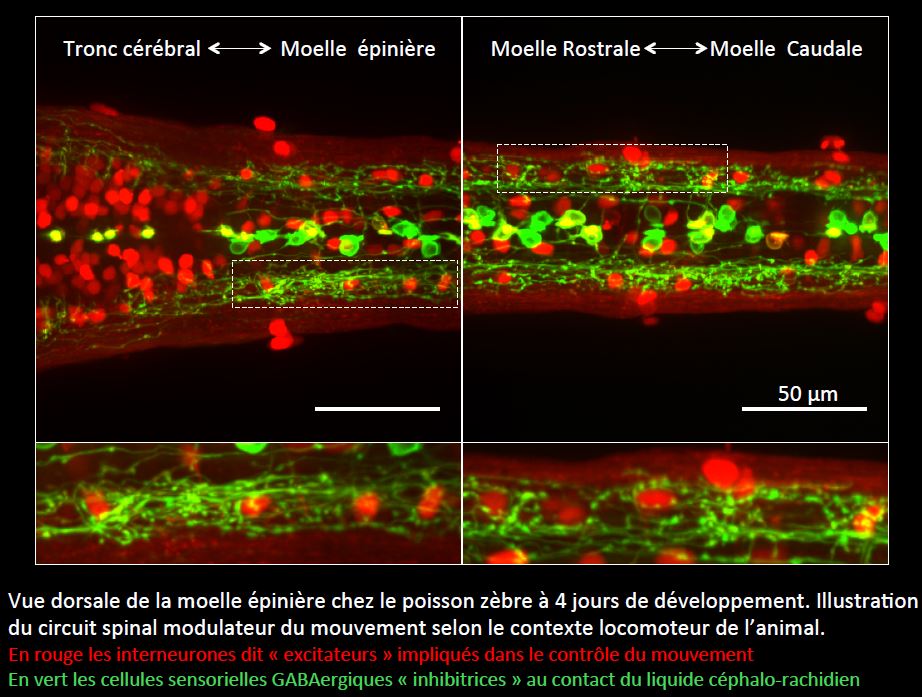
The team led by Claire Wyart, an Inserm researcher at the Brain and Spine Institute, has just demonstrated the ability of sensory neurons located in the spinal cord to modulate movement. In the zebrafish, the researchers have shown that activation of these neurons triggers locomotion when the animal is at rest, and inhibits it when the animal is moving. These results offer hope that it will one day be possible to specifically stimulate these circuits in order to generate movement in patients with spinal cord injuries. This work is published in Current Biology.

illustration

Spinal cord injuries lead to serious paralysis for which, to date, there is no treatment. When communication between the brain and spinal cord is interrupted, the brain can no longer control movements voluntarily. However, the spinal cord contains autonomous circuits that generate movement, and ensure that locomotion proceeds once the decision to move has been taken at brain level. This capacity for sustaining movement comes from the ability of the spinal locomotor network to generate electrical oscillations.

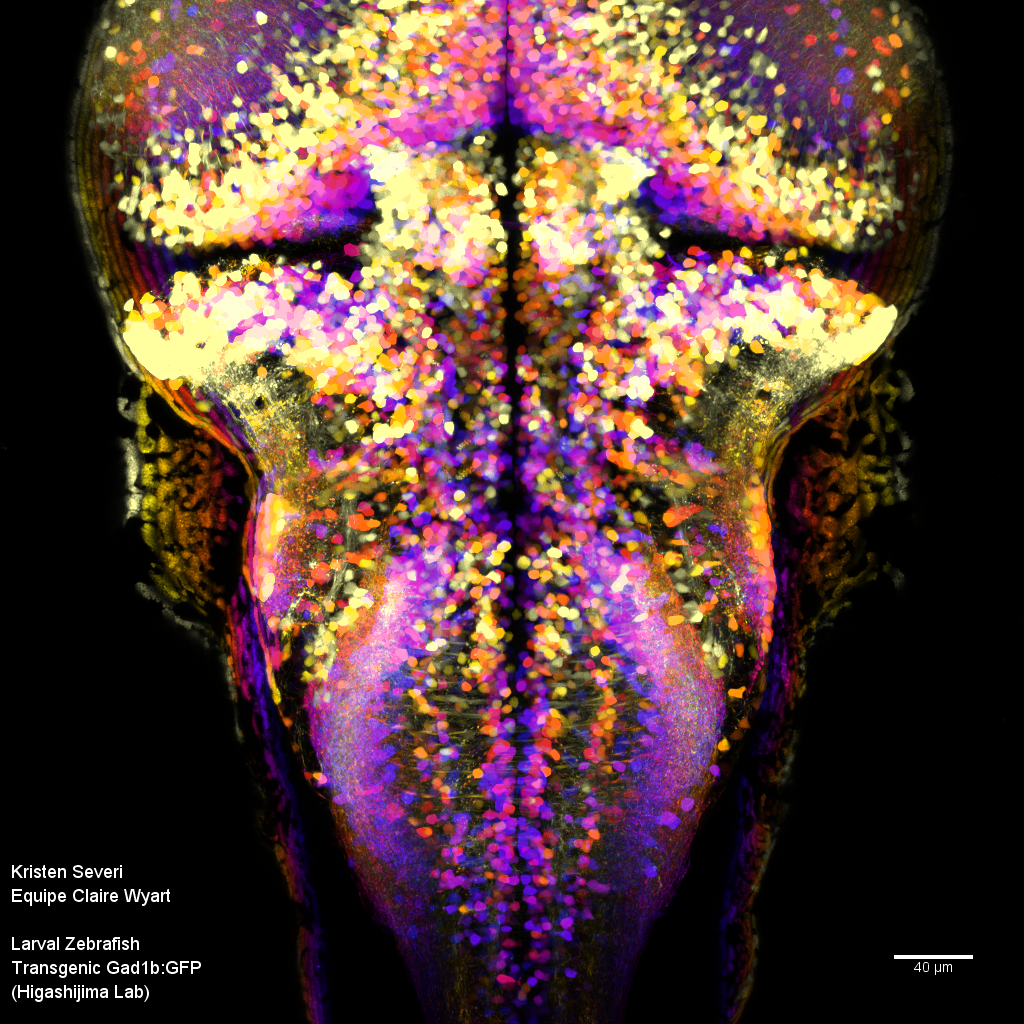
In order to understand the functioning and modulation of the spinal locomotor network, Claire Wyart’s team studies motor activity in the zebrafish. This transparent vertebrate species is particularly suited to optogenetics, an innovative technology that allows stimulation of target neurons using light. In this method, the stimulated neurons light up and are visible in the transparent animal.

The researchers exploited this technology to identify and understand the functioning of a new neural circuit involved in the control of movement. By activating the circuit at different times (animal at rest or moving), the researchers demonstrated connections that can generate the oscillations that allow the fish to move. The originality of this circuit is that it depends on the activity of sensory neurons, which, through a cascade effect, ultimately activate motor neurons.

Surprisingly, the researchers find that modulation of movement depends on the animal’s initial state. In fact, stimulation triggers movement when the animal is in a resting state, whereas it inhibits it when the animal is already swimming. “This modulation is complex, and will depend on the context,” explains Claire Wyart, the main author of this work.

In 2014, this same team had shown that this circuit is conserved among the different vertebrate species, particularly in primates. This original work in the zebrafish thus opens many avenues of research for understanding the modulation of the locomotor circuit in humans.

For the first time, a class of sensory neurons that can modulate the spinal locomotor network has been identified.

Although several points remain to be clarified, stimulation of the sensory pathways to activate the locomotor network that generates walking in humans represents hope in cases of spinal cord injury.

Fatty acids, essential for the nervous system… of the gut (as well)

How does a fatty acid deficiency explain Crohn’s disease?

Two Inserm research teams have just shown that failure of the intestine to produce a lipid “messenger” is associated with Crohn’s disease, a common and highly disabling inflammatory bowel disease (IBD). This messenger, derived from an essential fatty acid, regulates the permeability of the intestinal barrier, and could thus become a choice target in the management of IBD. These studies also throw fresh light on the role of the enteric glial cells. Like their counterparts in the central nervous system, for too long considered to play a “secondary role,” the intestinal glial cells are starting to “show their hand,” which is actually indispensable to intestinal homeostasis. Details of this work are published in Gastroenterology.

The enteric nervous system plays a central role in controlling the homeostasis of the digestive functions, such as motor function, and in controlling the functions of the intestinal epithelial barrier. This integrative nervous system, located along the entire length of the digestive tract, is made up of neurons and glial cells. Much remains to be discovered about the role of the enteric glial cells. A growing number of studies shows that they regulate, in a manner analogous to the astrocytes in the brain, the functions of the enteric neurons, as well as those of the intestinal epithelial barrier, such as the proliferation of epithelial cells, their migration and permeability (paracellular and transcellular), and repair processes. Glial cells regulate these functions by liberating different glial mediators, including certain lipid metabolites of n-6 polyunsaturated fatty acids (PUFA).

Otherwise, characterisation of enteric glial cell (EGC) involvement in diseases associated with dysfunctions of the intestinal barrier remains limited to description of the altered expression of glial markers. These dysfunctions in the intestinal barrier (increased permeability, failure in repair) are recognised as playing a possible key role in inflammatory bowel disease (IBD) by helping to trigger recurrences. Reducing these dysfunctions is also a likely mechanism of action of the biotherapies used in the management of IBD.

In this context, Malvyne Rolli Derkinderen and Michel Neunlist, researchers in the Inserm/Nantes University Joint Research Unit “Neuropathies of Enteric Nervous System and Digestive Diseases: Involvement of Enteric Glial Cells,” and their collaborators at the Toulouse Purpan Digestive Health Research Institute (IRSD) initially sought to characterise the production of lipid mediators derived from n-6 fatty acids in animal and human enteric glial cells. They then analysed the impact of the most abundantly produced PUFA metabolites on the functions of the intestinal epithelial barrier, and ultimately demonstrated that production of one of them was defective in patients with Crohn’s disease.

shema neunlist en

In green: under physiological conditions, the enteric glial cells produce lipid metabolites including 15-HETE, which strengthens the resistance of the intestinal epithelial barrier, and prevents entry of pathogens. In red: during Crohn’s disease, there is a deficiency in glial production of 15-HETE, which leads to an increase in the permeability of the barrier, and facilitates the entry of pathogens. This may contribute to disease recurrence or severity.

Thus the researchers showed that human (as well as rat) EGC are able to produce n-6 PUFA, especially 15-HETE, synthesised by 15-lipoxygenase-2. This 15-HETE strengthens the intestinal epithelial barrier, and reduces paracellular permeability in vivo and in vitro, particularly by increasing the expression of tight-junction molecules including zonula occludens-1. In EGC isolated from patients with Crohn’s disease, the researchers demonstrated defective production of 15-HETE, associated with a loss of ability of the EGC to control the permeability of the intestinal epithelial barrier.

This work therefore identifies n-6 PUFA as a source of metabolites with potentially beneficial effects on the functions of the intestinal epithelial barrier in IBD. For Camille Pochard and Sabrina Coquelorge, the two first authors,

“These results help to underscore the role of the glial cells in particular, and of the enteric nervous system in general, in the physiopathological processes involved in IBD, and to identify new targets of therapeutic interest.”

A first step in personalising stroke management

The team led by Didier Leys and Régis Bordet (UMR-S 1171, Lille 2 University, Inserm, Lille University Hospital) has identified a biomarker that makes it possible to predict the risk of haemorrhagic complications from thrombolytic treatment following a Cerebrovascular Accident (CVA or stroke). This new marker could guide medical decision-making in difficult cases, particularly in severely affected patients, and thus help to prevent the risk of haemorrhage from thrombolysis.

© Inserm, F. Koulikoff

During a stroke, thrombolysis is used to break up the clot obstructing an artery in the brain. For the last 15 years, this technique has been considered a major advance in the management of this condition. However, this treatment must be used within 4.5 hours of the onset of the stroke, if the benefit of relieving the blockage is not to be undone by the occurrence of intracerebral haemorrhage. This benefit/risk balance thus limits its use, because, according to current estimates, only 15% of patients are eligible for treatment. However, the clinical reality suggests that other patients might also benefit from thrombolysis, even if administered at a later time, without the risk of haemorrhage. Nonetheless, one still needs to be able to predict the risk of haemorrhagic complication, for a given patient, with the help of a marker.

The team led by Professors Leys and Bordet, which includes medical neurologists and pharmacologists, proposed that inflammation following stroke, and particularly interactions between the cells of the immune system and the vascular wall, might be responsible. They demonstrated the role of polymorphonuclear neutrophils, a type of cell involved in immune reactions, in the haemorrhagic effect of thrombolysis in the brains of animals, prior to testing the hypothesis in a cohort of 846 patients, comprising patients from Lille and from Finland.

The clinical results, which are published this week in the journal Neurology, show that a high concentration of polymorphonuclear neutrophils is associated with an increased risk of bleeding in the brain following thrombolysis, and a poorer prognosis at three months. By refining these results, the team of researchers in Lille revealed that the ratio of these neutrophils to another type of white blood cell, the lymphocytes, is even more predictive: a ratio greater than 4.8 is associated with a 4-fold higher risk.

This discovery should enable the launch of a clinical study to test the extension of the therapeutic window in patients with a ratio indicative of a lower risk, leading to personalised management guided by a simple biological marker, which can be measured routinely when the patient is admitted.

Understanding the mechanisms involved also offers an approach to preventing the risk of haemorrhage from thrombolysis by modulating the inflammatory cascade with drugs that are already on the market.

Should I stay or should I go? On the importance of aversive memories and the endogenous cannabinoid system

Memory is not a simple box of souvenirs; it is also, and most importantly, a safety system for organisms. With the help of negative memories, known as “aversive” memories, we can avoid a threat that we have already confronted. Researchers from Inserm and University of Bordeaux have just discovered that the cannabinoid receptors of the brain control these memories that are crucial for survival. This study is published in Neuron.Mouse

© Charlie Padgett

When confronted by danger, every individual has to make a crucial choice. This type of “simple” decision may determine his/her destiny: if the fire alarm goes off, we have learned to heed it and flee, and not to ignore it. In the same way, we avoid food and drinks that might have made us sick in the past.

The body is thus equipped with neurological mechanisms that help it to adjust its behaviour in response to a stimulus. Such is the case with aversive memories, a key survival process, which prepares the body to avoid these potential dangers effectively. These memories are accompanied by physiological responses (fright and flight) that enable one to get away from a dangerous situation.

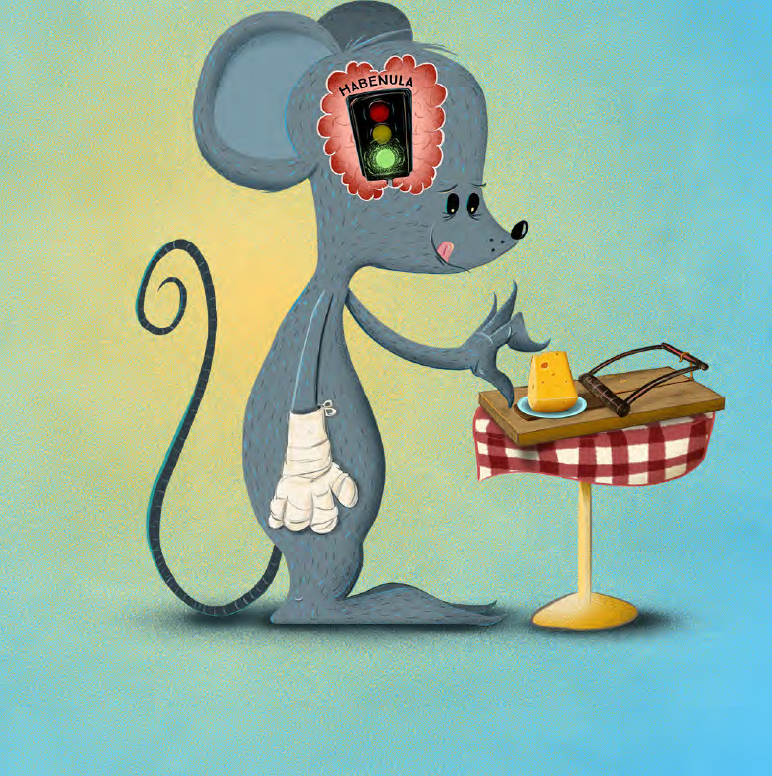
Although the role of the habenula, a central region of the brain, in this phenomenon has received a great deal of attention in recent years, the same is not true of the endogenous cannabinoid system of the habenular neurons, on which Giovanni Marsicano and his team (particularly Edgar Soria-Gomez) have focused. This system involves the type 1 cannabinoid receptors. These receptors, the activity of which is normally regulated by endocannabinoids – the body’s own molecules – are the target of the main psychoactive components of cannabis.

The researchers conditioned mice so that they reacted to certain danger signals (sounds or smells). When they exposed them to these signals, mice that were deficient in cannabinoid receptors in the habenula expressed neither the fear nor the repulsion observed in normal mice. Interestingly, this impaired reaction did not apply to neutral or positive memories, which remained unchanged in these mice.

At molecular level, the scientists observed that, although the functioning of the habenula normally involves two molecules (acetylcholine and glutamate), the defect observed in these mice is caused by an imbalance in neurotransmission involving only acetylcholine.

“These results demonstrate that the endogenous cannabinoid system in the habenula exclusively controls the expression of aversive memories, without influencing neutral or positive memories, and does so by selectively modulating acetylcholine in the neural circuits involved,” explains Giovanni Marsicano, Inserm Research Director.

The control of these particular memories is an integral part of diseases associated with the emotional process, such as depression, anxiety or drug addiction. As a consequence, the endogenous cannabinoid system of the habenula might represent a new therapeutic target in the management of these conditions.

A humanoid robot to liaise between space station crews

A team of French researchers from the Institut cellule souche et cerveau (Inserm/Université Claude Bernard Lyon 1), led by CNRS senior researcher Peter Ford Dominey, has developed “an autobiographical memory”[1] for the robot Nao, which enables it to pass on knowledge learnt from humans to other, less knowledgable humans. This technological progress could notably be used for operations on the International Space Station, where the robot, which is the only permanent member, would liaise between the different crews that change every six months in order to pass on information. These results will be presented at the 24th International Symposium on Robot and Human Interactive Communication, on September 3, 2015 in Kobe, Japan.

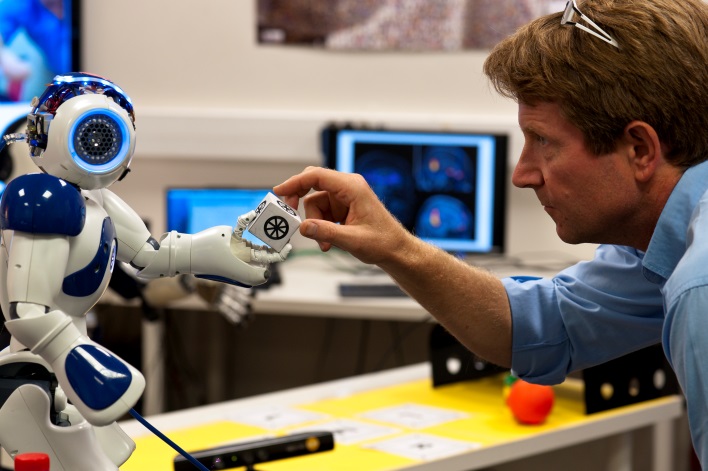
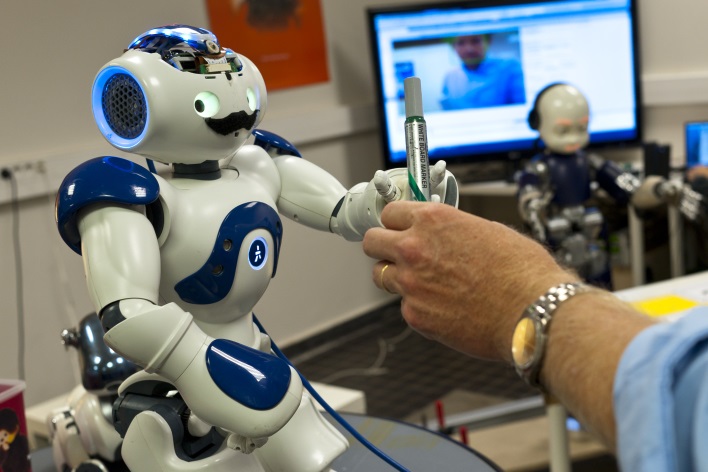
Human culture stems from knowledge acquired through society’s shared experience. Cultural transmission enables new members of society to quickly learn from this accumulated experience. In order for a robot to understand cooperative behavior, which is necessary for the cultural transmission of knowledge, researchers developed a system whereby a human agent can teach the Nao humanoid new actions through physical demonstration (by putting the robot’s members in the correct position), visual imitation (through the Kinect system), or voice command. These individual actions are then combined into procedures and stored in the robot’s autobiographical memory developed by researchers, thus enabling the robot to reproduce them for other human agents if needed.

Researchers set up this autobiographical memory system to meet the challenge of cooperation between humans and robots, which is becoming more and more of a reality in the field of space operations, with the humanoid Robonaut 2[2] now permanently flying aboard the International Space Station.

To test their system, the scientists imagined a scenario that could occur on the International Space Station. The transmission of information on board is essential, since crews change every six months. In this scenario, an electronic card is damaged. Nao plays the role of the scientist’s assistant by following his directions, bringing or holding parts of the card during repair. If this same failure happens again, the memory of this event will enable the robot to use a video system to show the repair that was made to a new member of the crew. It could also respond to questions regarding the previous event, while helping with the new repair. If a slightly different failure takes place, the robot could share its expertise on failures of this type, while recording the steps needed to resolve this new problem and then transferring them to the scientists in the next crew.

These results demonstrate the feasibility of this system, and show that such humanoid robots represent a potential solution for the accumulation and transfer of knowledge.

 Researchers are now hoping to test their Nao robot in the real conditions of space operations, with zero gravity. They would also like to develop another area of application, assisting the elderly, with the robot this time playing the role of a personal memory aid.

robotrobot2

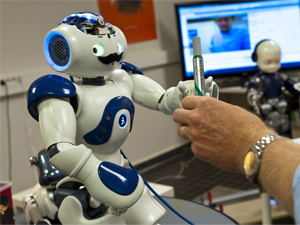
Peter Ford Dominey and the robot Nao, study of developmental robotic cognition. Instead of using pre-established plans, the robot can learn in real time through direct interaction with a human. ©Inserm/Patrice Latron

See the robot Nao learning to repair an electronic card:

[1] Autobiographical memory includes events that were personally experienced, along with their context. It makes it possible to date and locate memories, and to determine who was present during the event. With human beings, autobiographical memory helps build an individual’s personal history.

[2] Robonaut 2 is a humanoid robot resulting from the Robonaut program, a close collaboration between NASA and DARPA. A unit was delivered to the ISS in February 2011 to control the robot’s operation in weightlessness. It was designed to assist the work of astronauts in complicated situations, especially during extra-vehicular outings.

fermer