Menu

Fewer cases of cancer in organic food consumers?

©Adobestock

A 25% reduction in cancer risk has been observed among “regular” organic food consumers, compared to consumers who eat organic less often. These were the findings of an epidemiological study conducted by a team from Inra, Inserm, University of Paris 13, CNAM, following analysis of a sample of 68,946 participants in the NutriNetSanté cohort. Although a link between cause and effect cannot be established based on this study alone, the results suggest that a diet rich in organic foods could limit the incidence of cancer. Additional research is nonetheless necessary in order for appropriate, targeted public health measures to be introduced. This study was published in JAMA Internal Medicine on October 22, 2018.

The organic food market has grown tremendously in recent years. In addition to ethical and environmental aspects, one of the main driving factors for eating organic is that these foods are grown without crop protection products and synthetic inputs, and could therefore be associated with health benefits. However, insufficient epidemiological data are currently available to conclude that an organic diet has a protective effect on health (or that there is an increased risk related to the consumption of conventionally farmed foods). Although contact with chemical inputs, particularly via occupational exposure among farmers, has been associated with an increased risk of disease (notably prostate cancer, lymphoma, and Parkinson’s disease), the risk to the general population via food is unknown.

Researchers from the Center of Research in Epidemiology and Statistics Sorbonne Paris Cité (Inra/ Inserm/University of Paris 13/CNAM) conducted an epidemiological study based on the analysis of a sample of 68,946 participants (78% females, mean age 44 years) in the NutriNet-Santé cohort (see text box below). Data on their conventional or organic food consumption were collected at inclusion, using a questionnaire on the frequency of consumption (never, occasionally, most of the time) for 16 food groups[1]. This analysis also took sociodemographic characteristics, lifestyle and nutritional habits into account.

Over the seven-year follow-up period (2009-2016), 1,340 new cancer cases were recorded and validated based on medical records. A 25% reduction in cancer risk (all types combined ) was observed among “regular” organic food consumers compared to more occasional consumers.

This relationship was particularly pronounced for breast cancer in menopausal women (-34% risk, high versus low organic score) and lymphomas (-76% risk). Taking into account various risk factors potentially affecting this relationship (sociodemographic factors, diet, lifestyle, and family history) had no effect on the results.

Several hypotheses could explain these data: the much more common presence of synthetic pesticide residues at higher doses in conventionally farmed foods, compared to organic foods. Another possible explanation: potentially higher concentrations of certain micronutrients (carotenoid antioxidants, polyphenols, vitamin C, or more beneficial fatty acid profiles) in organic foods.

The conclusions of this study need to be confirmed by other investigations conducted on other study populations, in different contexts. Nevertheless, these results support the recommendations issued by the Haut Conseil de Santé Publique (HCSP) in 2017, for the future dietary indicators of the French National Nutrition and Health Program (Programme National Nutrition Santé – PNNS), aiming to prioritize foods cultivated using methods reducing exposure to pesticides, for fruit, vegetables, pulses, and wholegrain products.

[1] Fruit, vegetables, soy-based products, dairy products, meat/fish/eggs, starchy foods/pulses, bread/cereals, flour, oils/condiments, ready meals, coffee/tea/herbal teas, wine, biscuits/chocolate/sugar/confectionary, other foods, and food supplements.

NutriNet-Santé study and Bionutrinet project

This is a national cohort study conducted on a large population of adult volunteers (known as

“Nutrinauts” after enrollment), initiated in 2009, aiming to study the relationships between

nutrition and health. As part of the NutriNet-Santé study, the BioNutriNet project focuses on

the potential impact of food consumption according to production methods (organic versus conventional farming methods), on nutritional status, toxicological markers, the environment, and individual health.

The recruitment of new volunteers to participate in the NutriNet-Santé study continues. Simply register online (www.etude-nutrinet-sante.fr) and complete the questionnaires. These will enable the researchers to deepen their knowledge on the links between nutrition and health and thereby improve the prevention of chronic diseases through our diet.

Find out more: https://presse.inra.fr/Communiquesdepresse/BioNutriNet

One quarter of deaths and cases of serious after-effects related to meningitis in children can be avoided by applying the immunization schedule

© Chris Benson on Unsplash 

In a context of increasing vaccine hesitancy, researchers from Inserm and pediatricians from the Nantes and Grand-Ouest university hospitals together with the Paris public hospitals (AP-HP) sound the alarm concerning the consequences of severe bacterial infections in children. In a study published in Paediatric and Perinatal Epidemiology, the researchers showed, over a period of 5 years, that 25 % of deaths and 25 % of serious after-effects occurring in children with a severe bacterial infection (primarily meningitis) could have been avoided by simply applying the immunization schedule, notably against meningococcus and pneumococcus.

Bacterial infections are common and for the most part efficiently dealt with by our natural defenses, with an occasional helping hand from antibiotics. Nevertheless, children –and more particularly babies– form a vulnerable population in the face of some severe bacterial infections (meningitis, purpura fulminans, septic shock, etc.) which can lead to serious after-effects (paralysis, sensory deficit –particularly hearing loss–, hydrocephalus, epilepsy, amputation) and even death. While vaccines against the principal bacteria responsible for these infections exist (meningococcal C and pneumococcal conjugate vaccines), defiance towards vaccination, a growing phenomenon in France, is leading to a lack of complete vaccination in some children, putting them at risk of serious after-effects or death.

That is why researchers from Inserm and pediatricians wished to determine, in children having contracted a severe bacterial infection, the proportion of those which could have been avoided had immunization taken place according to the official recommended schedule.

In France’s Grand-Ouest administrative region, all children aged 1 month to 16 years admitted to pediatric intensive care for severe bacterial infection or who died prior to admission were prospectively included from 2009 to 2014 in a study coordinated by Inserm and funded by the Ministry of Health. An infection was considered theoretically preventable by vaccination if the child had either not been vaccinated or had been incompletely[1] vaccinated and that the bacterial strains identified in his or her body were targeted by the vaccines recommended at the time of infection onset.

According to the results of this study, meningococcus and pneumococcus were the principal bacteria causing severe infections in children (65 %), responsible for 71 % of the deaths and close to half of the cases of serious after-effects, despite the introduction of meningococcal C and pneumococcal conjugate vaccines to France’s vaccine schedule in 2002 and 2009.

Only 39 % of the children were correctly vaccinated against these bacteria, meaning that 61 % had either been incompletely vaccinated or not at all. More important still, according to the Inserm study, 25 % of the deaths and 25 % of the cases of after-effects could have been prevented by complete and timely immunization according to the recommended schedule.

In France, while vaccination against the two principal bacteria responsible for these severe infections is now mandatory for all children born after January 1, 2018 (meningococcal C and pneumococcal conjugate vaccines), the majority of the deaths related to meningococcus C occurred in children over 2 years of age who had not had their catch-up vaccination. These children are not currently concerned by the obligation to get vaccinated, which is why it is fundamental to apply the current catch-up recommendations.

As such, according to the researchers, “morbidity-mortality rates related to severe vaccine-preventable infections could be reduced by one quarter with better implementation of immunization programs in France. Such information could help enhance the perception of vaccine benefits and fight vaccine hesitancy”.

[1] “Incomplete vaccination” status was defined as the receipt of fewer injections than those recommended for the age of the child, with authorized delays of 15 days for the pneumococcal primary vaccination and 1 month for the pneumococcal booster and meningococcal C vaccination (according to Gras P, 2017)

To Vaccinate is to Protect

Crédits: AdobeStock

Epidemics have no concept of borders! That is why, via Inserm, France is making a commitment to the health of European citizens by creating a European platform to intensify national responses to the challenges posed by vaccination. This European Joint Action on Vaccination (EU-JAV), coordinated by Inserm and backed by the French health ministry, was launched on September 4 with the participation of 19 other European countries.

Vaccines save between 1 and 3 million lives each year. Despite this, a phenomenon of reticence towards vaccination has been emerging over the previous decade, with many European countries experiencing insufficient vaccine cover for infectious diseases which would normally be eliminated.

With record levels of measles being registered in Europe – three times more cases in the six first months of 2018 than in the whole of 2017 – no fewer than 20 countries represented by their health ministries, public health institutes, research bodies, or universities are mobilizing to combat the re-emergence of diseases that can be avoided thanks to vaccines. This action is supported by the large international and European organizations: WHO, OECD, ECDC, EMA, as well as numerous stakeholders representing health professionals, civil society and the vaccines manufacturers.

By building on existing initiatives, the objective of JAV is to create a joint platform for the participating countries, whether or not they are EU Member States, to strengthen such cooperation mechanisms as:

– tools to share digital data for more precise epidemiological monitoring of vaccine cover

– shared methods for the systematic review of clinical trials to evaluate vaccine efficacy and safety prior to approval

– an updatable inventory of each country’s vaccine stocks and requirements for the prevention of shortages

– strengthened dialog between the various stakeholders to establish joint priorities and harmonize research and development strategies

And finally, to overcome the crisis of public confidence in vaccinations: experience-sharing with countries with high or restored levels of confidence, and good practices for the dissemination of information.

Maintaining Good Cardiovascular Health Reduces the Risk of Dementia and Cognitive Decline in Older Age

Photo by George Kourounis on Unsplash

Researchers from Inserm at the Bordeaux Population Health Research Center, the Paris Cardiovascular Research Center, the University of Bordeaux and the Three-City Cohort have demonstrated that combining several factors and behaviors beneficial for the heart and maintaining them at optimal levels is associated with a reduced risk of developing dementia and cognitive decline after the age of 65. The researchers used the concept of optimal cardiovascular health as defined by the American Heart Association in its 2020 Impact Goal concerning cardiovascular disease prevention. This study has been published in JAMA.

As part of a new epidemiological study conducted in the largest French cohort, the Three-City Cohort, initiated in 1999 to elucidate the impact of vascular risk factors on cognitive aging and dementia, researchers from Inserm (at the Bordeaux Population Health Research Center and the Paris Cardiovascular Research Center) followed 6 626 adults aged 65 and over in France for a period of 16 years. To date, a number of studies have shown the relevance of a preventive approach in cardiovascular diseases. Given the biological links and the presence of shared risk factors between cardiovascular diseases and dementia, the research team was interested in the benefits of prevention of vascular risk factors on dementia and cognitive decline.

The concept of “optimal cardiovascular health”, as defined by the American Heart Association, is based on 7 parameters which include 4 health behaviors (not smoking, healthy weight, being physically active and a diet in accordance with public health recommendations) and 3 biological components (ideal blood pressure, cholesterol and blood sugar levels without treatment).

While this study has its limits –notably the study population being from an urban environment and the possible variation of the parameters considered – it nevertheless shows that maintaining optimal cardiovascular health (7 parameters at ideal levels) is associated with a major decrease in dementia risk and an attenuation of the associated cognitive decline.

Therefore, each parameter at ideal level is linked to a 10% reduced risk of dementia (and if the 7 parameters are at optimal level, the risk reduction is 70% in comparison with those with none).

If the objective is to achieve optimal cardiovascular health, the study shows that having just one parameter at ideal level is linked to a reduced risk of dementia. Cécilia Samieri, Inserm researcher in charge of the study, specifies: “In practice, this objective appears more realistic, making it possible to reach a larger number of people and therefore have a greater impact. While health promotion is a collective challenge for public authorities and healthcare professionals, it also involves each individual taking ownership of their own health”.

2018 Ebola Epidemics: What is the Latest in Vaccine Research?

©Inserm/Delapierre, Patrick, 2018

Since July, a new outbreak of Ebola virus disease was identified in the Democratic Republic of the Congo – the second since May.  In an attempt to halt the outbreak, a new vaccination campaign has begun in the affected region of North Kivu. It is against this background that researchers from the consortium PREVAC (Partnership for Research on Ebola VACcination) take stock of advances in Ebola vaccine research in The Lancet and point to the necessity to continue clinical trials.

Since the end of July, the Democratic Republic of the Congo has been facing its second Ebola outbreak this year, following the one in May.  These outbreaks, which can be added to the one of 2017 in the same country, and the widespread outbreak that occurred in Guinea, Liberia and Sierra Leone from 2013-2016, show the extent to which the risk of Ebola re-emergence is real. While no approved treatments or vaccines exist right now, some vaccines are, however, reaching advanced stages of development. Ebola vaccine research must continue because, when combined with effective public health measures, it is an essential element in preventing and responding to future epidemics.

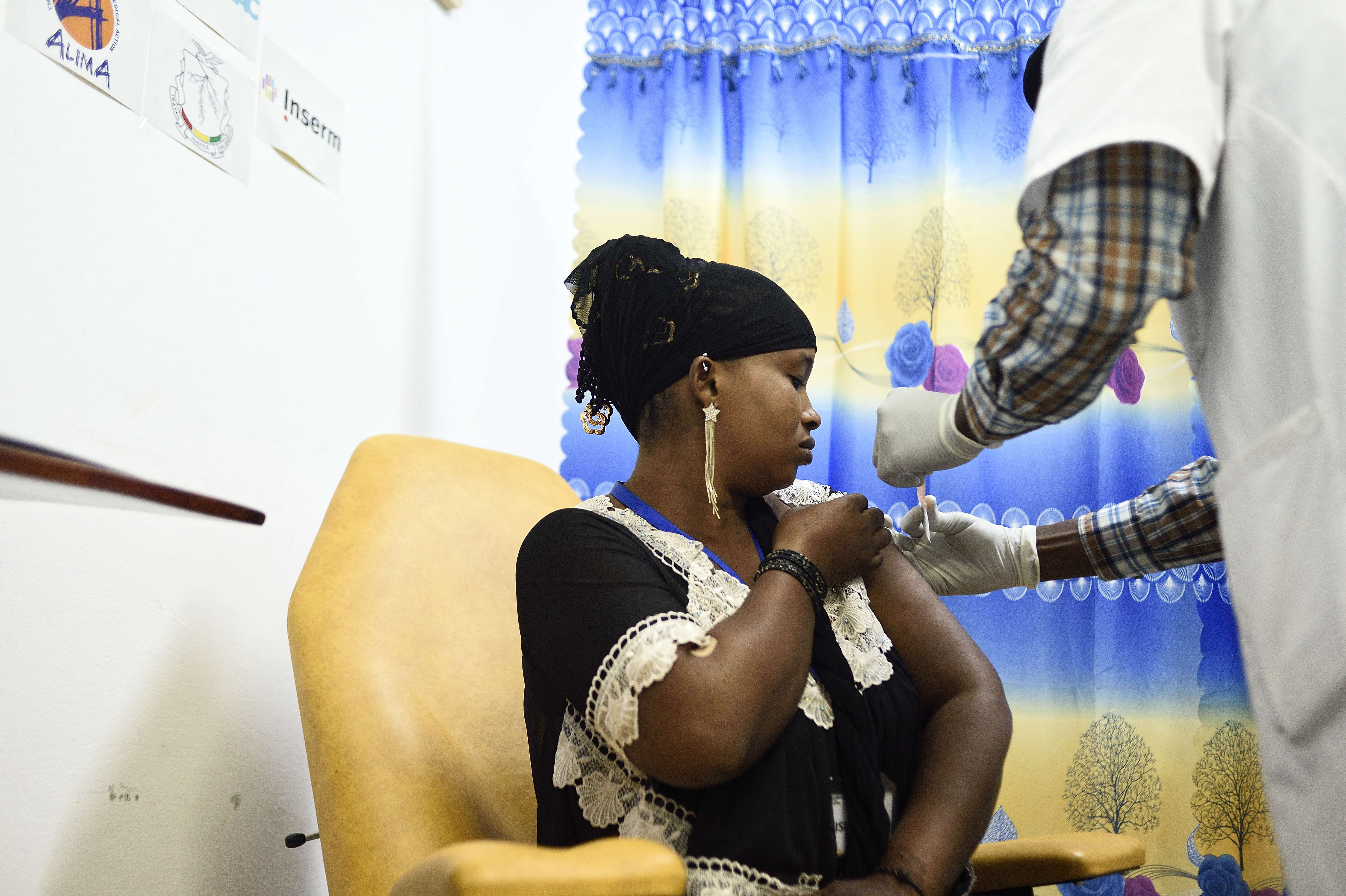
In 2013, Inserm and its Aviesan partners founded REACTing, a multidisciplinary consortium bringing together research groups and laboratories of excellence in order to prepare for and coordinate research to combat the health crises linked to emerging infectious diseases. It was in this context that, Inserm, the National Institute of Allergy and Infectious Diseases and the London School of Hygiene & Tropical Medicine, in collaboration with the health authorities and scientists of four Ebola-stricken countries (Guinea, Liberia, Sierra Leone and Mali) formed the international consortium PREVAC (Partnership for Research on Ebola VACcination) and launched in 2017 a large-scale clinical trial of three Ebola vaccination strategies. The objective of the trial, whose partners also include the universities of Bordeaux and Minnesota, the NGO ALIMA, and three pharmaceutical companies (Janssen Vaccines & Prevention, B.V., part of the Janssen Pharmaceutical Companies of Johnson & Johnson; Bavarian Nordic; and Merck Sharp & Dohme Corp., known as MSD outside the U.S. and Canada), is to identify the most promising vaccination strategies for protecting individuals from Ebola.[1]

Two promising vaccines regimens are being trialed as part of PREVAC, including rVSV∆G-ZEBOV-GP which has been used since August 9, 2018, in response to the new epidemic in the Democratic Republic of the Congo. The second, Ad26.ZEBOV and MVA-BN-Filo prime-boost, is also under evaluation in PREVAC. The latter is also being tested in the EBOVAC project, of which Inserm is a partner.

On August 10, 2018, in an article published in The Lancet, PREVAC researchers take stock of Ebola vaccine research. They note that some key questions remain to be studied via various vaccine strategies. Researchers are concentrating on gaining a deeper understanding of the immune response to the Ebola vaccines, the question of the rapidity and durability of the immune response (and therefore the potential protection) in vaccinated individuals, the safety and the ability of the vaccine to trigger an immune response in children, as well as the nature of the responses in people with immunodeficiencies and pregnant women.

According to the PREVAC team, various vaccine strategies and scenarios need to be researched to identify the most effective way to prevent and respond to future Ebola outbreaks.

Post-exposure vaccination, targeted preventive vaccination for people who have come into contact with infected individuals, as well as preventive vaccinations for at-risk populations, such as healthcare and frontline workers, and possibly residents of areas regularly affected by outbreaks, are some of the strategies to be investigated.

Addressing these challenges requires the pursuit of collaborative partnerships centered on Ebola research. It also requires increasing the local population’s trust in the vaccines and vaccination campaigns. Indeed, the adherence of those enrolled and the engagement of the community throughout the clinical trial process is fundamental to success.  Bringing social sciences into clinical research makes it possible to increase the population’s trust and its involvement in the trials.


[1]All the information on the PREVAC clinical trial can be found on the dedicated Inserm page:

https://www.inserm.fr/actualites-et-evenements/actualites/ebola-plus-2-000-personnes-deja-incluses-dans-essai-vaccinal-prevac

Alcohol Consumption and Risk of Dementia

The conclusions of a new study coordinated by Inserm show that excessive long-term alcohol consumption is linked to an increased risk of dementia. The results also suggest an increased risk among those who abstain, even if the underlying mechanisms in the two groups are very likely to differ. With those consuming to excess, the cases of hospitalization for chronic alcohol-related disease were linked to a four times higher risk of dementia, while in the abstainers this risk is only 1.5 times higher and can be explained in part by an increased risk of cardiometabolic disease. These results were published in British Medical Journal based on data from the British Whitehall II cohort.

With the increase in life expectancy, the number of people affected by dementia is expected to triple by 2050. However, not all of its risk factors have been identified. That is why a team of Inserm researchers based in France and the UK undertook to study the link between alcohol consumption in midlife (between the ages of 40 and 60) and the risk of developing dementia in the 23 years that followed. They also examined whether cardiometabolic diseases (which include stroke, coronary heart disease and diabetes) had any effect on this link.

Their study reveals that those who abstain from drinking alcohol or those who consume more than 14 units of alcohol per week between the ages of 40 and 60 present an increased risk of developing dementia with aging.

The results they obtained are based on 9,087 British civil servants aged between 35 and 55 in 1985 who participated in Whitehall II, a study which examined the consequences of social, economic, biological and lifestyle factors on long-term health. At regular intervals between 1985 and 1993, the participants (average age 50) were evaluated for their alcohol consumption and alcohol dependence.

Hospital admissions for alcohol-related chronic diseases and dementia cases from 1991, as well as cardiometabolic diseases were identified from hospitalization records.

Out of the 9,087 participants, 397 cases of dementia were recorded over an average follow-up period of 23 years. The average age when dementia was diagnosed was 76 years.

After taking into account sociodemographic data, lifestyle and health-related factors which could have affected the results, the researchers discovered that abstinence or the consumption of more than 14 units of alcohol (112 g of alcohol) per week were linked to a higher risk of dementia compared with a weekly consumption of between 1 and 14 units of alcohol. Among those consuming more than 14 units of alcohol per week, each additional 7 units consumed per week was linked to a 17 % increase in dementia risk.

Cases of hospitalization for alcohol-related chronic diseases were linked to a four times higher risk of dementia.

While these findings show that both abstinence and excessive alcohol consumption are linked to an increased risk of dementia, the researchers agree than the underlying mechanisms in each of the two groups are very likely to differ.

In the abstainers, the researchers show that part of the additional dementia risk was linked to a higher risk of cardiometabolic disease. However, other health factors, alcohol consumption earlier in life, other unmeasured sociodemographic characteristics could also explain the excess risk of dementia observed in the abstainers.

For Séverine Sabia, Inserm researcher and principal author of this research: “these findings support the data according to which excessive alcohol consumption is a risk factor for dementia, and they encourage the recommendation of lower consumption thresholds to promote better cognitive aging. In no way should the results observed in the abstainers encourage people who currently do not drink to start doing so because, according to French Public Health Agency figures, alcohol consumption is responsible in France for 49,000 deaths from cancer, cirrhosis, psychosis and alcohol dependence”.

In France, the public health recommendations in terms of “acceptable risk” are 10 glasses per week and no more than two glasses per day on the basis that one glass in France corresponds to 10 g of alcohol, i.e. 100 g per week. These recommendations are now the same for both men and women.

Finally, given that this is an observational study, it is not possible to draw definitive conclusions as to a causal relationship.

In Mice, Exposure to Chlordecone has Transgenerational Effects on Sperm Production

A study coordinated by Inserm researchers at the Research Institute for Environmental and Occupational Health in Rennes shows that exposing pregnant mice to chlordecone[1] affects the third generation of their male progeny. The number of germ cells – from which spermatozoa originate – decreases, their differentiation is affected, and there is also a decline in the number of mature spermatozoa. This research has been published in Scientific Reports.

During embryonic development, maternal exposure to certain environmental factors can have an impact on the unborn fetus. Early exposure to certain endocrine disruptors is suspected to lead to effects on reproductive function. The objective of this new study was to test, in animals, the consequences on multiple generations following gestational exposure to the known endocrine disruptor, chlordecone.

It has indeed been firmly established that exposure to high doses of chlordecone in adulthood has adverse effects on the production and quality of sperm in laboratory animals and in humans. Previous epidemiological studies conducted by Inserm in the French West Indies have shown that current levels of environmental exposure to chlordecone do not cause changes in sperm characteristics when exposed in adulthood. But given the ability of chlordecone to cross the placental barrier, the question of this substance having an effect during exposure in utero remained unanswered.

To address this question, pregnant mice were exposed by oral route to a daily dose of chlordecone which is not known to induce harmful effects in this species (100 μg per kg of bodyweight). The selected exposure period (from embryonic day 6 to 15) is not just a critical window for the transmission of epigenetic information to the next generations but also a vulnerable time when it comes to germ-cell development.

The principal findings?

Exposing the pregnant females to chlordecone affects the third generation of their male progeny (the first was not directly exposed): the number of germ cells – or spermatogonia – decreases, their differentiation is affected, and there is also a decline in the number of mature spermatozoa.

In other words, explains Fatima Smagulova, Inserm researcher and scientific manager of this study and an ATIP/Avenir team: “the entire germline in the male is affected, whether quantitatively or qualitatively, after two generations.

These modifications appear to be correlated to changes in the location of certain epigenetic marks (notably histone methylation and acetylation) situated in the promoters of genes coding for transcription factors, some of which are regulated by estrogen receptor 1 (ESR1).

Finally, modifications in the expression of 377 genes coding for proteins implicated in essential cell functions (chromosomal segregation, cell division and DNA repair) were observed.

This rodent study shows that prenatal exposure to chlordecone at low doses leads to transgenerational effects on sperm production and suggests that the hormone properties of the compound could be implicated in the mechanisms behind these effects. However, the actual impact on the fertility of men living in the West Indies following prenatal exposure to chlordecone remains to be elucidated.

[1] Chlordecone is an organochlorine insecticide which was used from 1973 to 1993 in plantations in the French West Indies to combat the banana weevil. Its continued presence in the environment is responsible for contaminating local foodstuffs, whether plant or animal, terrestrial or aquatic. The local populations – including pregnant women – are exposed, as shown by impregnation studies previously conducted by Inserm, with current exposures occurring mainly through the consumption of contaminated foods.

Cost-effective universal screening for hepatitis C in France

Crédits: Inserm/Jammart, Baptiste

An estimated 75 000 people in France are unaware they are infected by hepatitis C virus. An ANRS-funded study by Sylvie Deuffic-Burban, a research associate at IAME (Infection, Antimicrobials, Modeling, Evolution) (Inserm – Université Paris Diderot – Université Paris 13), and her team shows that a universal screening strategy applied to hepatitis C is cost-effective and improves life expectancy in those infected, compared with targeted screening. These modeling results will be published on 1st July 2018 in Journal of Hepatology.

It is currently recommended in Europe that screening for hepatitis C virus (HCV) should target people at high risk of infection. In France, public health data suggest that in 2014 approximately 75 000 people aged 18 to 80 were infected by HCV, but were unaware of their status. In at least one in ten cases, these people are at an advanced stage of the disease when diagnosed. Today’s treatments of HCV infection are both highly effective and well tolerated, and cure the infection in a few weeks in over 95% of cases.

In Professor Yazdan Yazdanpanah’s Inserm research team, Sylvie Deuffic-Burban has developed a mathematical model that assesses the efficacy and cost-effectiveness of different screening strategies, including universal screening.

This study applied data from a 2004 InVS seroprevalence survey to 18- to 80-year-olds in France, excluding people with diagnosed chronic HCV infection. The researchers developed their analytical model using a combination of these seroprevalence data and findings from studies of the characteristics of people infected (age, sex, stage of the disease at diagnosis, alcohol intake, etc.), the natural progression of the disease, the efficacy of treatments, the quality of life of the patients treated, and the cost of treatment of infection. The screening strategies assessed targeted the following groups: the at-risk population only, all men aged between 18 and 59, all people aged between 40 and 59, all people aged between 40 and 80, and everyone aged between 18 and 80 (universal screening).

The modeling results show that universal screening is associated with better life expectancy adjusted for quality of life than other strategies. Universal screening is cost-effective if the patients tested for HCV infection are treated rapidly after diagnosis.

Sylvie Deuffic-Burban points out that “Screening, on an individual basis, enables rapid treatment, which avoids the development of serious complications. In time, collective screening helps eliminate hepatitis C from a population that has been screened without restrictions.

The results of this ANRS-funded study therefore argue in favor of universal screening for HCV in France, followed by immediate treatment of those diagnosed with HCV infection.

Sylvie Deuffic-Burban concludes that “Although our model is unable to test the idea, the epidemiological similarities of HCV, HIV, and HBV suggest that universal and combined screening for these three viruses could be of particular interest.

Hypertension: An international study shows the blood pressure benefit of endovascular renal denervation focused ultrasound in patients receiving no antihypertensive drug

After reporting the first positive results of renal denervation in blood pressure (HBP) resistant in the journal The Lancetin 2015, the team of the Center of Excellence in Hypertension and CIC1418 APHP-INSERM led by Dr. Michel Azizi and that of the interventional radiology department led by Prof. Marc Sapoval from European Georges Pompidou Hospital, AP-HP , obtained promising new results in hypertensive patients receiving no antihypertensive therapy as part of an international study. They provide, for the first time, evidence of the reduction in blood pressure after renal denervation focused ultrasound in this indication. The findings of the RADIANCE-SOLO study, coordinated by the European Hospital Georges Pompidou, AP-HP, were presented at EuroPCR in Paris and at the Congress of the European Society of Hypertension in Barcelona. They are published in the journal The Lancet . This opens new perspectives for treatment in this disease that affects 30% of the French population to consider in the future an alternative to drug therapy for some patients.

Renal denervation endovascular consists in interrupting the electrical activity of the nerves of the sympathetic nervous system in kidney for delivering focused ultrasound through a catheter into the RADIANCE-SOLO study or by using another technology based on an electric current of low intensity. This new therapeutic approach was originally developed to treat severe hypertension resistant to at least 3 antihypertensive drugs.

An international study led by Professor Michel Azizi of the European Hospital Georges Pompidou, AP-HP – Department Head, Center of Excellence in Hypertension and Coordinator CIC1418 APHP-Inserm – and the University Paris-Descartes and Dr. Laura Mauri (Harvard University, Brigham and Women’s Hospital, Boston, USA) was conducted in collaboration with a US start-up. It was designed to objectively assess the blood pressure efficacy and safety of renal denervation ultrasound against a fictitious speech – called “sham” – for the first time in patients receiving no medication for their hypertension.

A total of 146 patients with moderate hypertension taking no antihypertensive drug were distributed by drawing lots among the group treated with renal denervation or group “sham” limited to a diagnostic arteriography. 

Neither the patients nor the medical team that tracks patients knew which group they were assigned by lottery. The fictional or “sham” surgery with keeping the knowledge of the randomization of patients and medical teams eliminates the placebo effect especially in hypertension and has been approved by health authorities and the protection committee of people in France and worldwide.

After 2 months follow up without addition of antihypertensive treatment except in cases of necessity of safety, study results show that:

  • daytime ambulatory systolic pressure was reduced significantly greater extent in the denervation group (-8.5 mmHg) than in the sham group (-2.2 mmHg), a difference of 6.3 mmHg in favor of denervation kidney. 
  • over 66% of patients treated with renal denervation had a reduction of 5 mmHg or more daytime ambulatory systolic blood pressure, compared to 33% in the control group.
  • 20% of patients treated with renal denervation had normalized their blood pressure without taking any antihypertensive medication against 3% in the control group.
  • No serious adverse events were observed.

(* MmHg: millimeters of mercury)

Renal denervation is therefore a medium-term hypotensive effect in patients with hypertension and receiving no antihypertensive drug.

In France, high blood pressure affects about 30% of the population and can lead to serious cardiovascular or renal complications, sometimes fatal. Despite the availability of many different drug classes, hypertension remains uncontrolled in more than 45% of hypertensive patients in France [1] and in the world.

“The long-term maintenance of the reduction in blood pressure after renal denervation procedure would have beneficial consequences in terms of reducing cardiovascular and cerebrovascular events in patients with hypertension. Monitoring at 6, 12 and 36 months is in progress and provide guidance on keeping away from the blood pressure reduction, “   says Dr. Michel Azizi, Georges Pompidou European Hospital, AP-HP. 

The RADIANCE-HTN research program is ongoing to include patients with resistant hypertension is at higher risk of complications. Pioneers patients and the medical community to seek together new perspectives for simplifying and customizing the treatment of hypertension in France and around the world to contribute to its better control and reduce complications.

[1] epidemiological study conducted by Public Health ESTEBAN France and worldwide study Measurement Month May 2017

How does air pollution affect the placenta ?

Crédits: AdobeStock

Researchers from Inserm, CNRS and Université Grenoble Alpes working at the Institute for Advanced Biosciences (Joint Research Unit 1209) have analyzed the consequences of environmental exposure in utero using data collected from a cohort of 668 women. Exposure to atmospheric pollution is associated with epigenetic modifications in the placenta, presenting a risk to the fetus. These findings were published in Environment International on June 21, 2018.

Exposure to air pollution during pregnancy presents a risk to the health of the fetus and child. According to a number of studies, exposure to air pollution is linked to harmful effects, such as preeclampsia (hypertension associated with the presence of protein in the urine) in the pregnant woman, as well as reduced birth weight and possibly also lung function deterioration and neurodevelopmental disorders in the child. The mechanisms that explain the effect of air pollutants on the development of the fetus and child could involve impairment of the placenta.

The researchers conducted a study based on 668 mothers and their children in the EDEN cohort. The pregnant women were recruited between 2003 and 2006 in the university hospitals of Nancy and Poitiers. The scientists observed that the mothers most exposed to nitrogen dioxide (gas produced by automobile, industrial and thermal combustion processes) during their pregnancies presented an epigenetic modification on the ADORA2B gene. “Defects in the expression of this gene have in other studies been associated with preeclampsia, a commonly-occurring condition in pregnancy which can be serious if it is not managed,” explains Inserm researcher, Johanna Lepeuler. The average exposure levels in the population studied were below the annual limit set by the European Union air quality directive (40 mg/m3 for nitrogen dioxide).

The results of this study thereby confirm part of the hypothesis according to which prenatal exposures to air pollutants, at levels commonly found in Europe and France, could be harmful to the health of the pregnant woman and unborn child.

It is the first study on air pollutants to focus on the issue based on an analysis of large-scale epigenetic data (concerning more than 400,000 epigenetic locations). Previous studies focused on specific genes.

This research project was funded by the Fondation de France and various public institutions.

Hypertension at Age 50 is Said to Increase the Risk of Developing Dementia

©JORGE LOPEZ on Unsplash 

And what if, depending on the age at which it develops, hypertension had more or less significant consequences on maintaining our cognitive function? This was suggested by a study conducted by an Inserm team in partnership with the Department of Epidemiology and Public Health at University College London which has been monitoring changes in blood pressure and the onset of dementia in more than 10,000 volunteers since 1985. This research, published in the European Heart Journal, suggests that, at the age of 50, high blood pressure, although still below the diagnostic threshold for hypertension, could be linked to a higher risk of developing dementia later in life, even for individuals with no other cardiovascular disorders.

Although studies linking blood pressure to an increased risk of dementia at an advanced age already exist, they focus on blood pressure values in a large population segment ranging from age 35 to 68, and have never been conducted in specific age groups.

With the Whitehall II study, Inserm researchers, in partnership with the Department of Epidemiology and Public Health at University College London (UCL), embarked upon the long-term follow-up of a population of 10,000 volunteers aged 35 to 55 when the study began in 1985, in order to study the link between age, hypertension, and dementia. The researchers measured the participants’ blood pressure in 1985, 1991, 1997, and 2003. Participants were monitored until 2017 in order to detect the possible onset of dementia.

Less than 5% of participants developed dementia as they aged, and the mean age at diagnosis was approximately 75 years.

The research team studied two different types of blood pressure values: systolic pressure – measured as the heart contracts to eject blood into the arteries (systole) – and diastolic blood pressure – measured as the heart relaxes and fills with blood (diastole).

While diastolic pressure does not appear to have an impact on the risk of developing dementia, the researchers nonetheless observed that fifty-year-olds with a systolic pressure of 130 mmHg or over (according to the European Society of Cardiology, the limit value for diagnosing hypertension is 140 mmHg) had a 45% higher risk of developing dementia compared to individuals with a lower systolic pressure at the same age. No increase in this risk was observed among individuals with hypertension at age 60 or 70.

Furthermore, the higher risk associated with blood pressure above 130 mmHg is also observed among individuals not developing cardiovascular disorders during the follow-up period: their risk was 47% higher compared to individuals without cardiovascular disorders, with a systolic pressure below 130 mmHg.

According to Archana Singh-Manoux, Inserm research director in charge of the research project and professor emeritus at UCL, these analyses “suggest that the impact of blood pressure on brain health is dependent on the duration of exposure; hence, individuals with high blood pressure at the age of 50 would be more likely to develop dementia than those who develop hypertension at 60 or 70.”

This could be explained by the fact that high blood pressure causes ministrokes which, although often undetected, are harmful to the brain and may ultimately lead to a decline in function.

“In this study, we were able to evidence different patterns of association according to the age groups studied,” clarified Jessica Abell, the lead author of the article, postdoctoral researcher at Inserm and associate researcher at UCL, who adds that “these results could thus help redefine the age groups to be studied in order to assess the impact of hypertension on health.” She concludes: “it is important to emphasize that these results originated from an observational study on a population sample, and cannot be directly used as predictive instruments for each individual. Defining the optimum limit value for diagnosing hypertension is currently the focus of the debate.”

fermer