Menu

Reducing the Impact of Emergency Room Stress

Crédits: AdobeStock

A visit to the emergency room is no picnic. Irrespective of the reason for their consultation, around 1 in 5 people will experience various symptoms (headache, difficulty concentrating, irritability, sensory disturbances, etc.) for several months afterwards. To address this phenomenon, Inserm researchers from Unit 1219 Bordeaux Population Health Center have demonstrated the benefits of an EMDR session performed within 6 hours of the event responsible for the visit. Such sessions are effective in reducing post-concussion syndrome and post-traumatic stress disorder by up to 75%. These results have been published in The Journal of Psychiatric Research.

According to a study performed in 2012, more than 10 million people come or are taken to the emergency room (ER) in France each year. When multiple visits are taken into consideration, this represents 18 million annual visits. Around 10 to 20% of patients will, for several months afterwards, experience very diverse, persistent symptoms (headache, difficulty concentrating, irritability, sensory disturbances, etc.) which significantly impact their quality of life. With approximately 1 million people affected each year, this represents a major public health issue. Because these symptoms were initially described in people with concussion, their persistence over several months is known as post-concussion syndrome (PCS). Roughly 5% of these patients also suffer from a similar disorder called post-traumatic stress disorder (PTSD), whose symptoms are traditionally described in people having experienced a situation in which their physical or psychological integrity or that of those close to them has been threatened or harmed.

Inserm researchers from the Bordeaux Population Health Research Center, Bordeaux University Hospital and Cadillac Hospital have noted, during investigations conducted since 2007, that the stress levels of these patients were particularly high. They wondered whether it was possible to reduce these levels, with the ultimate objective being to prevent the onset of these invalidating symptoms.


An ER-specific treatment protocol

 To do this, they conducted a new study to evaluate the efficacy and feasibility of a recognized therapeutic approach, called Eye Movement Desensitization and Reprocessing (EMDR), for which they adapted a protocol that can be administered in an ER setting. During these EMDR sessions in the ER, the patient was asked to recall stressful elements and focus on their emotions and sensations.

 At the same time, the therapist performed sets of alternate bilateral stimulations, consisting of the patient moving their eyes from side to side or up and down or, if their clinical condition did not permit this, the therapist making alternate tapping movements on the patient’s knees or shoulders.

This psychotherapeutic model is one of two therapies recommended by the French National Authority for Health (HAS), the World Health Organization (WHO) and Inserm in the management of PTSD. The duration of treatment varies, usually requiring 2 or more sessions. In the present study, the aim was to prevent the onset of PCS and PTSD, using a protocol in which the intervention was brief (no longer than 1 hour), early (within 6 hours of the event leading to the ER visit) and performed just once. The patients enrolled in the study were evaluated as being at high risk of developing these two disorders (the main predictive factors being a history of antidepressant use, poor health over the previous year and female sex).


EMDR-treated patients much less subject to PTSD

 A total of 130 consenting patients were selected and randomized into 3 groups: the first receiving a 60-minute session of EMDR, the second a 15-minute interview with a psychologist, and the third no psychological treatment.

The patients were then contacted by telephone three months later, in order to identify those who had developed PCS or PTSD.

In these three groups, the proportions of patients suffering from PCS three months later were 15%, 47% and 65%, respectively. The proportions of those presenting PTSD were 3%, 16% and 19%.

“This is the first randomized controlled trial worldwide to show that brief and ultra-early EMDR intervention is not just achievable in an ER setting but also potentially effective,” considers Inserm Research Director, Emmanuel Lagarde. These results remain to be confirmed by a new, larger, study. Such a study was launched in January 2018 by the same team at the University Hospitals of Lyon and Bordeaux, involving more than 400 patients. Its results will be available by the end of 2018.
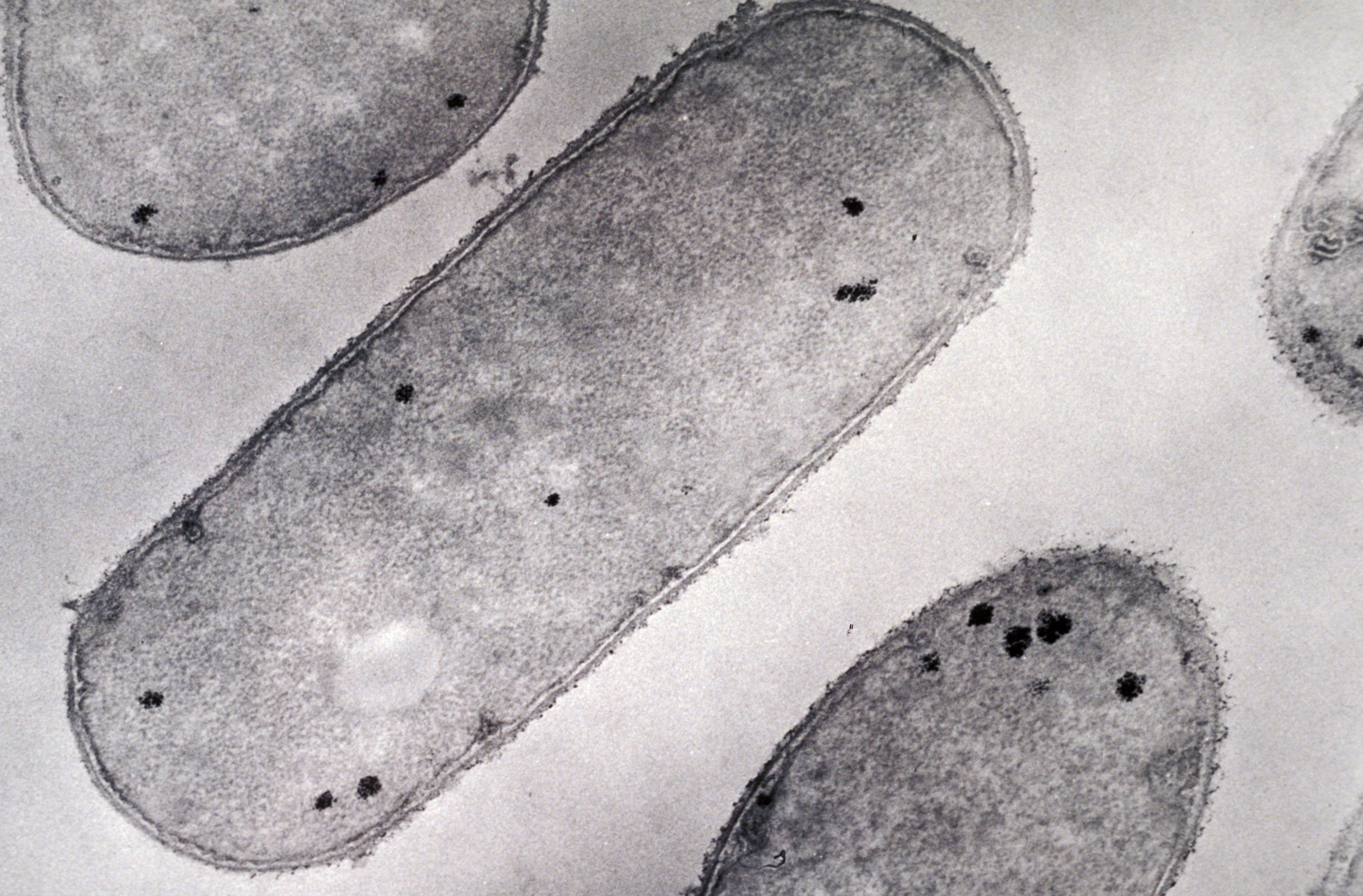

Nosocomial infections can also be caused by the Bacillus cereus bacterium

Bacillus cereus – Inserm/Leclerc, Henri, 1990 – Source : Inserm images


While Bacillus cereus is well known as a source of food infections, researchers from INRA and ANSES, working with doctors at nine French hospitals[1] including those in the Paris Public Hospital System (AP-HP), have demonstrated for the first time that this bacterium is also responsible for inter- and intra-hospital nosocomial contamination. This study, conducted in 39 patients between 2008 and 2012, also found strains of B. cereus in the hospital environment capable of causing infections that can sometimes be fatal. These results, published in PLOS ONE, suggest that more attention should be paid to these hospital infections, in order to improve patient care.

Bacillus cereus is found everywhere: in soil, in food, on almost all surfaces, on human skin, etc. In spore form, the bacterium is resistant to cooking and pasteurisation. B. cereus is the second most frequent agent responsible for foodborne infections in France and the third in Europe; characteristic symptoms are diarrhoea and vomiting. In rare but more severe cases, B. cereus may also be responsible for non-dietary clinical infections, particularly among vulnerable individuals (such as newborns and the elderly). However, the actual incidence of such clinical infections by B. cereus is unknown and there is little information available on the characteristics of the bacterial strains involved.

Over a five-year period, using clinical and epidemiological data collected from nine participating hospitals in France – including two in the Paris Public Hospital System (AP-HP) – and with the support of laboratories supervised by INSERM, researchers from INRA and ANSES conducted a study on B. cereus in the hospital to obtain an in-depth characterisation (phenotypic and genotypic) of the bacterial strains. This study was conducted in 39 mainly immunocompromised patients who had been infected by B. cereus, eight of whom died.

This work revealed nosocomial contamination by B. cereus and enabled an in-depth analysis of the genetic profile of the strains of B. cereus identified in the hospital. The same B. cereus strain was found in several patients between whom no link could be established, as well as in the hospital environment.

Eight groups of patients carrying the same strain were thus identified, with one strain infecting up to four patients. Moreover, the same B. cereus strain was identified two years apart in separate patients of the same hospital. The pathogen is therefore a source of infection for hospitalised patients, probably due to the ability of B. cereus to sporulate and/or to form biofilms.

Molecular characterisation of the strains also showed that a strain with the same genetic profile could be identified in several patients within the same hospital, as well as in different hospitals.

These results highlight the need for vigilance with regard to B. cereus in the hospital – especially in immunocompromised individuals – and for great thoroughness in cleaning and disinfection procedures. The work also offers insights on the development of diagnostic tests based on virulence factors that are able to determine whether or not the B. cereus strains present a danger to human health.

The in vitro effectiveness of the first-line antibiotic therapies recommended for treating B. cereus infections was also demonstrated. Thus, in order to improve patient care, early diagnosis of a serious B. cereus infection could enable antibiotic treatments to be adjusted, without waiting for the results of additional analyses.

[1] Micalis Institute and MaIAGE – Applied Mathematics and Computer Science, from Genomes to the Environment (INRA, AgroParisTech), ANSES, Institute for Digestive Health Research (University of Toulouse III – Paul Sabatier, INSERM, INRA, ENVT), Toulouse University Hospital (CHU), Centre for Immunology and Infectious Diseases (INSERM, UPMC), Pitié-Salpêtrière Hospital, AP-HP, Antoine-Béclère Hospital, AP-HP, Nice CHU, Strasbourg CHU, Chambéry CHU, Grenoble CHU.

Air Pollution in France: a Cost to Fetal Health and Society

Inserm researchers from the Epidemiology of Allergic and Respiratory Diseases (EPAR) team have analyzed data on the risks of children being born with low birth weight linked to air pollution. Their study reveals that there is a high price to pay for exposure to air pollution during pregnancy and its resulting impact on children post birth. A cost to society which is estimated at 1.2 billion euros. The results of this study were published in the May 2018 issue of Archives de Pédiatrie.

We know that pollution has consequences for health, with pregnant women being especially vulnerable. Exposure to pollution during pregnancy can lead to intrauterine growth restriction. In 2012, 2.3% of children born in France had a low birth weight (less than 2.5 kg), despite being at full-term. Half of these cases were caused by the mother’s exposure to fine particulate matter during pregnancy. This low birth weight then has various developmental consequences, with major intellectual deficiencies occurring in some children.

The EPAR Inserm/Sorbonne Université team decided to study the costs associated with managing low birth weight caused by particulate pollution from human activities. The researchers began by calculating the cost of its management in the maternity unit at birth and came to an estimate of 25 million euros.

The study then went on to emphasize that one in four of these children will suffer delayed motor or intellectual development and considers the cost of treating these children throughout their lifespan to be 1.2 billion euros.

“As things currently stand”, considers Isabella Annesi-Maesano, Inserm Researcher and Research Director leading the study, “the estimated costs are covered by the public authorities which fund the healthcare structures. The remaining costs (childcare, parental absenteeism, special education, etc.) are borne by the families.”

In the short term, the study suggests implementing public health measures to protect pregnant women with, for example, the recommendation that they limit their exposure during periods of peak pollution.

“It is necessary to implement genuine air quality improvement policies for future generations,” concludes Annesi-Maesano.

Cirrhosis: a predictor of mortality accurate prognosis

© Pierre-Emmanuel Rautou, AP-HP Inserm

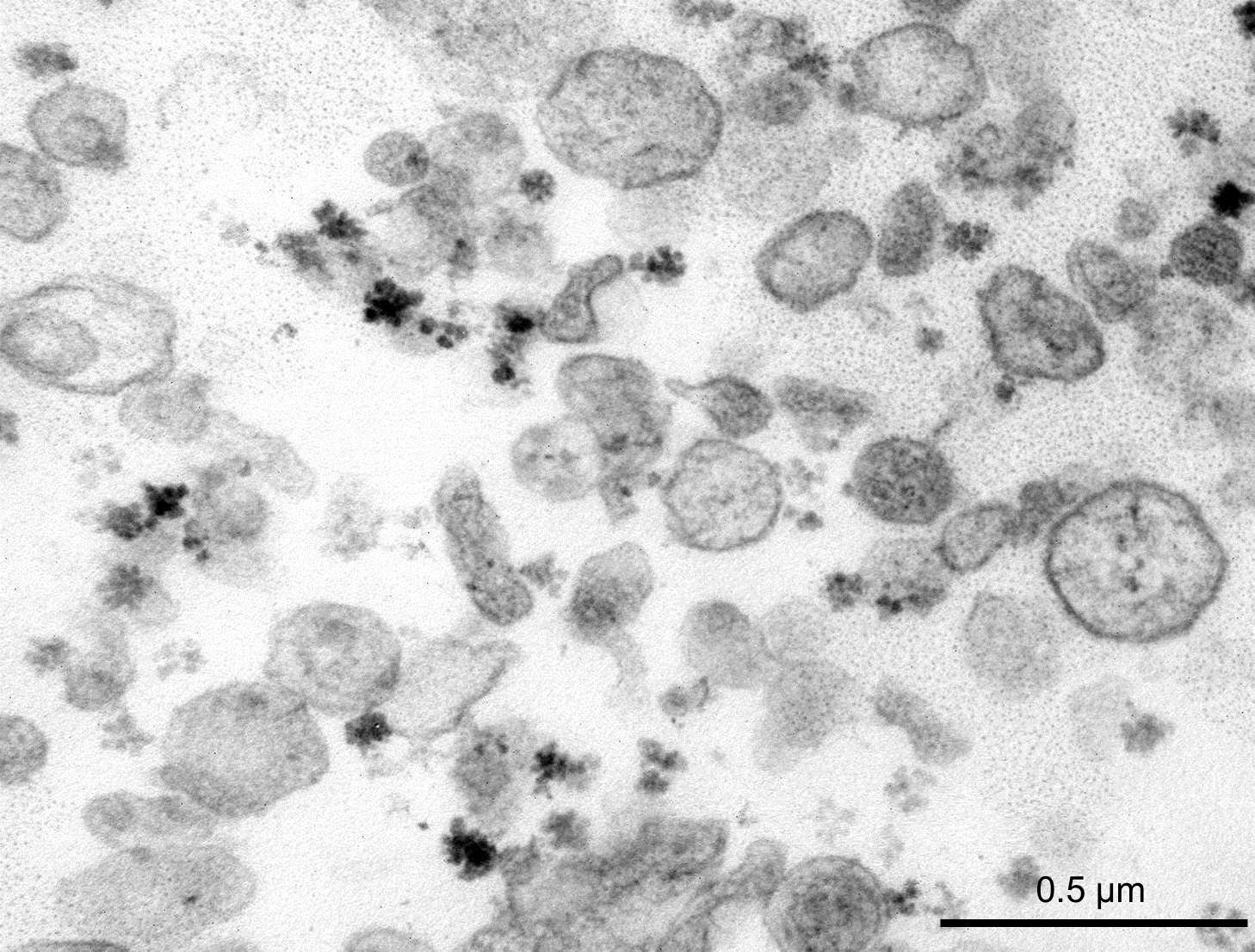
A trial sponsored by AP-HP and conducted by teams of Beaujon Hospital, AP-HP, Inserm and Université Paris Diderot was set up to establish an indicator that reflects the severity of liver disease in patients with cirrhosis. Coordinated by Professor Pierre-Emmanuel Rautou and Dr. Audrey Payancé the Hepatology Service of Beaujon Hospital, AP-HP, this study establishes that measurement microvesicles rate from liver and circulating in the blood greatly improves prediction of 6-month mortality of patients with cirrhosis.

This indicator would better choose treatments offer in patients with cirrhosis.These results, published in the journal Hepatology , also opening a reflection on the value of strategies to reduce the rates of these microvesicles in the blood of patients with cirrhosis.

Cirrhosis is the advanced stage of liver disease. It is estimated that the disease affects 200 000 to 500 000 in France and is responsible for 170,000 deaths per year in Europe.

In 2012, a collaboration between a team Inserm Unit 970 (Mixed Research Unit 970 – Paris – Cardiovascular Research Center) and the Hepatology Service of Beaujon Hospital, AP-HP, showed that the microvesicles [1] in the blood of patients with cirrhosis contribute to vascular complications associated with this disease (Rautou, Gastroenterology 2012). A correlation between the original microvesicles hepatocyte rate in patients with cirrhosis and severity of liver disease was established.

From this observation, a prospective study funded by the National Agency for Research (ANR) was conducted among 242 patients with cirrhosis: 139 supported at the Beaujon Hospital, Clichy, AP-HP and 103 Barcelona, ​​Spain.

The trial established was whether the microvesicles in the blood could predict the evolution of the patients.

The team measured and analyzed the microvesicles rate (annexin V, platelets, leukocytes, endothelial and hepatocellular) in plasma of these patients.

The results demonstrate that the extent of the original microvesicles rate hepatocyte greatly improves the prediction of 6-month mortality of patients with cirrhosis.

These biomarkers could provide a reliable tool to refine the prognosis of patients with cirrhosis to better predict their evolution and precisely select the most appropriate treatment for each individual.

The results also suggest that strategies to lower the microvesicles in the blood of patients with severe cirrhosis may be beneficial for patients.

Following this work, the team obtained a Ministry of Health funding (Hospital Programs of Clinical Research, PHRC “promice”) of $ 400 000 for further research and allow progress in the implementation practice this new test.

[1] The microvesicles are extracellular vesicles. They are detectable in the plasma of healthy individuals as in that of the sick.

New gene therapy success in beta thalassemia: 22 patients treated in France, United States, Thailand and Australia

©AdobeStock

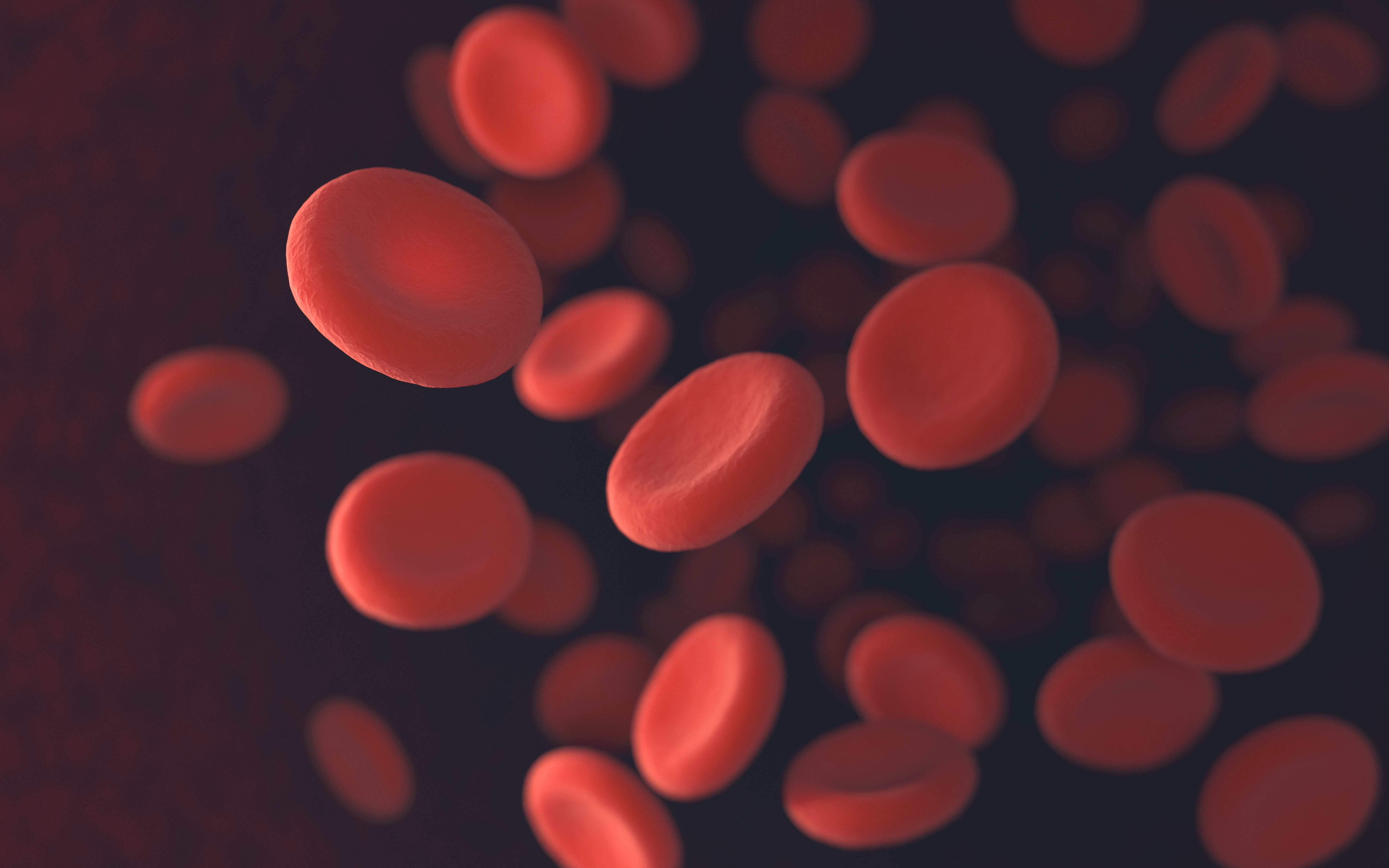
In an article in the New England Journal of Medicine published on April 19, the intermediate results of a clinical trial (HGB-205) led by Pr. Marina Cavazzana and her teams at the Necker-Enfants malades hospital AP-HP in collaboration with the Imagine Institute (AP-HP/Inserm/Paris Descartes University) as well as those of an international multicenter trial (HGB-204) conducted in the United States, Thailand and Australia, show that gene therapy is effective in improving the state of health or curing patients with beta thalassemia. These two clinical trials have used the same therapeutic vector “LentiGlobin”, developed at Harvard University in Boston and at the CEA in Fontenay-aux-Roses by Pr. Philippe Leboulch, in collaboration with the American company bluebird bio, for which he is the founder.

Pr. Marina Cavazzana, director of the biotherapy department at Necker-Enfants malades hospital AP-HP, laboratory co-director of the Inserm human lymphohematopoiesis laboratory at the Imagine Institute, and her team have treated patients who now produce a sufficient amount of therapeutic hemoglobin to stop the need for monthly blood transfusions.

Eight years after the first gene therapy in this disease, conducted by Pr. Cavazzana and Leboulch (Cavazzana et al. 2010), the lentiviral vector “LentiGlobin” of this therapy has been produced under the leadership of Pr. Leboulch of the Paris-Sud and Harvard universities and his colleagues, such as Dr. Emmanuel Payen, at the French Alternative Energies and Atomic Energy Commission (CEA) where Pr. Leboulch is Senior Advisor for medical innovation of the CEA Fundamental Research Division and Honorary Scientific Director of the François Jacob research institute. These trials are promoted by the American company bluebird bio, which was founded by Pr. Leboulch in Boston. Cumulating 15 to 42 months of monitoring, the patients of the two trials have no adverse effect and have resumed their professional or academic activities.

A young woman testifies:

I am nearly 24 years old and I benefited from an autograft 4 years ago. Now, thanks to that, I no longer have transfusions but above all I no longer have Desferal, which was my treatment in the form of a subcutaneous injection that I had to do every day to lower my ferritin. It was quite complicated, mentally more than anything because I was young and I did not feel like the others… Psychologically, I feel better now. I only take an oral treatment, which is an antibiotic, because they had removed the spleen damaged by iron deposits related to the transfusions, editor’s note] and a hormone treatment. I am monitored at Archet hospital […] as well as Necker hospital by Dr. Cavazzana and Dr. Semeraro. I go to Paris roughly every 6 months for my health to be assessed (a test) but everything is fine. I am delighted, I was lucky enough to benefit from this autograft and I wish the same for any sick person.

Beta thalassemia is one of the most common monogenic genetic diseases. It is caused by more than 200 mutations of the beta-globin gene (HBB) and affects almost 288,000 people worldwide with 60,000 new cases per year. Passed on as an autosomal recessive trait, it disrupts the production of the hemoglobin beta chain, resulting in a more or less severe anemia. In its major form, beta-thalassemia requires monthly transfusions and a treatment against the harmful effect of iron deposits caused by these transfusions. These only have a palliative effect. The curative treatment offered to these patients is generally an allogeneic transplant of bone marrow cells, when their clinical condition is not too fragile and one of their siblings is a compatible donor, which is only possible in about 25% of cases. In addition, the success rates are uneven and patients remain vulnerable to infections in the months following the transplant and to the “graft versus host disease”.

In the phase 1-2 trials HGB-204 and HGB-205, started in 2013, the researchers took blood stem cells from patients. They modified them using the vector LentiGlobin BB305 to give them a healthy replacement gene, before transplanting them into patients previously conditioned by a myeloablative treatment.

This way, these therapeutic stem cells have produced a sufficient amount of red blood cells with healthy hemoglobin levels. According to patient genotypes, gene therapy has freed them from all transfusions (12 out of 13 patients with a non-beta0/beta0 genotype), or has reduced their volume of 73% and reduced the frequency of transfusions (3 of the 9 patients with a beta0/beta0 genotype or two copies of the IVS1-110 mutation).

“After the therapeutic proof of principle that we had obtained in a thalassemic patient and a sickle cell patient, these international multicenter trials confirm the consistency and magnitude of the therapeutic efficacy of our vector in many patients. The phase 3 clinical trials are now underway on several continents before applying to market this biological medicinal product” said Pr. Leboulch.

“Gene therapy has again shown its therapeutic potential, provided that the expertise from different fields is combined. As such, I thank all medical teams at the Necker Hospital and AP-HP for providing us with this indispensable expertise, key to the success of this treatment. Our effort must now be focused on extending this approach to a large number of patients” emphasized Pr. Cavazzana.

The life of these patients has already changed dramatically. In the framework of trials HGB-204 and HGB-205, they will continue to be monitored for 13 years.

The article “Gene Therapy in Patients with Transfusion-Dependent β-Thalassemia” is published on April 19 in the New England Journal of Medicine.

Preserving Kidneys to Avoid Dialysis

How can we preserve renal function in people with a chronic kidney disease? Can dialysis be avoided or delayed? To answer these questions and many others, Inserm and Université Paris-Sud have set up the CKD-REIN1 cohort study, led by Bénédicte Stengel. Today it has produced its first results. According to the study, conducted with more than 3,000 patients, several priorities may improve the management of kidney disease. These priorities include improving blood pressure monitoring, providing more nutritional advice, and raising awareness among patients and health care professionals about the risk of medicine overdose.

This research has been published in Nephrology Dialysis Transplantation

Our kidneys have several functions. The first is to remove toxic waste produced by the body. The second is to maintain the amount of water and minerals (sodium, potassium) required for the body to function properly. The third is to produce the hormones, enzymes, and vitamins needed to control blood pressure, and to produce red blood cells and vitamin D. When the kidneys function poorly, a disruption in these processes can lead to high blood pressure, anemia, heart problems, and brittle bones. In addition, medicines accumulate in the body, increasing the risk of overdose. These complications are what make the disease so serious.

Today in France, one out of 1,000 people (85,000 people in all) undergoes dialysis or transplant due to kidneys that no longer function properly. These are major treatments that are restrictive for patients and very costly for the health care system. For the first time in France, a cohort study called CKD-REIN (Chronic Kidney Disease – Renal Epidemiology and Information Network) is being conducted on a national scale to address these key issues for chronic kidney disease. More than 3,000 patients have been included and will be monitored for five years to identify the determining factors of chronic kidney disease progression, and to identify which clinical practices are the most effective at preserving kidney function and avoiding or delaying dialysis. The purpose of the study is to establish the scientific bases for optimal patient management, reinforcing prevention and reducing the costs of kidney failure for the health care system.

What are the first takeaways from the CKD-REIN study?

The subjects of the study are patients who have a kidney disease and are monitored by a nephrologist. In reality, the majority of these patients see their nephrologists just once a year. Their general practitioners are those who provide first-line medical care. These patients, at a moderate or advanced stage of the disease, already have numerous complications and take many medications, an average of eight per day. The study points to several priority actions that would improve the management of the disease: improving blood pressure monitoring; providing more professional nutritional advice; and raising awareness among doctors and patients about the risk of acute kidney failure, the ways it can be prevented, and the risk of medicine overdose.

For more information: https://ckdrein.inserm.fr/

Hepatitis C: a novel point-of-care assay

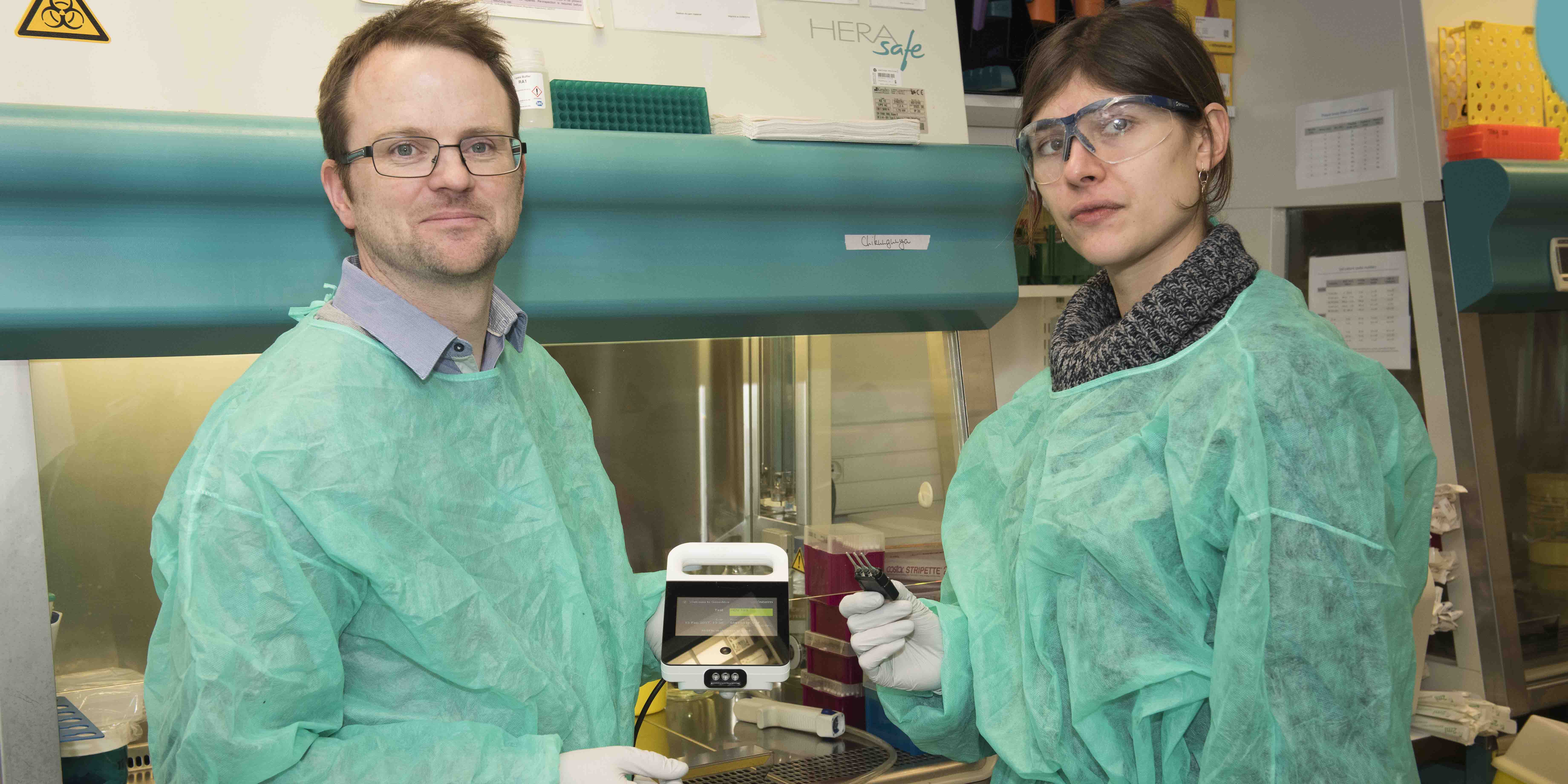
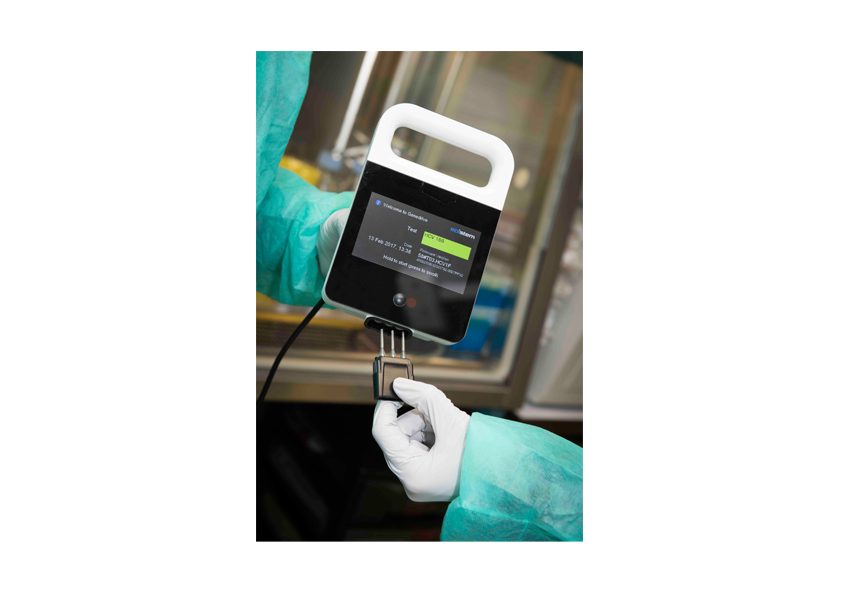
Darragh Duffy and Alba Libre, Immunobiology of Dendritic Cells Unit, Institut Pasteur / Inserm, using the Genedrive HCV assay. ©Institut Pasteur

One of the major challenges identified by the WHO in efforts to eradicate the hepatitis C virus (HCV) is the diagnosis of chronic cases that are generally asymptomatic. Major progress is required for new diagnostic techniques that can be “decentralized”, in other words accessed by populations and countries with limited resources. Scientists from the Institut Pasteur and Inserm, in collaboration with the company genedrive, have developed and validated a rapid, reliable, point-of-care HCV assay. This new screening assay means that patients can begin treatment for the disease as soon as they are diagnosed. The results have been published in the journal Gut on April 4th, 2018.

Hepatitis C is a liver disease caused by the hepatitis C virus (HCV). The virus can result in chronic infection, which may lead to severe complications such as cirrhosis and liver cancer many years later. Chronic infection with the hepatitis C virus affects approximately 1% of the global population (71 million people) and claims 400,000 lives every year when it develops into severe disease.

New direct-acting antivirals can successfully treat more than 95% of patients with chronic HCV infection if they are taken in time. In 2016, the WHO therefore published a plan to eliminate this major threat for public health by 2030. But the main challenge in meeting this ambitious target remains the diagnosis of asymptomatic patients, especially in low- or middle-income countries, where access to traditional screening assays is limited.

The current method for HCV diagnosis involves two stages. The first is to screen for specific HCV antibodies, but this does not reveal whether patients were infected in the past (and experienced spontaneous HCV clearance) or are still chronically infected. So the second stage requires a PCR1 assay to detect HCV RNA in the blood to confirm or rule out chronic infection.

There are rapid serological assays for HCV antibodies, but PCR screening requires dedicated infrastructure and qualified staff. In countries with limited resources, this type of assay is only available in centralized laboratories, which means that less than 1% of infected individuals in these regions actually know that they are infected. PCR screening may also involve several visits, and the time required between each result increases the risk of losing patients before the final diagnosis. To improve patient care from diagnosis to treatment, a screening assay for HCV RNA that can be “decentralized” and used in rural or low-income areas is urgently needed.

The team of scientists led by Darragh Duffy (Immunobiology of Dendritic Cells Unit, Institut Pasteur / Inserm) developed an assay in collaboration with the company genedrive that detects HCV RNA as reliably as existing assays but is faster and can be utilized at the point of care. PCR can be performed with the miniaturized device that enables the necessary succession of 40 reaction cycles to be carried out more quickly than in a conventional platform. The analysis can be performed in approximately an hour. This type of device is ultimately less costly than the current assays, which require significant laboratory infrastructure and maintenance.

The scientists began by clinically validating the assay on cohorts from the Institut Pasteur in France and the National Health Service in Nottingham, UK, then with data from Johannesburg-based Lancet Laboratories using samples from South Africa, Kenya, Ghana, Nigeria and Uganda.

The study demonstrated that the assay had a specificity of 100% – in other words there were no false positives – and a sensitivity of 98.6%, thereby meeting WHO requirements for this type of assay.

The kit has obtained CE certification for distribution in Europe and will be available for sale in the Middle East, Africa, South-East Asia and India once local regulatory clearance is obtained.

This study was funded by the organizations listed above and by the EU FP7 project POC-HCV.

Genedrive HCV assay. ©Institut Pasteur


1 PCR: Polymerase chain reaction, an enzyme reaction used to select then amplify an RNA fragment in large quantities. PCR consists of a series of repeated cycles (20 to 40 on average), each involving three temperature steps.

How allergens trigger asthma attacks

©Adobe Stock

A veritable sensor: a team of Inserm and CNRS researchers at the Institute of Pharmacology and Structural Biology (IPBS, CNRS/Paul Sabatier University – Toulouse III) has identified a protein that is able to detect various allergens in the respiratory tract, which are responsible for asthma attacks. This study, co-led by Corinne Cayrol and Jean-Philippe Girard, was published in Nature Immunology on March 19, 2018. It offers hope for breakthroughs in the treatment of allergic illnesses.  

What do mold, pollen and cockroaches have in common? Although they belong to three distinct kingdoms of the living world, they can all trigger asthma attacks in people sensitive to them. And all of them, despite their very different compositions, contain enzymes called proteases.   

The IPBS team has identified a human protein that reacts to a large number of environmental allergens: interleukin-33 (IL-33). When they enter the human respiratory tract, the allergens release their proteases. These split the IL-33 into extremely reactive fragments which trigger the chain reactions behind allergy symptoms.

This appears to be a general mechanism responsible for triggering allergic reactions. Indeed, IL-33 was shown to detect each of the 14 allergens tested, some of which are present in ambient air (several types of pollen, house dust mites, fungal spores) and others implicated in occupational asthma (such as subtilisin, found in detergents). 

These findings are all the more important because they establish a direct link between genetics and the environment. Indeed, the gene that codes for IL-33 is recognized as being one of the principal genes of asthma predisposition in humans.

Furthermore, clinical trials now under way are focusing on this protein. And they are on the right track, given this recent discovery of a single mechanism for detection of airborne allergens by IL-33. Inhibiting the production of reactive IL-33 fragments following allergen exposure could, for example, limit severe allergic reactions in asthmatic patients. 

This study was funded by the French National Research Agency (ANR). 


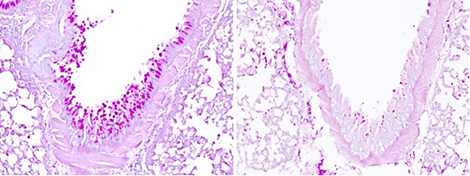
Mucous production in the lung following inhalation of an allergen : IL-33 sensor present (left), IL-33 sensor deactivated (right) (lung sections, mucous shown in magenta).   

Excessive mucous production is characteristic of allergic asthma. Protein IL-33, a major factor predisposing humans to asthma, detects allergen protease activity. Activated by proteases, IL-33 sets off a cascade of reactions, including mucus production, that are associated with asthma and other allergic illnesses. When IL-33 activation is inhibited (on the right), these reactions are not triggered.

© Corinne Cayrol and Jean-Philippe Girard / IPBS / CNRS-Paul Sabatier University – Toulouse III


Zika: an accurate estimation of the neurological risks in unborn children

Thanks to a study conducted in pregnant women and their unborn children during the Zika epidemic in the French territories in the Americas, researchers from Inserm, Institut Pasteur and the University Hospital of Guadeloupe have been able to accurately estimate the risk of severe neurological complications in babies. They have also determined that the first trimester of pregnancy is the period which presents the highest risk. While the overall risk is 7%, this rises to 12.7% – i.e. more than 1 in 10 children – if infection occurs during the first 3 months of pregnancy. This research has been published in the New England Journal of Medicine (NEJM).

In February 2016, faced with a drastic increase in the number of Zika infections and in order to establish a link between the virus and neurological complications, the World Health Organization (WHO) declared a “Public Health Emergency of International Concern (PHEIC)”. In March 2016, with the aid of the REACting consortium, Inserm took charge of the establishment, sponsorship and scientific follow-up of a cohort of pregnant women exposed to Zika in the French territories in the Americas, monitored by the French Antilles-French Guiana Clinical Investigation Center (Inserm CIC 1424). The objective? To study the fetal and neonatal complications associated with Zika virus infection in an epidemic situation. This cohort was funded by the French Ministry of Health and Solidarity (Exceptional Support of Research and Innovation) and included in the European ZIKAlliance[1] program.

Several thousand women who were pregnant during the Zika epidemic in the French territories in the Americas were enrolled in this cohort between March 2016 and August 2017. The article published in NEJM addresses those women from the cohort who presented with Zika virus infection confirmed by laboratory testing between March 2016 and November 2016. These women were then monitored every month until the end of their pregnancy. All complications and treatments received were recorded and if fetal abnormality was detected during an ultrasound, an additional examination by magnetic resonance imaging was performed.

The results obtained by the researchers show a 7 % rate of congenital neurological abnormalities observed in the fetuses and neonates of the cohort, which is a lot lower than that initially observed in Brazil, and close to what was observed in the US registry.

The study confirms an especially high risk in the event of infection occurring during the first trimester.

When broken down, the results show that the frequency of neurological complications is:
12.7% when the mother is infected during the 1st trimester
3.6% when the mother is infected during the 2nd trimester
5.3% when the mother is infected during the 3rd trimester

Likewise, the percentage of severe microcephaly (head circumference < -3SD) is 1.6% overall, and:
3.7% when the mother is infected during the 1st trimester
0.8% when the mother is infected during the 2nd trimester
0 when the mother is infected during the 3rd trimester

“These are the initial findings of the analyses of this cohort, given that the babies are still very young. It will be essential to monitor all the children in order to identify any later complications,” explains Bruno Hoen, physician researcher at Inserm and University Hospital of Guadeloupe and principal investigator of the study.

“Even if these complication rates are low in relation to other viral infections in pregnant women, they remain worrying given that the Zika virus can infect over 50 % of a given population in the epidemic phase”, comments Arnaud Fontanet, who heads the Emerging Diseases Epidemiology Unit at Institut Pasteur, and who is co-investigator of the study.

REACTing (REsearch and ACTion targeting emerging infectious diseases)

Inserm and its Aviesan partners have created REACTing, a multidisciplinary consortium that brings together research groups and laboratories of excellence, in order to prepare for and coordinate research to combat the health crises linked to emerging infectious diseases. Since its creation, REACTing has also set up programs centered around the Chikungunya, Ebola and Zika epidemics.

Clinical research at Inserm

The Clinical Research Unit manages sponsor activities for the clinical trials of which Inserm is a sponsor and, together with the Directorate of Health Care Supply (DGOS), jointly supervises the Clinical Investigation Centers (CIC). In 2017, he was in charge of 238 studies, including 15 European and/or international projects.


[1] ZIKAlliance is a 3-year project funded by the European Union’s Horizon 2020 Research and Innovation Programme under Grant Agreement No. 734548.

New pediatric reference growth curves for France

©AdobeStock

Thanks to work coordinated by Inserm and its researchers at the Center of Research in Epidemiology and Statistics Sorbonne Paris Cité (CRESS), French child health and immunization record booklets (carnets de santé) distributed from April 1, 2018 will contain new reference growth curves. These curves were devised according to a totally innovative method in which over 5 million measurements collected from children aged 0 to 18 years were analyzed. As expected, the new curves for height, weight and head circumference are situated above the old ones. Numerous innovations in their presentation will help parents and doctors to monitor children’s growth.

Monitoring the growth of children is essential and can be for various purposes, such as to ascertain the suitability of nutritional intake in normal or pathological situations or detect illnesses early – conditions which can be severe in some cases.  This process involves the regular measurement of weight, height, head circumference and Body Mass Index (BMI) and the comparison of these values with reference data. The French growth curves contained in the previous version of the health and immunization record booklet date back to 1979 and were established based on the measurements of several hundred children born in the 1950s who were monitored until adult age.  It was demonstrated that these charts, as well as those proposed by the World Health Organization (WHO), are not optimal for monitoring the growth of contemporary children in France[1].

This is why the French directorate general for health tasked the researchers from Inserm unit 1153/CRESS in October 2016 to produce updated growth curves for the new edition of the record booklet. To do this, the researchers took an innovative big data approach in which a public-private partnership was formed and a massive quantity of data extracted. In total, around 5,000,000 measurements of weight, height and head circumference, from 261,000 children between the ages of 0 and 18 years were collected and analyzed. This data was obtained from 42 consenting doctors randomly-selected from the pediatrician members of the French association of ambulatory pediatrics (AFPA) and primary care physicians, taking into account the region and size of their towns and cities of practice to ensure proper representation of the entire metropolitan territory[2]. The new curves were then devised in conjunction with the representatives of the future users in order to best meet their expectations.

In practice, what has changed?

As expected, the AFPA- CRESS/Inserm -CompuGroup Medical 2018 height and weight curves are situated “markedly above” the previous ones.

For example, the median height of girls at 10 years of age in the new references is 139.5 cm versus 134.7 cm on the previous curves, i.e. an increase of almost 5 cm. Even if these differences lessen at the end of puberty, this development could theoretically lead to concern about the normality of the growth of a greater number of children. That is why it is essential to take target parental height into account in their interpretation, the formula for which has been added to the booklets.

With regard to weight, and as recommended by the French national authority for health (HAS), childhood overweight or obesity must be determined from the BMI curve rather than the weight curve.  From 2 years of age, the BMI curves represented in the booklet are those proposed by the International Obesity Task Force (IOTF). The expert committee wished to precede these with the “AFPA-Inserm/CRESS-CompuGroup Medical 2018” curves for children before 2 years of age, in order to visualize peak BMI at around 9 months.  The new reference curves must enable the early detection of conditions in apparently healthy children, without worrying their families needlessly” explains Barbara Heude, Inserm researcher who coordinated this research with Pauline Scherdel and Martin Chalumeau.

A number of other changes have also been introduced. These include various weight and height curves for boys and girls as of the 0-3 years period, different head circumference curves for boys and girls between the ages of 0 and 5 years, and the representation of a greater number of growth curves in order to monitor individual trajectories better. Finally, the booklet contains indications of the normal pubertal periods in order to encourage their use in interpreting the curves. “Short messages throughout the booklet aim to raise the awareness of parents and healthcare professionals of the importance of regular growth monitoring and emphasize the parameters to take into account when interpreting the measurements” conclude the researchers who have been working since 2016 on the preparation of these new charts and new algorithms for the early detection of growth abnormalities.

In addition to the creation of new curves which will be used daily in France, the technical and scientific exploit achieved by this low-cost big-data approach will enable other teams in other countries to reproduce and improve on this strategy to easily produce calibrated anthropometric measurements.

Given the innovative nature of the approach, the methodological and epidemiological decisions were made in consultation with an expert committee, comprising in particular the following learned societies and professional associations: French society of general medicine (SFMG), Primary care practitioners’ training association (SFTG), French society of pediatric endocrinology and diabetology (SFEDP), French-speaking group of pediatric hepatology, gastroenterology and nutrition (GFHGNP), French pediatric neurology society (SFNP), French pediatric nephrology society (SNP), the General pediatrics and Social pediatrics groups of the French pediatric society (SFP), and French association of ambulatory pediatrics (AFPA).


[1] Scherdel et al. PLoS One 2015 and Lancet Diabetes Endocrinol 2016.

[2] It was necessary to identify a network of healthcare professionals who perform regular medical monitoring of a large number of children from birth to adult age and who use the same IT system. The CRESS researchers therefore formed a public-private partnership with the French association of ambulatory pediatrics (AFPA) and the company CompuGroup Medical. That is why these new curves are named AFPA-Inserm/CRESS-CompuGroup Medical 2018.

Alcoholism and dementia risk

©AdobeStock

Excessive alcohol consumption is linked to a threefold increase in overall dementia risk and a twofold increase in that of developing Alzheimer’s disease, making it a major modifiable risk factor for these conditions. This is the conclusion of an Inserm study performed in collaboration with Canadian researchers via the QalyDays Study Group[1]. Using exhaustive data on hospitalizations in France between 2008 and 2013, the researchers studied the link between alcoholism and dementia. Their findings, published in The Lancet Public Health, confirm the importance of reinforcing measures to prevent the misuse of alcohol.

The list of alcohol-related conditions is getting longer. To cancer, liver and cardiovascular diseases can now be added dementia. Excessive alcohol consumption, corresponding to six or more glasses per day for men and four for women, is found to be linked to a threefold increase in dementia risk. This includes early-onset forms of dementia occurring before the age of 65 and directly attributed to alcohol, such as Korsakoff syndrome, vascular dementia caused for example by stroke, and neurodegenerative dementia such as Alzheimer’s disease.

Whereas some studies suggest a protective effect of low to moderate alcohol consumption on cognitive function, little data exists when studying high levels of consumption. It is indeed often the case that people with alcoholism refuse to participate in medical research cohorts. To get around this problem, the researchers used information from the French National Hospital Discharge database (Programme de Médicalisation des Systèmes d’Information, PMSI) which contains information on all causes of hospitalization. Using this database, they identified 31.6 million adults hospitalized between 2008 and 2013, of whom 1.3 million had dementia and 950,000 presented excessive alcohol consumption (as well as alcohol dependence in 85% of the cases). Following exclusion of the dementia cases which could be attributed to a clearly-identified pathology, the researchers found excessive alcohol consumption in 57% of the cases of early-onset dementia and 8% of those with onset after the age of 65. For all adults admitted to hospital, alcoholism rates were evaluated as being 6.2% in men and 1.5% in women.

According to analysis of this cohort, excessive alcohol consumption is linked to a threefold risk of dementia and a twofold risk of Alzheimer’s disease. After taking the other dementia risk factors into account, the researchers consider that not only is alcohol a risk factor for dementia, it can also be considered the biggest risk factor ahead of smoking and high blood pressure.

“We think that alcohol could precipitate the onset of these diseases and hasten their progression by increasing structural and functional damage in the brain, explain the paper’s authors Carole Dufouil, Inserm Research Director, and Michaël Schwarzinger (Translational Health Economics Network (THEN) and Inserm unit 1137 “Infection, antimicrobials, modeling, evolution” (IAME) affiliated researcher). However, many potential mechanisms remain to be elucidated. This study therefore once again raises the issue of the dangers of alcohol, suggesting that additional preventive measures could help reduce the risk of dementia and its financial and societal cost”, clarifies Carole Dufouil.

This research also confirms the interest of working with healthcare databases. “Using this type of data to reveal major health issues is looking very promising now that these databases have become accessible under the health system modernization law“, says Carole Dufouil. The researchers can now access the National Health Data System which pools several health databases[2] “The data used in our study are not perfect because they have not been collected specifically for our research. They do not, for example, enable the precise measurement of alcohol consumption, such as the threshold beyond which the dementia risk becomes high. But the number of cases is so high that the statistical power overcomes many of these imperfections. That is the major advantage of working with such databases”, conclude Michaël Schwarzinger and Carole Dufouil.

[1] The QalyDays group studies the determinants of life expectancy and dependence-free life expectancy. It brings together two Inserm teams from the Joint Research Units 1137 “Infection, antimicrobials, modeling, evolution (IAME)” (Inserm-Paris Diderot University) and 1219 “Bordeaux population health research center” (Inserm-University of Bordeaux).

[2] (French state health insurance SNIIRAM data, PMSI database on healthcare establishment activity, CepiDC database on causes of death or disability-related data, etc.).

fermer