Menu

Television During Meals Linked to Poorer Language Development in Young Children

repas devant la TV

Between 3 and 6 years of age, children spend an average of around 2 hours a day in front of screens. © iStock – skynesher


Between 3 and 6 years of age, children spend an average of around 2 hours a day in front of screens[1]. While many researchers have identified links between screen time and cognitive development in children, few have looked at the context in which screens are used. Inserm researchers at the Center of Research in Epidemiology and Statistics – Université de Paris (CRESS) have identified a link between the television being on all the time during family meals and poorer language development. Their findings have been published in Scientific Reports.

Language is a social practice and human interaction plays an important role in its acquisition. Language development in children is therefore greatly influenced by their immediate environment, namely the interactions they have with their parents, siblings, and other children. Over the last few decades, screens have become an essential part of this environment. Even preschoolers spend a considerable amount of time in front of them.

Thanks to the follow-up over several years of children from the French cohort EDEN[2], researchers from Inserm and Université de Paris have been able to measure the amount of screen time and more specifically the frequency of exposure during family meals, which are key moments of verbal interaction between adults and children. Language assessments were conducted alongside this to identify how the context of screen exposure may influence language development in children.


1,562 children followed up at 2, 3 and 5.5 years of age

In order to measure the times and contexts of screen use, questionnaires were completed by the parents of the 1,562 children in the cohort followed up at 2, 3, and 5.5 years of age. In the study, the parents noted how often the television was on during meals. For the children’s screen time, only the time spent in front of the television, computer, and playing video games was taken into consideration.

The children’s language development was assessed by questionnaires completed by the parents when the children were 2 years old[3], and then by psychologists when they reached 3 and 5.5 years of age. In order to consider the potential role played by other factors, several other variables were included in the statistical analysis, such as family socioeconomic characteristics (income, parental level of education, etc.) and child-related characteristics (sex, childcare arrangements, activities with parents, etc.).

Cross-tabulation of these data revealed that the more the television was on (whether watched or simply used as a sound or image backdrop) during family meals, the poorer the language outcomes. In contrast, the children’s language did not appear to be directly related to the amount of time spent in front of screens.

In an approach that analyzed these relationships at each age, the language level at age 2 was lower among children who were “always” exposed to television during family meals compared to children who were “never” exposed[4]. At ages 3 and 5.5, the language assessment and verbal IQ results were higher for children who were “never” exposed to television during family meals, compared to those who were “sometimes” or more frequently exposed.

In an approach looking at the temporality between screen exposure and language development, the verbal IQ tested at 5.5 years of age was found to be lower in children who were always exposed to television during family meals at 2 years of age compared to those who were never exposed (mean difference of 3 IQ points). These results therefore encourage us to take better account of the context of screen exposure, and not just the duration.

“Although children are exposed to language through cartoons and other programs viewed on screens, verbal interaction between adult and child is strongly associated with better child language development. Having the television on during meals can therefore act as a brake on children’s verbal interactions, reducing both the quality and quantity of exchanges between children and adults,” explains Jonathan Bernard, Inserm researcher and co-author of the study.

Having the television on during family meals can affect both the child, by distracting him or her, and the parents, by diverting the conversations with their children.

Auditory and visual stimuli can increase distractions for children and parents in their home environment and make it more difficult for a child to extract from the background soundscape the phonological distinctions and syntactic features of the language needed for quality learning.


[1] Figures from the INCA 3 survey (Anses), 2014-2015

[2] The Eden cohort was created from the recruitment of 2,002 pregnant women between 2003 and 2006 in the public maternity hospitals of Poitiers and Nancy. EDEN is the first generalist cohort study conducted in France on early pre- and post-natal determinants of child health and psychomotor development.

[3] At 2 years of age, the children’s language skills were assessed using the French Communicative Development Inventories (IFDC). At 3 years of age, the NEPSY and ELOLA verbal language assessment batteries were used. And at 5-6 years of age, an IQ test was used.

[4] Exposure to television during family meals was assessed repeatedly at all three ages with the following question: “How often is the television on in the dining room when the child is eating at home?” with four response items: never, sometimes, often, or always.

Inserm Publishes Its Collective Expert Review on the Reduction of Alcohol-Related Harm

alcool

Alcohol was the world’s 7th leading cause of healthy life years lost in 2016 and is the leading cause of hospitalization in France. © adobe stock


Alcohol consumption is both directly and indirectly implicated in the onset of some 60 diseases, making it a major health risk factor. In France, around 43 million people consume alcohol. Faced with its inherent health, social and financial impacts, the country’s Health Directorate and Interdepartmental Mission to Combat Drugs and Addictive Behavior asked Inserm to take stock of the harm related to alcohol and formulate research avenues and measures to tackle it. The group of experts gathered by Inserm for the collective expert review procedure has published a report concerning the reduction of alcohol-related harm. It discusses social prevention strategies and uses data taken from the scientific literature available in the first half of the year 2020.

The collective expert review coordinated by Inserm began by making a critical analysis of the latest scientific knowledge in the field and establishing findings. The expert group then made recommendations aimed at reducing the risks and harm to health associated with alcohol consumption. Around 3,600 documents were collected from a variety of disciplines, such as clinical research, social marketing and sociology.


Alcohol consumption, leading cause of hospitalization in France

In France, high levels of consumption affect both teenagers and adults. Alcohol consumption in adolescence becomes regular (10 or more times per month) for 8% of 17-year-olds, while 40-50% report binge-drinking (5 or more drinks on one occasion) at least once a month. Among adults, the average daily intake is 27 g of pure alcohol per person (around 3 glasses).

Alcohol was the 7th leading cause of healthy life years lost worldwide in 2016 and is also the leading cause of hospitalization in France. Alcohol accounts for 11% of deaths of men and 4% of those of women from the age of 15, namely 41,000 deaths (30,000 for men and 11,000 for women according to the latest figures from 2015), making them the highest of any European country.

The expert review emphasizes that the price of alcohol, its availability and the norms relating to its consumption are associated with positive perceptions, encouraging its use. It shows that, in addition to individual factors, the marketing of alcohol (product, price, advertising, access) influences the modes and levels of consumption and plays a key role in young people’s drinking behavior. Alcohol producers are particularly present on the Internet and social media, where there is very little regulation of advertising.

The recommendations made by the experts address the issues of the law governing the sale of alcohol and the regulation of that sale, as well as communication and interventions to be considered.

For the tightening of the Évin law on the regulation of advertising and the control of the sale of alcohol

In France, the 1991 Évin law provides a framework to combat alcohol (and tobacco) related harm, but the experts note that not only is its current version not always respected, it has also been considerably modified and weakened by the lobbying of alcohol producers.

The expert group particularly recommends reducing the attractiveness of alcohol and the positive messages disseminated, and limiting its access, namely by:

  • reinforcing the Évin law to prohibit advertising on the Internet, in public spaces, and to counter the effects of marketing by making health warnings more visible.
  • increasing prices (taxation according to the number of grams of alcohol along the lines of the soda tax, or minimum price as in Scotland) – wine, for example, is subject to very little tax.
  • better and automatic control of its access by minors.
  • reducing its availability (times during which it can be sold and number of stores or licenses).


For reinforced communication by the authorities and health education for the general public

The expert group recommends the use of prevention messages aimed at the general population that are clear, specific and easy to implement and that are designed to be disseminated by digital means. These messages must also be adapted when aimed at the most vulnerable groups.

According to the collective expert review, the following must be reiterated:

  • the recommended maximum intake for those wishing to drink[2],
  • the need for zero alcohol, especially during pregnancy and the period before conception,
  • that women are biologically more vulnerable to the damaging effects of alcohol.

The expert review highlights that a priority issue when it comes to prevention is reinforcing:

  • protection factors while people are still very young. Interventions to target the prevention of consumption and strengthen users’ knowledge and “competence” should be developed, particularly through the use of digital means.
  • generic protection factors such as parenting competence and psychosocial competence: such interventions are effective in schools, with parents or families, and in the workplace.
  • health warnings and encouraging campaigns to stop drinking, such as “Dry January”, whose benefits (and low cost) have been proven.

For interventions to improve and adapt diagnosis and care

The experts suggest that these preventive actions should be supplemented by a strategy of systematic screening for high-risk alcohol consumption in order to enable appropriate care. The report suggests that primary care professionals should be better trained in screening strategies and effective intervention methods.

As such, the expert group recommends:

  • “short interventions” by trained staff, consisting of minimal personalized counseling, aimed at people whose use puts them at risk or who are experiencing difficulties with their consumption. Such interventions are often beneficially associated with screening and have a clearly established positive cost-effectiveness ratio. They can be used on electronic media adapted for community interventions (schools, armed forces, etc.).
  • strengthening the quality of the long-term follow-up of alcohol-dependent patients to avoid relapse, promoting effective therapeutic strategies (psychotherapy, medication, cognitive remediation, social rehabilitation, and the management of comorbidities).

The collective expert review concludes by stating that the major health, social and financial consequences of alcohol consumption, even at low levels, represent a burden for French society without the resources assigned to combat them being equal to the challenge. It should be possible for the measures recommended in this expert review, which are intended for the general public and public authorities, to be integrated at the heart of a policy of risk and harm reduction based on reduced consumption.


[1] By establishing a link between genetic variations associated specifically with a given biological trait and by measuring their effects on the risk of disease, Mendelian randomization makes it possible to establish a causal relationship between biological traits and risk of disease.

[2] Santé Publique France (French Public Health Agency): no more than 2 drinks per day and not every day

Hippurate, a metabolite derived from gut bacteria, is associated with microbiotal diversity

Microbiote

Insulin is produced by the beta cells of the pancreatic islets of Langerhans. Cells which, in type 1 diabetes, are destroyed by the immune system. In this study, the administration of hippurate improved blood glucose control and stimulated insulin secretion in animal models. © Inserm/U845/UMRS975/EndoCells SARL


Good gut microbiota function has an impact on our general physical and psychological health. Understanding how the architecture of the microbiota and the function of the bacteria that inhabit it affect the body has become a key research focus in recent years.

Within this context, researchers from Inserm and Université de Paris, in collaboration with teams from INRAE, Imperial College London and the University of Copenhagen in Denmark, have shown that hippurate, a metabolite derived from gut bacteria, is associated with microbiotal diversity. Hippurate is thought to play an important role in our cardiovascular and metabolic health, particularly by helping to regulate blood sugar. This research has been published in Gut.

For several years, the gut microbiota has been considered to play a key role in our health. Many scientific studies have highlighted the existence of a link between the diversity of the bacterial strains present and certain health parameters, particularly cardiovascular and metabolic.

The team led by Inserm researcher Dominique Gauguier focused on hippurate, a metabolite produced by the gut bacteria and that is found in urine.

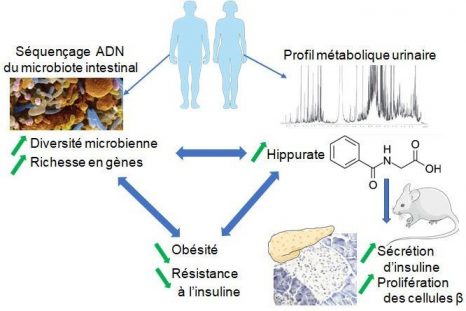
The scientists combined two methods, DNA sequencing (analysis of the genetic profile) of the gut microbiota bacteria and urinary metabolomic profiling (analysis of small metabolites present in urine) in 271 individuals from a Danish cohort (the MetaHIT study).

From the data obtained, the scientists show that high levels of hippurate in urine are associated with greater gut flora diversity and increased microbiotal gene richness, two parameters that protect against cardiometabolic risk (the risk of developing cardiovascular disease and/or diabetes).

The researchers also had information about the participants’ dietary habits and body mass index (BMI). They found that in obese individuals with a diet high in saturated fat and a risk of developing cardiovascular and metabolic problems, high levels of hippurate had beneficial effects on weight and metabolic health.

schéma Gauguier eng

Figure representing the main study findings.

These findings were supplemented by a validation study in obese mice fed a fatty diet. In these animal models, the administration of hippurate improved blood glucose control and stimulated insulin secretion. “This research confirms the importance in human health of gut flora architecture and function by demonstrating the beneficial role of a metabolite produced by gut bacteria. Something we had already shown with the metabolite cresol,” emphasizes Gauguier.

The relevance of these findings is both diagnostic, as hippurate can be considered a biomarker of microbiotal diversity, and therapeutic.

One could, for example, envisage modifying the microbiota using probiotic systems to produce larger quantities of the gut bacteria that synthesize the precursors of hippurate. This would then increase hippurate levels with their attendant protective effects on cardiometabolic risk.

For the scientists, the next step is to continue their research by studying the cellular mechanisms that explain how hippurate promotes insulin secretion and blood glucose regulation.

La thérapie optogénétique peut partiellement restaurer la vision chez un patient aveugle atteint de rétinopathie pigmentaire.


Many scientific studies have shown the health impacts of air pollution.

Pollution atmosphérique en Île-de-France

While PM10 emissions have decreased in Paris in recent years, it still has the highest PM10 levels of any European Union city. © Louis Paulin – Unsplash

Many scientific studies have shown the health impacts of air pollution. In the Île-de-France region, informational and warning air quality alerts (AQA) have been in place since 2007 to improve protection of the population from daily exposure to high levels of air pollutants. Using quasi-experimental statistical methods, researchers from Inserm and Sorbonne Université at the Pierre Louis Institute of Epidemiology and Public Health (IPLESP, Nemesis team) joined forces with the University of California San Diego to evaluate the public health efficacy of these measures taken in the Paris region, namely their preventive effects on mortality in the general population and more specifically in people over 75 years of age. Their findings have been published in Environment International.

Air pollution can have various short and long-term health effects. On the one hand, the continued exposure to pollution over a period of several years increases the risk of chronic diseases (such as lung cancer). On the other, acute exposure to high daily levels of air pollutants can worsen the symptoms of respiratory diseases or trigger a myocardial infarction.

A policy of alerts combined with emergency measures, such as the restriction of car traffic (for example, the reduction of speed limits), has been implemented in Paris and several other major world cities to protect their populations on days when exposure to air pollutants is particularly high. This policy involves identifying episodes or “peaks” of air pollution when the informational and recommendation threshold or the warning threshold defined by national regulations is exceeded or risks being exceeded for the following four pollutants: particulate matter (PM) smaller than 10 micrometers (PM10), ozone (O3), nitrogen dioxide (NO2) and sulfur dioxide (SO2).

For the first time since 2007, the year in which the PM10 pollution peak alert procedures were deployed in the Île-de-France region, a team of researchers from Inserm and Sorbonne Université at the Pierre Louis Institute of Epidemiology and Public Health (IPLESP) has measured their effects on mortality in the general population and more specifically in adults over the age of 75. The researchers were particularly interested in PM10 air pollutants and the impacts on the health of the region’s inhabitants of the emergency measures taken during pollution peaks.

“While PM10 emissions have decreased in the region in recent years, Paris still has the highest levels of any European Union city and 60,000 of its residents are regularly exposed to PM10 levels in excess of EU regulatory thresholds,” emphasizes Anna Alari, Inserm researcher and study author.

A quasi-experimental methodology using data from the 2000-2015 period

The research results are based on the study of data collected between the years 2000 and 2015, supplied by AirParif (the Île-de-France air quality observatory) and the Inserm Epidemiology Center on the Medical Causes of Death (CépiDC). The researchers identified two key dates for this period. The first being 2007, the year the first informational threshold value of pollution peaks involving interventions was implemented, when the presence of PM10 in the air exceeded 80 µg/m3, and the second being 2011, when this threshold was revised downwards to 50 µg/m3.

The analysis thus focused on the comparison of data collected over three distinct phases:

  • the pre-intervention period, when measures to combat pollution peaks had not yet been taken (from January 1, 2000 to December 31, 2007);
  • the first intervention period using the initial threshold values (from January 1, 2008 to November 29, 2011);
  • and the latest intervention period using the revised threshold values (from November 30, 2011 to December 31, 2015).

Effects on cardiovascular mortality

The study results did not show any effect on mortality of the informational and warning procedures as implemented in their first form in 2007 with relatively high informational thresholds. In contrast, the researchers did identify a benefit on cardiovascular mortality following application of the stricter thresholds in late 2011, with a 7% to 25% reduction in daily mortality in the general population (avoiding an estimated 386 deaths thanks to these measures over the 2011 to 2015 period) and a 9% to 28% reduction in daily mortality for older adults (avoiding an estimated 348 deaths). The study did not show any effect on respiratory mortality.

The use of so-called “quasi-experimental” methods made it possible to infer causal relationships (not correlations) between the deployment of the interventions and the observed effects on the population’s health.

All in all, the results suggest that this type of threshold-based policy, which only concerns acute exposure episodes, has no effect on mortality when regulatory thresholds are excessively high, as in 2007. When the thresholds are tightened, as in 2011, protective effects on mortality can be seen.

“The implementation of public policies focused on structural changes (pedestrianization of certain urban areas, strengthening of public transport networks to limit car use) or aiming to reduce emissions from industries are measures that could prove particularly beneficial, with a potentially stronger impact than short-term actions, such as the restriction of car traffic,” concludes Alari.

In France, an interministerial decree defines the informational and warning procedure in the event of a pollution episode and organizes emergency measures aimed at informing the population and reducing and/or limiting the emission of pollutants into the atmosphere in order to limit the impacts on health. A stricter update of this decree was made in April 2016 (updated on August 26, 2016), with tightening of the measures concerning emissions-based traffic restrictions, and in 2019, with the automatic application of those emissions-based traffic restrictions as well as the rollout of free residential parking during pollution episodes[1].

[1] The updated measures taken in the event of pollution peaks in Île-de-France can be found on the city of Paris website (information available only in French)

Arterial hypertension resistant to drug treatments: an international study demonstrates the blood pressure benefit of endovascular renal denervation by focused ultrasound

Hypertension artérielle

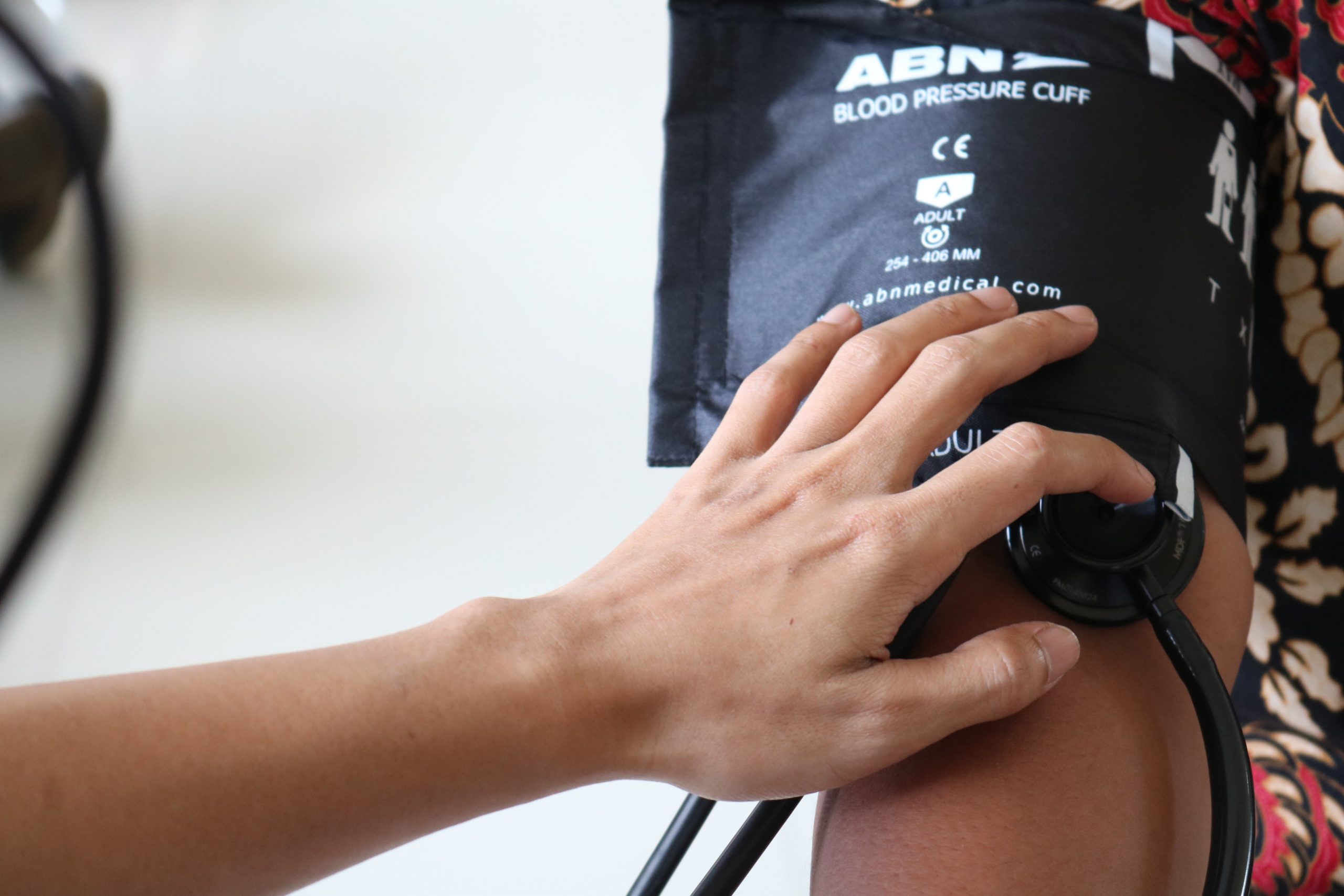
In France, arterial hypertension affects around 30% of the population and can lead to serious cardiovascular, cerebrovascular and renal complications, sometimes fatal. © Photo by Mufid Majnun on Unsplash

Teams from the Georges-Pompidou European Hospital AP-HP, the University of Paris, Inserm and the Presbyterian Hospital in New York carried out work coordinated by Prof. Michel Azizi, Head of Department (Center of Excellence in Arterial Hypertension at the Georges-Pompidou European Hospital AP-HP) and coordinator of CIC1418 APHP-Inserm-University of Paris, to demonstrate the blood pressure benefit of endovascular renal denervation by focused ultrasound. 

After the first positive results in mild to moderate hypertension (hypertension) published in The Lancet in 2018, promising new results were obtained in patients with severe hypertension and resistant to drug treatments in the international study RADIANCE TRIO. They were the subject of a new publication, on May 16, 2021, in the journal The Lancet .

In this study designed and conducted by Prof. Michel Azizi in collaboration with an American start-up (ReCor Medical), renal denervation via the endovascular route consisted in interrupting the electrical activity of the nerves of the sympathetic nervous system for renal use by delivering focused ultrasound through a catheter.

For this study, 136 patients, 80% of whom were men with an average age of 52 years, with hypertension resistant to a combination of three antihypertensive drugs administered in a single tablet, were randomly divided into two groups: the one treated by renal denervation by ultrasound and the other by “sham” intervention consisting of diagnostic arteriography. Neither the patients nor the follow-up medical team knew the group to which the patients had been assigned by the draw.

The results showed that renal denervation reduced blood pressure in patients with hypertension resistant to triple antihypertensive therapy conducted according to current recommendations.

Indeed, after two months of follow-up without modification of the antihypertensive treatment except for safety reasons, the results of the study show that:

– daytime ambulatory systolic pressure was reduced by 8 mmHg in the denervation group while it was reduced by only 3 mmHg in the “sham” group, i.e. a clinically relevant difference of 4.5 mmHg in favor of renal denervation.

– 67% of patients treated with renal denervation had a reduction of ≥ 5 mmHg compared to 42% in the “sham” group.

– 38% of patients not controlled by antihypertensive treatment at randomization had their blood pressure normalized two months after renal denervation while maintaining the same drug treatment.

– There was only one reversible complication (pseudoaneurysm) at the puncture on the femoral artery. 

“Patients with resistant hypertension, that is to say who have failed treatment despite taking antihypertensive drugs correctly, are those most at risk of having a complication of hypertension. Long-term maintenance of the reduction in blood pressure after renal denervation procedure would have beneficial consequences in terms of reducing cardiovascular and cerebrovascular events in these patients. The follow-up at 6, 12 and 36 months is in progress and will give indications on the maintenance at a distance of the decrease in blood pressure .These new positive results, along with those obtained in mild to moderate hypertension, demonstrate that renal denervation lowers arterial pressure across the entire hypertension spectrum. However, there is inter-individual variability in the response we are working on, ”explains Prof. Michel Azizi.

The RADIANCE-II research program is currently continuing.

In France, arterial hypertension affects around 30% of the population and can lead to serious cardiovascular, cerebrovascular and renal complications, sometimes fatal. Despite the availability of many different drug classes, hypertension remains poorly controlled in more than 45% of hypertensive patients in France [1] and worldwide.


[1] ESTEBAN epidemiology study conducted by Public Health France

(* mmHg: millimeter of mercury)

EPIPAGE-2 Study: Outcomes for Preterm Children After 5.5 Years

© Gabe Pierce – Unsplash

At 5.5 years of age, near-normal developmental outcomes can be expected for 35% of children born extremely preterm, for around 45% of those born very preterm, and for 55% of those born moderately preterm. Difficulties that are encountered range from severe but rare disabilities to more subtle disorders that require the mobilization of considerable medical, paramedical, and familial resources. At 5.5 years of age, a time when it becomes easier to explore the major neurodevelopmental domains, over one third of children born prematurely have so-called minor difficulties in the motor, sensory, cognitive, or behavioral domains. Their frequency of occurrence requires close monitoring of the children in structured networks in order to catch them early and take action at a time when brain plasticity is at its peak.

These are the findings of EPIPAGE-2, a study performed by researchers from the Inserm-Université de Paris Obstetrical Perinatal and Pediatric Epidemiology Research Team (EPOPé) from the Center of Research in Epidemiology and Statistics (CRESS, Unit 1153), and with the participation of teams from the Paris Hospital Group (AP-HP) and from the CHU of Lille. This study looked at the outcomes of 3083 children who had been born prematurely: school integration, healthcare use, and the concerns felt by their parents. It has been published in The British Medical Journal.

In France, prematurity is the leading cause of neonatal mortality and is responsible for half of all disabilities of perinatal origin. It affects around 55,000 births each year. Among these many thousands of infants, 8 to 10,000 are born at 22 to 31 weeks of gestation and are described as extremely preterm or very preterm.

Extremely preterm: infants born between 24 and 26 completed weeks of gestation

Very preterm: infants born between 27 and 31 completed weeks of gestation

Moderately preterm: infants born between 32 and 34 completed weeks of gestation

EPIPAGE-2 is a French study led by Inserm whose initial population was 5170 children, born prematurely at between 5 and 7.5 months’ gestation, between April and December 2011. One objective of the researchers coordinating it is to improve knowledge of how prematurity impacts children, more specifically their neuromotor, sensory, cognitive, and behavioral development as well as their learning. A total of 3083 children were assessed within the framework of specialist consultations dedicated to the study at 5.5 years of age.

“The age of five and a half is a key time in a child’s development, making it possible to diagnose learning difficulties and study cognitive skills, which are much more difficult in younger children,” emphasizes Pierre-Yves Ancel, EPOPé team leader from the Public Health and Social Medicine Department of Cochin Hospital AP-HP (Mother-Child Clinical Investigation Unit).

Prematurity determines neurodevelopment

A preterm child with a neurodevelopmental difficulty is a child who, as he or she grows up, deviates from the developmental characteristics observed in most children born at term.

“The objective of the study is to paint a precise picture of the difficulties faced by these children during their development in order to enable appropriate care,” explains Véronique Pierrat, EPOPé team researcher and neonatologist at Lille University Hospital.

The study reveals that the more premature the birth, the more the child will present neurodevelopmental difficulties. While 27% of children born extremely preterm were found to have severe or moderate developmental difficulties, 19% of those born very preterm presented similar difficulties, compared to 12% of children born moderately preterm.

These difficulties include motor, vision or hearing difficulties, or intellectual disabilities. Regardless of how preterm the children were, more than one third of them were found to have so-called minor difficulties. However, the majority of those minor difficulties were still found to require support and the right care to prevent them from affecting the child’s daily life or learning.

School integration and complex developmental interventions

The results of the study show that the more premature the birth, the more the child’s schooling needs to be adapted. While 93% of moderately preterm children were enrolled in regular classes (with no specific support), this proportion was only 73% for children born extremely preterm.

It can also be noted that over half of the children born extremely preterm, one third of those born very preterm and one quarter of those born moderately preterm benefited from complex developmental interventions (speech therapy, physiotherapy, psychological support, etc.). However, 20 to 40% of children with severe difficulties received no support.

Parental concerns

The parents were asked about the general health of their children, their behavior, schooling and quality of social interactions, as well as their concerns about their development. The study highlights the importance of the environment in which the child develops and reinforces the need to offer families coordinated medical, educational, and social support. These concerns are real, even when the child’s development is considered normal. Therefore they deserve to be better understood and will continue to be monitored.

Further analysis of the links between development at 2 years of age and development at 5.5 years of age is expected to provide a better understanding of how to improve the monitoring of these children.

For their families, it is important to emphasize that development at a given age is not set in stone, that the child’s brain is still developing, and that the difficulties observed can be managed and supported, provided that they have been properly identified and the care pathways optimized.

This cohort continues to be monitored with a new collection of information planned for when the children are 10 years old.

Démence : des nuits plus courtes associées à un risque accru de développer la maladie


Air Pollution: Black Carbon Linked to Increased Cancer Risk

Pollution de l'air

Air pollution is linked to thousands of deaths each year in France. © Adobe Stock

Air pollution is responsible for thousands of deaths each year in France. Knowing more about the health effects of its various components is therefore a priority. Scientists from Inserm, Université de Rennes 1 and EHESP School of Public Health at Irset and their counterparts from Université Versailles Saint-Quentin-en-Yvelines (UVSQ) at Joint Service Unit 11 chose to focus on black carbon – a constituent of the fine particles produced by incomplete combustion, particularly related to automobile traffic. While it has already been associated with numerous health problems, this research suggests for the first time that long-term exposure to black carbon is also linked to an increased risk of cancer, particularly of the lungs.Their findings were published in EHP on March 24, 2021.

Pollution of the air by fine particles1 is a major public health concern, with the scientific literature from the past several years showing a link to the risk of cancer. In 2013, the International Agency for Research on Cancer (IARC) actually categorized all fine particles as known human carcinogens.

However, the term fine particles represents a “black box”: not all of the components of these particles are likely to impact cancer risk in the same way. Several candidates are being studied to explain their adverse health effects. One such candidate is black carbon, named for its composition and color – a component of the fine particles resulting from incomplete combustion whose generally harmful effect on health has already been pointed out by the World Health Organization (WHO).

In their work at Irset (Inserm/Université de Rennes 1/EHESP) and Joint Service Unit (JSU) 11 (Inserm/UVSQ), Inserm researchers Emeline Lequy and Bénédicte Jacquemin specifically evaluated the link between long-term exposure to black carbon and lung cancer in order to elucidate the role of this component in the adverse health effects of air pollution.


Residential history and exposure to pollution

The scientists used health data from the participants in the Gazel cohort, which was set up by Inserm within JSU 11 in 1989 and groups around 20,000 participants who are followed up every year.2 The strong point of this cohort is that the history of where all the participants have lived over the past 30 years is available. Thanks to the European project ELAPSE, the researchers also had access to very precise estimates of the levels of pollution relating to where each participant had lived.

This cohort is also very well described when it comes to risk factors for cancer, such as the participants’ smoking habits, alcohol consumption, and occupational exposures.

Based on these data, the researchers and their colleagues determined the degree of association between the levels of local pollution to which the participants have been subject since 1989 and the risk of developing cancer in general, or lung cancer more specifically.

Using statistical models adjusted to take into account other risk factors and isolate the concomitant effect of the fine particles that include black carbon, they were able to specifically show the link between black carbon and cancer risk.

Their study suggests that the higher the levels of exposure to black carbon in the participants’ localities, the higher the risk of lung cancer. Those with the highest levels of exposure to black carbon since 1989 presented an approximately 20% increased cancer risk compared to those with the lowest exposures. An increased risk that rose to 30% for lung cancer. This component could therefore partially explain the carcinogenic effects of air pollution.

These findings, which are unprecedented on cancer incidence and which reinforce the existing scientific literature on other health problems, are important when it comes to guiding public decision-making in terms of health policies and the regulation of air pollution.

“At an individual level, it is difficult to recommend measures for limiting exposure to black carbon from ambient air particles. However, it is possible to adjust public policies if we can show which air pollutants cause the most harm. So we hope that our findings will help to expand knowledge in order to guide and refine these policies, for example by taking specific measures against black carbon, which mainly comes from automobile traffic,” emphasizes Jacquemin, the study’s last author.

The team now wishes to continue its analyses in order to study the effects on health of other specific pollutants, such as metals. The objective is also to continue to study the impact of black carbon in other, larger, cohorts such as Constances, with participants who have been recruited more recently, to determine whether air pollution, even at low levels, can affect health.


1 Particles with a diameter of less than 2.5µg, or PM 2.5. The term encompasses particles of natural and human origin.

2 The Gazel cohort was set up in 1989 by Inserm, in cooperation with several departments of EDF-GDF (French national gas and electricity companies). Since 2018, the collection of information from Gazel volunteers has been harmonized with that of the Constances cohort. https://www.gazel.inserm.fr/

Mental Health Deterioration in Lockdown: Results of a Mavie Cohort Study

Dépression Confinement

Levels of anxiety, depression and perceived mental health deteriorated significantly during the lockdown. © Erik Mclean on Unsplash

Calyxis in Niort and the Inserm-Université de Bordeaux Population Health Research Center have published the findings of their study on the mental health impacts of lockdown in the journal Globalization and Health. Anxiety, depression, and self-rated mental health saw marked deteriorations in the MAVIE cohort, particularly in women, young people, elderly people, and those with less than 30 m2 of living space.

In 2014, Inserm and Université de Bordeaux had joined forces with the Calyxis risk prevention expertise center to set up the MAVIE Observatory intended to study everyday-life accidents among 10,000 volunteers in France. During their recruitment, they were asked to complete various online questionnaires intended to find out about their health and lifestyles. Over the 6 years that followed, any everyday-life accidents that occurred were recorded. At the time of the first COVID-19 lockdown, given that the mental health status of the MAVIE volunteers had been measured at the recruitment stage, a second estimate of this status was carried out in order to compare it to the first.

Two validated scales were used: the Patient Health Questionnaire-9 (PHQ-9) to measure depression symptoms and the Generalized Anxiety Disorder 7-item Scale (GAD-7) to measure anxiety symptoms. A third indicator was introduced, in which the participants were asked to rate their mental health on a scale from 1 to 10.

A total of 1237 volunteers agreed to participate in this study by completing this second questionnaire. Based on their responses, the researchers found that the proportion of volunteers with anxiety symptoms had increased from 17% to 20%. However, the proportion of those with depression symptoms had changed only slightly – from 27% to 28%. The self-rated mental health score had decreased from 7.77 to 7.58 – albeit to a lesser extent for those used to spending more than an hour a day on a screen, perhaps because it is an activity compatible with lockdown.

Those having presented more depression symptoms during lockdown were women, young people, elderly people, and those with less than 30 m2 of living space.

Those with poor physical health had a threefold greater risk of presenting more symptoms of anxiety during confinement.

The same study was repeated during the second French lockdown and the data are currently being analyzed. Initial results show a marked deterioration in these same three mental health indicators.

Certains cocktails de pesticides favoriseraient le risque de cancer du sein chez les femmes ménopausées

fermer