
Menu

Child Physical Abuse: Standardizing Guidelines to Optimize Diagnosis

In developed countries, 4% to 16% of children under 18 are physically abused. © Adobe Stock


Diagnosing physical abuse in infants can be difficult. To assist health care professionals, guidelines defining what to do in case of suspected physical abuse have been produced by learned societies, public authorities, and independent expert groups. Despite this reference framework, differences in management have been observed between practitioners, both in France and in other developed countries. To try to understand this phenomenon, researchers from Inserm and teacher-researchers from Université de Paris at the Center for Research in Epidemiology and Statistics (CRESS), the Paris hospitals group AP-HP and Nantes University Hospital analyzed and compared different clinical guidelines published in 15 countries. They have discovered substantial differences between countries and even within countries where several reference documents sometimes coexist. The findings of this systematic review highlight the need for an international consensus process in order to produce clear and standardized guidelines to optimize the practices of health care professionals. These findings have been published in JAMA Network Open.

Physical abuse affects 4% to 16% of children under the age of 18 in developed countries and around one third of diagnoses of such abuse are made late. Infants under two years of age are the most affected, which adds to the difficulties of rapid diagnosis based on a combination of clinical and social assessments, imaging examinations, and laboratory tests.

Several previous studies revealed discrepancies in the practices of health care professionals when physical abuse is suspected. A French study published in 20151 showed, for example, that in the theoretical case of a 9-month-old infant presenting with femoral fracture, multiple bruising, and a head injury, only 28% of the pediatricians surveyed would have requested a skull MRI, despite it being recommended following a CT scan within this context of potential inflicted injury.

Faced with this observation, and in an attempt to understand these differences between practices, the study looked at guidelines intended to assist health care professionals in diagnosing child physical abuse. These guidelines, accessible online, were produced by learned societies, health agencies, and pediatric expert groups, and include documents written by the French National Authority for Health (HAS), the UK Royal College of Paediatrics and Child Health, and the American Academy of Pediatrics.

The scientists extracted the data from 20 reference documents published between 2010 and 2020, by 15 of the 24 most developed countries according to the United Nations. They compared the diagnostic examination guidelines in the event of suspected child abuse, determining for each examination whether it was routinely recommended, conditional (on a case-by-case basis depending on the clinical context), not recommended, or not even mentioned.


Discrepancies between reference documents that create gray areas

According to the study findings, the international guidelines vary widely, which could explain some of the differences between the clinical practices observed in the diagnosis of child physical abuse.

While some examinations, such as skeletal X-rays, are recommended across the board, others are recommended on a case-by-case basis or not at all, depending on the country. For example, a bone scan – an imaging examination used to look for fractures in addition to skeletal X-rays – is recommended by the HAS and the American Academy of Pediatrics but not by the Royal College of Radiologists. Within the UK, the Royal College of Radiologists and the Royal College of Paediatrics and Child Health differ in their recommendation for the use of this scan.

The researchers also saw significant differences in the definition of “sentinel injuries,” – injuries found in infants who have not acquired the ability to move on their own and which require assessment for physical abuse. While all the documents analyzed propose a description of these injuries, the content differs: six give a brief description and focus solely on skin lesions, while ten also refer to intra-oral, intracranial and abdominal injuries, and fractures.

Finally, the researchers found that some of the elements frequently mentioned in the guidelines did not appear in all of them. For the researchers, even investigations that are not recommended should be mentioned in all of the documents, if only to explain to the practitioner why they are not recommended.

“Our objective was to systematically examine the completeness, clarity and consistency of the clinical guidelines for the early detection and diagnostic work-up of child physical abuse. We felt that, in the developed countries, the authors of guidelines theoretically all have access to the same knowledge and that all practitioners have the possibility to prescribe the same examinations. As such, there should be little variation between the examinations recommended for suspected child physical abuse and those actually carried out. We did not expect to identify such great disparities between the guidelines. We believe that these differences may partially explain the absence of the standardization of practices,” explains Flora Blangis, first author of the study and doctoral student at Inserm.

“Our objective was to systematically examine the completeness, clarity and consistency of the clinical guidelines for the early detection and diagnostic work-up of child physical abuse. We felt that, in the developed countries, the authors of guidelines theoretically all have access to the same knowledge and that all practitioners have the possibility to prescribe the same examinations. As such, there should be little variation between the examinations recommended for suspected child physical abuse and those actually carried out. We did not expect to identify such great disparities between the guidelines. We believe that these differences may partially explain the absence of the standardization of practices,” explains Flora Blangis, first author of the study and doctoral student at Inserm.

According to the researchers behind this systematic review, the findings highlight the need for an international consensus process in order to produce clear and standardized guidelines to optimize the practices of health care professionals in the diagnosis of child physical abuse. Such an approach has been carried out in many other areas of medicine, particularly for the screening of hypertension.

Primary care physicians and pediatricians are key players in the early detection and diagnosis of child physical abuse. They should be able to base their decisions on guidelines that are clear, comprehensive, and consistent, as is the case with other diseases,” concludes Blangis.

Standardizing practices2 is an issue that is all the more important given the serious consequences that incorrect diagnosis can have on a child’s health. In particular, false negative results expose infants to a risk of recurrence of abuse estimated as being between 35% and 50%.


1 Ledoyen A, Bresson V, Dubus J-C, et al. Explorations complémentaires face à une situation d’enfant en danger : état des lieux des pratiques en France en 2015. Arch Ped. 2016

2 Deployment throughout France of Pediatric Reception Units for Children at Risk (UAPED) should help to standardize practices in the diagnosis of abuse and the care pathway for abused minors. This is a strong focus of the plan to combat violence against children decided upon by the Ministry of Solidarity and Health and supported by the French Society for Forensic Pediatrics.


Lancement du Groupement d’intérêt scientifique Obépine sur les eaux usées

Covid-19 : Le lourd impact de l’épidémie sur la santé mentale des étudiants, notamment pendant les périodes de confinements

The Utility of a Two-Dose Ebola Vaccine Regimen Confirmed

vacnni anti Ebola

© Adobe Stock


In response to the 2014-2016 Ebola epidemic, the clinical development of a two-dose regimen of vaccines Ad26.ZEBOV and MVA-BN-Filo was accelerated. Approved in 2020 by the European Commission for use in epidemic emergencies, this regimen continues to demonstrate its relevance. An Inserm study led by Rodolphe Thiébaut (Inserm, INRIA, Université de Bordeaux, Vaccine Research Institute) has played a role in evaluating its safety and immunogenicity in healthy adults and in those with HIV and compared different time intervals between the two doses. It has confirmed that this regimen is well tolerated, that the antibodies acquired persist for at least one year, and that they can be easily reactivated by a booster shot. The findings of this trial have been published in Plos Medicine.

Since its discovery in 1976, Ebola has been found in several countries in Equatorial Africa with increasingly frequent epidemics (more than 30 to date). Infection with the virus begins in the form of flu-like illness but is often complicated by life-threatening organ failure and hemorrhage. During the largest epidemic in West Africa between 2014 and 2016, a total of 28,616 cases were identified leading to 11,310 deaths. During this epidemic, an initial single-dose vaccine was approved and used in the field (Ervebo). At the same time, pharma company Janssen launched the accelerated development of a different vaccine regimen1. This involves the administration of two different vaccines: the first being Janssen’s Ad26.ZEBOV, composed of an adenoviral vector containing the envelope protein of the Ebola Zaire virus that triggers antibody production, and the second being Bavarian Nordic’s MVA-BN-Filo, which uses a different viral vector and contains four different antigens of the Ebola virus family, including the Ebola Zaire virus glycoprotein.

Using the viral vector makes it possible for the Ebola virus antigen (the glycoprotein) to penetrate the immune cells in the manner of a Trojan horse, triggering the immune response. With this dual-administration strategy, we assumed that the immune response would last longer than with a single-dose vaccine,” explains Rodolphe Thiébaut, Inserm team leader and Professor of Public Health at Université de Bordeaux, which is participating in this EBOVAC accelerated development program.

This hypothesis has recently been validated by the publication of the findings of a Phase II clinical trial (EBOVAC 2) intended to assess the safety and immunogenicity of this regimen in healthy people and in those with HIV living in Africa. In the meantime, it was approved in July 2020 by the European Medicines Agency in adults and children over one year of age, based on data already available.

Nevertheless, this regimen continues to be developed in different populations (adults, children, pregnant women, caregivers), in different parts of the world (to confirm the robust immune response and tolerability profile) and with different follow-up durations, to confirm the preliminary data and evaluate its utility in prevention in populations potentially exposed to the virus – particularly rural populations in Equatorial African countries. The aim being to prevent the occurrence of a new epidemic. “While the epidemics are generated by the virus passing from bats to humans, their progression is facilitated by mobility that is increasing thanks to the advances in infrastructure,” warns Rodolphe Thiébaut, and “having vaccines tested in Africa with the collaboration of research teams from African countries to protect populations is a major development challenge for our countries with their limited means and limited hospital resources,” adds Houreratou Barry, investigator responsible for the trial at the Muraz Center in Bobo-Dioulasso, Burkina Faso.

This Phase II trial is moving in that direction. It enrolled 668 healthy adults between the ages of 18 and 70 and 142 adults between the ages of 18 and 50 with HIV (a common condition in African populations liable to influence immune response to the vaccine) whose viral load was controlled by antiviral therapy. Participants were recruited in Kenya, Burkina Faso, Côte d’Ivoire, and Uganda. They received the vaccine or a placebo solution according to the following regimen: one dose of Ad26.ZEBOV or placebo, followed 28, 56, or 84 days later by MVA-BN-Filo or placebo. In the group of healthy subjects, 90 people also received an additional booster dose of Ad26.ZEBOV one year later.

The researchers analyzed adverse event reports over the follow-up year as well as changes in the levels of antibodies to the Ebola virus glycoprotein. No vaccine-related serious adverse events were observed, only mild to moderate events common with vaccination, such as pain at the injection site, fatigue, headache, and muscle pain.

The increase in the interval between the vaccinations from 28 to 56 days improved the immune response and the antibodies persisted for at least one year in both the healthy subjects and in those with HIV. These antibodies were found in 78 to 88% of the participants. Extending the interval to 84 days provided no additional benefit (and would only extend the vaccination schedule unnecessarily), which confirmed the 56-day interval as optimal for this vaccine regimen.

In addition, the booster one year later sufficiently stimulated the production of antibodies with levels multiplied by 55, indicating that the first vaccination triggered an easily reactivable memory immune response, “which is very important in the context of the recurring epidemics observed in Africa,” concludes Thiébaut.


1 Supported by the IMI EBOLA+ program (a joint initiative of the European Commission and the European Federation of Pharmaceutical Industries and Associations [EFPIA]) within the framework of a consortium with the academic teams from Inserm, the London School of Hygiene and Tropical Medicine, the University of Oxford, and the Muraz Center in Burkina Faso.  This project was funded by the joint Innovative Medicines Initiative 2 (www.imi.europa.eu) under EBOVAC2 grant agreement no. 115861. This joint initiative is supported by the European Union and EFPIA’s Horizon 2020 research and innovation program.

Chatbot for addressing COVID-19 vaccine hesitancy

ordinateurResearchers from the CNRS, INSERM, and ENS-PSL show that such an interface is indeed capable of swaying the vaccine-hesitant. © seth schwiet on Unsplash


  • A considerable fraction of the population is reluctant to get vaccinated against COVID-19.
  • French scientists have designed a chatbot that offers personalised responses to questions posed by the curious or hesitant—and have demonstrated its effectiveness.

What if a few minutes of interaction with a chatbot could effectively address vaccine concerns? In an article published in the Journal of Experimental Psychology: Applied (28 October 2021), researchers from the CNRS, INSERM, and ENS-PSL show that such an interface is indeed capable of swaying the vaccine-hesitant.

Vaccine hesitancy is one of the major challenges in containing the COVID-19 pandemic. Previous studies have revealed that mass communication—through short messages relayed by television or radio—is not a very effective means of persuading the hesitant. In contrast, discussing your particular concerns with an expert whom you trust can be more persuasive, but having a face-to-face talk with every vaccine-hesitant individual is impractical.

To overcome this problem, a team of cognitive scientists from the Institut Jean-Nicod (CNRS / ENS-PSL) and the Laboratoire de Neurosciences Cognitives et Computationnelles (INSERM / ENS-PSL) created a chatbot that provides users with answers to 51 common questions about COVID-19 vaccines.1

Chatbots have the advantage of offering quick, personalized Q and A sessions while reaching a large number of people.

The team tested their chatbot with 338 individuals and compared their reactions to those of a control group of 305 participants who only read a brief paragraph that gave information about COVID-19 vaccines. After a few minutes of interaction with the chatbot, the number of participants with positive views of vaccination increased by 37%. People were also more open to getting vaccinated after using the chatbot: declarations of vaccine refusal fell 20%. Such changes in attitude were negligible in the control group.

It remains to be shown whether the effects of chatbot interaction are lasting, and whether they are the same across age groups, and among those most resistant to vaccination.2

Nevertheless, this study has demonstrated that a chatbot can indirectly reach a very large audience: half of the experimental group later tried to persuade others to get vaccinated, with three-quarters of them stating they drew on information provided by the chatbot to do so.

These findings suggest that a chatbot regularly updated to reflect the latest vaccine science could be an effective tool to help reduce vaccine hesitancy.


Notes

1The questions were selected on the basis of surveys on reasons for vaccine hesitancy as well as articles about vaccine-related preconceptions. Their answers were prepared from scientific sources and approved by COVID-19 vaccine specialists.

2On average, the group of participants was younger and more educated than the overall population.

Towards the elimination of cholera in Haiti

robinet eau

Favored by poor access to clean water, sanitation, and hygiene, disease transmission has persisted in epidemic waves © Unsplash

In 2013, a medical team from the AP-HP, Sorbonne University, Inserm, the European Hospital of Marseille, the IRD, Aix-Marseille University (SESSTIM) and the AP- HM proposed to the Haitian government and to Unicef ​​a coordinated strategy to fight against cholera, aimed at breaking the chains of transmission. 

This strategy and its results, which show the apparent cessation of cholera transmission in Haiti since 2019, have just been the subject of a publication in the journal Emerging Infectious Diseases.

Unfortunately imported into Haiti in 2010 during a movement of troops from Asia, cholera caused in this Caribbean country one of the most violent epidemics of recent decades. Favored by poor access to safe drinking water, sanitation and hygiene, the transmission of the disease has persisted in epidemic waves to such an extent that the elimination of cholera in the country has been considered impossible by many. .

In 2013, a medical team from the AP-HP, Sorbonne University, Inserm, the European Hospital of Marseille, the IRD, Aix-Marseille University (SESSTIM) and the AP- HM proposed to the Haitian government and to Unicef ​​a coordinated strategy to fight against cholera, aimed at breaking the chains of transmission.

Mobile rapid response teams have thus carried out more than 50,000 interventions throughout the country in order to raise awareness, distribute water and hygiene treatment kits, and often “minute” antibiotic prophylaxis to contact subjects of patients received in the hospital. health centers.

In collaboration with the Haitian Ministry of Health, this medical team has just shown, in an article entitled ”  Towards cholera elimination in Haiti  ” that there is no longer the slightest sign of activity of the epidemic since February 2019 despite intense microbiological research.

These dramatic results suggest that case area targeted interventions led by rapid response teams have played a key role. They also question the theory that the bacteria responsible for the disease would persist in the country’s aquatic environments, preventing its elimination.

Covid-19 : identification de cellules immunitaires associées à la survie dans les formes sévères de la maladie

lymphocyte immunité

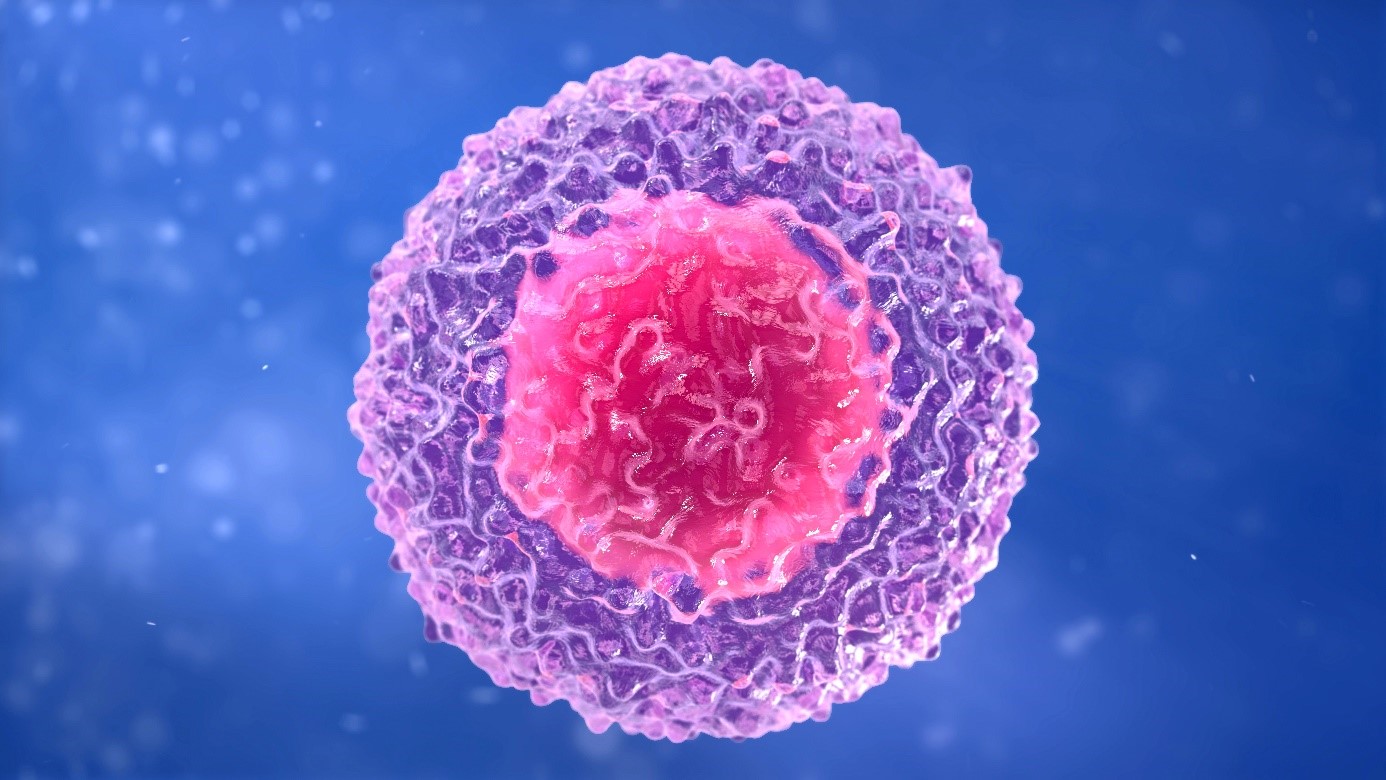
The cellular immune response is based on the T cells recognizing cells that have been infected with the virus. © Adobe stock


A better understanding of the precise mechanisms of immune response to SARS-CoV-2 is essential if we are to improve patient care and continue to develop effective new vaccines. Since the pandemic began, many studies have tried to explain what differentiates the immune response of people with severe forms of COVID-19 resulting in death from that of other patients. In a new study, researchers from Inserm and Sorbonne Université at the Center for Immunology and Infectious Diseases, in collaboration with physician researchers from Paris hospitals group AP-HP, focused on a type of immune response known as the cellular immune response. They show that certain cells involved in this response, CD8+ T cells, are present in smaller quantities in patients who have died from COVID-19. Some of them are considered to constitute predictive markers of survival. This research has been published in JCI Insight.

Since the COVID-19 pandemic began, the immune response triggered following SARS-CoV-2 infection has been the subject of much research. At a time when the Delta variant has spread across the world, understanding the precise mechanisms of the adaptive 1 immune response to the virus appears essential if we are to continue to develop effective vaccines that are less sensitive to the emergence of new variants.

In the majority of cases, infection with SARS-CoV-2 only results in relatively mild symptoms (or even forms that are asymptomatic). However, in some cases, serious forms develop, associated with severe, life-threatening symptoms that sometimes require intensive care.

Numerous publications have already shown that different profiles of immune responses are associated with the severity of symptoms. However, we still do not have enough data to understand the role of the humoral and cellular responses that constitute the adaptive immune response (see box), as well as their involvement in the survival or death of patients with the severest symptoms.

In their study, the scientists from Inserm, Sorbonne Université and Paris hospitals group AP-HP looked at the immune response profiles of 56 patients hospitalized in intensive care, a third of whom died from COVID-19, paying particular attention to the cellular responses, mediated by T cells.

Different types of immune response

There are two broad categories of adaptive immune response: humoral responses, based on the production of antibodies that recognize the virus and can prevent it from infecting its target cells; and cellular responses, based on the T cells recognizing cells that have been infected with the virus. These T cells, through various mechanisms, contribute to the destruction of cells infected with the virus in order to control the viral infection and help eliminate the virus from the body. For this study, the researchers focused on the cellular response.

T cells are a population of heterogeneous cells that can be divided into different subpopulations according to their phenotype (the molecules they express on their surface) and their function (destruction of infected cells, production of molecular messengers, support and activation of other cells…). There are two main types of T cells: CD4+ cells that support the production of antibodies and CD8+ cells, specialized in the destruction of infected cells through the production of cytotoxic molecules.

Numerous publications over the past decades have shown the essential role of cellular responses, in particular that of “cytotoxic effector CD8 cells” (CD8+) in the context of viral infections such as influenza in the elderly or HIV.

Markers of survival

In the study, the team saw significant differences in the amounts of certain T cell subpopulations, between those individuals who survived and those who died from COVID-19.

First, the researchers saw a marked loss of CD8+ T cells capable of recognizing the SARS-CoV-2 nucleocapsid in deceased individuals, compared to individuals who survived the infection. Nucleocapsid is an internal molecule of the virus, highly immunogenic (i.e. capable of inducing an immune response) and well preserved from one SARS-CoV-2 variant to another.

In addition, the individuals who died from COVID-19 had a very low proportion of CD8+ T cells expressing two molecules on their surface (PDL1 and CXCR3), compared to those who survived. Having CD8+ T cells that present PDL1 and CXCR3 could therefore be a molecular signature predictive of survival.

“We have shown that the simple combination of the level of nucleocapsid-specific CD8 T cells and the overall level of CD8+ T cells expressing CXCR3 and PDL1 could predict the survival or death of critical COVID-

19 patients with over 90% accuracy. Both factors are significantly important given the other factors that are potentially important when it comes to severity, such as age and obesity, and more accurately predict the risk of death in patients with severe forms”, emphasizes Inserm researcher Béhazine Combadière, who coordinated the study.

These findings also have important implications for the development of future vaccines. Vaccines capable of targeting nucleocapsid – a highly preserved protein common to the coronaviruses – and of producing a high level of CD8+ T cells specific against this molecule could be useful in preventive vaccination and probably also in therapeutic vaccination in order to promote the survival of patients with severe forms, regardless of which variant they were infected with.

For the team, the next step is to work with people who have already been vaccinated, to see if they produce the immune cells that were predictive of survival in the patients studied in this research.


1 Innate immunity is an immediate response that occurs in any individual in the absence of prior immunization. It is the first barrier of defense against various pathogens and mainly brings into play pre-formed (natural) antibodies and lymphocytes that do not present receptors specific to the antigen. Adaptive immunity is established a few days after contact with the pathogen and is the body’s second line of defense. Unlike innate immunity, adaptive immunity is specific for a given antigen.

In France, Drug Prescriptions for Children Remain at High Levels

médicaments

The under 6 year-olds are the category of children most exposed to drug prescriptions. © Myriam Zilles – Unsplash

France is one of the countries with the highest levels of drug consumption in Europe. In the absence of updated data from the last ten years on pediatric drug prescriptions, researchers from Inserm and teacher-researchers from Université de Paris at the Center for Research in Epidemiology and Statistics  (CRESS), along with researchers from Université de Versailles Saint-Quentin-en-Yvelines / Université Paris-Saclay, the Paris hospitals group AP-HP, and the Epi-Phare scientific interest group, quantified pediatric outpatient prescriptions in France and studied their evolution between 2010 and 2019. Their findings have been published in The Lancet Regional Health Europe.

The pediatric population, especially very young children, is particularly vulnerable to the short and long-term side effects of drugs because of its immaturity. In addition, the safety profile of many drugs used in pediatrics is only partially known. These elements should encourage rational prescribing in this population.

The first French national study of drug prescriptions in pediatric outpatient populations, based on data from the Generalist Sample of Health Insurance Beneficiaries (EGB) from 2011, showed worrying results with the highest frequency of prescriptions in the world. However, since 2011, new recommendations on the proper use of certain drugs have been issued and reimbursement delisting policies have been implemented, which were expected to lead to changes in these prescriptions.

The objective of the new study, conducted by researchers and teacher-researchers from Inserm, Université de Paris, Université de Versailles Saint-Quentin-en-Yvelines / Université Paris-Saclay, the Paris hospitals group AP-HP, and the Epi-Phare scientific interest group (GIS), was to determine the frequencies of drug prescriptions in pediatric outpatients in 2018-2019 in France and to compare them with those of 2010-2011, at the national level, using French National Health Data System (SNDS)2 data.

The analysis covered all reimbursed dispensations of drugs prescribed in an outpatient setting (so excluding those prescribed during stays in hospital), by a doctor, midwife or dentist, and intended for all children under 18 years of age living in France. In order to take into account the influence of infectious epidemics on outpatient prescriptions, annual drug prescription frequencies were averaged over two years for the two study periods. For the 2018-2019 period, over 230 million dispensed prescriptions were analyzed.


Children under 6 years of age are the category most exposed to drug prescriptions

The study found that over the recent period (2018-2019), on average, 86 out of every 100 children under 18 years of age had been exposed to at least one drug prescription over the course of one year, representing a 4% increase in relation to 2010-2011. Children under six years of age were the category most exposed to drugs, with over 97 out of every 100 children affected in a year.

The most prescribed therapeutic classes for the 2018-2019 period were analgesics (64%3), antibiotics (40%), nasal corticosteroids (33%), vitamin D (30%), nonsteroidal anti-inflammatory drugs (24%), antihistamines (25%), and oral corticosteroids (21%).

“Following the publication of the 2011 data, we expected to see a significant change for certain therapeutic classes given the regulations put in place or recommendations issued since 2011. A 12% decrease in the frequency of antibiotic prescriptions over the past ten years was noted in our study, but this remains insufficient because more than one in two children under 6 years of age were prescribed antibiotics during the year,” explains Dr. Marion Taine, co-author of the study.

In addition, the study found that one in three children under 6 years of age had received a prescription for oral corticosteroids during the year 2018-2019. A level that has remained stable since 2010-2011, despite the known side effects of this therapeutic class.

Finally, 2% of infants under 6 weeks of age were prescribed proton pump inhibitors4 during the year 2018-2019, “even though the frequency of conditions for which this treatment is recommended is much lower at this age,” explains Dr. Taine.


France, one of the highest prescribing countries for outpatient pediatric drugs

France is one of the countries that prescribes the most drugs in outpatient pediatrics, but international comparisons need to be treated with caution given that health care systems and drug reimbursement policies (particularly for those available over the counter) differ from country to country.

For example, comparisons between a few advanced-economy countries show that the frequencies of oral corticosteroid prescriptions for French children were 5 and 20 times higher than those observed for American and Norwegian children in other recent studies. For antibiotics, the frequency of prescriptions to French children was 5 times higher than that observed in the Netherlands. The inappropriate prescription of antibiotics increases bacterial resistance. As for systemic corticosteroids, their side effects are well-documented.

For the researchers, these high levels of prescriptions could be explained by the positive image associated with drugs in France, both in the population and among prescribers. In other countries with advanced economies, more heed is given to the drugs’ risk-benefit balance.

“These worrying results require in-depth analysis in order to better target future educational campaigns to optimize pediatric medication use. Better information for the population and prescribers regarding the use of medicines in children is essential”, concludes Dr. Taine.


1 Benard-Laribiere A, Jove J, Lassalle R, Robinson P, Droz-Perroteau C, Noize P. Drug use in French children: a population-based study. Arch Dis Child 2015;100 (10):960–5.

2 The SNDS covers 98.8% of the French population and compiles reimbursement data for outpatient care for all children covered by the Universal Public Health Insurance in France

3 643 out of every 100 children received at least one prescription for pain medication over one year on average during the 2018-2019 period.

4 Medications recommended only for complications of gastroesophageal reflux disease.

Inserm Publishes Its Latest Collective Expert Review on the Health Effects of Pesticides

pesticides

Through a critical analysis of the international scientific literature, this most recent publication takes stock of what we know about the links between exposure to pesticides and human health. © Adobe Stock


Pesticides are all products that are used to control undesirable plant species and organisms considered harmful, raising many concerns about their potential effects on human health and the environment. In 2013, at the request of the French Directorate General for Health (DGS), Inserm had published a Collective Expert Review called “Pesticides: Effects on Health”. In 2018, five ministerial directorate generals1 had tasked the Institute with updating its publication and including new topics.

The group of experts gathered by Inserm analyzed the recent scientific literature in order to examine the link between pesticides and some twenty diseases. It also analyzed the health effects of two active substances and one family of pesticides: chlordecone, glyphosate, and succinate dehydrogenase inhibitor (SDHI) fungicides.

Through a critical analysis of the international scientific literature, the 2021 Collective Expert Review takes stock of what we know about the links between exposure to pesticides and human health. It looks at neuropsychological and motor development disorders in children, cognitive disorders, anxiety and depression in adults, as well as neurodegenerative diseases and cancers in people of any age. Respiratory health, thyroid diseases, and endometriosis are also discussed. All in all, the multidisciplinary group of researchers analyzed over 5,300 documents.

For each topic, the experts studied the new epidemiological data available in order to evaluate whether there was a presumed link between the exposure of different populations to the pesticides and the onset of a disease. As in 2013, this presumed link was then graded as being strong (++), moderate (+), or weak (±). These results were then examined in relation to those of the toxicological studies, in order to evaluate the biological plausibility of the links observed.

Links established between exposure to pesticides and certain diseases

The first epidemiological studies on the subject tended to characterize exposure to pesticides without precisely distinguishing the family of pesticides or the active substance. They often concerned people who in principle were most exposed due to having regularly handled such products as part of their work. More recent studies have sought to specify the disease subtypes (for example, the different types of leukemia), identify the active substances involved or investigate the link with populations supposedly less exposed than those who work with pesticides, such as those living near agricultural areas, the general population, or more sensitive populations such as children.

  • In adults

The expert review confirms a strong presumed link between occupational exposure to pesticides and four diseases: non-Hodgkin lymphomas (NHLs), multiple myeloma, prostate cancer, and Parkinson’s disease. It also highlights the strong presumed link between occupational exposure to pesticides and two other diseases: cognitive disorders and chronic obstructive pulmonary disease (COPD)/chronic bronchitis (see boxed text).

A moderate presumed link has also been revealed between exposure to pesticides, mainly in an occupational context, and Alzheimer’s disease, anxiety, depression, certain cancers (central nervous system, bladder, kidney, leukemia, soft tissue sarcomas), asthma and thyroid diseases.

A closer look at the six adult diseases for which a strong presumed link has been established with occupational exposure to pesticides

Non-Hodgkin lymphoma (NHL): links between exposure to malathion, lindane, DDT, and organophosphates (++) had been identified in 2013. Recent data support a stronger presumed link in 2021 for diazinon (++) and chlordane (+). For glyphosate, the presumed link is reinforced for occupational exposure (+). A weak presumed link has been reported for the first time with dicamba (±). The data also suggest links between NHL subtypes and certain pesticides.

Multiple myeloma: for the first time, links with active substances have been revealed for permethrin (+) and for carbaryl, captan, DDT, and glyphosate (±).

Prostate cancer: this analysis reinforces the role mentioned in 2013 of occupational exposure to certain organophosphate insecticides, such as fonofos (+) and highlights that of terbufos (+) and malathion (+) as well as an organochlorine insecticide (aldrin, +). It emphasizes a higher risk of developing an aggressive form of the disease, suggesting a possible role in the progression of the disease and not only in its onset. For chlordecone, the expert review considers there to be a strong presumed link (++) and that a causal relationship is likely.

Parkinson’s disease: the data confirm the link with paraquat (+) and new studies suggest weak presumed links (±) with active ingredients of the dithiocarbamate fungicide family (zineb, ziram and mancopper). The new studies on the exposure of people living near agricultural areas suggest a weak presumed link with pesticides in general.

Cognitive impairment: the presumed link increased from moderate to strong (++) with exposure to pesticides, mainly organophosphates, in farmers. The most recent studies have been extended to include people living near agricultural areas or the general population and consider the presumed link to be moderate (+).

Respiratory health (not covered in 2013): a strong presumed link between occupational exposure to pesticides and the onset of COPD and chronic bronchitis has been established. Seventeen active substances were found to be associated with a disease or the impairment of a respiratory function parameter, with the majority having a weak presumed link (±). To evaluate the biological plausibility of this link, three effects were studied in a toxicology setting (oxidative stress, mitotoxicity, and immunomodulation) and among these 17 pesticides, 11 are associated with at least two toxicological effects and two, permethrin and chlorpyrifos, with all three effects.


  • In children

Certain periods of life such as pregnancy and early childhood are more vulnerable in the face of a toxic event or agent.

The recent results have made it possible to specify the type of pediatric leukemia concerned during exposure of the mother during pregnancy: acute leukemia and domestic uses (strong presumed link) and acute myeloid leukemia and occupational exposure. A new link has been found between the risk of acute lymphoblastic leukemia in case of paternal occupational exposure in the preconception period (moderate presumption).

Concerning central nervous system tumors, the expert review confirms the strong presumed link between the occupational exposure of the parents to pesticides (without distinction) during the prenatal period. In addition, the recent results lead to a strong presumed link between central nervous system tumors and domestic exposure to pesticides (without distinction) during pregnancy or childhood.

Other research focuses on the links between occupational or environmental exposure of mothers during pregnancy and neuropsychological and motor developmental disorders in children. They confirm the existence of a strong presumed link, especially for certain families of pesticides, such as the organophosphates. Regarding the pyrethroids, whose use has increased as a replacement for organophosphate insecticides, the results of new studies are consistent and show a link between pyrethroid exposure during pregnancy and an increase in internalized behavioral problems such as anxiety (strong presumed link). Toxicological data support the biological plausibility of an effect based on the modes of action of these pesticides.

Consider the most recent scientific data to better protect populations

The confirmation and highlighting of strong presumed links between certain diseases and exposure to pesticides should encourage the authorities to take better account of these issues. In addition, the scientific literature on the subject is raising new concerns, particularly regarding the indirect effects of certain pesticides on human health through their effects on ecosystems, which should be taken into account more by researchers and decision-makers.

What can be said about chlordecone, glyphosate and SDHIs?

  • Chlordecone, an insecticide that was used in the French West Indies from 1973 to 1993, persists in these natural island environments. Consumption of the contaminated foodstuffs has led to a significant contamination of the whole population. The causal relationship between chlordecone exposure and the risk of prostate cancer is considered likely.


  • Glyphosate is an herbicide for which the expert review concludes a moderate presumed link with non-Hodgkin lymphoma. Other links have been reported in the scientific literature for multiple myeloma and leukemia, but the results are less strong. Experimental carcinogenesis studies in rodents show excess cases, but are not convergent. Different tumors are observed in males and females, but they occur only at very high doses of glyphosate and only in certain strains of rodents.


  • Finally, the SDHIs are a family of broad-spectrum fungicides that have been used for 30 years and inhibit cell respiration in target species. To date, there is virtually no epidemiological data on the health effects of these substances on farmers or the general population. Experimental studies in fish suggest that some SDHIs may have endocrine disrupting effects, at least in the model used. Some show carcinogenic effects on rats or mice but these results are discussed on the basis of a mechanism that cannot be extrapolated to humans. The experts emphasize the need for further research to improve the assessment of the carcinogenic potential of the SDHIs and to fill the data gap in humans.


1 The Directorates General for Risk Prevention, Health, Labor, Research and Innovation, and the Secretary General of the Ministry of Agriculture and Food

Carotenoid-Rich Diet Reduces Risk of Developing AMD

Fruit and vegetables, some of which contain carotenoids © Engin Akyurt/Unsplash photos


A Mediterranean diet – high in fruit, vegetables, legumes, whole grains, olive oil and oily fish – may prevent the development of age-related macular degeneration (AMD), which is the leading cause of visual impairment in people over the age of 50. A new study published by researchers from Inserm and University of Bordeaux at the Bordeaux Population Health Research Center reveals in an unprecedented way a link between circulating carotenoids – plant pigments that protect the retina – and the reduced risk of developing advanced AMD. Based on the follow-up of 609 people over an eight-year period, this research constitutes the first longitudinal study to identify this link and has been published in the journal Nutrients.

Age-related macular degeneration (AMD) is the leading cause of vision loss in industrialized countries. This degenerative disease affects the central part of the retina, which is crucial for daily living tasks (reading, driving, recognition of faces, etc.). At an advanced stage, it takes two forms: the neovascular “wet” form which is treated with anti-VEGF[1] injected directly into the eye, and the atrophic “dry” form for which there is no treatment at present.

Although there is no cure, it is possible to prevent or slow the progression of the disease. We are already familiar with the risk factors for AMD, which are linked to age and genetic background – factors which we cannot do anything about.

For the past twenty years, researchers have studied the link between nutrition and AMD. We now know that many foods make it possible to slow the degeneration: fatty acid (omega 3), antioxidants (vitamin C, zinc, etc.). These protect the macula, the area of the eye affected by the disease and which is located in the center of the retina.

Through a prospective study based on the eight-year follow-up period of the ALIENOR cohort, the researchers’ objective was to study the link between the presence of lutein and zeaxanthin in plasma and the development of AMD.

Lutein and zeaxanthin belong to the large carotenoids family and are notably found in yellowy-orange fruit such as citrus and tomatoes, as well as in leafy green vegetables such as spinach, cabbage, and chard. Highly concentrated in the macula, these pigments play a very specific role for the eyes. Our bodies do not synthesize them, which is why we have to get them from our diet.

Unlike previous studies, based only on information given by participants about their diet, the team of Inserm researcher and study author Bénédicte Merle analyzed blood samples and demonstrated an objective link between circulating levels of lutein and zeaxanthin and a reduction in the risk of AMD.

This research reveals that higher plasma levels of carotenoids, particularly lutein and zeaxanthin, reduce the risk of developing advanced AMD by 37%.

This result remains similar, whether the form is atrophic or neovascular. However, apart from lutein and zeaxanthin, no other carotenoids have been associated with such a reduction in risk.

Lutein and zeaxanthin provide real protection to the retina. They absorb blue light, which is known to damage it over the long term, and act as antioxidants to protect it from oxidative stress[2] – which is a factor of AMD.

ALIENOR is a population-based study aiming at assessing the associations of age-related eye diseases with nutritional factors. For this research, 609 participants with an average age of 73 years were recruited between 2006 and 2008. At enrollment they had a blood test to measure their plasma levels of lutein and zeaxanthin. They then saw an ophthalmologist in order to diagnose AMD. Among them, 54 developed AMD during the eight-year follow-up period.

What to eat to prevent or slow the progression of AMD

For sufficient plasma levels of lutein and zeaxanthin, yellowy-orange fruits and vegetables should be preferred (tomatoes, carrots, citrus fruits), and leafy green vegetables (cabbage, spinach). “In addition to this, the most beneficial diet for preventing AMD is a Mediterranean diet high in fruit and vegetables and enough omega 3 from oily fish,” emphasizes Merle.

Beyond the nutritional recommendations, the discovery of the role of these carotenoids opens up avenues for identifying the population groups most at risk of developing AMD based on their diet. This study therefore offers strategies for prevention but also for the identification of risk factors that will be useful for the future of research.


[1] Anti-VEGFs are novel therapies that act on the cell membrane and are often used to prevent tumor survival.

[2] Oxidative stress refers to the various aggressions of our body’s cells caused by molecules derived from oxygen. The most well-known of these harmful substances are free radicals.

Using Artificial Intelligence to Predict Suicidal Behaviors in Students

risque suicidaire

With the number of vulnerable students increasing under the effects of the health crisis, detecting those in severe distress and at risk of suicide is essential to enable the earliest possible intervention. © Ben Blennerhassett – Unsplash


How do we predict suicide risk in students? This is a pertinent issue at a time when the harmful effects of the health crisis on student mental health are becoming increasingly apparent and the importance of early detection and management of this risk is well-known. A team of researchers from Inserm and Université de Bordeaux, in collaboration with the Universities of Montreal and McGill in Quebec, have used artificial intelligence to identify a small set of mental health indicators that accurately predict suicidal behavior in students. Their findings have been published in Scientific Reports.

Suicide is the second leading cause of death among 15-24-year-olds, and students are at particular risk of suicidal behaviors. Several known factors may contribute to the increased risk in this population: the transition from high school to college, the added workload, psychosocial stress and academic pressures, and the adaptation to a new environment. Risks that have also been exacerbated by the health crisis related to the COVID-19 pandemic.

The early detection of suicidal behaviors (suicidal thoughts and attempts) is essential to enable access to appropriate treatment. Using a machine learning method[1], researchers at Inserm and Université de Bordeaux have developed an algorithm that accurately identifies the main predictive factors of suicidal behaviors in a student population.

Over 5,000 French students followed for one year

The findings of this study are based on the analysis of data collected from 5,066 students who were followed for at least one year between 2013 and 2019. They all belong to the i-Share cohort on student health led by Christophe Tzourio, professor of epidemiology at Université de Bordeaux, practitioner at Bordeaux University Hospital and director of the Bordeaux Population Health research center.  

The participants are over 18 years old, French-speaking and enrolled in a French university. They completed two detailed online questionnaires: one at the time of enrollment, the other a year later. The information gathered through this process provides researchers with information about their health, their drug and alcohol use, their medical and psychiatric history, and their psychological state.

This follow-up revealed that approximately 17% of the participating students, both girls (17.4%) and boys (16.8%), exhibited suicidal behaviors in the year elapsing between the two questionnaires.

Before initiating the modeling work based on artificial intelligence, the researchers identified 70 potential predictive factors, collected in the inclusion questionnaire, having an influence on suicidal behaviors according to the scientific literature. These include sociodemographic data, certain physical and mental health parameters, personal and family history of suicidal behaviors, living conditions and lifestyle, substance use, and childhood trauma.

The machine learning method, which simultaneously analyses many factors associated with suicidal risk, then ranked these 70 potential predictors according to their importance in predicting student suicidal behaviors.

The results of the study show that out of these 70 potential predictors measured at inclusion, four detect around 80% of suicidal behaviors at follow-up. These are suicidal thoughts, anxiety, depressive symptoms and self-esteem.

To the researchers, these findings suggest that validated and commonly used psychological scales, such as the Rosenberg Self-Esteem Scale, Spielberger’s STAI-YB scale for anxiety, and the PHQ-9 for depression, would be sufficiently informative to identify students at risk for suicidal behavior.

“This research needs to be confirmed, but it opens up the possibility of large-scale screening by identifying students at risk of suicide using short, simple questionnaires, in order to refer them to appropriate care,” explains Tzourio, coordinator of the study.

Self-esteem: an important and previously unrecognized marker

In secondary analyses conducted on a subsample of 3,946 students who did not exhibit suicidal behaviors at cohort entry, the primary predictors that stood out in the statistical analysis were depressive symptoms, self-esteem, and academic stress in girls and predominantly self-esteem in boys. Self-esteem would therefore represent an independent and important predictive marker of suicidal risk.

“The mental health specialists on our teams did not expect self-esteem to be one of the four major predictors of suicidal behaviors,” says Melissa Macalli, a doctoral student in epidemiology and author of the study. “This finding, which would not have been obtained without the use of artificial intelligence techniques making it possible to cross-tabulate a large number of data simultaneously, opens up new avenues for both research and prevention,” she concludes.

The impact of the COVID-19 epidemic on students

The COVID-19 epidemic has had a significant impact on the mental health of students, a population already known for its high levels of stress, anxiety, depressive symptoms, and suicidal behaviors. The causes have been identified: social isolation linked to the closure of universities, the collapse of financial resources with the disappearance of student jobs, concerns about the course of studies and future prospects. The CONFINS study (www.confins.org, Kappa Santé and the i-Share team) launched in April 2020 to measure the impact of the epidemic on wellbeing and mental health, showed that 33% of students had depressive symptoms compared to 16% of non-students. With the number of vulnerable students increasing under the effects of the health crisis, detecting those in severe distress and at risk of suicide is essential to enable the earliest possible intervention.

[1]Machine learning is a form of artificial intelligence (AI) that allows a system to learn from data rather than through explicit programming.

fermer