Menu

A “Functional” Human Liver created from iPS cells

Fotolia

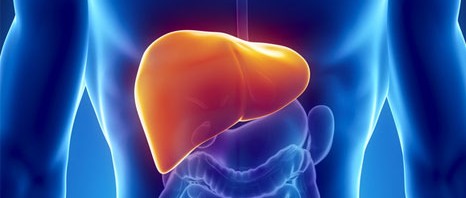
Japanese researchers have succeeded in creating a “functional” human liver from induced pluripotent stem cells. These adult iPS cells can be reprogrammed to rejuvenate the cell and rediscover the properties of embryonic stem cells (thus enabling them to return to a renewed immaturity and the ability to differentiate themselves into any cell type).

According to AFP, “the researchers used liver “buds” created in the laboratory which they implanted in a mouse in which these cells turned into an organ containing blood vessels and possessing the properties of a human liver”.

Professor Takanori Takebe, the principal author of the study, was optimistic for the future, even though it is too early to know whether this technique can be applied to humans: “In some way, we showed the validity of our approach,” he stresses.

To receive comments on this major medical advance, you can contact Anne Dubart Kupperschmitt, Inserm Research Director of the “Stem cells and liver” Unit.

To consult the latest advances in liver research produced by Inserm researchers, please consult :

Liver disease: understanding it will enable the provision of better treatment – April 17th, 2013

Intestinal bacteria an aggravating factor in obesity-related illnesses –November 29th, 2012
The infection affecting Nelson Mandela

Inserm

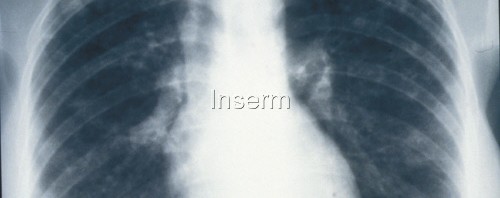
The lung infection from which Nelson Mandela has suffered for several years lodges in an essential part of the human organism, the lungs and bronchiae. Pneumonia, pneumopathy and pulmonary abscesses are the main pulmonary infections so far identified.

In the vast majority of cases, these infections are due to viruses, microbes or bacteria that infiltrate into the lungs and, depending on the level of resistance, cause disorders of the respiratory tract.

The part of the lung that becomes infected will determine which disease affects the patient. The commonest symptoms of infection are coughing, breathlessness and respiratory failure.

Pulmonary infection may sometimes have very serious consequences. Such an infection can cause serious breathing difficulties and can also damage the broncho-pulmonary system.  The elderly are particularly vulnerable.

For more information, please contact Camille Locht, Director of the Inserm unit “Lille Infection and Immunity Centre”.

Autism and high pollution levels

A study, published online on 18 May 2013 by the Environmental Health Perspectives magazine, revealed that the risk of giving birth to autistic babies is doubled for pregnant women exposed to high level of air-pollution in the US.

This study has been lead by researchers from Harvard School of Public Health in Boston, Massachussetts (North-East)

Read the Harvard press release in English

Consult the entire study

Reducing risks among drug users

In order to limit the health risks associated with the use of drugs, certain countries have set up supervised injection centres where drug addicts can inject under the supervision of qualified personnel.

In 2010, the French General Health Administration asked Inserm to perform a collective report on the theme of Reducing the risks in drug users. The aim was to report on what scientific knowledge we had of existing schemes and programmes on an international scale, the contexts in which they were set up and their impact on the experimental projects in progress.

More than ten experts (epidemiologists, sociologists, addictologists, etc.) studied in particular how these centres had been set up in neighbouring countries such asSpain,Switzerland,Germany, the impact of these schemes and the projects in progress.

©Inserm

Maternal mortality, infant mortality, what are the figures?

Following a foetal death in utero last weekend, the Inserm Press Department has provided figures about maternal, infant and in utero mortality.

The 2010 nationwide perinatal survey , set up notably by Inserm and the DGS, gives a description of the state of health of the children, the health care given and the characteristics of the mothers in 2010 and shows how they have developed since 2003. This report is currently the only source available for estimating mortality (in utero deaths) on a nationwide scale.

According to the figures given in this study, the mortality rate in France is 10 deaths for 1,000 births and is apparently one of the highest in the European Union.
However, mortality and its development cannot be estimated with precision, because the size of the sample used in this study is not suited to events of that frequency.

For more details on this subject :

Béatrice Blondel can provide information about the “Nationwide perinatal survey”.
Marie-Hélène Bouvier-Colle can provide figures about maternal mortality. Eric Jougla, Director of the CépiDC (Epidemiological Centre for Mortality by Medical Causes) can provide a list of death occurring before the age of one year.

World Cancer Day

At the time of the first World Cancer Day in 2008, there were 7.6 million cases of cancer in the world. Now it has become one of the major causes of death the world over (WHO). Each year, this World Cancer Day, organised by the International Union Against Cancer (UICC) is dedicated to prevention, detection and treatment of this disease.

To view the on-line documentary:  Recherche tout s’accélère (Research is stepping up a gear)

You can also consult the latest progress made in cancer research by the Inserm researchers at:  Press releases – Cancer

©Inserm/Arc/INCa

Same-gender parenting and child development

©Fotolia

The systematic literature review was published in 2011: Same-gender parenting and child development: current known facts, co-signed by Guillaume Fond, mentions several therapeutic approaches to the question of same-gender parenting and its effect on children. Is being born into or growing up in a same-gender parent family a disadvantage?

Is the risk of psychopathology or psychological problems higher in this atypical context? (…)

Find the answers to these questions in Homoparentalité et développement de l’enfant (Same-gender parenting and child development: current knowledge), in the attachment to this article.

17th of November: World Prematurity Day

©Fotolia

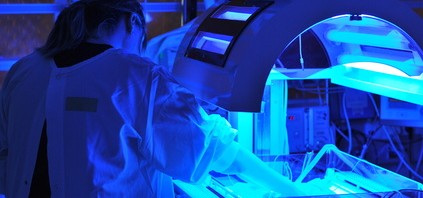
Very preterm infants born before 32 weeks of gestation (the 8th month of pregnancy) represent between 1 and 2% of all births. They have a higher risk of mortality and long term neurological and developmental impairments than full term infants.

On the occasion of the World Prematurity Day, Saturday, the 17th of November, Inserm proposes you a press release about european EPICE project “Effective Perinatal Intensive Care in Europe: translating knowledge into evidence-based practice”.

14th November World Diabetes Day

©Fotolia

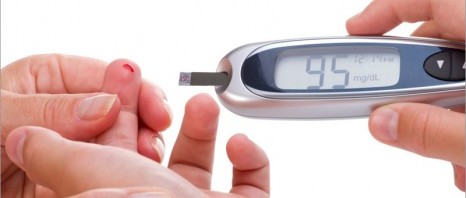
According to the WHO, diabetes affects 347 million people the world over. This chronic disease occurs when the pancreas no longer produces enough insulin (type1 diabetes), or when the body is unable to correctly use the insulin it produces (type 2 diabetes). Those affected by diabetes are obliged to keep to a strict diet, or must take regular exercise.

During the World Diabetes Day organised by the International Diabetes Federation and the WHO on Wednesday 14 November, Inserm presented the data from the latest studies. (Download the press kit)

October 15th: day world of pain

October 10th: day world mental health

fermer