
Menu

A New Therapeutic Target for Type 2 Diabetes Discovered Thanks to a Rare Disease

An image representing a 3D photo of a human adipocyte: in green the ALMS1 protein reservoir, in red a part of the cytoskeleton, and in blue the cell nucleus. © Vincent Marion

A new therapeutic target for type 2 diabetes has recently been identified by researchers from Inserm and Université de Strasbourg, in collaboration with several European hospitals. The target in question is ALMS1, a protein whose function is still poorly understood. It has come to light thanks to the study of a rare disease, Alström syndrome, which affects different organs and associates childhood obesity and type 2 diabetes. This research paves the way for the development of a new drug and has been published in Diabetes.

Obesity and type 2 diabetes are strongly intertwined. Around 80% of obese subjects develop the disease, although the reasons for this association have not yet been clearly established. In order to study the links between them, the team of Inserm researcher Vincent Marion at the Laboratory of Medical Genetics (Inserm/Université de Strasbourg) focused on Alström syndrome, an extremely rare monogenic[1] disease that affects multiple organs, and leads to both obesity and type 2 diabetes.

This disease is caused by mutations in the ALMS1 gene coding for a protein whose function is still poorly understood. “The fact that it is a monogenic disease provided a starting point for studying the complex mechanisms of type 2 diabetes,” emphasizes Marion. The team found that abnormalities in adipose tissue caused by loss of ALMS1 function led to type 2 diabetes in people with Alström syndrome. What is more, in animals, restoring the function of this protein restored blood glucose balance. The researchers have therefore identified a new therapeutic target for type 2 diabetes: the ALMS1 protein.

These findings are the result of several years of research based on different clinical and experimental approaches, carried out in vivo in subjects with Alström syndrome and in a mouse model for the disease, as well as on in vitro observations. The researchers have identified abnormalities in the structure and function of adipose tissue in people with Alström syndrome that are far more significant than those found in obese individuals with the same body mass but without the disease. In mice, these abnormalities were associated with the inability of adipocytes, which make up the adipose tissue, to absorb glucose. “By preventing adipocytes from absorbing glucose, the loss of ALMS1 function is directly responsible for type 2 diabetes, making it a very interesting therapeutic target,” explains Marion.

ALMS1 therapeutic target in diabetes

In the study published in Diabetes, the researchers wanted to evaluate the therapeutic relevance of this protein by restoring the expression of the ALMS1 gene in their mouse model. Doing so restored blood glucose balance in these animals by increasing their glucose absorption.

The researchers also worked in vitro with adipocytes from people with Alström syndrome in order to understand the underlying molecular mechanisms that explain why this protein helps restore blood glucose balance. They found that in these adipose tissue cells, the ALMS1 protein acts far downstream of an insulin-controlled molecular signal chain.

“Thanks to this research using a rare disease model, we have discovered a molecule that by itself is capable of increasing glucose absorption by the adipocytes and maintaining good blood glucose balance. This makes it a very good therapeutic target for type 2 diabetes in general, whether or not it is associated with obesity,” explains Marion.

By identifying and using a molecule capable of targeting this ALMS1 protein in subjects with type 2 diabetes, the hope is to improve diabetes control, regardless of the level of circulating insulin in these individuals. A peptide is already under development.

Preclinical animal testing is being finalized and clinical trials are expected to begin in 2021 in subjects with type 2 diabetes, whether or not they are obese. Ultimately, if this drug candidate proves to be safe and effective, it could be prescribed alone or in combination with other diabetes drugs that target other molecular mechanisms.

On the strength of these results, the researcher has founded the company ALMS Therapeutics, in order to capitalize on this discovery.

[1] Genetic disease resulting from the mutation of a single gene

Fibromyalgia, Knowledge Overview and Recommendations: An Inserm Collective Expert Review

© Inserm/Frédérique Koulikoff

Fibromyalgia, otherwise known as fibromyalgia syndrome, is a form of chronic widespread pain associated with other incapacitating symptoms such as fatigue, cognitive impairment, sleep disturbances and mood disorders. This condition is thought to affect between 1.4 and 2.2% of people in France, but the lack of a specific biological marker makes diagnosing them difficult. Caring for these patients is also complex and often requires a multidisciplinary approach tailored to each individual.

Inserm was tasked by France’s Health Directorate with conducting a Collective Expert Review in order to take stock of the scientific knowledge on fibromyalgia in adults, and also to explore the potential existence of a similar syndrome in children and adolescents. The objective was also to recommend measures and establish research priorities in order to better understand fibromyalgia and improve patient care.

This Inserm Collective Expert Review is based on a critical analysis of the international scientific literature carried out by a multidisciplinary group of fifteen experts from fields including neurology, pharmacology, pediatrics, sociology and health economics.

All in all, nearly 1,600 scientific documents published over the last ten years were analyzed. The resulting review contributes a number of elements that enable the complex reality of fibromyalgia to be better understood, but also promote the appropriate care and strengthen research. The purpose was not to give an opinion on how the health authorities should manage the condition.

A complex clinical reality

While fibromyalgia is primarily associated with fluctuating chronic widespread pain, a large majority of patients also suffer from persistent fatigue, attention and concentration difficulties, and physical deconditioning (a psychophysiological process that leads to physical inactivity and withdrawal). Up to 85% present symptoms of anxiety or depression and 95% complain of sleep disturbances. However, what the review shows is that fibromyalgia is highly diverse in its clinical expression, with major variations in its severity. It also notes the impact of fibromyalgia on all aspects of quality of life and the significant economic and social costs associated with it.

As far as diagnosis is concerned, it is based on constantly evolving clinical criteria, which make it difficult, especially since no biomarker has yet been identified. The findings of the brain imaging studies performed so far vary greatly and do not make it possible to aid diagnosis.

What is more, the review recommends not distinguishing at present a juvenile fibromyalgia syndrome in children and adolescents suffering from chronic widespread pain.

Finally, the scientific research conducted over the previous decade rarely took into account the diversity of symptoms, the differences in severity and the various treatments taken by patients, which limits its scope. It also makes little distinction from other forms of chronic widespread pain, with sex-based differences and patient outcomes having not been explored in great depth.

Faced with this diversity of findings from the scientific literature, and in order to deal with the complex clinical reality of fibromyalgia, several recommendations are presented.

Offer the most appropriate patient care and encourage physical activity

The review emphasizes the need to promote support that adapts and evolves according to the symptoms. In all cases, the patient’s adherence to the proposed care program is essential. Appropriate interdisciplinary management in order to better recognize and accompany the various symptoms presented by patients is recommended for those whose quality of life is severely impaired.

Getting patients moving again at an early stage through appropriate physical activity is one of the central aspects of care in order to, among other things, prevent or minimize physical deconditioning. This is why the review suggests that the recommendations made in the Inserm Collective Expert Review on the practice of physical activity in chronic diseases be extended to include fibromyalgia. Such a physical activity program should be supervised regularly by a health professional.

For patients who have difficulty managing their fibromyalgia or who present symptoms of anxiety or depression, their management can include psychotherapy in order to help them improve their psychological wellbeing and quality of life.

While medications may be occasionally effective against certain symptoms (pain, but also sleep disorders, anxiety and depression…), it is important to prevent their misuse, particularly by avoiding the prescription of opioids for widespread pain, especially in children and adolescents.

Promote quality research

Another major recommendation is to develop and pursue quality research into widespread chronic pain, including fibromyalgia. Several lines of research must therefore be prioritized.

To begin with, the aim is to improve knowledge of fibromyalgia by exploring chronic widespread pain in large existing or future French cohorts. The studies will also be able to assess the particularities of fibromyalgia subgroups, strengthening research into patient representations and experiences and evaluating the socioeconomic impact.

In addition, the review stresses the importance of intensifying investigations in young people suffering from chronic widespread pain and research into the origin and consequences of such pain developing in childhood and adolescence.

Finally, the identification of factors that favor interdisciplinary care, particularly by promoting research into the organization of care, is also considered a priority.

Inserm’s Collective Expertise Review on Fibromyalgia is a further step towards promoting research of excellence on the subject, serving the health of people affected by chronic pain.

The Placenta Could Retain a Memory of Tobacco Exposure Prior to Pregnancy

©fotografierende on Unsplash

It is well-known that giving up smoking before pregnancy considerably reduces the health risks for both mother and child. Research by a team from Inserm, CNRS and Université Grenoble Alpes at the Institute for Advanced Biosciences, published in BMC Medicine, took a closer look at the subject showing for the first time that tobacco consumption, even when stopped before pregnancy, can have an impact on the placenta. By studying the placental DNA of 568 women, the team has shown that smoking not just during but also before pregnancy leads to epigenetic modifications (DNA methylation) which could have consequences on its course.

Although it has been shown that tobacco consumption during pregnancy has many negative health impacts for both mother and child, the mechanisms involved are still poorly understood. Previous studies have linked tobacco consumption during pregnancy to alterations in DNA methylation – a form of epigenetic modification (see boxed text) involved in gene expression – in umbilical cord blood and the cells of the placenta. Indeed, while the placenta plays a crucial role in the development of the fetus, it is vulnerable to many chemical compounds.

However, what had not been studied up until now was the impact on placental DNA methylation of tobacco exposure prior to pregnancy.

A team from Inserm, CNRS and Université Grenoble Alpes at the Institute for Advanced Biosciences measured and compared the impact of tobacco consumption on placental DNA methylation in pregnant women in the three months preceding pregnancy and/or during pregnancy.

The researchers studied DNA from samples of placenta collected at the time of delivery from 568 women of the EDEN1 cohort, who were divided into three categories: non-smokers (who had not smoked in the three months prior to pregnancy or during it), former smokers (who had given up smoking in the three months prior to pregnancy) and smokers (who had smoked both throughout pregnancy and in the three months prior to it).

In the smokers, the scientists observed that 178 regions of the placental genome showed alterations in DNA methylation. In the former smokers, they identified that DNA methylation was still altered in 26 of these 178 regions. Only in the women having smoked during pregnancy was methylation altered in the remaining 152 regions.

The regions that were altered most often corresponded to so-called enhancer zones, which remotely control the activation or repression of genes. In addition, some of them were located on genes known to play an important role in fetal development.

While many regions appear to have a normal methylation profile in women after they have stopped smoking, the presence of some DNA methylation changes in the placenta of those having stopped before pregnancy suggests the existence of an epigenetic memory of tobacco exposure,” says Inserm researcher Johanna Lepeule, who led this work. She suggests that changes in placental DNA methylation at the level of the genes related to fetal development and enhancer regions may partly explain the effects of smoking observed on the fetus and the subsequent health of the child.

The next steps in this research are aimed at determining whether these alterations impact the mechanisms involved in fetal development and whether they may have consequences for the health of the child.


[1] The pregnant women were recruited between 2003 and 2006 in the university hospitals of Nancy and Poitiers.


Learn more about epigenetic modifications and DNA methylation

Epigenetic modifications are materialized by biochemical marks present on DNA. Reversible, they do not lead to changes in DNA sequence but do induce changes in gene expression.  They are induced by the wider environment: the cell receives signals informing it about its environment, and specializes itself accordingly, or adjusts its activity. The best characterized epigenetic markers are DNA methylations, involved in the control of gene expression.

Nobel Prize 2020

Only available in french

COVID-19 Vaccines: 25,000 Volunteers Needed for Large-Scale Clinical Trials in France – Registration Now Open


International research is being mobilized in order to develop safe and effective vaccines for COVID-19. Around thirty vaccine candidates are at the clinical evaluation stage, with some undergoing Phase 3 trials to demonstrate their efficacy. At the request of the Ministry of Solidarity and Health and the Ministry of Higher Education and Research, France – drawing on the excellence of its clinical research in vaccination – has taken steps to help evaluate the most promising vaccine candidates with the deployment of the COVIREIVAC platform. Driven by Inserm, COVIREIVAC federates 24 Clinical Investigation Centers (CICs) located in university hospitals across France, in close collaboration with the College of Teachers in General Practice. The clinical operational aspects of the various university hospitals are coordinated by the Paris Hospital Group AP-HP. Today, COVIREIVAC opens the registration process for volunteers to participate in the first large-scale clinical trials in France.

To make these trials possible, COVIREIVAC is looking for 25,000 volunteers aged 18 or over and has launched the registration and information website www.covireivac.fr. Developed with the support of Public Health France and the Medicines Agency (ANSM), it aims to provide the most accurate information possible on vaccine development so that potential volunteers can make an informed decision.

Join the fight

Volunteers in COVID-19 vaccine trials have a role to play in fighting the pandemic, moving research forward and thus contributing in the medium term to their own protection and that of their fellow citizens – particularly the most vulnerable. Becoming a volunteer also means participating in a scientific challenge alongside the scientific and medical community.

If you are interested in volunteering, simply pre-register at www.covireivac.fr and complete a preliminary health questionnaire. Volunteers will then be contacted according to the needs of the various trial protocols (age, pre-existing conditions, geographical location), following which they can either confirm or withdraw their agreement to participate in the specific trial for which they have been called. It is also possible that they may never be called.

French research, a key player in developing safe and effective vaccines

Two vaccine clinical trials are currently ongoing in France: a Phase 1 trial in healthy subjects for a vaccine developed by Institut Pasteur in collaboration with CEPI, Themis and MSD which has begun at Cochin Hospital (Paris Hospital Group AP-HP), and a trial in healthcare workers on the contribution of the BCG vaccine to boosting systemic immunity and protection against COVID-19, which is coordinated by AP-HP.

Two types of large-scale clinical trial are envisaged in France. The first is Phase 2 trials to closely study the ability of vaccines to produce an immune response (immunogenicity) in elderly people, whose immune system is generally weakened despite being most at risk of developing severe forms of the disease. The second is Phase 3 trials for the large-scale study of the efficacy and safety of promising vaccine candidates, depending on the intensity of the virus’ circulation in France in the months to come.

These clinical trials could start between October and the end of the year, depending on the evolution of the epidemic and the ongoing discussions with industry.

“Good clinical trials are crucial for the development of safe and effective vaccines. As researchers and doctors, we are all committed to rigorous evaluation that will provide the health authorities with the essential data to guarantee the quality of the vaccines developed. What wenow need is volunteers to mobilize alongside us,” emphasizes Odile Launay, Professor of Infectious and Tropical Diseases at Université de Paris, coordinator of Cochin-Pasteur CIC at Cochin Hospital (AP-HP), and coordinator of COVIREIVAC.

In addition to the follow-up and monitoring of the volunteers during the trials, a specific system for monitoring participants will be set up by the platform at the end of the trials, in conjunction with primary care doctors and ANSM. This monitoring will therefore make it possible to track the safety of the vaccines over the long term.

COVIREIVAC, a “one-stop shop” for France

The COVIREIVAC platform is working in close collaboration with the Scientific Committee for COVID-19 Vaccines, chaired by Inserm Research Director and CARE Committee member Marie-Paule Kieny. The clinical trials conducted will focus on the most promising vaccines, selected by the Scientific Committee.

New Whooping Cough Vaccine In Development

Boîte de pétri contenant une Culture de Bordetella pertussis, l’agent causal de la coqueluche.

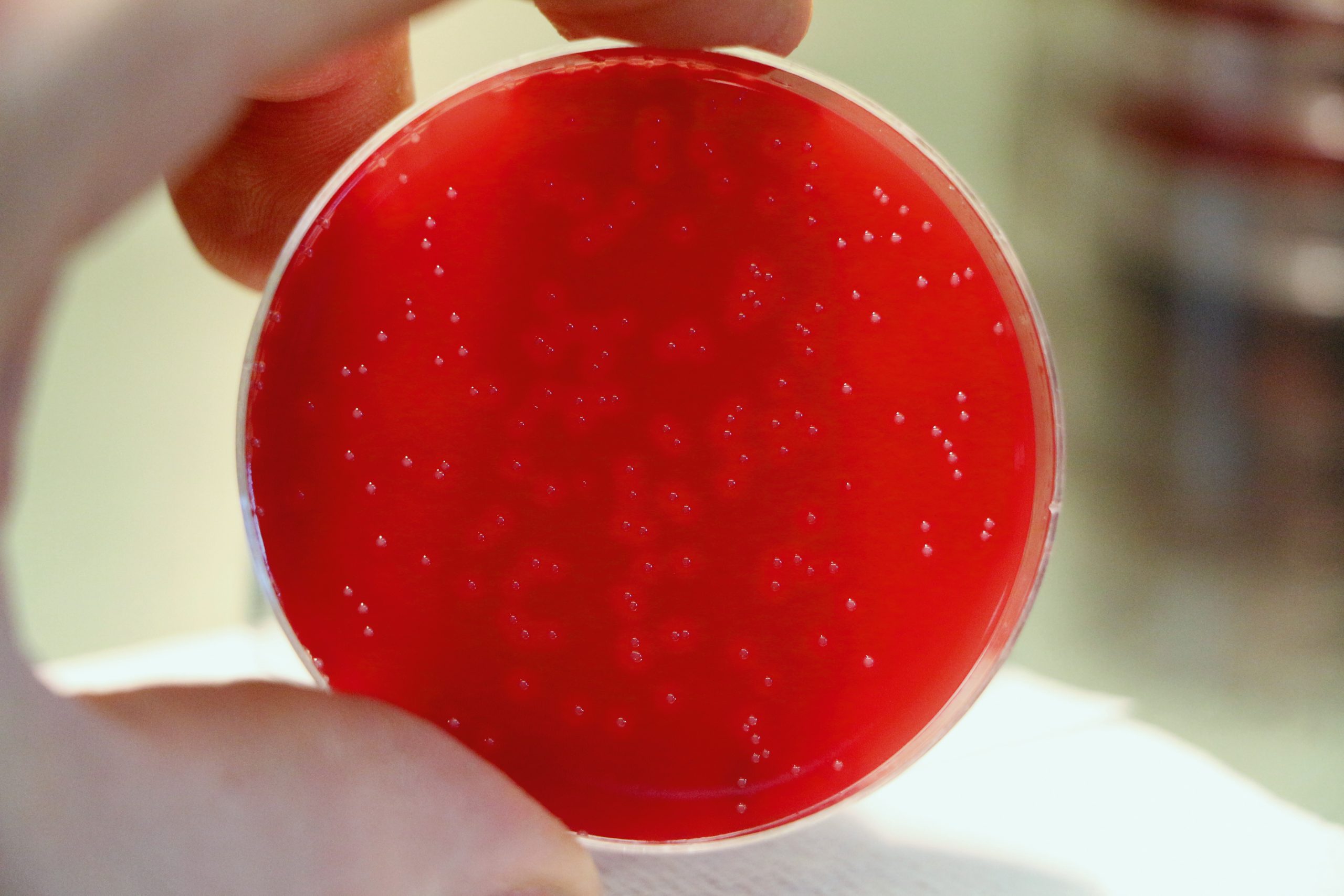
Culture of Bordetella pertussis, the causative agent of whooping cough ©Inserm/Locht, Camille

A research team from Inserm, Lille University, Lille University Hospital, CNRS, and the Institut Pasteur of Lille, as part of the Lille Immunity and Infection Center, in partnership with ILiAD Biotechnologies, is developing a new vaccine against whooping cough. The researchers are using the whole bacterium, which has been genetically modified to render it nontoxic, in the hopes of compensating for the efficacy failures of the current vaccine. The new vaccine is intended to induce a lasting immune response and block transmission between individuals. New research published in The Lancet Infectious Diseases presents phase 1 results of the clinical trials for this vaccine, which show satisfactory tolerance and an effective response in adults.

Whooping cough is a respiratory illness caused by Bordetella pertussis bacteria. It is highly contagious and can be fatal to infants. Vaccination is recommended for both infants and their families.

The first whooping cough vaccines were developed in the 1950s. These “inactivated” vaccines involved injecting bacteria that had been inactivated by heat or chemical treatments. The vaccines were effective, but they presented the disadvantage of inducing some localized and generalized adverse effects that were bothersome but not serious. A second generation of more easily tolerated vaccines was developed, this time based on the use of just a few bacterial proteins.

These vaccines have been in use in industrialized nations since the 2000s; but in less than ten years it became apparent that whooping cough infection rates in the general population were rising despite vaccination. The current vaccines do indeed provide effective protection from the illness, but their effect lasts only 3 to 5 years and they do not sufficiently block the transmission of bacteria between individuals.

Inserm research director Camille Locht and his team from the Lille Immunity and Infection Center (Inserm/Lille University/Lille University Hospital/CNRS/Institut Pasteur of Lille) together with ILiAD Biotechnologies are working on a new whooping cough vaccine that will be more effective than current vaccines. Like first-generation vaccines, the new vaccine, referred to as BPZE1, relies on whole bacteria but in this case the bacteria are still alive. BPZE1 is, in fact, a “live attenuated” vaccine, meaning that it contains a live infectious agent but whose pathogenic potential is genetically attenuated (rather than having been inactivated by heat).

One of the major challenges of perfecting BPZE1 was finding a way to improve tolerance, which was poor with the first vaccines. After identifying and describing the toxicity genes responsible for the pathological effects of whooping cough, the researchers were able to genetically modify the bacteria to obtain a strain that lacked toxicity, from which BPZE1 was developed. The vaccine is administered via nasal route in the form of an inhalable suspension, which reproduces the natural route of infection and consequently improves the duration of efficacy.

“This vaccine triggers local immunity in the respiratory tract by mobilizing innate immunity, enabling a rapid response,” explains Locht. “Furthermore, the bacteria are quickly eliminated after being introduced into the nasal cavity, which limits transmission. We hope that the effect of BPZE1 will last for at least two decades.”

After satisfactory preclinical trials in animals, the researchers conducted a phase 1 trial in humans to determine whether tolerance was satisfactory and if a response occurred at three different doses of the vaccine with a single nasal administration. The trial was conducted on 48 participants, aged 18 to 32, presenting few antibodies specific to Bordetella pertussis bacteria. They were divided into three groups, one for each of the three doses. In each group, 12 individuals received the vaccine and 4 received a placebo. Nasal and blood samples were taken on six occasions during the first month, then six months later, and, finally, one year later, to check whether the vaccine was present in the mucosa and determine whether a specific immune response had taken place.

The highest dose triggered the production of specific antibodies, which were still present one year later in 100% of the volunteers (the rate was 80% at the lowest dose). Furthermore, all three doses were tolerated well, with adverse effects equivalent to those reported in the placebo groups.

The researchers were encouraged by these results and have begun phase 2 clinical trials in 300 volunteers. “If this vaccine passes all the steps in development, it may be used initially for adults who care for infants, to protect the infants from the possibility of transmission,” Locht specifies. “Use in vulnerable individuals and infants is planned, but this will require additional safety data that it may take a long time to obtain,” he concludes.

Rift Valley Fever: An Example of the Fight Against Emerging Viral Diseases

RVF is transmitted from livestock to humans. © DAAF 976

A viral disease responsible for major epidemics, occurring mainly in Africa, Rift Valley fever (RVF) is transmitted from livestock to humans. Despite being listed as a priority emerging disease by the World Health Organization (WHO) R&D Blueprint program in 2015, there had until now been little research into the dynamics of its transmission. As part of a multidisciplinary collaboration, researchers and public health professionals from Inserm, the French Public Health Agency, Cirad and the London School of Hygiene and Tropical Medicine, with the support of the REACTing consortium, have developed a mathematical model to study the dynamics of the 2018-2019 RVF epidemic in Mayotte and to quantify for the first time the beneficial impact of vaccinating livestock. This research has been published in the journal PNAS.

Against the background of the continued Covid-19 pandemic, research into emerging diseases and zoonoses – infectious diseases transmissible from animals to humans, has never been so important.

Rift Valley fever (RVF) is a viral zoonotic disease occurring primarily in some African regions, Mayotte and the Arabian Peninsula. It mainly affects livestock, causing waves of miscarriage and widespread mortality in the youngest animals. Humans can be infected through direct contact with the body fluids of contaminated animals or through the bites of infected mosquitos. To date, no human-to-human contamination has been reported. While the majority of patients develop asymptomatic or benign forms, in rare cases (1 to 3% of patients) the disease can take a more severe turn, characterized by ocular and meningeal disorders, and life-threatening hemorrhagic fever.

A major public health concern in some countries, RVF was listed by the WHO as an emerging priority disease in 2015, involving the accelerated development of its means of control. While research into vaccines for livestock is making progress, the potential impact of vaccination on the dynamics of the epidemic had never previously been evaluated.

The team, coordinated by Inserm researcher Raphaëlle Métras and her French Public Health Agency colleague Marion Subiros, looked at the 2018-2019 RVF epidemic in Mayotte. Since 2008, thanks to the implementation of two surveillance systems – one concerning the animals (helped by the Veterinary Services of Mayotte), the other humans – a large amount of high-quality RVF surveillance data has been collected. These data concern livestock seroprevalence and human epidemiology (number of human cases, sociodemographic characteristics, disease exposure criteria and geolocation).

As part of their study, the researchers and their colleagues developed a mathematical model integrating these data collected jointly by the two systems in order to reproduce the transmission dynamic of the virus during the 2018-2019 epidemic. One of the objectives was to obtain more information on how the virus passes from infected animals to humans.

What the scientists have shown is that for the first time in the context of an RVF epidemic there was a higher level of transmission to humans from mosquitos than through direct contact with infected livestock. If it is assumed that 30% of the population of Mayotte are farmers, up to 55% of human infections would have been caused by mosquito bites, versus 45% through exposure to livestock.

This is the first study to provide figures on the distribution of transmission through mosquito bites versus transmission through human direct contact.

The team also modeled the potential impact of vaccinating livestock to reduce the scale of the epidemic, using a suitable vaccine with the target characteristics of the WHO Blueprint program (especially vaccine efficacy). The findings of the model show that vaccinating 20% of the livestock could reduce the number of human cases by 30%. Reactive and mass vaccination campaigns in livestock would therefore be an essential measure when it comes to reducing the incidence of the disease in humans.

In a context in which zoonotic disease epidemics are emerging in succession, this research illustrates the importance of implementing a “One Health” approach, taking a systemic and unified approach to public, animal and environmental health at local, national and global levels.“The health emergency associated with the Covid-19 pandemic must force us to rethink how we see the links between human, animal and environmental health. Our research highlights the importance and added value of a multidisciplinary and integrated One Health quantitative approach in fighting zoonotic diseases. They also provide avenues for improving the surveillance of and research into emerging infectious diseases,” concludes Métras.

Early Puberty: Is There a Potential Explanation for Some Cases?

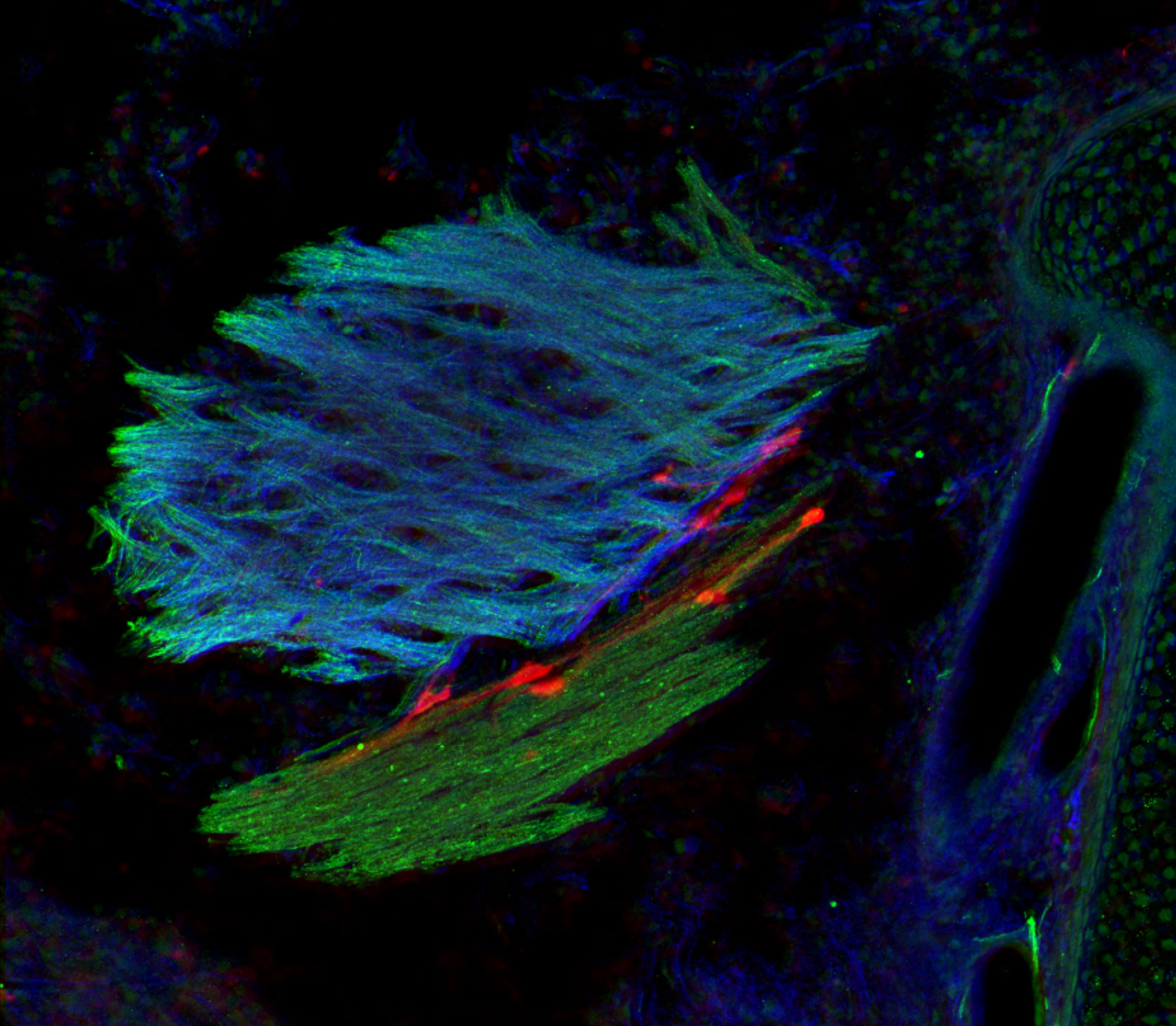
GnRH (red cell) neurons that are born in the nose use olfactory fibers (green and blue marking) to migrate into the brain during fetal life. © European Research Council/Agence Nationale de la Recherche Médicale/Métropole Européenne de Lille

Until now the general consensus had been that puberty was triggered by the acceleration of growth. However, a research team from Inserm, Lille teaching hospital and Université de Lille working at the Lille Neuroscience and Cognition Laboratory has discovered in mice a mechanism associated with the prepubertal growth spurt and the triggering of early puberty. This mechanism is regulated by the GnRH neurons, which orchestrate fertility, through the expression of their protein Nrp1. The team’s findings, published in The EMBO Journal, challenge existing knowledge of the triggers of puberty and pave the way for the study of this mechanism in humans and its potential role in some cases of early puberty.

The general consensus is that a growth spurt at the beginning of puberty triggers the activation of GnRH neurons[1] in the brain and the release of sex hormones. During embryonic development, these GnRH neurons appear in the nose and migrate towards the hypothalamus in the brain – from where they later go on to orchestrate fertility.

This study, conducted by Inserm Research Director Vincent Prévot and his team within the Lille Neuroscience and Cognition laboratory (Inserm/Lille teaching hospital/Université de Lille), has challenged this scientific consensus by re-examining the roles of GnRH neurons in triggering puberty.

This study follows previous research in which Prévot and his team had shown that a protein, called Nrp1, which is present along the axons linking the nose to the olfactory system of the brain, is a component of the “rails” that enable GnRH neurons to migrate from the nose to the brain during embryonic development. However, Nrp1 is also expressed by the GnRH neurons themselves, which led the researchers to study its role in the migration and functioning of those neurons. In order to do that, they developed a mouse model in which Nrp1 was inactivated only in the GnRH neurons but continued to be expressed elsewhere. These neurons were labeled with fluorescence in order to observe them over a period of time.

What the research team observed in the mutated mice was an increase in the quantity of GnRH neurons in the nose, which is associated with migration towards the brain starting earlier. Physiologically, the authors observed weight gain and more rapid growth of the mutated mice in relation to the control animals, as well as an earlier start to puberty.

These observations suggest that the GnRH neurons could in reality control the prepubertal growth spurt and not the other way around as the researchers had hitherto thought.

“We will research connections and communications between the GnRH neurons and the appetite and growth regulation functions to explain this phenomenon, specifies Prévot. It is the first time to my knowledge that these GnRH neurons are attributed functions that differ from reproduction.”

The researchers also saw in the mutated mice that the neurons had colonized an unusual region of the brain, the olfactory bulb – the center of olfactory information processing -, when they are usually only concentrated in the hypothalamus. This observation led them to verify whether the perception of odors – known to play a role in sexual attraction – could be modified. They then observed that very young female mice presenting a lack of Nrp1 had, contrary to those of the control group, a preference for the odors of male mice versus those of members of their own sex. Early puberty in those mutated mice could therefore be accompanied by sexual attraction that also takes place earlier.

It remains to be verified whether these mechanisms occur in humans. “These findings suggest that a very early growth spurt could be associated with early GnRH neuron activation. A phenomenon that could also be associated with certain variants of the NRP1 gene. These results open up new avenues in preventing the risks of early puberty in children. We will now go on to explore the inhibition of GnRH neural activity with drugs that are already used in a clinical setting”, envisages Prévot.


[1] A group of cells in the hypothalamus secrete gonadotropin-releasing hormone (GnRH),  which controls puberty and fertility. GnRH stimulates secretion of the sex hormones LH and FSH that in turn stimulate the gonads. Acquiring these functions is a lengthy process that starts with the migration of the GnRH cells in the nose towards the brain during embryonic development, and then continues with their maturation and activation at puberty.

Consumption of Foods With Lower Nutri-Scores Associated With Higher Mortality

New study looks at the link between nutritional quality of foods and mortality. © Adobe Stock

Consuming food products that rank lower on the nutritional quality score underlying the Nutri-Score logo is associated with higher mortality, according to the European cohort EPIC. These findings, obtained by researchers from Inserm, Inrae, Cnam and Université Sorbonne Paris Nord, in collaboration with researchers from the International Agency for Research on Cancer (WHO/IARC), confirm the relevance of Nutri-Score in the context of public health policy. The study was published on September 17, 2020 in the British Medical Journal (BMJ).

While it is now well established that a diet lower in sugars, saturated fats, salt and energy and higher in fiber, fruit and vegetables is better for health – helping to prevent the risk of chronic conditions, such as cancer or cardiovascular diseases – putting these recommendations into practice remains a major challenge.

With this in mind, the Nutri-Score logo was developed to help consumers choose foods with a better nutritional quality at the point of purchase and to incentivize manufacturers to improve the nutritional quality of their products. Nutri-Score is a front-of-pack label that uses 5 colors and provides information on the nutritional quality of food products: from category A (dark green) indicating higher nutritional quality to category E (dark orange) indicating lower nutritional quality. The colors used by Nutri-Score are attributed on the basis of Food Standards Agency nutrient profiling system, modified version (FSAm-NPS) scores, which reflect the nutritional profile of foods according to their content (per 100 g) in terms of energy, sugars, saturated fatty acids, sodium, protein, fiber and fruit and vegetables.

A number of studies published in international scientific journals have shown the validity of the FSAm-NPS score in characterizing the nutritional quality of food products as well as the efficacy of Nutri-Score in guiding consumers towards more nutritious choices. In particular, links between the consumption of foods whose FSAm-NPS scores indicate higher nutritional quality (reflected in higher Nutri-Scores) and better health have so far been observed in France (SU.VI.MAX and NutriNet-Santé cohorts), the United Kingdom (Whitehall II and EPIC-Norfolk cohorts) and Spain (SUN cohort).

The aim of the new study published in the BMJ and conducted by the Nutritional Epidemiology Research Team (EREN) at the Epidemiology and Statistics Research Center – Université de Paris (Inserm/Inrae/Cnam/Université Sorbonne Paris Nord) was to look for links between the FSAm-NPS scores of the foods consumed and mortality within a very broad population distributed across 10 European countries. It follows on from a study published in 2018, which was conducted in the same population in relation to cancer risk.

In total, 501,594 participants from the European Prospective Investigation into Cancer and Nutrition (EPIC) cohort were included in the analyses. During the 1992 to 2015 follow-up period, 53,112 participants died of non-accidental causes (including cancer and diseases of the circulatory, respiratory and digestive systems).

The researchers show that those participants who consumed on average more foods with FSAm-NPS scores indicating lower nutritional quality (reflected in lower Nutri-Scores), presented higher mortality (total mortality and mortality linked to cancer and diseases of the circulatory, respiratory and digestive systems).

Findings which were statistically significant once a large number of sociodemographic and lifestyle characteristics were taken into account.

Nutri-Score was officially adopted in France in 2017 and since then by various other European countries (Belgium, Spain, Germany, Netherlands, Switzerland and Luxembourg). Nevertheless, under current European labeling regulations the inclusion of this logo is optional and as such depends on the willingness of the food manufacturers. Although over 350 companies and brands so far have undertaken to include Nutri-Score on their products, one crucial point remains the necessity, in the near future, for Europe-wide harmonization making it mandatory to implement an effective and useful logo for consumers. This harmonization is envisaged for the year 2022 as part of the Farm to Fork strategy presented in May by the European Commission.

“In this context, our findings, combined with the various other findings available on the subject, help to show not just the capacity of FSAm-NPS and Nutri-Score to characterize the nutritional quality of foods but also the relevance of their use in the context of public health policies aimed at guiding consumers towards healthier food choices in order to prevent chronic diseases,” emphasize Inserm researchers Mélanie Deschasaux and Mathilde Touvier, who coordinated the study.

Research shows that treatment with growth hormone in children who have recovered from cancer does not increase the risk of a second tumor.

Growth hormone deficiency is a common complication of radiotherapy. © Adobe Stock


Teams from Bicêtre AP-HP hospital, Inserm, Gustave Roussy and the University of Paris-Saclay studied the influence of growth hormone treatment on the risk of a second tumor. in 2,852 adults recovered from childhood cancer. The data confirm that treatment with growth hormone in these children with growth hormone deficiency does not increase the risk of developing a second cancer. This study therefore provides reassuring data on the long-term fate of these children cured of cancer and treated with growth hormone to enable them to reach normal adult height. The results of this study were published in the European Journal of Endocrinology in September 2020.

Growth hormone deficiency is a common complication of brain radiation therapy. Children treated with radiation therapy need growth hormone treatment to reach normal adult height, but there have been concerns about a possible increased risk of another tumor developing in adulthood caused by it. growth hormone treatment.

Researchers from unit 1018 of the “Center for Research in Epidemiology and Population Health (CESP)” (Inserm / Université Paris-Saclay / Gustave Roussy) and from Bicêtre AP-HP hospital, analyzed data from a French cohort, Euro2k, which brings together 2,852 survivors of pediatric cancer diagnosed before the age of 18 before 1986. Among them, 196 had been treated in childhood with growth hormone.

The research team studied the influence of growth hormone treatment on the occurrence of second tumors with a follow-up of 26 years, taking into account the doses of radiation received by all the organs of the body. These were obtained by reconstituting the radiotherapy received for each child. 

In this cohort, 374 survivors developed a second tumor, 40 of whom received growth hormone treatment in childhood. Analysis of the data shows that treatment with growth hormone is not associated with an increased risk of second tumors. However, these researchers found in survivors who received growth hormone treatment for more than 4 years, a slight increase (x2) risk of meningioma, a benign tumor of the meninges favored by high doses of radiotherapy. This slight excess risk of meningioma in survivors who received more than 4 years of treatment with growth hormone is not significant, however, and there is no evidence that the treatment with growth hormone either. responsible.

“This study provides information on the long-term fate of the children whom we treat with growth hormone for a growth hormone deficiency secondary to the treatment of their cancer. These new data allow us to approach the treatment with growth hormone calmly. in these children cured of cancer, when necessary and to reassure families about the absence of an increased risk of second tumors during this treatment. concludes Dr Cécile Thomas-Teinturier, pediatrician-endocrinologist at the Bicêtre AP-HP hospital and first author of the study.

Prise en charge des formes sévères de Covid-19 : une méta-analyse incluant l’étude CAPE-COVID* plaide en faveur de la corticothérapie

fermer