Menu

Eating meals early could reduce cardiovascular risk

© Freepik

A study led by scientists from INRAE, the Barcelona Institute for Global Health, Inserm, and the Université Sorbonne Paris Nord, has revealed that the time at which we eat could influence our risk of developing cardiovascular disease. This study, carried out on a sample of over 100,000 people from the NutriNet-Santé cohort, followed between 2009 and 2022, suggests that eating a late first or last meal is associated with a higher risk of cardiovascular disease. It also appears that a longer night-time fasting duration is associated with a reduced risk of cerebrovascular disease such as stroke. The findings, published in Nature Communications, suggest the importance of daily meal timing and rhythm in reducing cardiovascular disease risk.

Cardiovascular diseases are the leading cause of death in the world according to the Global Burden of Disease study, with 18.6 million annual deaths in 2019, of which around 7.9 are attributable to diet. This means that diet plays a major role in the development and progression of these diseases. The modern lifestyle of Western societies has led to specific eating habits such as eating dinner late or skipping breakfast. In addition to light, the daily cycle of food intake (meals, snacks, etc.) alternating with periods of fasting synchronizes the peripheral clocks, or circadian rhythms, of the body’s various organs, thus influencing cardiometabolic functions such as blood pressure regulation. Chrononutrition is emerging as an important new field for understanding the relationship between the timing of food intake, circadian rhythms and health.

Scientists used data from 103,389 participants in the NutriNet-Santé cohort (79% of whom were women, with an average age of 42) to study the associations between food intake patterns and cardiovascular disease. To reduce the risk of possible bias, the researchers accounted for a large number of confounding factors, especially sociodemographic factors (age, sex, family situation, etc.), diet nutritional quality, lifestyle and sleep cycle.

The results show that having a first meal later in the day (such as when skipping breakfast), is associated with a higher risk of cardiovascular disease, with a 6% increase in risk per hour delay. For example, a person who eats for the first time at 9 a.m. is 6% more likely to develop cardiovascular disease than someone who eats at 8 a.m. When it comes to the last meal of the day, eating late (after 9 p.m.) is associated with a 28% increase in the risk of cerebrovascular disease such as stroke compared with eating before 8 p.m., particularly in women. Finally, a longer duration of night-time fasting – the time between the last meal of the day and the first meal of the following day – is associated with a reduced risk of cerebrovascular disease, supporting the idea of eating one’s first and last meals earlier in the day.

These findings, which need to be replicated in other cohorts and through additional scientific studies with different designs, highlight a potential role for meal timing in preventing cardiovascular disease. They suggest that adopting the habit of eating earlier first and last meals with a longer period of night-time fasting could help to prevent the risk of cardiovascular disease.

The NutriNet-Santé study is a public health study coordinated by the Nutritional Epidemiology Research Team (EREN-CRESS, Inserm/INRAE/Cnam/Université Sorbonne Paris Nord/Université Paris Cité), which, thanks to the commitment and support of over 175,000 study participants, is advancing research into the links between nutrition (diet, physical activity, nutritional status) and health. The study was launched in 2009 and has already resulted in over 270 international scientific publications. There is still a call for new study participants living in France to continue advancing research into the relationship between nutrition and health.

By spending a few minutes a month responding via the etude-nutrinet-sante.fr secure online platform, participants help to advance knowledge of the relationship between diet and health.

A new study sheds light on the link between childhood ADHD symptoms and physical health conditions

TDAH ADHD manifests as high levels of inattention and/or hyperactivity and impulsivity. © Adobe Stock

Attention-deficit hyperactivity disorder (ADHD) affects many children and is often accompanied by other conditions, such as metabolic disorders, asthma and dental caries. However, uncertainties remain as to the chronology of onset of such conditions, particularly when it comes to knowing which are linked with ADHD over time or, on the other hand, which increase the risk of developing ADHD symptoms. Scientists from Inserm and Université de Bordeaux at the Bordeaux Population Health Center in collaboration with teams in the UK, Sweden and Canada have conducted the most comprehensive analysis to date by evaluating temporal links between ADHD symptoms and a wide range of medical conditions. Their findings, published in Lancet Child and Adolescent Health, highlight the importance of the multidisciplinary management of ADHD patients, based on enhanced collaboration between physical and mental healthcare professionals.

Attention-deficit hyperactivity disorder (ADHD) is a neurodevelopmental disorder that begins in childhood and is characterised by high levels of inattention and/or hyperactivity and impulsivity. In addition to the difficulties it causes at school and in professional and social life, research has shown that ADHD is associated with various medical comorbidities (metabolic disorders, asthma, obesity, addictions, etc.) and an increased risk of accidental injury.

Nevertheless, the studies published so far in this area presented methodological limitations. With their small patient samples and lack of long-term health follow-up, they were unable to determine the direction of the links observed and the chronology of their onset. In addition, confounding factors such as social health inequalities or medication use were often insufficiently taken into account.

This made it difficult for scientists to answer a certain number of questions: do comorbidities appear before or after the development of ADHD? Are they directly related to it or caused by other factors? Can ADHD be promoted by previous medical conditions? Yet it is understanding the temporal sequences of these different associations that is essential in order to develop appropriate care and prevention strategies for patients.

The team of Cédric Galera, researcher at the Bordeaux Population Health Center (Inserm/Université de Bordeaux) and child psychiatrist, working with UK, Swedish and Canadian teams, therefore decided to analyse the data of more than 2,000 children from the large-scale Quebec Longitudinal Study of Child Development cohort. The children were followed from 5 months to 17 years of age. They were seen multiple times in early childhood (5 months to 5 years of age), middle childhood (6 to 12 years of age) and in adolescence (13 to 17 years of age).


ADHD and other disorders

On these occasions, the children were evaluated on the severity of any ADHD symptoms they had as well as their physical condition (general health, any illnesses, etc.). These data were reported to the researchers by the person who knew the child best in early childhood, by teachers in middle childhood, and by the child itself in adolescence.

Based on these data and taking into account multiple confounding factors, the scientists carried out statistical analyses to measure the associations between presenting ADHD symptoms and developing certain subsequent physical disorders, and conversely, between presenting physical problems in childhood and then developing subsequent ADHD symptoms.

‘This is the most comprehensive analysis evaluating the temporal links between ADHD symptoms and a wide range of medical conditions, including skin problems, infections, injuries, sleep disorders and other chronic diseases. We sought to evaluate the possible longitudinal associations between ADHD symptoms and a wide range of physical conditions, taking into account several confounding factors,’ explains Galera, who is also the first author of the study.

The scientists showed that having ADHD symptoms in early childhood was associated with a high BMI in middle childhood and adolescence, as well as unintentional injuries in adolescence. Conversely, having presented with unintentional injuries in early childhood was associated with subsequent onset of ADHD symptoms in middle childhood and adolescence. Finally, restless legs syndrome in early childhood also increased the risk of ADHD in middle childhood.

‘By shedding light on the links between ADHD and various comorbidities, as well as the timescale at which they occur, our study reinforces the idea that physical and mental health problems are intertwined, and highlights the need for healthcare professionals of all disciplines to work together in a better way. For example, physicians should be able to refer patients to other disciplinary fields as needed. The earlier we intervene, the more we prevent the evolving risks associated with ADHD,’ emphasises Galera.

To go further, the team will continue to focus on these links by studying data collected on young adults between the ages of 20 and 25. In addition, the scientists would also like to carry out similar work using French data, based on the large cohorts set up in the country, such as the French Longitudinal Study of Children (Elfe).

Discovery of the role of a brain regulator involved in psychiatric illnesses

It was widely accepted that families of synaptic receptors transmitted excitatory, and others inhibitory, messages to neurons. © Adobe Stock

Contrary to all expectations, GluD1 – a receptor considered to be excitatory – has been shown in the brain to play a major role in controlling neuron inhibition. Given that alterations in the GluD1 gene are encountered in a certain number of neurodevelopmental and psychiatric disorders, such as autism (ASD) and schizophrenia, this discovery opens up new therapeutic avenues to combat the imbalances between excitatory and inhibitory neurotransmissions associated with these disorders. Published in Science, this research is the result of collaborations between researchers from Inserm, CNRS and ENS at the ENS Institute of Biology (IBENS, Paris, France) with their colleagues at the MRC Laboratory of Molecular Biology in Cambridge, UK.

The complexity of the brain’s function reveals many surprises. While it was widely accepted in brain activity that families of synaptic receptors (situated at the extremity of a neuron) transmitted excitatory, and others inhibitory, messages to neurons, a study co-led by Inserm researchers Pierre Paoletti and Laetitia Mony at the ENS Institute of Biology has shed new light on this.

To understand what it is all about, we need to go back to the basics. An ‘excitatory’ synapse triggers the creation of a nerve message in the form of an electrical current if a receptor on its surface is able to bind to an excitatory neurotransmitter present in the interneuronal space, most often glutamate. This is called ‘neuronal excitation’. However, an ‘inhibitory’ synapse prevents this neuronal excitation by releasing an inhibitory neurotransmitter, often GABA. This is called ‘neuronal inhibition’. Thus, the families of glutamate receptors (iGluR) and GABA receptors (GABAAR) are considered to have opposite roles.

Toutefois, un sous-type de récepteur au glutamate appelé GluD1 intriguait les scientifiques. En effet, alors qu’il est censé avoir un rôle excitateur, celui-ci est préférentiellement retrouvé au niveau de synapses inhibitrices. Cette observation, effectuée par l’équipe de la chercheuse Inserm Cécile Charrier à l’Institut de Biologie de l’ENS en 2019, avait interpellé la communauté scientifique car le gène GluD1 est souvent associé à des troubles du neurodéveloppement comme l’autisme ou à des maladies psychiatriques de type troubles bipolaires ou schizophrénie, dans les études génétiques de population humaine. Comprendre le rôle de ce récepteur représente donc un enjeu de taille. Pour y voir plus clair, l’équipe de Pierre Paoletti a étudié ses propriétés moléculaires et sa fonction, à partir de cerveaux de souris, au niveau de l’hippocampe où il est fortement exprimé.

However, a glutamate receptor subtype called GluD1 intrigued the scientists. Although it is meant to have an excitatory role, it is preferentially found at the inhibitory synapses. This observation, made by the team of Inserm researcher Cécile Charrier at the ENS Institute of Biology in 2019, attracted the interest of the scientific community because the GluD1 gene is often associated with neurodevelopmental disorders (e.g. autism) or psychiatric conditions (e.g. bipolar disorders or schizophrenia) in human population genetic studies. Understanding the role of this receptor is therefore a major challenge. To find out more, Paoletti’s team used mouse brains to study its molecular properties and function in the hippocampus where it is strongly expressed.


An atypical role

Contrary to its name, the researchers already knew that the GluD1 receptor is unable to bind to glutamate. But in this study they were surprised to find that it bound GABA. Radu Aricescu’s team in Cambridge even described in the publication the fine atomic structure of the site where GluD1 interacts with GABA, using a technique called X-ray crystallography[1].

In principle, its role in the brain is therefore not excitatory of neuronal activity but inhibitory. Taking this finding into account, can we still say that this receptor belongs to the glutamate receptor family?

‘While the question remains, the analyses of phylogeny (relationships between genes and proteins) and the structural data do all show that it belongs to it. However, it is possible that certain mutations acquired during the course of evolution have profoundly modified its functional properties’, explains Paoletti.

Another source of curiosity is that this receptor does not function as a ‘conventional’ glutamate receptor or as a GABA receptor. Both cause the opening of channels in the cell membrane enabling the passage of ions responsible for the excitation or inhibition of the neuron. The GluD1 receptor however does not allow any channels to be opened. Its activity results from other internal mechanisms within the cell, which remain to be clarified.

Finally, this research suggests a major regulatory role for GluD1 in relation to the inhibitory synapses. Indeed, when activated by the presence of GABA, the inhibitory synapse is more effective. This manifests as a greater inhibitory response that lasts for a few dozen minutes.

 ‘In other words, GluD1 reinforces the inhibition signal. Perhaps by promoting the recruitment of new GABA receptors at the synapse? In any case, we are talking about a key regulator’, explains Mony.

For the scientists who contributed to this research, this discovery marks a real step forward.

These findings pave the way for a better understanding of the imbalances between excitatory and inhibitory messages in the brain in neurodevelopmental and psychiatric disorders, such as ASD and schizophrenia, or in conditions characterised by neuronal hyperexcitability, such as epilepsy. Following that, it will be important to study the potential of GluD1 as a therapeutic target for restoring better balance and reducing symptoms in these disorders’, they conclude.


[1] A physicochemical analysis technique based on the diffraction of X-rays  by the matter to determine its molecular composition and 3D structure.

The very first 3D map of the embryonic human head enables new insights into its development

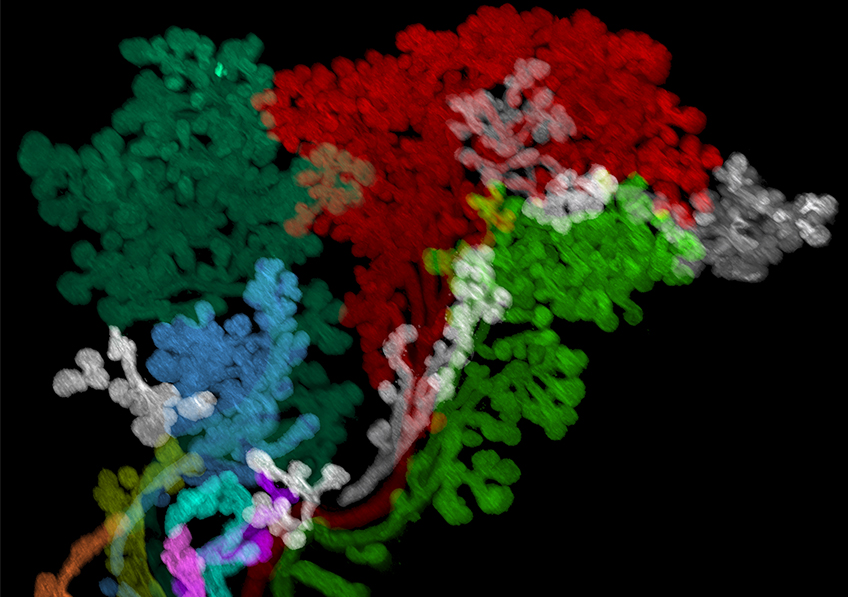
Image 3 D glande lacrymale d’embryon humain 3D light-sheet microscope image of a lacrimal gland of a tissue-cleared 12-week-old human embryo. The different elements of the gland were coloured using virtual reality software. © Raphael Blain/Alain Chédotal, Vision Institute (Inserm/CNRS/Sorbonne Université)

Improving our knowledge of the development of the complex structures of the human head to shed new light on the congenital abnormalities that cause malformations: this is the challenge that a team of researchers from Inserm, CNRS and Sorbonne Université at the Vision Institute, Université Claude Bernard Lyon 1 and Hospices civils de Lyon is well on its way to fulfilling. Thanks to an innovative technique in which the skull structures are made transparent and 3D photos are taken of their component cells, this team has been able to establish the very first 3D atlas of the embryonic human head. These findings, to be published in Cell, have already provided deeper insights into how certain complex structures of the head are formed, such as the lacrimal and salivary glands or the arteries of the head and neck. They pave the way for new tools to study embryonic development.

The head is the most complex structure in the human body. In addition to the muscles and skin that protect it, and the brain encased within the skull, it contains blood vessels, nerves, endocrine glands – which secrete hormones directly into the bloodstream – such as the pituitary glands, and exocrine glands – which secrete substances to the outside environment – such as the salivary glands, which produce saliva, or the lacrimal glands, which secrete tears.

Our current knowledge about the development of the human head and its complex structures is rudimentary and comes from studies mostly carried out in the first half of the XX century, using simple histological sections. As such, despite head malformations occurring in around one third of newborns with congenital defects, the mechanisms that control the development of the human head remain poorly understood.

A team led by Alain Chédotal, Inserm research director at the Vision Institute (Inserm/CNRS/Sorbonne Université) and professor at the MéLiS laboratory of Mechanisms in Integrated Life Sciences (Inserm/CNRS/Université Claude Bernard Lyon 1/Hospices civils de Lyon), and Yorick Gitton, CNRS staff scientist also at the Vision Institute, used an innovative microscopy method to shed new light on the development of the human head.

The team had previously used the same technology in the embryo to study the development of other human organs[1]. This technology is called ’tissue clearing’ because it makes organs transparent to light. The cleared sample is then imaged in 3D using a special microscope that scans with a fine sheet of laser light. This makes it possible to locate in situ the cells that make up the embryonic tissues.

The researchers were able to apply this technique to embryos at different stages of development, obtained from the human tissue biobank created as part of the Human Developmental Cell Atlas (HuDeCA) programme coordinated by Inserm[2]. Thanks to the images obtained, they established the first 3D map of the embryonic human head[3].

Next, the team used virtual reality to analyse the 3D images and thus ‘navigate’ within the embryos.

‘This enabled us to discover previously unknown characteristics of the development of the cranial muscles, nerves, blood vessels and exocrine glands, states Chédotal. For example, it had never been possible to study the very early stages of development of the human salivary and lacrimal glands. Our research has enabled us to begin to visualise and better understand the mechanisms behind the establishment of these anatomically extremely complex structures’, he adds.


œil d’embryon humain transparisé 3D light-sheet microscope image of a 12-week-old tissue-cleared human embryo eye. The 6 oculomotor muscles responsible for eye movement and the 3 motor nerves (in white, green and red) were coloured using virtual reality software. ©Raphael Blain/Alain Chédotal, Vision Institute (Inserm/CNRS/Sorbonne Université)

The scientists have also set up a web interface (hudeca.com) to access not only the images obtained in this research, but also models for 3D printing and interactive 3D reconstructions of human embryos. This platform provides valuable resources that can also contribute to the training of medical students.

In future research, the team will attempt to map the various cells of certain organs, such as the retina.

‘At this stage, it is kind of as if we have mapped the continents and countries but still have to position the cities and their inhabitants’, explains Chédotal, whose team will also collaborate with physicians to apply the technology to pathological samples.

‘The new knowledge of human embryology provided by this research, as well as the new tools developed, has major implications for understanding craniofacial malformations and neurological disorders, as well as for improving diagnostic and therapeutic strategies’, concludes the researcher.


[1] See our press release of 23 March 2017: https://presse.inserm.fr/en/the-human-embryo-as-you-have-never-seen-it/57363/

[2] Launched in 2019, the objective of the cross-cutting HuDeCa programme coordinated by Inserm is to build the first atlas of human embryonic and foetal cells. It also aims to structure human embryology research at French level and develop databases. In the longer term, HuDeCa is expected to serve as a basis for understanding the origin of chronic diseases or congenital malformations.

[3] With the specific exception of the brain, a structure that was not covered by this research.

2023 Inserm Prizes: Innovative research at the service of patients

Prix Inserm 2023© Inserm

‘Through its Prizes, Inserm celebrates this year five emblematic winners of our collective effort to conduct and support health research with efficacy and creativity,’ emphasises Inserm CEO, Prof. Didier Samuel. Throughout 2023, and as Inserm prepares to celebrate its 60th anniversary next year, its staff has continued to promote the health of all citizens thanks to major advances across all areas of biomedical research. The work of the five scientists selected to receive this year’s prizes reflects the rich and innovative nature of Inserm research. The Inserm Grand Prize is awarded to Nadine Cerf-Bensussan, a pioneer in the exploration of the microbiota, who has been studying intestinal immunity for more than forty years in order to improve patient care.


Nadine Cerf-Bensussan, Inserm Grand Prize

Prix Inserm 2023© François Guénet/Inserm

Inserm Research Director Nadine Cerf-Bensussan heads up the Intestinal Immunity laboratory at the Imagine Institute in Paris, where she is studying the role of the intestinal immune system, which on the one hand protects us from pathogens, but on the other has to tolerate the nutrients and many bacteria present in the microbiota.

More specifically, her work aims to better understand intestinal pathologies, including gluten-induced coeliac disease, as well as the links between the gut microbiota and its host.

Although this type of research is gaining traction right now – with the general public being familiar with the terms ‘microbiota’ and ‘gluten intolerance’ – this was not the case when she began her career 40 years ago.

She entered the field somewhat by chance, first through a hospital internship in Claude Griscelli’s Department of Immunology and Haematology at Necker-Enfants Malades, then by moving towards a post-graduate diploma (DEA) and an internship at Massachusetts General Hospital in Boston where she developed her first antibody against intestinal lymphocytes in rats.

Back in France in the early 1980s, she committed herself to research, successfully completing a competitive examination to become an Inserm staff scientist in 1987 – still in the team of Claude Griscelli, who went on to serve as Inserm CEO from 1996 to 2001. There Cerf-Bensussan developed the first antibody against human intra-epithelial lymphocytes and saw in coeliac disease – which is now widely discussed in the media – an ideal model for studying the role of these lymphocytes and, more broadly, intestinal immunity.

The rest of her career so far has been punctuated by major advances in the understanding of the microbiota and intestinal immunity. For example, with her team, the researcher demonstrated the key role of the segmented filamentous bacterium, a true ‘star of intestinal immunity’. The team is currently continuing to study this bacterium in order to identify its mechanisms of action and how the host controls its expansion in the gut.

In 2014, the integration of the team at the Imagine Institute was a major opportunity to develop new themes in the field of genetic intestinal diseases. In particular, Cerf-Bensussan and her colleagues have created a cohort of patients suspected of having monogenic intestinal disease. Thanks to their efforts, a genetic diagnosis was made for around 30% of those patients and a high-throughput sequencing-based diagnostic tool was developed. The team is also trying to establish a catalogue of genes essential to the balance of the intestinal barrier and to define their precise roles, where needed.

I’m delighted about this Grand Prize, which I see as the recognition of the importance of this interface that is constantly exposed – not just to a considerable mass of microbes but also to the multiple components of our diet and environment. It’s as if we had awarded the prize to the gut!’ concludes Cerf-Bensussan.


Thomas Baumert, Research Prize

Prix Inserm 2023© François Guénet/Inserm

As both a physician and a researcher, Thomas Baumert has furthered knowledge on fibrosis and liver cancer in order to develop innovative treatments to improve patient care. These efforts have earned him the Research Prize.

This passionate scientist is currently Director of the Institute for Viral and Hepatic Disease Research in Strasbourg. His team – which has around fifty people at present – is responsible for major advances in the field.

Their work on immune response and the entry of the hepatitis C virus into cells contributed to the treatments subsequently developed by private pharmaceutical companies. This is a significant step forward considering that hepatitis C was responsible for the deaths of many people from liver cancer twenty years ago, and that it can now be cured.

Other research published by his team, in collaboration with several international laboratories, testifies to Baumert’s dynamism and spirit of innovation – always at the service of patients.

The scientists have: discovered a new therapeutic target for fibrosis and liver cancer – a protein overexpressed on the surface of diseased tissue cells called ‘claudin 1’; drawn up an ‘atlas’ of all human liver cells and their mechanisms of action; and developed a kind of ‘mini liver’ that mimics the prognostic signature of fibrosis and cancer.


Alexandre Loupy, Innovation Prize

Prix Inserm 2023© François Guénet/Inserm

Winner of the Innovation Prize, Director of the Paris Transplant Institute and the Paris Transplant Group, Alexandre Loupy is a nephrologist, biologist and biostatistician. Multifaceted expertise that enables him and his team to develop innovative tools to improve kidney transplantation.

One of the many advances in which he has participated is the 2013 discovery of antibodies that strongly increase transplant rejection.

Then, more recently, his team developed an algorithm called iBox that uses biological, immunological and genetic parameters to predict graft rejection risk, graft survival and transplant patient mortality. A valuable tool to help doctors adjust monitoring and treatment.

The development of this algorithm was entrusted to Predict4Health, an Inserm, AP-HP and Paris Cité University start-up that Loupy founded in 2019. The algorithm underwent a clinical trial in Europe and has completed the regulatory process enabling its reimbursement to French social security beneficiaries. iBox is now used to monitor 10,000 patients in France and is currently under development to monitor chronic kidney diseases and heart, lung, and liver transplants.

Despite sharing his time between France and the US – where he teaches, Loupy has no intentions of abandoning the French research world and is immensely proud of this prize that rewards the work of his whole team.


Marina Kvaskoff, Opecst-Science and Society Prize

Prix Inserm 2023© François Guénet/Inserm

Marina Kvaskoff is an epidemiologist at the Centre for Epidemiology and Population Health Research (CESP) in Villejuif and devotes her time and energy to research into endometriosis – a long-overlooked gynaecological disease.

Her efforts to better understand and raise awareness of it have earned her the Opecst-Science and Society Prize.

Following her PhD, the researcher – who joined Inserm as staff scientist in 2016 – headed to the US to train at Harvard University with Stacey Missmer, a pioneer in endometriosis epidemiology and now Chair of the World Endometriosis Society.

Eager to better understand this disease that affects many women but about which little is known, she embarked on research in which she saw that certain exposures in childhood (passive smoking, dietary deprivation, intense physical activity, etc.) increase the risk of developing it. She also shows that endometriosis is linked to the risk of different cancers.

Important research, which has remained niche for too long, despite the support of Inserm. However, since 2018, the strong mobilisation of patient associations and celebrity advocacy have brought endometriosis out of the shadows. The disease is becoming a subject that is taken seriously by health authorities. In 2022, the French government announced its desire to set up the ambitious Epi-Endo programme on the epidemiology of endometriosis, led by Kvaskoff as part of the Women’s Health, Couples’ Health priority research programmes and equipment (PEPR).


Ghislaine Filliatreau, Research Support Prize

Prix Inserm 2023© François Guénet/Inserm

For thirty years, Ghislaine Filliatreau, Inserm’s Scientific Integrity Officer, has channelled all her energy and detailed knowledge of the research ecosystem into serving research. An approach that has earned her the Research Support Prize.

After joining Inserm in 1983 as a researcher in cellular neurobiology, she joined the French Ministry of Higher Education and Research twelve years later to work on the development of open archives – what is now known as ‘open science’.

She has also headed up the Science and Technology Observatory, which is tasked with devising indicators to support the definition and evaluation of research policies.

Experience that is as rich as it is varied, enabling her to fully understand the challenges of research and the reality of laboratories.

In 2016, she returned to Inserm as Scientific Integrity Officer, whose mission is not only to manage breaches of integrity, but also to prevent them by providing expertise and advice for the promotion of reliable and robust research.

A task that is close to her heart and which she fulfils with great energy and success. She also co-directs the LORIER programme (The organisation for ethical and responsible research at Inserm) and participated this year in the development of Inserm’s public speaking charter.


The Inserm Prizes

The Grand Prize pays tribute to a French scientific research player whose work has led to remarkable progress in our knowledge of human physiology, treatment and health research more generally.

The Research Prize honours a researcher whose work has particularly marked the fields of basic research, clinical and therapeutic research, and public health research.

The Innovation Prize is awarded to a researcher whose work has been the subject of entrepreneurial value creation.

The Opecst-Science and Society Prize honours a researcher, engineer, technician or administrative worker who stands out in the field of research promotion and through their ability to be in dialogue with society and attentive to the health questions of its citizens.

Finally, the Research Support Prize is awarded to an engineer, technician or administrative worker for significant achievements in the support of research.

Cardiovascular Diseases: Diet, Microbiota, Immunity, It Is All Linked!

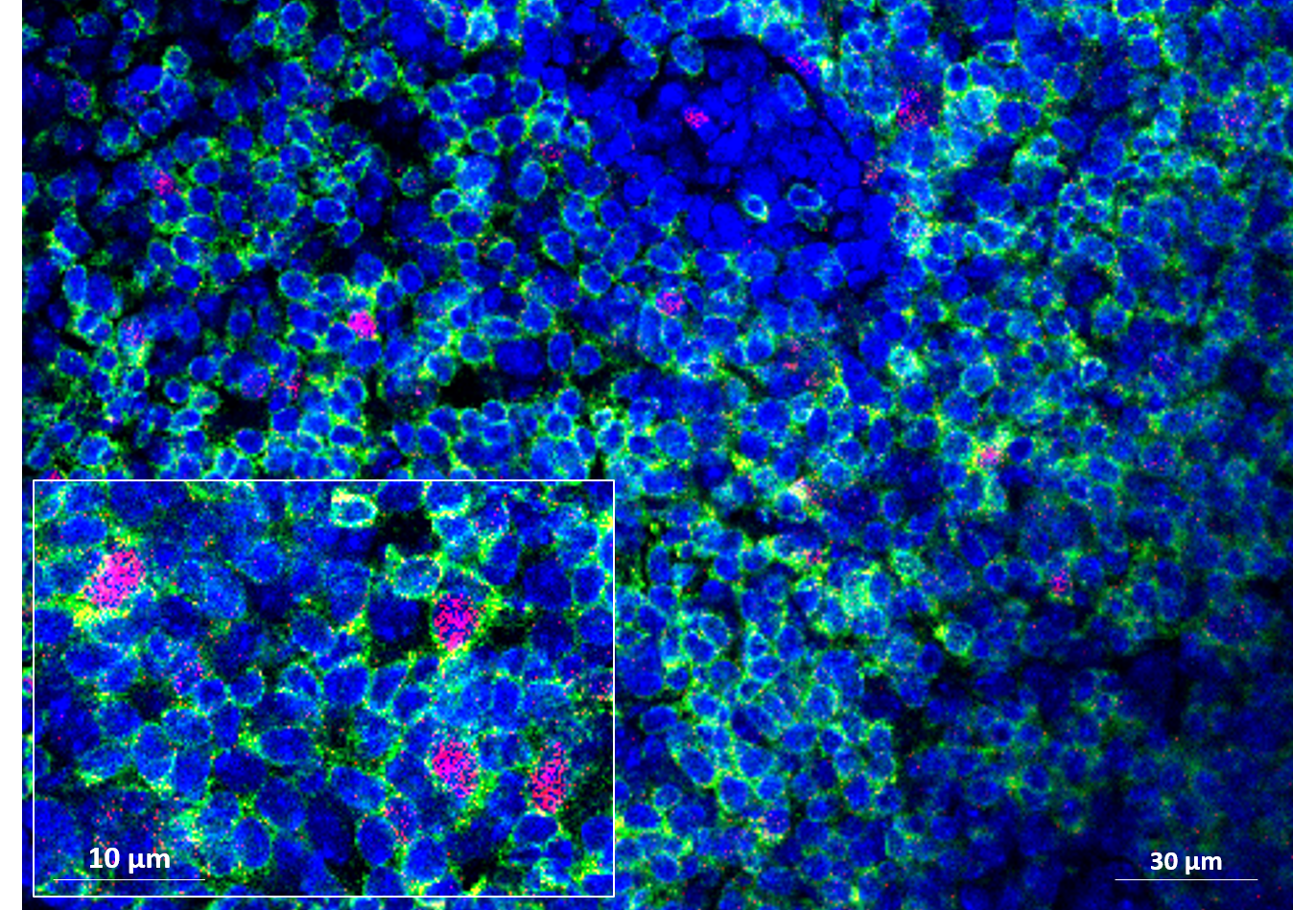
prolifération des cellules immunitaires (lymphocytes)Visualization of immune cell (lymphocyte) proliferation in the mesenteric lymph nodes, under the influence of a microbiota modulated by a high-fat diet. © Soraya Taleb/PARCC

Although a high-fat, low-fiber diet is recognized as promoting cardiovascular diseases such as atherosclerosis, the mechanisms involved have not yet been fully identified. Researchers from Inserm and Université Paris Cité have studied the role of the gut microbiota in the development of atherosclerosis. Their work in mice reveals that the low fiber content of the high-fat diet leads to an imbalance in the gut microbiota, which itself causes systemic inflammation, worsening the development of atherosclerotic plaques in the arteries. These findings, published in Cell Reports, provide further evidence of the importance of fiber in the diet, both for good bowel function and for preventing the onset of cardiovascular diseases.

Cardiovascular diseases constitute one of the leading causes of death worldwide. Among them, atherosclerosis is characterized by the formation of an atherosclerotic plaque (atheroma), composed mainly of lipids, on the walls of the arteries. Over time, these plaques can cause damage to the arterial wall, obstruct the vessel, or rupture – often with serious consequences. Among the major risk factors for atherosclerosis is obesity, particularly when caused by a diet that is too high in fat and low in fiber. As such, it is not just diet but also its impact on the gut microbiota that are now avenues of interest for research into cardiovascular diseases.

A team led by Soraya Taleb, Inserm research director at the Paris-Center for Cardiovascular Research (Inserm/Université Paris Cité), looked at the influence of a high-fat, low-fiber diet on the gut microbiota of mice and how this could contribute to the development of atherosclerosis.

The researchers used a mouse model of diet-induced atherosclerosis to compare the effects of several diets on the metabolism, microbiota and development of atherosclerosis.

Unsurprisingly, in the mice fed a high-fat, low-fiber diet, their findings show an increase in metabolic risk factors linked to cardiovascular diseases (significant weight gain, hyperglycemia, insulin resistance, increased weight of the liver and its triglyceride content, etc.).

However, these are not the only effects observed of this diet, which also appears to be associated with an overall imbalance in the microbiota – in its composition and immune response –, reflected in the altered production of metabolic derivatives by its component bacteria. In particular, short-chain fatty acids, derived from the fermentation of fiber and recognized for their positive impact on health, are produced in smaller quantities.

However, this imbalance itself appears to be associated not only with metabolic risk factors but also with a worsening of the manifestations of atherosclerosis at vascular level, with an increase in atheromatous plaque size in the aorta as well as a systemic inflammatory phenomenon which results in an increase in the number of immune cells in these plaques. However, supplementation with fiber made it possible to counteract these effects.

“These findings show, in mice fed a high-fat diet, that a pathological gut microbiota accelerates the development of atherosclerosis,” comments Taleb. Our observations also show that, more than its high fat content, it is the small amount of fiber in this diet that causes the microbiotal imbalance and as such the worsening of the atherosclerosis. This further supports the idea of the essential role of fiber in structuring a healthy microbiota and in preventing systemic inflammatory diseases such as cardiovascular diseases”, she continues.

But how can we explain the surprising link that appears between the composition of the microbiota and the accumulation of immune cells in atheromatous plaques? In mice grafted with a gut microbiota initially modulated by a high-fat diet, the research team observed an increased proliferation of immune cells in the mesenteric lymph nodes[1], the site of their activation in the gastrointestinal tract.

Techniques used to track migration of the immune cells confirmed that it was indeed cells from the mesenteric lymph nodes that, after passing from the gut into the bloodstream, accumulated in atheromatous plaques, thereby contributing to the development of atherosclerosis.

The fact that we have seen that immune cells are capable of migrating from the gut to the periphery and thereby generate systemic inflammation that worsens the atheromatous plaques adds a new dimension to our understanding of the link between diet, gut, microbiota and atherosclerosis,” explains Taleb. Additional work is needed in order to identify which of the bacteria in the microbiota are involved in this mechanism, in order to envisage targeted therapeutic approaches and study these mechanisms in humans”, concludes the researcher.


[1] The mesenteric lymph nodes are located in the mesentery, a fold of the peritoneum (the membrane lining the abdominal cavity and covering the abdominal organs) that suspends the small intestine from the posterior abdominal wall.

Effective non-invasive ultrasound therapy in the treatment of heart valve diseases

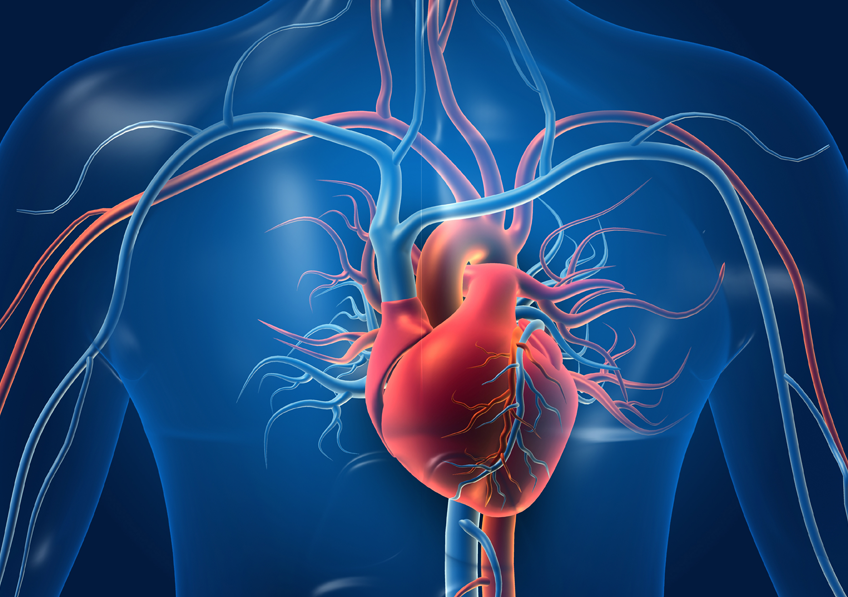
cœur© Adobe stock

Currently, the treatment of heart valve diseases relies on the replacement of the dysfunctional valve with an artificial prosthesis. However, this procedure cannot be offered to all patients due to its invasive nature. In a new study, a group of researchers from laboratories shared by Inserm, ESPCI Paris, CNRS and Université Paris Cité, in close collaboration with the start-up Cardiawave[1] spin-off of the Georges Pompidou European Hospital and the Paris Medical Physics Laboratory (Inserm/CNRS/ESPCI/PSL), report for the first time the clinical efficacy of a “non-invasive” focused ultrasound therapy. The clinical trial, conducted on a sample of 40 patients, significantly improved their health. Their findings have been published in The Lancet.

Our heart beats about 70 times a minute at rest, or more than 100,000 times a day. It pumps blood into the body at a rate of 4 to 5 litres per minute. This is why with age the heart ages, arteries and valves can become damaged[1]. More than 10 million people have calcified aortic stenosis (CAR) in Europe and the United States, including 2 million severe cases, particularly in the elderly. In this disease, the aortic valve (positioned between the heart pump and the vascular system) calcifies, becomes rigid and can no longer open properly, leading to heart failure or sudden death. Today, the only existing treatment consists of the replacement of the defective valve with an artificial prosthesis, by open heart surgery via percutaneous arterial surgery. However, a significant number of patients are not eligible for these invasive procedures due to severe comorbidities and limited life expectancy.

Finding a therapeutic alternative for these patients is a major challenge for research. For example, a research team from Inserm’s French academic laboratories has developed and tested a new approach called “non-invasive ultrasound therapy” (or NIUT). After validating the concept, the technology was developed by Cardiawave, a spin-off start-up from a collaboration between the Georges-Pompidou European Hospital (AP-HP) and laboratories shared by Inserm, ESPCI and the CNRS (Paris Physical Institute for Medicine and Langevin Institute).

This approach is based on a technology that makes it possible to repair the aortic valve thanks to the precise and mechanical action of high-energy focused ultrasound delivered by a device applied to the patient’s chest, with the aim of softening the valve and thus improving its opening.

A clinical trial was conducted on a sample of 40 patients with severe forms of the disease at three clinical sites in France (Hôpital Européen Georges-Pompidou, AP-HP, Paris), the Netherlands (Hôpital Amphia, Breda) and Serbia (Centre clinique universitaire de Serbie, Belgrade). They were treated in a single session, with follow-ups scheduled at 1, 3, 6, 12 and 24 months.

At the end of the follow-up, the scientists observed:

  • no death or serious events (infarction, stroke, severe rhythm disorders) related to the procedure;
  • a significant improvement in cardiac function (confirmed as early as 6 months after treatment with the device, reflected in particular by a 10% increase in the mean aortic valve surface area);
  • significant improvement in quality of life; improvement in heart failure symptoms[2]: physical capacity, shortness of breath on exertion. One of the tests consists, for example, of measuring the distance travelled by walking 6 minutes (6-minute walking test).

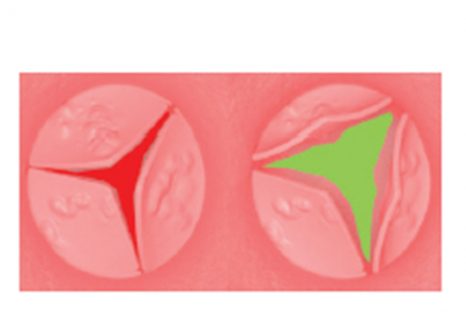
valve aortique

The aortic valve consists of several leaflets (3 most often) which, when they become calcified, prevent it from opening properly. After ultrasound treatment, we see a significant improvement in the opening surface of the aortic valve shown here in the image on the right.


These promising results represent a paradigm shift in the treatment of calcified aortic stenosis”, explains Emmanuel Messas, Principal Investigator of the clinical study.

“They show that this innovative approach is feasible and safe, and has significantly improved the hemodynamic and clinical parameters as well as the quality of life of the patients participating in the clinical trial,” adds Mickaël Tanter, Inserm Research Director at the Physics for Medicine laboratory in Paris.

“If its effectiveness is confirmed, this technology could represent immense hope for millions of patients suffering from severe forms of ORA who are currently at a therapeutic impasse,” explains Mathieu Pernot, Inserm Research Director at the Physics for Medicine laboratory.

The device called Valvosoft® is currently undergoing clinical safety and efficacy studies. It has not yet received marketing authorisation (CE marking, etc.) and is for the time being intended exclusively for clinical studies.

This project was supported by the Investments for the Future Program as part of the Global Innovation Competition. It also benefited from public aid managed by the French National Research Agency and the Horizon 2020 programme, the European Commission’s SME instruments.


[1]This study was led by Cardiawave, a spin-off start-up from Institut Langevin (Inserm/CNRS/ESPCI) and Physique for Medicine Paris (Inserm/CNRS/ESPCI/PSL)

[2]The New York Heart Association (NYHA) score for measuring the severity of heart failure improved or stabilized in 96% of patients (n=24); and the Kansas City Cardiomyopathy Questionnaire (KCCQ) mean score—another score for measuring the severity of heart failure—improved by 33%.

[3]The New York Heart Association (NYHA) score for measuring the severity of heart failure improved or stabilized in 96% of patients (n=24); and the Kansas City Cardiomyopathy Questionnaire (KCCQ) mean score—another score for measuring the severity of heart failure—improved by 33%.

A neural organoid with an immune environment

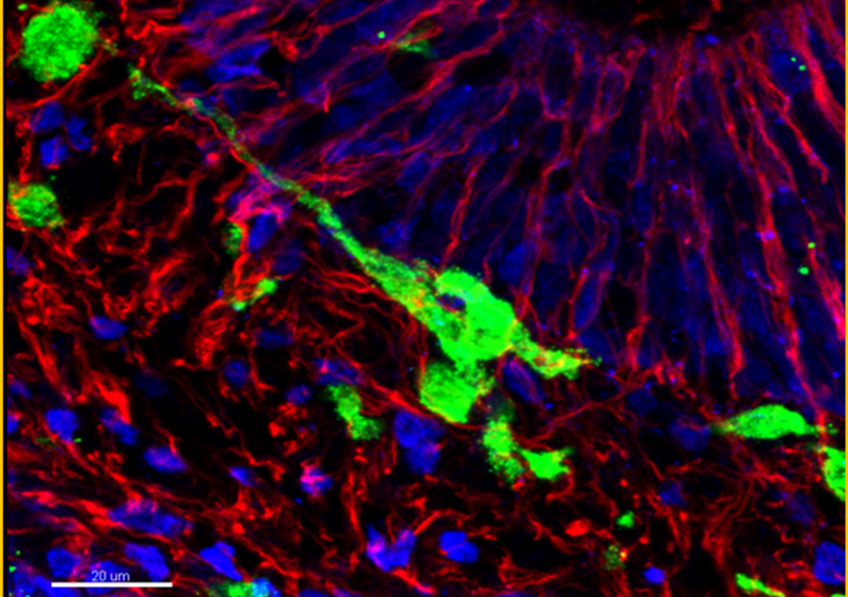
organoïde neuronal _ CP Gustave RousyNeural organoid with immune environment magnified twice on the left, 20 times on the right: green macrophages, red and blue neural progenitor cells (fluorescence microscopy). © Gustave Roussy

French, Singaporean and British researchers, led by Prof. Florent Ginhoux, head of a research team at Gustave Roussy/Inserm, have succeeded in demonstrating in a neuronal organoid the role of the brain’s immune environment in its formation and development. The development of these three-dimensional structures integrating neuronal cells and the immune environment is, to date, one of the most complete in vitro models of the human brain. This work is published in Nature.

At Gustave Roussy, these organoids are used to model the development of childhood brain cancers, to understand their mechanisms and discover new avenues of treatment.

“Although microglial cells, immune cells derived from the evolution (differentiation) of primitive macrophages present in the embryonic brain, are known to contribute to multiple aspects of brain development and function, their precise role remains poorly understood and little studied”, says Prof. Florent Ginhoux, director of a research team at Gustave Roussy/Inserm and Senior Principal Investigatorat A*STAR’s Singapore Immunology Network (SIgN).

The use of neuronal organoids to study their functions is one of the avenues currently favored by research.

An organoid is a 3D structure grown in the laboratory which reproduces certain morphological and functional characteristics of a human body organ or tissue. In research, these cell-cultured pseudo-organisms are a new biological model in full development in various fields, notably neurology; most studies of neuron formation (neurogenesis) are based on animal models.

With their 3D structure, the function and properties of these organoids are close to those of a real organ, but not quite as advanced. They measure just one millimeter and have no thoughts, consciousness or emotions. By generating neural organoids from human induced pluripotent stem cells (iPS cells), it is possible to model some of the key features of early human brain development. “However, current approaches do not include microglial cells, explains Prof. Florent Ginhoux.

The international team of researchers led by Prof. Florent Ginhoux has succeeded in producing a new type of model: neuronal organoids with microglia, by cultivating together organoids and primitive-type macrophages, all generated from the same culture of iPS induced stem cells.

Organoids and primitive macrophages are prepared separately. It takes around 25 days to obtain them. The macrophages are then placed in contact with the organoids for a further 15 to 20 days.

In the model developed by the researchers, macrophages colonized the organoids. In this 3D environment, in contact with immature neuronal cells, they differentiated into microglial cells expressing the genes and functions specific to this cell type. These microglial cells proved capable of controlling the differentiation of neuronal precursors (so-called neuronal progenitor cells), thus limiting their multiplication (proliferation), while promoting synapse creation (synaptogenesis) and axon growth (axonogenesis), two key elements in the transmission of the nerve message from neuron to neuron.

A discovery within a discovery

Prof. Florent Ginhoux’s team also observed that the organoids’ microglial cells contain high levels of perilipin-2, a molecule belonging to a family of proteins that coat lipids – including cholesterol – in droplets, enabling them to be stored in and exported from the cells. Armed with these perilipin-2-laden droplets, microglial cells facilitate cholesterol transport to the organoids. The neural progenitor cells that absorb this cholesterol undergo metabolic reprogramming as they differentiate into nerve cells.

The approach developed by Prof. Florent Ginhoux and his colleagues has significantly advanced the complexification of organoid models by integrating microglial cells. This progress is illustrated by the discovery of a key lipid-mediated pathway between microglia and neural progenitor cells, essential for the synthesis of new neurons.

With microglia cells incorporated, the neural organoids we have succeeded in generating are a new, more complete 3D model, closer to reality. We know that the immune system plays a fundamental role in the development of cancers, so at Gustave Roussy we’re going to use them to better understand and discover the mechanisms that regulate the development of pediatric brain tumors“, concludes Prof. Florent Ginhoux.

This work has been supported by the Gustave Roussy Foundation’s “Curing childhood cancer in the 21st century” campaign.

Major Breakthrough in the Treatment of Parkinson’s Disease: A Neuroprosthesis Restores Fluid Walking

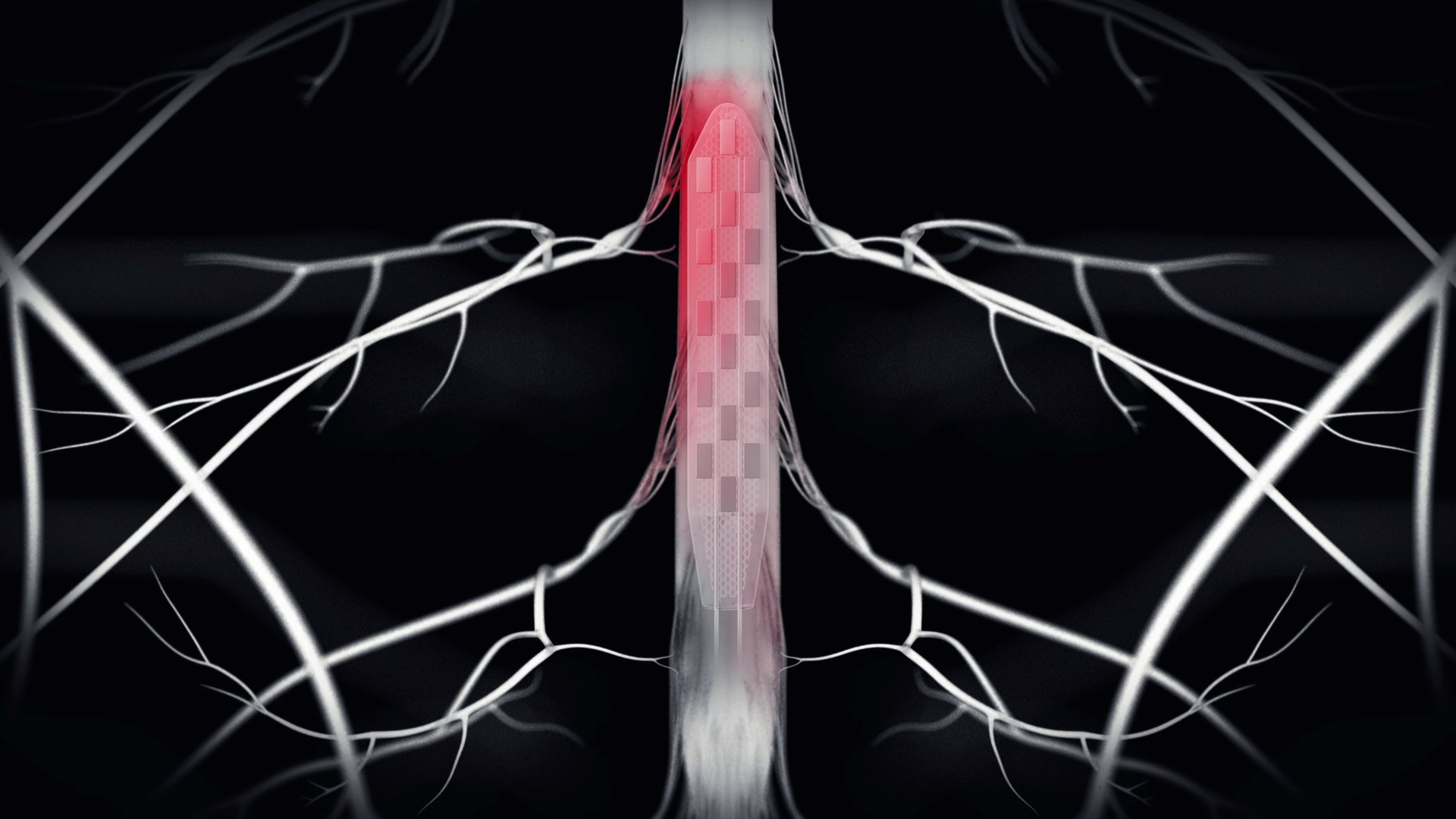
neuroprothèseUnlike conventional Parkinson’s treatments, this neuroprosthesis targets the spinal cord region responsible for activating the leg muscles. © CHUV

Neuroscientists from Inserm, CNRS and Université de Bordeaux in France, along with Swiss researchers and neurosurgeons (EPFL/CHUV/UNIL), have designed and tested a “neuroprosthesis” to correct the gait disorders associated with Parkinson’s disease. In a study published in Nature Medicine, the scientists describe the development process of the device they used to treat a Parkinson’s disease patient for the first time, enabling him to walk fluidly, confidently, and without falling.

Disabling gait disorders occur in around 90% of people with advanced Parkinson’s disease and are often resistant to the treatments currently available. Developing new strategies that enable patients to walk fluidly again, avoiding the risk of falls, is therefore a priority for the research teams that have been studying this disease for many years.

This is the case of Erwan Bézard, a neuroscientist at Inserm, and his team at the Institute of Neurodegenerative Diseases (CNRS/Université de Bordeaux), who are working to understand the pathogenic mechanisms behind Parkinson’s and to develop strategies to restore motricity in various diseases. For several years, he has been working with a Swiss team led by neuroscientist Prof. Grégoire Courtine and neurosurgeon Prof. Jocelyne Bloch, who specialize in the development of spinal cord neuromodulation strategies.

In 2016, the Franco-Swiss team had already published research in Nature showing the effectiveness of a brain-spine interface – known as a “neuroprosthesis” – to restore the function of a limb paralyzed following a spinal cord injury. Its promising results had encouraged the scientists to pursue their efforts, suggesting beneficial effects in Parkinson’s disease with a similar device.


Avoiding Falls and Freezing

In this new study, the team developed a similar neuroprosthesis to compensate for falls and the phenomenon of freezing – when the feet remain glued to the ground during walking – that is sometimes associated with Parkinson’s disease.

Unlike conventional treatments for Parkinson’s, which target the brain regions directly affected by the loss of dopamine-producing neurons, this neuroprosthesis targets the spinal cord region responsible for activating the leg muscles during walking, which is not believed to be directly affected by the disease. However, the spinal cord is under the voluntary control of the motor cortex, whose activity is modified by the loss of dopaminergic neurons.

Drawing on their complementary expertise, the French and Swiss teams were able to develop and test the neuroprosthesis in a non-human primate model reproducing the locomotor deficits caused by Parkinson’s disease. The system not only reduced the locomotor deficits, but also restored walking capacity in this model by reducing freezing.

“The idea of developing a neuroprosthesis that electrically stimulates the spinal cord to harmonize gait and correct the locomotor disorders of Parkinson’s patients is the result of several years of research on the treatment of paralysis caused by spinal cord lesions”, explains Erwan Bézard, Inserm research director at the Institute of Neurodegenerative Diseases (Université de Bordeaux/CNRS).

“Previous attempts to stimulate the spinal cord have failed because they provide blanket stimulation of the locomotor centers without taking physiology into account. In our case, the stimulation overlays the natural functioning of the spinal cord neurons to target, with spatiotemporal coordination, the different muscle groups responsible for walking,” add Courtine and Bloch, co-directors of NeuroRestore, the research center based in French-speaking Switzerland.

These promising results paved the way for clinical development, to test the device in a patient.


Improvement Thanks to the Neuroprosthesis

A first patient, aged 62, who has been living with the disease for three decades, underwent surgery two years ago at Vaud University Hospital (CHUV) in Lausanne. During a precision neurosurgical procedure, Marc, originally from Bordeaux, was fitted with this new neuroprosthesis, consisting of a field of electrodes placed against the region of his spinal cord that controls gait, and an electrical-impulse generator implanted under the skin of his abdomen.

Thanks to the targeted programming of spinal-cord stimulations that adapt to his movements in real time, Marc has quickly seen his gait problems improve. After a few weeks of rehabilitation with the device, his walking has almost returned to normal.

This neuroprosthesis therefore opens up new prospects for treating the gait disorders suffered by many people with Parkinson’s disease. However, at this stage, this therapeutic concept has only demonstrated its efficacy in one person, with an implant that still has to be optimized for large-scale deployment.

The scientists are therefore working to develop a commercial version of the device[1] that incorporates all the essential features for optimal daily use. Clinical trials on more patients are also due to start early next year[2].

“Our ambition is to enable widespread access to this innovative technology in order to significantly improve the quality of life of patients with Parkinson’s disease, throughout the world”, conclude the researchers.


[1] In partnership with ONWARD Medical, a company based in Switzerland that will develop these implants.

[2] Thanks to a one-million-dollar donation from the Michael J. Fox Foundation for Parkinson’s research, NeuroRestore will embark on clinical trials on six new patients early next year. These trials aim not only to validate the technology developed in collaboration with ONWARD, but also to identify the patient profiles most likely to benefit from this innovative therapy. Founded by actor Michael J. Fox (Back to the Future), who himself has Parkinson’s disease, this foundation is the leading private donor in the field of Parkinson’s disease research.

In Primates, the Appendix Is Found to Have a Protective Effect Against Infectious Diarrhea

singe géladaThe gelada (Theropithecus gelada) is one of the primate species without an appendix referenced in this research. ©Vallée des singes

Although the cecal appendix is no longer considered a vestige of evolution with no particular role, its exact function remains to be discovered and several hypotheses are currently being explored. A research team from Inserm, CNRS, the French National Museum of Natural History (MNHN), Université de Rennes, Sorbonne Université and the Eugène Marquis Center looked at how the presence of an appendix affects the onset and severity of infectious diarrhea in primates, an animal order that is particularly affected by these diseases. Its research shows that the primate species with an appendix are less affected by infectious diarrhea and that it is less severe than in those without an appendix. They are also better protected against these infections during the first part of their lives, a period that is more vulnerable to severe diarrhea and crucial for reproduction. These findings, published in Scientific Reports provide new evidence supporting the advantageous role of the appendix in evolution.

The cecal appendix (more commonly referred to as the “appendix”) is a small blind-ended tube located in the lower part of the cecum, the first part of the large intestine. It is found in some mammals and particularly in some primate species, including humans. While it has long been considered an unnecessary vestige of evolution, research over the past decade has challenged this paradigm with scientists now tending to view it as a potential evolutionary advantage, although its function remains poorly understood.

One hypothesis concerning the role of the appendix is based on its composition of microorganisms. Different from that of the rest of the gut microbiota, it could constitute a reservoir of healthy flora safeguarded from the fecal flow, likely to recolonize the gut after a gut infection and enable faster remission. And it just so happens that primates are an animal order particularly affected by infectious diarrhea. In humans, mortality related to these infections was identified in 2015 as being the second leading cause of mortality in children between 1 month and 5 years of age. More specifically, in patients who have had their appendix removed (appendectomy), there has been an increased risk of the occurrence and/or severity of certain forms of infectious diarrhea, although no direct link has been demonstrated at this time.

A research team led by Éric Ogier-Denis, Inserm research director at the Oncogenesis Stress Signaling unit Inserm/Université de Rennes/Eugène Marquis Center), and Michel Laurin, CNRS research director at the Center for Research on Paleontology – Paris (CNRS/MNHN/Sorbonne Université), had shown in previous research that the mammalian species with an appendix had longer longevity than those without one[1]. As a continuation of this research, the team looked at how the presence of a cecal appendix could affect the frequency and severity of diarrhea in primates and thus be a determining factor in the life span of each species.

To do this, the researchers examined the veterinary records of 1 251 primates of 45 different species – 13 with an appendix, 32 without – living in semi-liberty in “La Vallée des Singes” zoological park in Romagne, France. They listed the frequency and severity of the diarrhea episodes that occurred between 1998 and 2018 in these animals.

gorille (Gorilla gorilla gorilla)The gorilla (Gorilla gorilla gorilla) is one of the species of primates with an appendix referenced in this research. ©Vallée des singes

Half of the primates had experienced at least one episode of diarrhea during the 20-year follow-up period, with 13% of the episodes qualifying as “severe”.

In the primates with an appendix, the frequency of diarrhea episodes was very much lower (by around 85%) than in those without one. The cases of severe diarrhea were also much less frequent, particularly during the first quarter of life when the risk is highest (but then gradually decreases throughout life).

In addition, in the species with an appendix, the median age of onset of diarrhea, whether severe or not, was significantly higher.

These findings support the hypothesis of a protective role of the cecal appendix against infectious diarrhea in primates, comments Jérémie Bardin, co-first author of the study. The observation of a particularly high protective effect in the first part of life, the period most vulnerable to severe diarrhea, but also the most optimal in terms of reproductive capacity, argues in favor of a selective advantage role in evolution”, adds Ogier-Denis.

The research should therefore be continued in order to gain deeper insights into the cecal appendix and a better understanding of the role of its specific flora. One of the next steps could be to compare the composition of the appendix microbiota between primate species in order to highlight possible similarities.

Finally, the last interesting observation in this study was that none of the primates with an appendix had been diagnosed with acute appendicitis over the 20-year period.

Although this is more common in humans than in other primate species, if the protection associated with the presence of the appendix in humans is of the same level as that observed in primates, it would very much counterbalance the risk related to fatal appendicitis“, concludes Maxime Collard, co-first author of the study.

[1]See our August 3, 2021 press release: https://presse.inserm.fr/en/the-appendix-is-not-an-unnecessary-organ-but-is-in-fact-correlated-with-a-longer-lifespan/60347/

Diaper Packaging Conveys Pictures Inconsistent With Recommendations for Preventing Sudden Infant Death Syndrome

Image conforme aux recommandations de couchage des nourrissons Sleeping in prone position was identified as the major risk factor for sudden infant death syndrome (SIDS) in the early 1990s.  Royalty-free image – Association Naître et Vivre and ANCReMIN

In several European countries where the incidence rates of sudden infant death syndrome (SIDS) are high, a high frequency of unsafe parental sleep practices has also been observed. In addition, it is known that pictures conveying implicit or explicit health messages can lead to the modification of health practices. Researchers from Inserm, Université Paris Cité and HEC Paris, in collaboration with the Greater Paris University Hospitals (AP-HP), Nantes University Hospital and other European research structures, studied images shown on baby diaper packaging in 11 European countries, including France. The team showed that a very high proportion of pictures were inconsistent with safe infant sleep recommendations – with many images depicting babies sleeping on their stomach (prone position) or on their side, on loose bedding or surrounded by objects, or sharing a sleep surface with another person. These findings highlight the discrepancy between the pictures used on diaper packaging and safe infant sleep recommendations. They should encourage manufacturers and the legislator to take steps to ensure that these products – and more generally all commercial and official photographs – are consistent with the recommendations for the prevention of SIDS. The study has been published in The Journal of Pediatrics.

Sudden infant death syndrome (SIDS) is the unexpected death of a baby under the age of one year old[1], which remains unexplained after a full investigation, including a review of the medical history, investigation of the scene of death, and an autopsy. Putting a baby to sleep in the prone position was identified as the major risk factor for SIDS in the early 1990s. Other risk factors related to the sleep environment were then identified, particularly loose bedding or soft objects (pillows, pillow-like toys, stuffed toys, quilts, comforters, sheepskins, blankets, non-fitted sheet, or bumper pads) and sharing the sleep surface with another person (parent, brother, sister, etc.).

This epidemiological work led to the development and dissemination of international safe infant sleep recommendations. The implementation of these recommendations from the 1990s has helped reduce the incidence of SIDS in France by 80%, which currently stands at between 250 and 350 deaths per year. However, in several European countries, including France, the incidence rates of SIDS are no longer decreasing (or only very slowly), and a high frequency of unsafe parenting practices has been noted.

According to the scientific literature, we know that images can convey implicit or explicit health messages, which has been effective in modifying many health practices (alcohol consumption during pregnancy, breast-feeding, etc.). We also know that while advertising images have historically been important tools for persuasion, they have also always been a source of information for consumers.

Studies have analyzed pictures of sleeping babies in parenting magazines, newspapers, brochures, commercial photo bank websites and on Instagram® and have reported alarming rates of inconsistency with safe infant sleep recommendations ranging from 35% to 93% depending on the medium.

In this context, researchers from Inserm, Université Paris Cité, HEC Paris, Greater Paris University Hospitals (AP-HP), Nantes University Hospital in collaboration with other European research structures, decided to study pictures on diaper packaging in Europe – a product which young parents frequently use.

The scientists systematically searched the internet for the packaging of diapers sold in 11 European countries for babies weighing less than 5 kg, as they are the most at risk of SIDS.

For each packaging identified, they extracted the following data: was there a picture depicting a baby, was the baby sleeping and, if so, was the baby sleeping in accordance with 3 of the 7[1] recommendations for the prevention of SIDS that can be easily evaluated on the images? Statistical analyses (known as “meta-analyses”) were then carried out using the data obtained in each country to evaluate whether there was any inconsistency with sleeping recommendations.

The research team identified 631 diaper packaging for babies weighing less than 5 kg. On 49 % of them, there was a picture with a sleeping baby. The analyses indicated that 79% of packages depicting a sleeping baby, i.e. 34% of all of the packages, were inconsistent with at least one recommendation for the prevention of SIDS.

For example, a baby was depicted in prone position or on the side on 45% of these packs, with soft objects or loose bedding (pillows, pillow-like toys, stuffed toys, quilts, comforters, sheepskins, blankets, non-fitted sheet, or bumper pads) on 51% of them, or sharing the sleep surface with another person on 10% of them.

Examples of diaper packaging for babies in France and Europe with an image that is inconsistent with the recommendations for the prevention of SIDS: baby not sleeping on their back (A, C); baby sleeping with loose bedding or a soft object (pillow, blanket, toy) (A, B, C, D); baby sharing the sleep surface with another person (D)


The researchers also conducted a search, this time non-systematic, on the websites of health agencies or scientific societies and once again found images inconsistent with the prevention of SIDS.

“Our findings highlight a discrepancy between the messages conveyed on these everyday products or on institutional sites, to which many parents are highly exposed, and the recommendations for the prevention of SIDS. These findings suggest the need for action with manufacturers and legislators addressing this issue. We need to reduce exposure to commercial or official images that are inconsistent with the recommendations for the prevention of SIDS in order to prevent unsafe sleep practices. In doing so, manufacturers and legislators would fully contribute to accurate health information,” concludes Martin Chalumeau, last author of the study, epidemiologist at Inserm, professor at Université Paris Cité and pediatrician at AP-HP.

[1] S de Visme et al., J Pediatr 2020 Nov; 226:179-185.e4. doi : 10.1016/j.jpeds.2020.06.052

[2] The 7 recommendations of the American Academy of Pediatrics: (1) back to sleep for every sleep, (2) on a firm sleep surface in (3) a safety crib (crib, bassinet, portable crib, play yard), (4) in the parents’ room, (5) without any soft objects or loose bedding on, under, beside (pillows, pillow-like toys, stuffed toys, quilts, comforters, sheepskins, blankets, non-fitted sheet, or bumper pads), (6) without sharing the sleep surface with another person, and (7) offering a pacifier.

fermer