
Menu

Child Malnutrition: New Strategy Treats More Children at Lower Cost

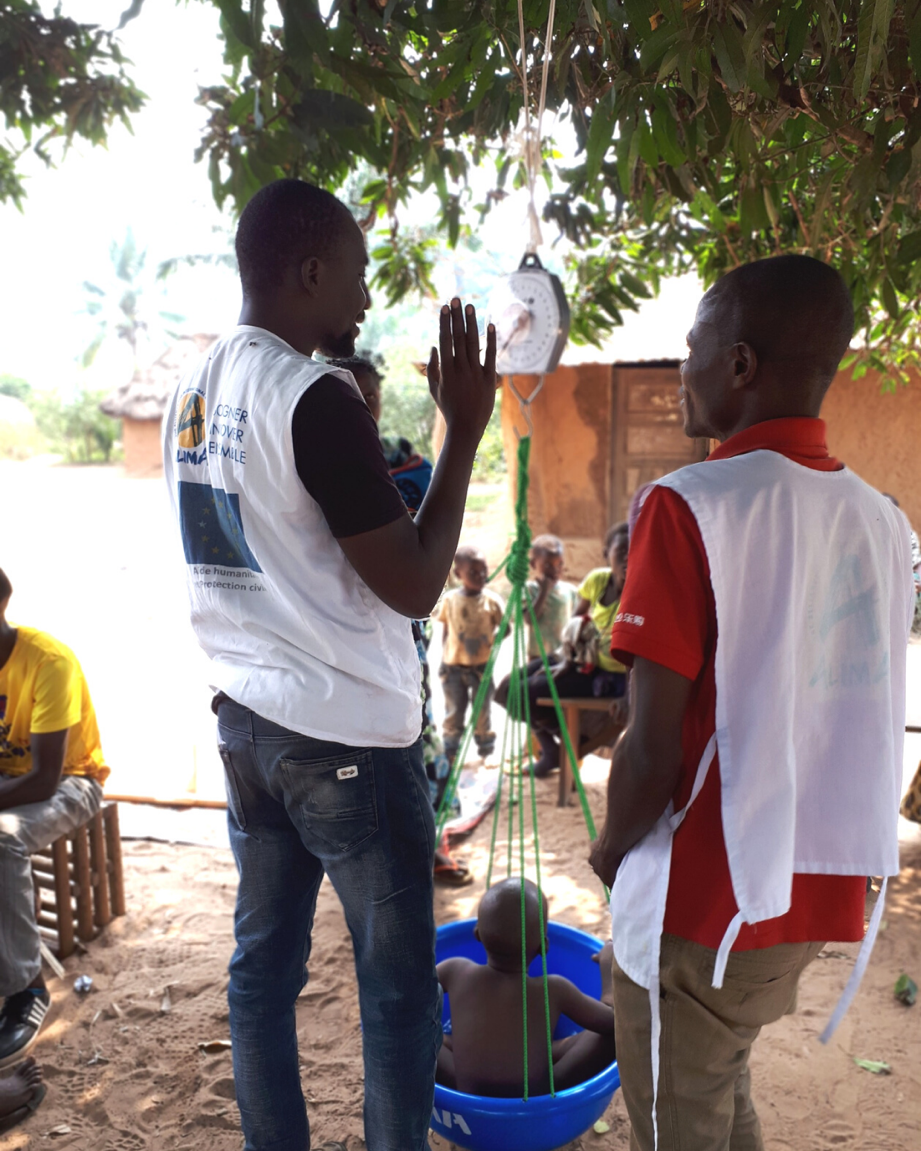
Weighing of a child being screened in the community for acute malnutrition as part of the OptiMA-DRC clinical trial, Kasaï Province, Democratic Republic of the Congo. © ALIMA

Malnutrition affects millions of children worldwide, and has been made worse by the COVID-19 health crisis. In a new study, researchers from Inserm and Université de Bordeaux at the Bordeaux Population Health Research Center, in collaboration with the Research Institute for Sustainable Development (IRD) and the NGO ALIMA (The Alliance for International Medical Action), have developed and tested a new strategy to simplify and optimize the treatment of malnutrition in order to help a larger number of children. Called OptiMA, a randomized, clinical trial conducted in the Democratic Republic of the Congo has shown this strategy to treat 30% more children while using 20% less nutritional products than in standard programs. These findings were published on March 16, 2022 in The Lancet Global Health.

In 2019, malnutrition affected 47 million children under 5 years of age. Although all of the world’s regions were affected, a quarter of the children were in Africa. After two years of the COVID-19 pandemic and its attendant health system disruptions and increased food insecurity in many countries, the situation is far from improving.

At present, acutely malnourished children are treated differently depending on whether they have “severe acute malnutrition” or “moderate acute malnutrition” (see box). The management is not the same and includes the use of different nutritional products.

In severe acute malnutrition, “ready-to-use therapeutic food” is used. The amount given is calculated according to weight, with the dose increasing as the child gets closer to their normal weight, despite it appearing more logical to decrease the dose as the child recovers.

Children with moderate acute malnutrition receive a different product with a similar composition, known as “ready-to-use supplementary food”. Both types of product are brought into the countries concerned through different supply channels overseen by different United Nations agencies, thereby complicating the care of children on the ground. What is more, these nutritional products, along with the attendant human resources, account for the highest proportion of the costs of the programs aimed at fighting acute malnutrition.

At a time when these programs face a significant lack of funding, simplifying and standardizing the treatment of all types of malnutrition is a priority in order to increase efficacy, reduce costs, and ultimately help more children. At present, only 25% of the children estimated to be severely malnourished are receiving treatment.

Working hand in hand

Researchers from Inserm, Université de Bordeaux and the Research Institute for Sustainable Development (IRD), and humanitarians from the NGO ALIMA have pooled their expertise to develop and propose an evaluation methodology and implement a clinical trial to evaluate a new strategy called “OptiMA”, in which children suffering from acute malnutrition, regardless of the stage of the disease, receive one type of nutritional treatment – namely ready-to-use therapeutic food – at a dose that progressively decreases as the child improves.

By proposing the use of one type of product for all forms of acute malnutrition, and by optimizing the dose, the scientists hoped to be able to treat children more simply and in greater numbers, while preventing the development of the severest forms of malnutrition.

Their study, conducted in the Democratic Republic of the Congo, included nearly 1,000 malnourished children between 6 months and 5 years of age, recruited from four health zones in the Kasaï Province, composed of some 60 villages and four health centers. The study design envisaged for each child to be followed for six months to monitor their clinical outcome after the end of treatment and to assess the risk of relapse.

This involved twice-monthly visits to the homes of hundreds of children, made possible thanks to the know-how of ALIMA, both from the logistic and operational point of view and for the work in gaining acceptance of this research project and new strategy by the community concerned. The combined expertise of the researchers and the humanitarians ensured that almost no children were lost to follow-up, meaning that the scientific evaluation of the OptiMA strategy had as little bias as possible.

A superior and less costly strategy

The researchers were able to show that the OptiMA strategy was not only no less effective than that of conventional programs, but that it was actually more effective. The treatment of acute malnutrition based on a single program and using a single therapeutic product with progressively reduced doses led to improved child nutritional status and fewer relapses over a six-month period. More particularly, it led to a more rapid improvement in the health of the most moderately affected children. These children were also less likely to relapse during the follow-up period or develop more severe stages of malnutrition.

In addition, using only one nutritional product at optimized doses reduced the cost per child. The scientists show that in comparison with the programs usually implemented, OptiMA makes it possible to treat 30% more children while using 20% less nutritional products.

“Our strategy allows us to treat malnutrition at an earlier stage, by decompartmentalizing the treatment of moderate and severe malnutrition. In the current context, after two years of the COVID-19 pandemic, we are facing a growing number of malnourished children and complex situations in African health centers. The proposal to simplify and optimize the treatment of child malnutrition is appropriate to the changing context in which we live,” emphasizes Renaud Becquet, Inserm researcher and joint leader of the Global Health in the Global South team at the Bordeaux Population Health Research Center (Inserm/Université de Bordeaux).

The same teams are now testing the strategy in another clinical trial, this time in Niger. They are comparing it with the national protocol and another simplified strategy to see if its benefits can be replicated in other settings and other populations.

What is acute malnutrition in children under 5 years of age?

Malnutrition is characterized by an imbalance between nutrient intake and the needs of the body. When this intake is insufficient, the body becomes weaker and loses weight.

Acute malnutrition mainly affects children under 5 years of age. It is characterized by sudden, severe weight loss due to insufficient calories and nutrients, following an infectious disease such as diarrhea, respiratory infections, malaria and/or lack of access to a varied diet in sufficient quantity.

Various criteria are used to diagnose acute malnutrition: calculation of the weight-for-height Z score (WHZ score), measurement of the mid-upper-arm circumference (MUAC), or the presence of edema. For example, moderate acute malnutrition is defined as a child with an MUAC between 115 and 125 mm, and severe acute malnutrition as a child with an MUAC of less than 115 mm.

The new OptiMA strategy suggests using only MUAC to screen for acute malnutrition because it is simple to measure. Requiring few resources, mothers can be quickly trained in its use and thereby detect malnutrition in their children at an early stage.

MICA: A New Immune Response Gene That Predicts Kidney Transplant Failure

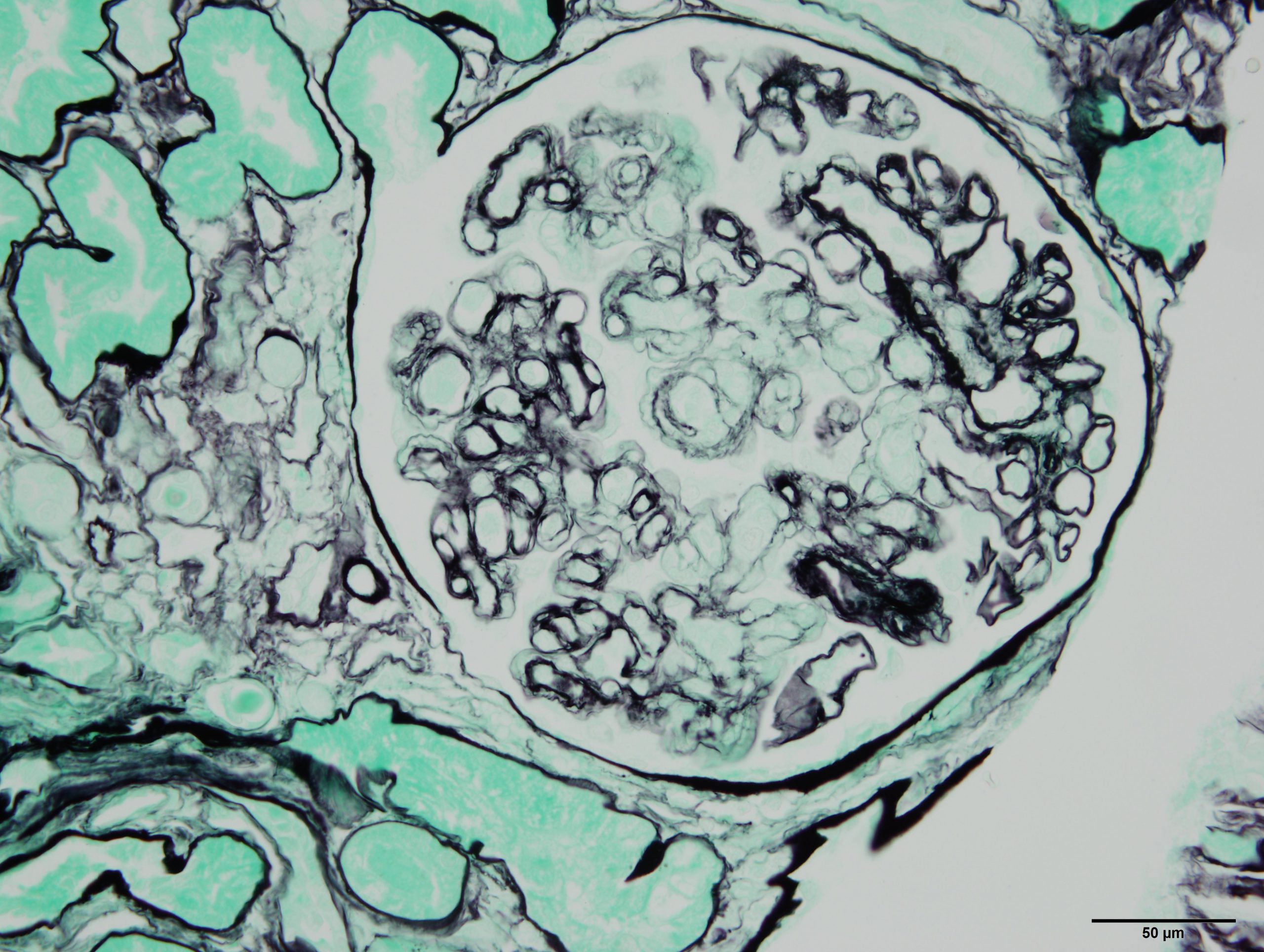
Histological image of a kidney transplant rejection mediated by antibodies. Sophie Caillard/Jérome Olagne (Inserm U1109).

Although a kidney transplant is the only curative treatment for end-stage kidney disease, the risk of the patient’s body rejecting the graft means that success is not guaranteed. To reduce this risk, physicians are now able to look at a certain number of genetic and immunological parameters in order to evaluate the histocompatibility between donor and recipient – i.e. how compatible their organs and tissues are. Nevertheless, rejections continue to remain common, and many are unexplained. In a new study, researchers from Inserm, Université de Strasbourg and Strasbourg University Hospitals at Unit 1109 “Molecular Immunology and Rheumatology”, and their partners from the Laboratory of Excellence (LabEx) Transplantex, report that the MICA gene is a new histocompatibility gene, in that it helps to better explain and predict the success or failure of a kidney transplant. Their findings have been published in Nature Medicine.

Kidney transplant is currently the best way to treat patients with end-stage kidney disease. In France, an average of around 4,000 kidney transplants are performed each year (around 20,000 in the US). The kidneys mainly come from deceased donors, although the number of kidneys from living donors has been gradually increasing each year over the last two decades.

The possibility of rejection of the graft considered “foreign” by the recipient’s body is currently the main limitation of this procedure. While the use of immunosuppressant drugs[1] helps to reduce the risk, it does not eliminate it completely. “Chronic” rejection, which occurs over the years following the transplant, remains a major problem.

The discovery of the HLA system in the mid-20th century by French researcher Jean Dausset and his colleagues has enabled major advances. It is a set of proteins coded by the HLA genes – proteins which are present on the surface of our cells, particularly white blood cells.

Highly diverse and specific to each individual, this system makes it possible to assess the histocompatibility between donors and recipients – i.e. how compatible their organs and tissues are. The closer the HLA genes between donors and recipients, the lower the risk of rejection.

However, even when donor and recipient HLA genes are compatible, unexplained transplant rejections still occur. This phenomenon suggests that other as yet unidentified histocompatibility genes may play a role.

A role for the MICA gene

Researchers from Inserm, Université de Strasbourg and Strasbourg University Hospitals and their partners from LabEx Transplantex were therefore interested in a gene discovered almost thirty years ago by Seiamak Bahram[2] who coordinated this new research.

This gene, called MICA, codes for a protein expressed on several cell types. Previous studies had already suggested that this gene was important in predicting the outcome of a transplant, but the numbers of patients studied were insufficient (among other methodological limitations) in asserting that it was a histocompatibility gene. Furthermore, these studies did not focus on the entire MICA system, that is to say on both genetics (histocompatibility) and the serological aspects (presence of anti-MICA antibodies in the recipient’s blood).

In this latest study, the team studied MICA in over 1,500 kidney transplant recipients and their donors. Analyses of the MICA gene sequences show that when recipients and donors have a different version of the gene, the survival of the graft is reduced.

Furthermore, the researchers show that these MICA gene incompatibilities are responsible for the synthesis of antibodies directed against the donor’s MICA proteins, which are involved in transplant rejection. These antibodies are produced when the donor’s MICA proteins differ excessively from those of the recipient.

These findings suggest that MICA is a relevant histocompatibility gene to consider when envisaging a transplant, and that testing for anti-MICA antibodies may also be useful in predicting the success or failure of the graft. They must now be validated in large-scale prospective studies in which MICA will be considered in the same way as classic HLA genes.

Following this research, we can now consider the inclusion in routine clinical practice of MICA gene sequencing and the identification of anti-MICA antibodies in patients prior to transplantation to assess histocompatibility with the donor and post-transplant to improve the prevention of rejection. Finally, we also envisage studying the role of MICA in the transplantation of other solid organs, such as the heart, lung and liver,” emphasizes Seiamak Bahram.


[1] Treatments that limit the action of the immune system used in autoimmune diseases and transplants.

[2] University Professor-Hospital Practitioner, Director of Inserm Unit 1109 and LabEx Transplantex, and Head of the Department of Clinical Immunology Laboratory at Strasbourg University Hospitals.

Exposure to Air Pollution Linked to Increased Risk of Poor Cognitive Performance

Air pollution is linked to thousands of deaths each year in France. © Unsplash

Forty percent of dementia cases could be avoided or delayed by acting on modifiable factors, one of which is air pollution1. In order to explore the subject in greater depth and obtain accurate data on this risk factor, researchers from Inserm, Université de Rennes 1 and the EHESP School of Public Health at Irset wished to identify the impact on cognitive performance of three pollutants linked to road traffic (fine particles of less than 2.5 microns in diameter, nitrogen dioxide and black carbon). They compared the results of cognitive tests performed by a large sample of people according to their level of exposure to these different pollutants. The results of the study suggest a link between exposure to higher levels of pollutants and lower levels of cognitive performance, a link which differs depending on the pollutants. These results have been published in The Lancet Planetary Health.

The adverse health effects of air pollutants, even at low levels of exposure, are well documented. Recent research has suggested that, in addition to increasing the risk of developing cardiovascular and lung disease, air pollution could accelerate cognitive decline, which is a warning sign of a neurodegenerative disease such as Alzheimer’s2 or other forms of dementia.

In recent years, air pollution has been recognized as a “modifiable” risk factor for dementia, in that it is possible to take action by changing the regulations governing tolerated levels of pollution. However, until now, there had been no studies that simultaneously investigated different types of pollutants and their respective potential effects on the various areas of cognition.

Researchers from Inserm, Université de Rennes 1 and the EHESP School of Public Health at Irset studied how the level of exposure to air pollutants affects cognitive performance. With a previous study having revealed that cognitive performance could decline as early as 45 years of age3, the research team used data from over 61,000 participants in the Constances epidemiological cohort aged 45 years and older.

All participated in a series of tests measuring their cognitive performance in three major areas of cognition: memory, fluidity of verbal expression (or verbal fluency) and the capacity to make decisions (or executive functions4). The researchers established a cognitive performance score for each test, taking into account the sex, age and education of each participant.

To measure each participant’s exposure to pollution, the research team used so-called “exposure” maps that estimate the concentration of pollutants at their place of residence. These maps take into account several variables, such as road traffic density and proximity of the place of residence to roads. Three pollutants related to road traffic were considered in the study: fine particles of less than 2.5 microns diameter (PM2.5), nitrogen dioxide (NO2) and black carbon.

By comparing the results of the cognitive tests with the level of exposure to the three air pollutants, the study shows that exposure to higher levels of these pollutants is significantly linked to a lower level of performance in the three cognitive domains studied.

For the participants most exposed, the researchers found a difference ranging from 1 to almost 5% in the cognitive performance score compared to the less exposed participants.

“The most capabilities most affected are verbal fluency and executive functions,” specifies Bénédicte Jacquemin, Inserm researcher who led this study. Nitrogen dioxide and PM2.5 particles have a greater impact on verbal fluency, whereas black carbon has a greater impact on executive functions. “

She concludes: “The next step in our research is to look at how the cognitive functions of these adults change over time, in order to see whether exposure to pollution is also linked to a decrease in cognitive function over time, which may reflect the early signs of dementia, be it Alzheimer’s disease or other forms of dementia in the elderly. “


1 Livingston G, Huntley J, Sommerlad A, et al. Dementia prevention, intervention, and care: 2020 report of the Lancet Commission. The Lancet 2020; 396: 413–46.

2 Livingston G, Huntley J, Sommerlad A, et al. Dementia prevention, intervention, and care: 2020 report of the Lancet Commission. The Lancet 2020

3 Singh-Manoux A, Kivimaki M, Glymour M M, Elbaz A, Berr C, Ebmeier K P et al. Timing of onset of cognitive

decline: results from Whitehall II prospective cohort study, BMJ 2012

4 Set of cognitive processes (reasoning, planning, problem-solving, etc.) that enable us to adapt to the context or to new situations.

Significant Increase in Infant Mortality in France

In France, for the first time in peacetime, the infant mortality rate has risen significantly in the last ten years. ©Adobe Stock

The infant mortality rate (IMR) is a key indicator of population health. In the absence of updated data on the statistical trends of this indicator in France, researchers from Inserm, Université de Paris, the Paris public hospitals group (AP-HP) and Nantes University Hospital, in collaboration with teams from the University of California, analyzed civil registry data from the French National Institute of Statistics and Economic Studies (INSEE) from 2001 to 2019. They identified a significant increase in the IMR since 2012, thereby setting France apart from other high-income countries. The findings, published in The Lancet Regional Health – Europe, reflect the importance of more in-depth research into the precise causes of these 1200 excess deaths observed each year in France before one year of age.

The United Nations have made one of its priority objectives the elimination of preventable deaths in children by 2030. Given that the vast majority of child deaths occur during the first year of life, the infant mortality rate (IMR)1 is used to track progress towards this goal.

IMR serves as a key indicator of population health, given its strong relationship with the socio-economic development and quality of preventive and curative care in the country. In some high-income countries, such as Finland and Sweden, the IMR has been continuously decreasing since World War II. In other countries, such as France, this decrease appears to be slowing down.

Scientists from Inserm, Université de Paris, the Paris public hospitals group (AP-HP), Nantes University Hospital and the University of California wanted to go further in the statistical analyses of the evolution of the French IMR, and more specifically over the 2001 to 2019 period.

During this study period, the deaths of 53,077 infants were recorded for 14,622,096 live births, giving an average IMR of 3.63/1,000 (4.00 for boys, 3.25 for girls). Around one quarter of the deaths (24.4%) occurred during the first day of life and half (47.8%) in the early neonatal period – the first week following birth.

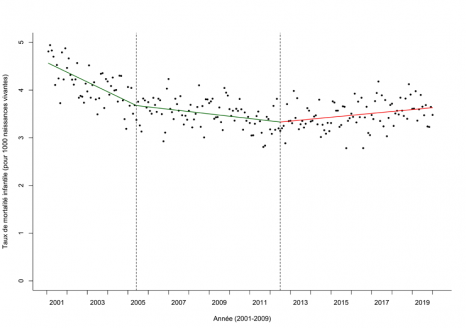
An in-depth statistical analysis identified two inflexion points, in 2005 and 2012 (see figure above). The IMR saw a sharp decrease from 2001 to 2005, and then a slower decrease from 2005 to 2012. From 2012, a significant 7% increase in the IMR was observed. This meant that infant mortality rose from 3.32 in 2012 to 3.56 deaths per 1,000 live births in 2019. Sensitivity analyses2 showed this trend to be unrelated to changes in registering practices or changes in medical practices for the management of newborns with serious conditions. Subgroup analyses showed this increase to be mainly due to an increased IMR in the early neonatal period.

Thanks to in-depth statistical analyses, we have identified a significant increase in the infant mortality rate in France since 2012. When comparing the data against other European countries with similar economies, such as Sweden and Finland, we observe that every year in France there is an excess of around 1,200 deaths of children under one year of age,” explains Prof. Martin Chalumeau, last author of the study. “It is essential to be able to explore in detail the causes of this increase by having, for example, systematic information on the specific medical and social circumstances of these deaths and by making this population, which is the most vulnerable, a real research and public health priority, which is not the case at present,” the researcher concludes.

1 Infant mortality rate (IMR) is defined as the number of deaths of children under one year of age (D0-D364) per 1,000 live births over a given period

2 Additional analyses to support the robustness of the main analyses

Persistence of severe hepatic fibrosis despite substantial weight loss with bariatric surgery

stéatose hépatique.

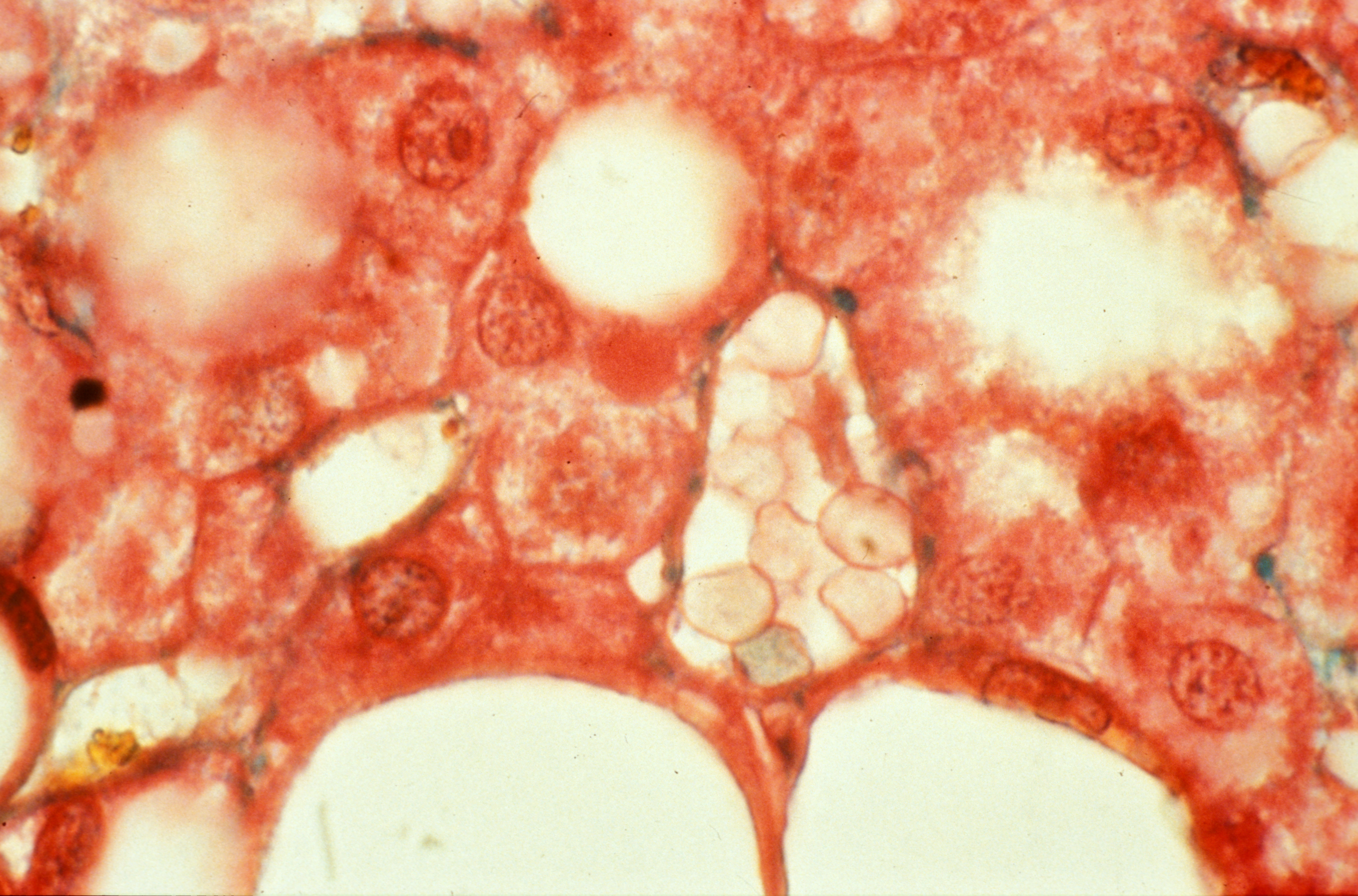
Detail of a steatosis, accumulation of a fat, triglyceride, in the liver cell. © Inserm/Hadchouel, Michelle

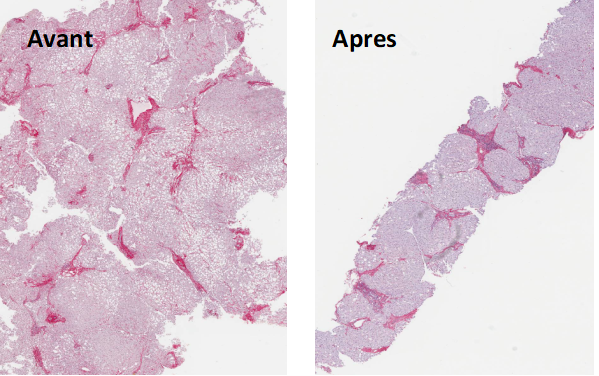
A research team from AP-HP, Inserm and Sorbonne University carried out work, within the IHU ICAN, on the effects of bariatric surgery on the severity of liver damage in patients with NASH (Non-Alcoholic Steatohepatitis or Metabolic Steatohepatitis) and severe fibrosis (bridge fibrosis or compensated cirrhosis). This study shows that in 50% of patients who underwent bariatric surgery, despite significant weight loss (20% to 30% of initial BMI) and improvement in metabolic risk factors (mainly type 2 diabetes), severe fibrosis persists in the medium term (5 years after surgery). The results of this work were published on January 25, 2022 in the journal Hepatology .

Obesity in France concerns 17% of the adult population and it increasingly affects children and adolescents. It has many consequences on the state of health of people who are affected, including the development of “fatty liver” (liver steatosis). Hepatic steatosis is defined by the accumulation of fat in liver cells favored by the presence of metabolic risk factors (particularly diabetes and obesity).

In France, liver steatosis affects 18% of the population and 25% of the general population worldwide. Eventually, this pathology, also called NASH, can lead to the appearance of more serious diseases such as cirrhosis or liver cancer. To date, there is no effective drug treatment for NASH, which makes research around other avenues of care for patients all the more important.

Previous work has shown dramatic improvement in NASH liver damage after bariatric surgery in parallel with weight loss. Nevertheless, efficacy data in patients with advanced forms of NASH remain limited.

The study, coordinated by Dr Raluca Pais (AP-HP, IHU ICAN), Dr Judith Aron-Wisnewsky (AP-HP, Inserm, Sorbonne University, IHU ICAN), Pr Vlad Ratziu (AP-HP, INSERM, Sorbonne University, IHU ICAN) and Pr Karine Clément (AP-HP, Inserm, Sorbonne University, NutriOmic Unit), analyzed the effects of bariatric surgery on the evolution of severe histological lesions of NASH. The patients, from the “BARICAN bariatric surgery” cohort coordinated by the nutrition department led by Pr Jean-Michel Oppert at the Pitié-Salpêtrière AP-HP hospital, had an initial liver biopsy at the time of surgery. bariatric and a follow-up biopsy.  

This study confirms the excellent results of bariatric surgery: overall, 29% of patients had normal histology at follow-up biopsy; 74% had NASH resolution without fibrosis progression; 70% had fibrosis regression.

However, in patients with severe fibrosis before surgery, severe fibrosis persisted in 47% of cases in the medium term after surgery, despite the resolution of NASH in 69% of cases.

Patients who do not respond to bariatric surgery have a lesser improvement in metabolic risk factors (less weight loss, remission of diabetes) even if clinically significant. The factors associated with the persistence of fibrosis after bariatric surgery, in addition to the follow-up interval, were age and type of surgery (less regression of fibrosis after the sleeve regardless of weight loss). The factors associated with the absence of liver lesions after bariatric surgery were greater weight loss, improved insulin resistance and less initial severity of necroinflammatory lesions.

In conclusion, Dr. Raluca Pais specifies that “ this study shows that, despite established efficacy for the regression of NASH, bariatric surgery is less effective for the regression of severe fibrosis. Fibrosis regression requires more time and probably additional mechanisms. Weight loss alone may not be enough to reverse severe fibrosis. »

New Brain Abnormalities Associated with Child Abuse

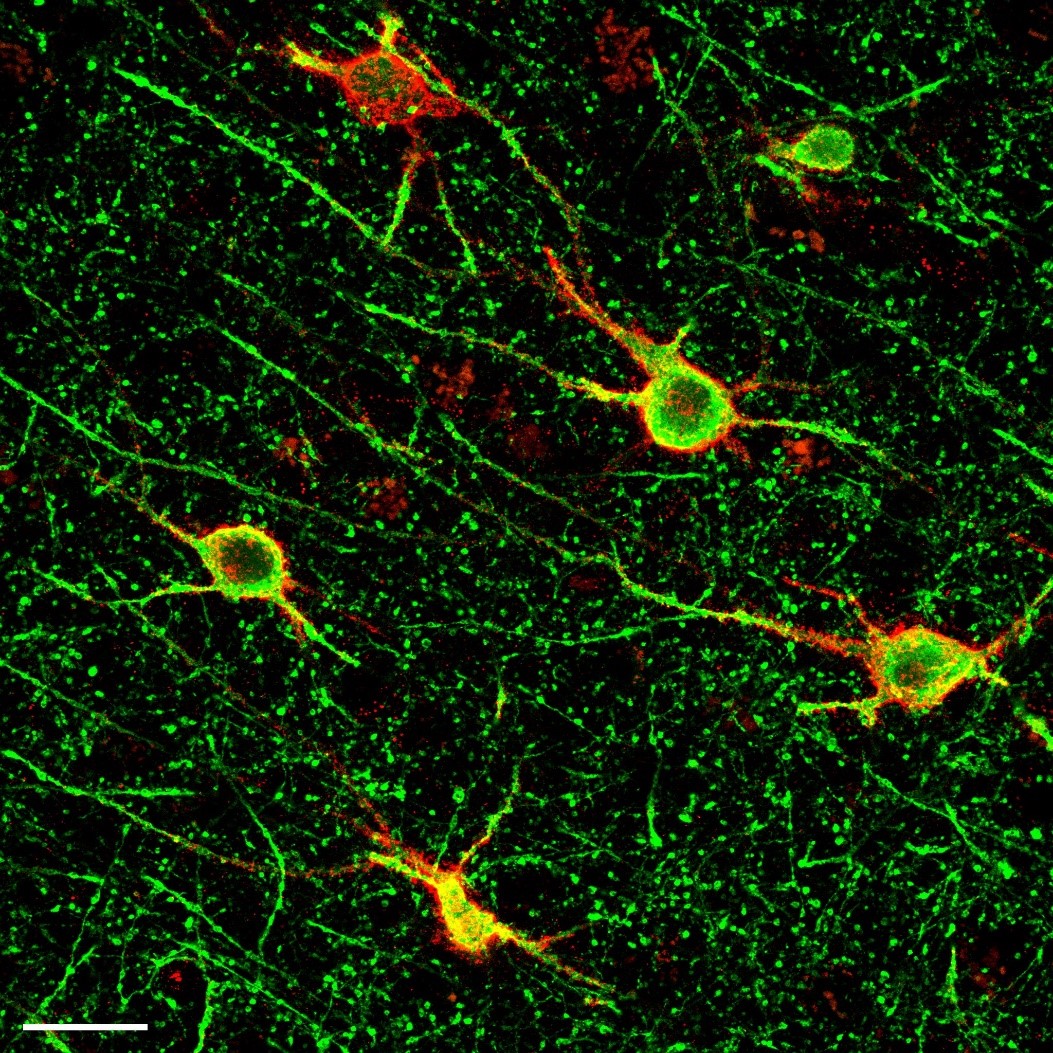
Immunolabeling of parvalbumin neurons (in green) surrounded by perineuronal nets (in red) in the human prefrontal cortex. © Arnaud Tanti/Inserm


In collaboration with a Canadian team, scientists from Inserm and Université de Tours, at Unit 1253 Imaging & Brain1, have shown in post-mortem brain samples that victims of child abuse present specific brain characteristics. The teams have revealed for the first time in humans an increase in the number and maturation of perineuronal nets, dense protein structures surrounding the neurons. In animals, this phenomenon regulates brain plasticity by inhibiting the remodeling of neural networks. This research suggests that abuse could cause lasting changes to the developmental trajectories of certain brain regions with potential effects on psychological health. The study has been published in Molecular Psychiatry.

Child abuse has effects on psychological development, including an increased risk of depression and suicide during the course of life. Sexual violence, physical violence or chronic neglect during childhood or adolescence are suspected to cause lasting structural and functional changes in the brain. It is during these periods that personality traits, attachment patterns, cognitive functions and emotional responses are shaped by our experiences, including traumatic ones.

To better understand the neurobiological changes associated with child abuse, researchers from Inserm and Université de Tours, in collaboration with McGill University – Douglas Mental Health University Institute in Montreal, Canada, investigated the ventromedial prefrontal cortex, a brain region that regulates emotional responses. They took a closer look at “perineuronal nets” – particularly compact and dense structures that encircle certain neurons, especially parvalbumin neurons, whose inhibitory action plays a role in controlling the activity of large groups of neurons.

Perineuronal nets emerge in early childhood and continue to develop until the end of adolescence, increasing in size and number. In animals, their development represents an important stage of brain maturation, with their emergence marking the closure of “critical periods” of plasticity during which the development of the neural circuitry can be easily modified by experiments.

The researchers estimate that these perineuronal nets could play a role in childhood trauma by immobilizing the neural networks associated with these memories, predisposing the individual to future depressive or behavioral disorders.

Denser perineuronal nets

To study these structures, the researchers analyzed post-mortem brain sections from adults (from brain donations with informed consent from the next of kin) who had committed suicide an episode of major depression. Of the 28 subjects concerned, 12 had a marked history of child abuse. These sections were also compared with those of control subjects having died of natural causes and with no history of abuse or psychiatric illness. The different types of analyses performed by the researchers led them to make several observations.

Firstly, in the subjects who were abused during childhood, the perineuronal nets were denser and more numerous than those of the other individuals. They also presented more marked maturation characteristics, including increased structural development around the parvalbumin neurons. Finally, the researchers showed that the cells producing the main proteins that make up the perineuronal nets are oligodendrocyte progenitors, cells which are found throughout the brain.

The researchers will now use mice to explore the consequences of these observations in more detail, particularly on the persistence of traumatic memories linked to early adversity.

These observations reinforce the hypothesis of a correlation between early stress and increased perineuronal net development. It remains to be discovered whether there is a causal link, that is to say whether these changes contribute to the development of behaviors associated with abuse, and how. Perhaps in the longer term we could consider a procedure targeting the perineuronal nets to help restore some plasticity and reduce the impact of trauma and the subsequent psychiatric risk,” explains Arnaud Tanti, Inserm researcher and first author of this study.


1 JRU 1253, iBrain, Inserm, Université de Tours

Cyclists and Pedestrians Inhale More Road Traffic Particles Than Motorized Transport Users

pollution transports

Users of different transport types breathe in over twice the dose of black carbon per 30-minute period when traveling compared with when not traveling (when at home or at work, for example). © Unsplash

The measurements of individual exposure to pollution, which are generally taken at the place of residence, overlook two major parameters: the much higher exposure occurring during travel and the variations in air volumes, and consequently the varying levels of air pollutants, which are inhaled according to the intensity of physical exertion involved by the journey. A team of scientists led by Inserm Research Director Basile Chaix at the Pierre Louis Institute of Epidemiology and Public Health (Inserm/Sorbonne Université) studied the impact of these parameters on exposure to black carbon, an air pollutant produced by road traffic. In research published in Environment International, the team compares different modes of transport and shows that although walking and cycling expose the user to much lower levels of black carbon than motorized transport (public or private), the increase in ventilation caused by the physical activity leads to greater quantities of this pollutant being inhaled.

Black carbon is considered one of the best markers of road traffic. It is notably generated by the incomplete combustion of fossil fuels and other molecules produced by road traffic. Previous studies have shown that exposure to black carbon can cause chronic respiratory disease, neurological damage, and cardiovascular disease.

In general, individual exposure to air pollutants is defined by the quantity of these pollutants in the air that is estimated or measured at the place of residence. However, this method overlooks the considerable variations in exposure related to travel and exertion. Yet it is these variations that are responsible for a large proportion of the daily exposure to air pollutants.

A certain number of epidemiological studies have suggested that users of motorized transport (private or public) are more exposed to air pollution than users of so-called “active” modes of transport, even if cyclists ride in close proximity to traffic. However, these studies do not take into account the role of minute ventilation (quantity of air moved into and out of the lungs in one minute), which is specific to each individual and varies very widely depending on the level of exertion, and which therefore has an effect on the dose of pollutants inhaled by each individual.

Doctoral student Sanjeev Bista and Inserm Research Director Basile Chaix, at the Pierre Louis Institute of Epidemiology and Public Health (Inserm/Sorbonne Université) sought to quantify the black carbon levels to which users of different types of transport are exposed and how much of it they breathe in during their daily trips. The data was collected in the Grand Paris region between 2018 and 2020 as part of the MobiliSense study funded by the European Research Council.

The research team followed 283 participants for 6 days each. During their trips (locations obtained by GPS) and between two trips (when they were at home or work, for example), a portable monitor strapped on each participant’s shoulder measured levels of airborne black carbon their breathing zone (close to the nose and mouth). The trips were segmented according to the different modes of transport used. In the end, around 7,500 segments were analyzed. By taking into account the minute ventilation of each person in each segment (estimated using an accelerometer that measures physical activity), the dose of black carbon inhaled by the participants during each trip could therefore be quantified.

The results of the analyses show that the participants breathe in over twice the dose of black carbon per 30-minute period when traveling compared with when they are not traveling (when they are at home or at work, for example).

Furthermore, the so-called “active” modes of transport are associated with average black carbon levels in the breathing zone that are lower than those observed with motorized transport (and with an even lower exposure for walking than for cycling). Compared with walking, this represents +2.20 μg black carbon per m3 of air on average in public transport with a maximum of +3.08 μg/m3 in the subway– i.e. almost twice as much as during active transport – and +2.29 μg/m3 in private motor vehicles.

However, the ranking of transport modes by exposure is largely reversed when considering the dose actually inhaled instead of the level measured in the breathing zone. Cycling is associated with the highest level of black carbon inhalation (+0.41 µg for 30 minutes of travel compared with walking), whereas other modes of public transport (except the subway, however) involve less black carbon inhalation (e.g. -0.94 µg for the tramway for 30 minutes of travel compared with walking). Similarly, the use of a private motor vehicle is associated with less black carbon inhalation, whereas this mode is associated with higher levels compared with walking.

Therefore, although less exposed in terms of black carbon levels than users of motorized transport, pedestrians and cyclists inhale more of this pollutant for an equivalent journey time.

“The fact that the amount of black carbon inhaled is greater in active modes of transport when the user is exposed to a lower airborne concentration than a user of motorized transport is explained by a much greater minute ventilation when using active transport,” specifies Chaix. Indeed, the volume of air absorbed increases with the intensity of physical activity. Variations in the latter from one mode of transport to another therefore have a decisive impact on the amount of pollutants inhaled. Therefore, if cyclists inhale more black carbon, it is because cycling combines higher levels of physical activity and greater proximity to road traffic than walking.

However, it is important to clarify that the inhalation of air pollutants is only one part of the picture of the benefits and risks associated with the different modes of transport, and that the other pieces of the puzzle must also be considered, namely exposure to noise, stress in the transport environments, and the physical activity carried out, for which walking and cycling are widely recommended” concludes the researcher. Future studies by the team will explore the physiological response of the study participants, in terms of blood pressure and lung function, to air pollutants in transport microenvironments.

Des mesures qui payent pour lutter contre la pollution atmosphérique

#

Fine particle pollution event (smog) in Grenoble, 2016. © Rémy Slama

    • Fine particle pollution affects most of the world’s population, causing respiratory and cardiovascular diseases as well as premature deaths, all at a cost to society.
    • Based on a study of the city of Grenoble in south-eastern France, a multidisciplinary research team has drawn up various scenarios that would reduce the mortality caused by fine particles by two thirds over the entire conurbation, and has shown that the benefits obtained would exceed the costs of the policies implemented.

Reducing fine particle mortality in a conurbation by two-thirds could be achieved at a cost that is much lower than the value of the societal and economic benefits obtained, according to a study by a multidisciplinary team from CNRS, INSERM, INRAE, Grenoble Alpes University (UGA) and Atmo Auvergne-Rhône-Alpes. The study identifies specific public policies that could achieve health objectives set by local decision makers, as well as their expected co-benefits. The findings are published in Environment International on January 15, 2022.

Every year in France, fine particle pollution (particles with a diameter of less than 2.5 micrometres1) leads to the premature death of around 40,000 people. The associated cost is estimated at €100 billion per year. Despite this, public policies to combat air pollution are generally implemented without first assessing their future health and economic impacts.

The  MobilAir  project attempts to address this problem by identifying specific policies that would meet the health objectives set by decision-makers in the Grenoble conurbation, namely, a 67% reduction in the mortality rate associated with fine particles from 2016 to 2030. A cost-benefit analysis of various options was carried out by a collaboration involving the Grenoble Applied Economics Lab (CNRS / INRAE / UGA), the Institute for Advanced Biosciences (INSERM / CNRS / UGA), the Centre for Economics and Sociology applied to Agriculture and Rural Areas (AgroSup Dijon / INRAE) and Atmo Auvergne-Rhône-Alpes.

The team targeted the two local sectors that emit the most fine particles: wood heating and transport. They show that the health objectives can be met by combining two measures: replacing all inefficient wood heaters by modern pellet stoves, and reducing personal motor vehicle traffic within the conurbation by 36%. Specifically, these policies would need to be accompanied by financial assistance to households, the development of infrastructure (public transport and/or cycle paths, etc.) and carefully targeted public awareness programmes.

Successful implementation of such policies would result in a series of additional health benefits going beyond the health gains directly related to fine particles, since this would promote physical activity, and reduce urban noise pollution and greenhouse gas emissions.

Scenarios involving the most widespread development of active modes of transport (walking and cycling) would lead to a net benefit of €8.7 billion over the period 2016-2045, i.e. an annual benefit of €629 per capita in the conurbation2.

This is the first study in France to demonstrate that the societal benefits associated with measures to improve air quality would outweigh the cost of such measures. It thus provides decision-makers with scientifically validated approaches to significantly improving health throughout the conurbation. 


This work was funded by the Initiative of Excellence (Idex) of Grenoble Alpes University and by ADEME.


  1. More than 30 times finer than a hair.
  2. This benefit was calculated as the difference between the health benefits of the measures (whether tangible, such as lower medical costs and sick leave, or intangible, such as improved quality of life and mortality rates), and the investments and costs, both private and for the community, associated with these measures. Put another way, depending on the scenario, each euro invested by the community would generate between €1.1 and €4.7 of societal benefit.

La consommation de cannabis dès l’adolescence serait associée à un risque plus élevé de chômage à l’âge adulte

cannabis

Among the 17.1 million young Europeans who declared having used cannabis in the previous year, 10 million were between the ages of 15 and 24. © Unsplash


France has one of the world’s highest levels of cannabis use, with around 40% of 17-year-olds reported to have used it in the previous year. While previous studies highlighted the existence of a possible causal relationship between initiation of cannabis use during adolescence and the subsequent level of educational attainment, researchers from Inserm and Sorbonne Université at the Pierre-Louis Institute of Epidemiology and Public Health have looked at the impact of this early experimentation on employment in adulthood. Their findings indicate that those having used cannabis are more likely to experience a period of unemployment later, especially if they were under 16 when they started. Their findings, based on the follow-up of 1,500 people over a nine-year period, have been published in Drug and Alcohol Dependence.

Among the 17.1 million young Europeans (aged 15 to 34) who declared having used cannabis in the previous year, 10 million were between the ages of 15 and 241. Neuroscientific research data showing specific lesions in adolescent consumers support the idea that there is a direct negative effect of cannabis use on young people’s concentration, motivation and, ultimately, academic success.

Researchers from Inserm and Sorbonne Université looked at the age at which cannabis use began and its impact on the future professional integration of young people. Thanks to data collected from the Tempo2 cohort, they have identified a link between early drug experimentation (before the age of 16) and difficulties in occupational integration in adulthood.

Their analysis focused more precisely on a sample of 1,487 young adults followed over a nine-year period between 2009 and 20183. On four occasions during that period, the participants were asked how old they were when they first used cannabis and about their employment status. Other elements were also taken into account to avoid biasing the analysis, such as socioeconomic status, family situation, school difficulties encountered during childhood and adolescence, as well as the psychological assessment of the participants.

The findings suggest that those who declared having started their cannabis use at the age of 16 or younger are about twice as likely to experience a period of unemployment in adulthood4 than those having never used cannabis.

Whereas those who began their cannabis use after the age of 16 are 39% more likely to experience a period of unemployment in adulthood than those having never used the drug.

Early consumption: a risk marker for repeated episodes of unemployment

The researchers also looked at the potential impact of early cannabis use on the risk of repeated episodes of unemployment. Those who began their cannabis use at an early age are three times more likely to experience several episodes of unemployment than those having never used cannabis.

According to the results of the study, those experimenting with cannabis at a later stage (over 16 years of age at first use) are 51% more likely to experience at least one period of unemployment compared with those having never used cannabis and twice as likely to experience repeated episodes of unemployment.

Furthermore, by comparing early and late cannabis users, the researchers found that the likelihood of experiencing repeated episodes of unemployment was 92% higher in the youngest consumer group than in those over 16 years of age at the time of initiation.

“These findings supplement the literature which shows that in addition to the frequency of cannabis use, the age at first use is associated with adverse consequences, not just on health but also on people’s social and economic lives. Cannabis use before the age of 16 can therefore be considered as a risk marker for unemployment. Delaying its use for as long as possible should be a public policy objective,” explains Maria Melchior, Inserm Research Director and last author of the study.
Based on the data collected from the Tempo cohort over a period of around 30 years, the researchers now wish to identify the factors that are predictive of cannabis use trajectories over time. An approach that is all the more important, given that those whose first use takes place during adolescence are increasingly likely to continue using in adulthood without the underlying mechanisms being well known.


1 European Monitoring Centre for Drugs and Drug Addiction (EMCDDA), 2017

2 The Tempo cohort is a long-term health research project set up by Inserm public health researchers

3 The participants were between 22 and 35 years-old at the time of their inclusion in 2009

4 Here this adult age corresponds to the 31-44 age group, the participants being between 22 and 35 years-old at the time of their inclusion in 2009

A Common Food Additive Found to Alter the Human Microbiota and Intestinal Environment

microbiote intestinal humain (rouge) au sein de la couche de mucus (verte) située à la surface de l’intestin.

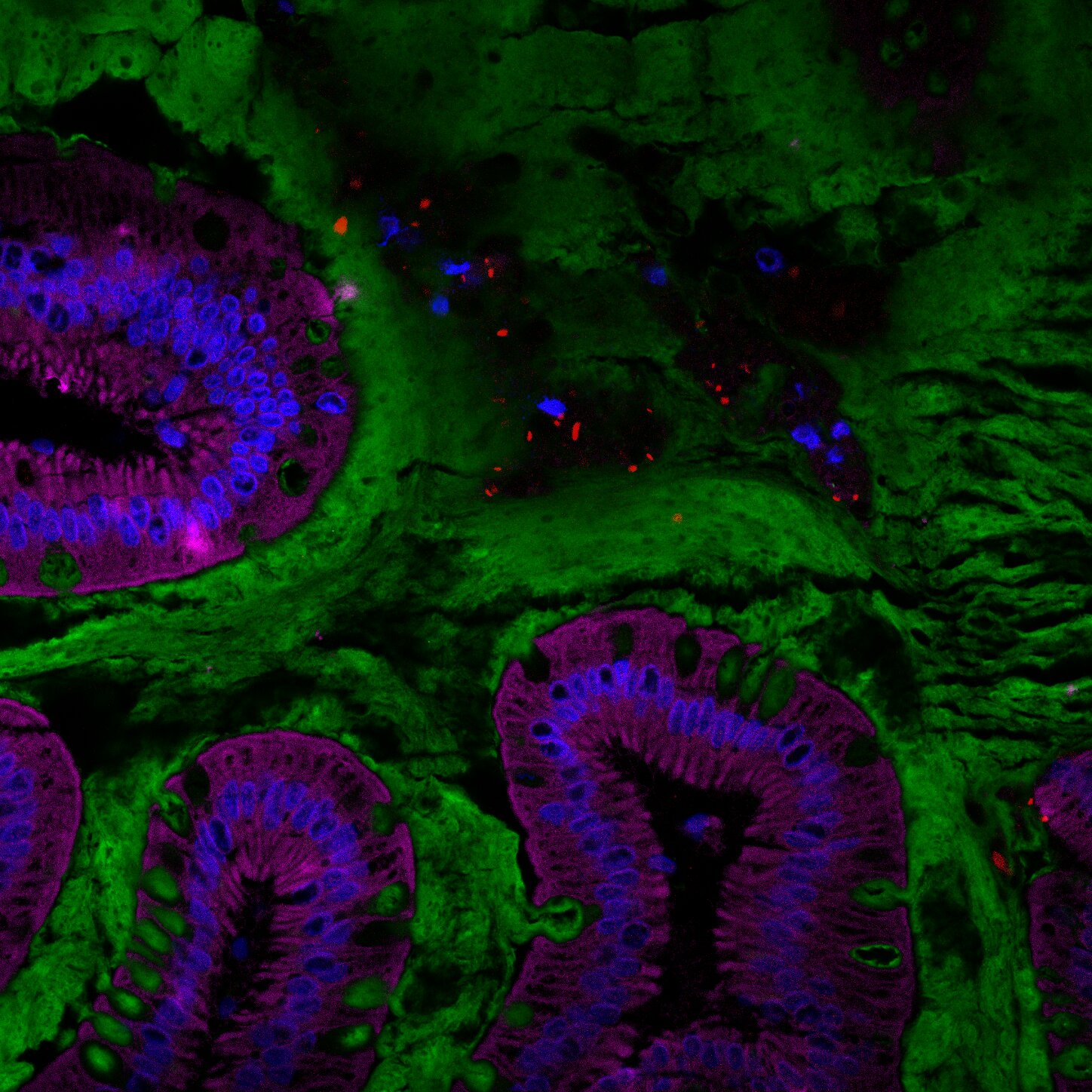
Visualization of the human gut microbiota (red) in the mucus layer (green) on the surface of the intestine. © Benoit Chassaing/Institut Cochin

Given the high prevalence of inflammatory bowel diseases, such as Crohn’s disease, research is progressing to improve understanding of their risk factors and thus improve patient care. Scientists at Institut Cochin (Inserm/CNRS/Université de Paris), led by Inserm researcher Benoît Chassaing, had previously shown in mice that the presence of emulsifiers in many processed foods could promote intestinal inflammation. In a new study published in Gastroenterology, the same team has shown in healthy human volunteers that carboxymethylcellulose (CMC)[1], a widely used food emulsifier, affects the intestinal environment by altering the composition of the microbiota. The team stresses that more research is needed in order to characterize the long-term impact of this additive, including in individuals with inflammatory bowel disease.

Around 20 million people worldwide are thought to be affected by inflammatory bowel disease, which includes Crohn’s disease and ulcerative colitis. Genetic factors have been identified to explain the intestinal inflammation that characterizes these conditions, but these predispositions are not enough to explain their onset. For several years now, many research teams have been looking at environmental factors.

One such team is that led by Inserm researcher Benoît Chassaing, at Institut Cochin (Inserm/CNRS/Université de Paris), which is interested in the impact of diet – and more specifically the role of certain food additives, such as emulsifiers (thickeners) – on the gut microbiota.

A particular focus of the team has been the impact of carboxymethylcellulose (CMC), a synthetic emulsifier added to many processed foods to improve texture and prolong shelf-life. Research in mice had previously found that CMC, as well as some other emulsifying agents, alters the composition of the gut microbiota, thereby worsening many chronic inflammatory diseases, such as colitis, metabolic syndrome, and colon cancer.

Therefore, in their latest study, the scientists sought to verify whether CMC could have the same impact in humans, given its growing use in processed foods since the 1960s despite having never been the subject of extensive clinical testing.

Clinical study on healthy volunteers

To conduct this clinical study, the scientists recruited a small group of healthy volunteers. The participants, housed at the study site for the duration of the research, were split into two groups. One consumed a diet that was strictly controlled and free of additives, and the other followed the same diet but enriched with CMC.

After two weeks, the researchers observed that, among the participants who had consumed CMC, the bacterial composition in the intestine was modified, with a marked decrease in the number of certain species known to play a beneficial role in human health, such as Faecalibacterium prausnitzii. In addition, the fecal samples of the participants receiving CMC were highly depleted of many beneficial metabolites. Finally, from the clinical viewpoint, these participants were more prone to abdominal pain and bloating.

Colonoscopies performed in these volunteers at the start and end of the study also showed that in a subset of the CMC group subjects, the intestinal bacteria were located closer to the walls of the intestine. This is a characteristic observed in inflammatory bowel diseases and type 2 diabetes.

While the consumption of CMC did not induce any inflammatory disease in this relatively short study, these findings confirm data from animal studies and suggest that the long-term ingestion of this additive by humans could negatively impact the gut microbiota and therefore promote chronic inflammatory diseases and metabolic deregulation.

“Our findings underline the need for further studies on this category of food additives, on larger numbers of people and for a longer duration. We also now want to know more about the differences in response to CMC between individuals. Why is it that only some develop inflammatory markers after consuming these additives? Are some people more sensitive to certain additives than others? These are the questions we want to answer and for which we are currently devising a variety of approaches,” specifies Chassaing.

The team is planning new clinical and preclinical studies that are expected to identify molecular markers of sensitivity to CMC in order to better explain these differences. Trials on larger groups of volunteers with inflammatory bowel disease are ongoing so as to identify the impact of the additive in these patients.


[1]CMC is also referred to as E466 on food product labeling.

Bronchopneumopathie chronique obstructive : une mutation génétique confirmée comme facteur de prédisposition

fermer