Menu

One in Four French Adults Thought to Have Some Form of Hearing Loss

This hearing loss study is based on data from thousands of participants from the Constances cohort. © Adobe Stock

Hearing loss is a public health problem that affects billions of people worldwide. However, data on its prevalence – generally speaking, its frequency in the population – and on the use of hearing aids, remain imprecise. A new study by a research team from Inserm and Université Paris Cité at the Paris Cardiovascular Research Center (PARCC, Inserm unit 970)[1], in collaboration with the Paris Hospitals Group AP-HP and Foch Hospital in Suresnes, shows for the first time that 25% of adults in France are affected by some form of hearing loss. Disabling hearing loss, which is more severe, is thought to affect 4% of adults. This prevalence varies with age and other factors (standard of living, noise exposure at work, cardiovascular diseases, etc.), which are described in the study. In addition, the scientists have found that hearing aids remain largely underused, especially among seniors. These findings, based on data from thousands of participants from the Constances cohort, have been published in JAMA Open Network.

Hearing loss affects around 1.5 billion people worldwide, with World Health Organization (WHO) projections suggesting an increase to 2.5 billion by the year 2050. This is a major public health problem, especially since hearing loss is associated with decreased quality of life, social isolation, and other health problems such as depression, cognitive decline, and dementia.

However, it is still difficult to fully understand the extent of the problem and to improve prevention and screening measures, because the data available on the exact prevalence of hearing loss, the characteristics of those affected, and the use of hearing aids are still scarce.

They are most often derived from studies with small and nonrepresentative samples of participants from which it is complicated to draw generalizations, and from self-reported, unmeasured hearing loss data.

In order to have more robust data which can be used to inform public policy, a research team from Inserm, Paris Public Hospitals Group AP-HP, Université Paris Cité and Foch Hospital assessed the prevalence of hearing loss in France. For this they used data from 186,460 volunteers from the Constances cohort, who are representative of the general adult population and in whom hearing loss was measured using hearing tests.

The Constances cohort

Constances is a large-scale French epidemiological cohort, composed of a representative sample of 220,000 adults aged 18 to 75 years at the time of their inclusion. The participants are asked to have a health check every four years and to complete an annual questionnaire. Each year, their data are matched with the French national health insurance databases. This large-scale cohort is supported by the National health insurance fund and financed by the Investments for the future program.

The data collected, which concern health, socio-professional characteristics, use of health care services, and biological, physiological, physical, and cognitive parameters, enable us to learn more about the determinants of many diseases.

For more information: constances.fr

The volunteers, aged 18 to 75 years, completed questionnaires on their demographic and socioeconomic characteristics, their medical history and that of their relatives, as well as their lifestyles. They also underwent a health examination, between 2012 and 2019, which included a hearing test.

The study authors analyzed the entirety of this data and found that 25% of the individuals in the study sample had hearing loss, with 4% of the sample affected by disabling hearing loss (see box below). In addition, this research found that little use is made of hearing aids. For example, only 37% of patients with disabling hearing loss were wearing one.

Hearing loss

  • The term “hearing loss” is used to refer to a person who is unable to hear as well as someone with normal hearing, the threshold being 20 decibels (dB) of loss in the better ear.
  • “Disabling hearing loss” means a hearing loss greater than 35 decibels (dB) in the better ear.

Taking their interpretation further, the researchers then attempted to identify the factors associated with hearing loss. Their analyses suggest that older people, men, people with a high body mass index (BMI), people with diabetes, with cardiovascular risk factors, a history of depression, or exposed to noise at work had the highest likelihood of suffering from hearing loss.

Conversely, having a higher income or education level, living alone, or living in an urban area were associated with a lower likelihood of hearing loss.

Hearing aid use was particularly low among elderly people (who are proportionately more affected by disabling hearing loss), men, smokers, and those with a high BMI.

Improving our understanding of the prevalence of hearing loss and the profile of those it affects is very important if we are to better target patients who are at risk, in order to screen them, improve their care, and refine prevention measures.

“This is the first time in France that a study on the prevalence of hearing loss and the use of hearing aids has been conducted on such a large and representative sample of the country’s adult population. This allows us to establish a reliable picture and to provide keys to public decision-makers, even though effective solutions (such as hearing aids and cochlear implants) are available to manage this major health problem,” stress Quentin Lisan and Jean-Philippe Empana, who coordinated the study.

While France has recently passed a measure allowing the reimbursement of hearing aids by Social Security (which was not yet the case at the time the study was conducted), it would be interesting for future research to evaluate the efficacy of such an initiative in encouraging the use of hearing aids.


[1] Team 4: Integrative Epidemiology of Cardiovascular Disease

Phage Therapy: A Model to Predict Its Efficacy against Pathogenic Bacteria

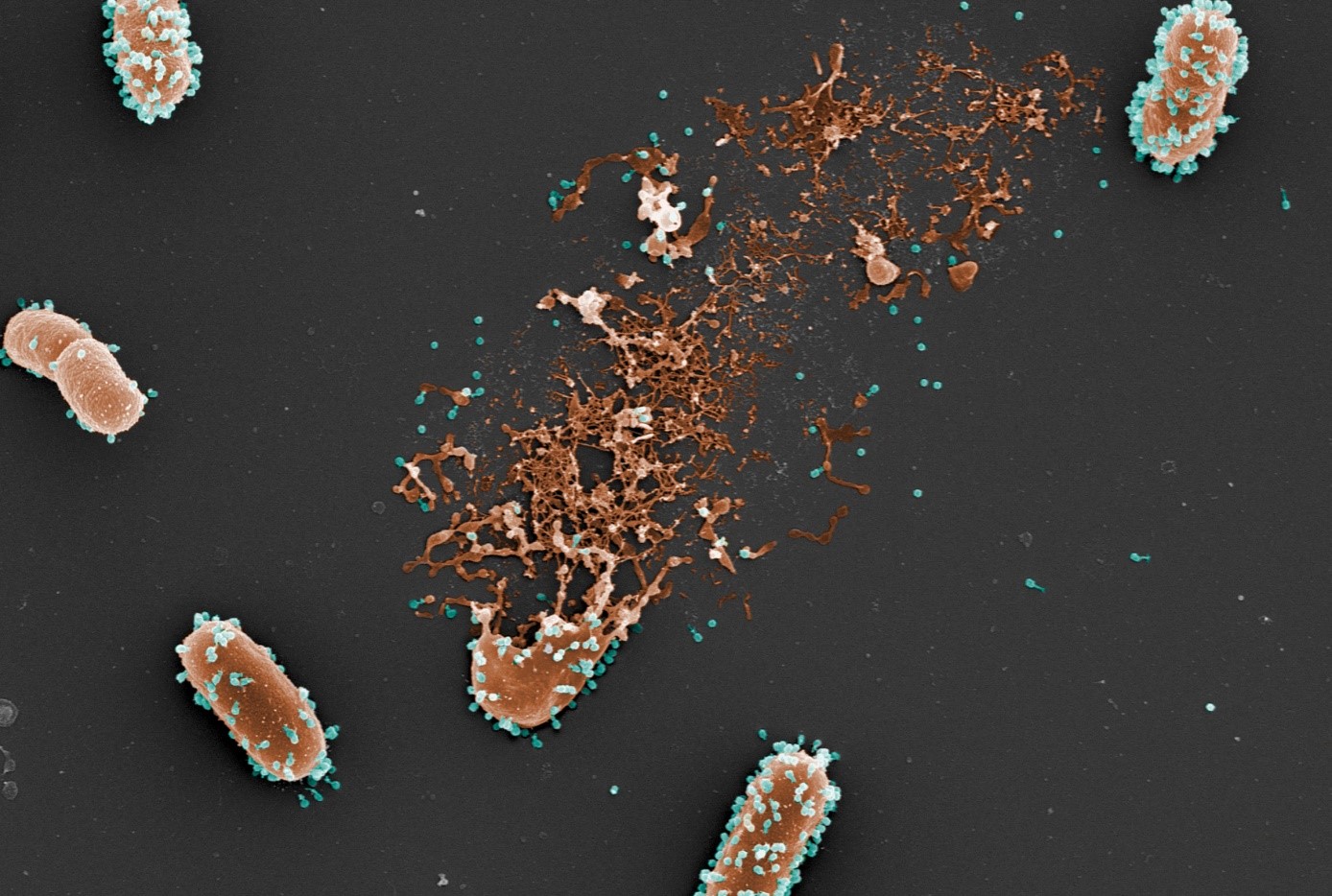
Photo (colorized) of scanning electron microscopy of a bacterium lyzed by the phages (© L. Debarbieux, Institut Pasteur; M. and C. Rohde, Helmholtz Centre for Infection Research).

Antibiotic resistance represents a major public health challenge, associated with a high mortality rate. While bacteriophages – viruses that kill bacteria – could be a solution for fighting antibiotic-resistant pathogens, various obstacles stand in the way of their clinical development. To overcome them, researchers from Inserm, Université Sorbonne Paris Nord and Université Paris-Cité at the IAME Laboratory, in close collaboration with their counterparts at Institut Pasteur and the Paris Public Hospitals Group (AP-HP), have developed a model to better predict the efficacy of phage therapy and possibly develop more robust clinical trials. Their findings have been published in Cell Reports.

The discovery of antibiotics had revolutionized the history of medicine in the 20th century, allowing us to effectively fight bacteria for the first time. However, antibiotic resistance – a phenomenon during which bacteria become resistant following mass, repeated use – has become a major public health issue in recent decades. Each year, these resistant bacteria are estimated to be responsible for 700,000 deaths worldwide. Yet the discovery of new antibacterial agents has been stagnating for several years.

In this context, phage therapy has recently generated renewed interest. This therapeutic approach involves the use of bacteriophages that target and destroy pathogenic bacteria whilst being unable to infect humans. While the concept has been in existence for a long time, its clinical development has been hampered by various limitations. Unlike “conventional” medicines, bacteriophages are complex biologics, whose action in the body, optimal dose, and most effective route of administration are difficult to study and anticipate.

In order to remove some of these obstacles, Jérémie Guedj’s research team at Inserm, in collaboration with Laurent Debarbieux’s team at Institut Pasteur, has developed a new mathematical model to better define the interactions between bacteriophages and pathogenic Escherichia coli bacteria in animals and to identify the key parameters that influence the efficacy of phage therapy.

Supporting clinical development

Various data from in vitro and in vivo experiments were used to construct this model. In particular, the researchers used the bacteriophages’ infection parameters determined in the laboratory (for example, the duration of the infectious cycle of the bacteria, the number of viruses released when a bacterium is destroyed…) and information collected during experiments using a mouse model of lung infection.

Some of the animals were infected with a bioluminescent strain of E. Coli (in order to best monitor it within the body). Among them, some were treated with bacteriophages at different doses and using different routes of administration. The quantities of bacteria and bacteriophages thus measured over time helped to feed the mathematical model and test which were the most important parameters for effective phage therapy. 

Using their model, the scientists show that the route of administration is an important parameter to consider when it comes to improving the animals’ survival: the more rapidly it brings the bacteriophages into contact with the bacteria, the more it is effective. In the animal model, the phage therapy administered intravenously was therefore less effective in comparison with the intratracheal route because fewer bacteriophages were reaching the lungs. On the other hand, when administered by intratracheal route, the model suggests that the dose of the medication given has little effect on the efficacy of the therapy.

Another important point is that this model incorporates data on the animals’ immune response in the context of phage therapy. The model confirms and extends the principle that bacteriophages act in synergy with the immune system of infected animals, enabling more effective elimination of pathogenic bacteria.

“In this study, we propose a new approach to streamline the clinical development of phage therapy, which otherwise continues to have its limitations. Our model could be reused to predict the efficacy of any bacteriophage against the bacteria it targets, once a limited number of in vitro and in vivo data are available on its action. Beyond phage therapy, the model could also be used to test anti-infective therapies based on the association between bacteriophages and antibiotics,” concludes Guedj.

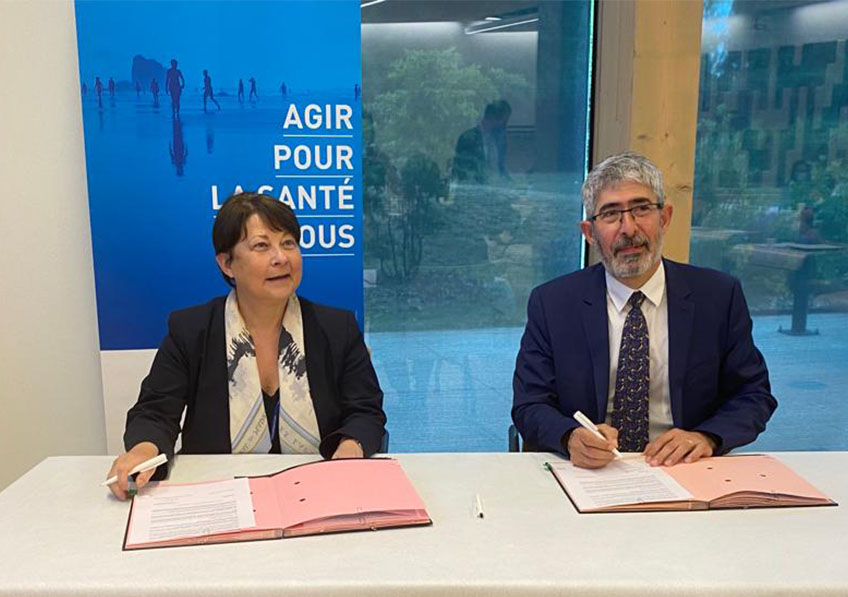
Signature d’un accord cadre entre Santé publique France et l’Inserm

Influenza: A New Avenue for Developing Innovative Treatments

Cellules épithéliales respiratoires humaines

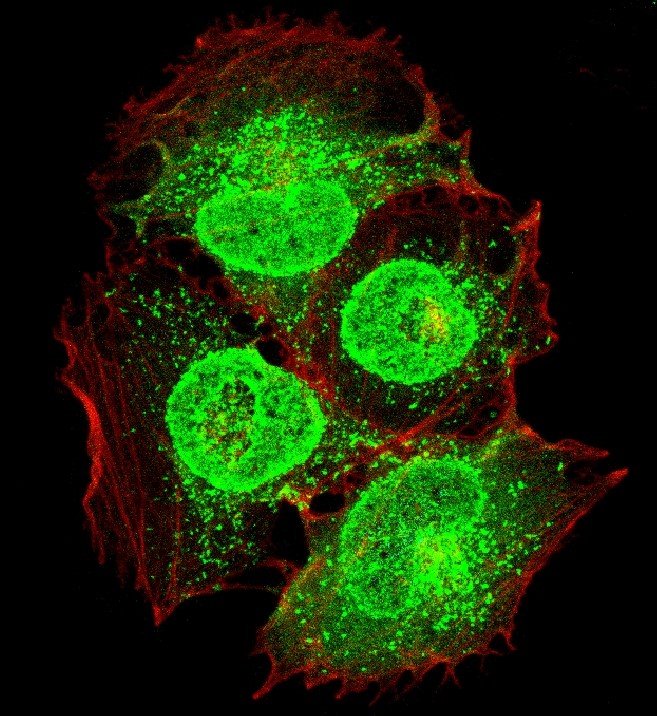
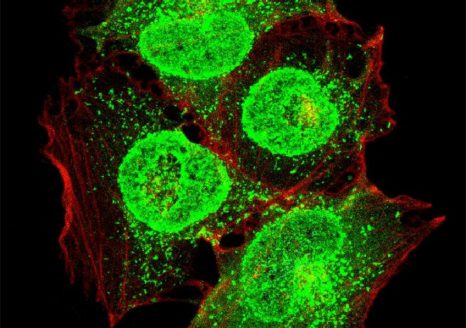
Human respiratory epithelial cells (in red) infected with an influenza virus (in green). © A. Cezard, D. Diakite, A. Guillon, M. Si-Tahar, PST ASB-Microscopy Department.

Seasonal influenza is a major public health issue because it continues to remain associated with considerable mortality, particularly among people who are elderly, immunocompromised, or both. It also has a significant socioeconomic cost. With vaccination and current treatments still being of limited efficacy, research teams are trying to develop new therapeutic approaches. At the Research Center for Respiratory Diseases in Tours, scientists from Inserm, Université de Tours and Tours Regional University Hospital have shown that in a context of influenza infection, a metabolite[1] called succinate, which is naturally present in the body, has an antiviral and anti-inflammatory action. These findings open up new therapeutic prospects based on the use of succinate derivatives. The study has been published in EMBO Journal.

Often considered a mild disease, influenza continues to cause the deaths of 10,000 to 15,000 people each year in France. The socioeconomic cost of the disease is also significant because it is associated with high levels of absenteeism and a major burden on hospitals.

Seasonal influenza vaccination is a central pillar of the preventive strategies deployed to reduce the number of cases and fight the disease. However, its efficacy can vary from year to year, depending on the influenza viruses in circulation and the suitability of the vaccine to them. Drugs that directly target the influenza virus are available for severe cases, but the window of time for effective action with these treatments is very short. What is more, influenza viruses have become resistant to their action.

In this context, the development of innovative therapies is a priority. While current treatments work by targeting certain components of the virus, Inserm Research Director Mustapha Si-Tahar and his colleagues at the Research Center for Respiratory Diseases are trying to better understand the host’s cellular and molecular responses to viral infection, with the long-term aim of developing novel therapeutic strategies aimed at strengthening these responses.

The role of metabolites in immune response

While metabolism1 has long been considered to be a purely energetic mechanism essential for cell function, recent research has shown that some metabolites can also regulate the immune response.

Based on these data, Si-Tahar’s team wondered whether an influenza infection could cause the reprogramming of the metabolism of the target cells of the virus and whether specific metabolites play an especially active role in the immune response.

In mice infected with influenza, the researchers observed that a metabolite called succinate accumulates in the lungs. A phenomenon which was then confirmed in humans by comparing respiratory fluids from intensive care patients with and without influenza pneumonia. The presence of succinate was found to be significantly higher in the influenza patients.

They then exposed cells from the pulmonary epithelium to succinate, thereby demonstrating that the molecule has antiviral activity by blocking multiplication of the virus. Succinate also helps to reduce the strong inflammatory response that is triggered in the lungs following infection with influenza.

The researchers also found that mice exposed to the virus receiving intranasal succinate are better protected against infection and have a higher survival rate than those that do not receive it.

In search of molecular mechanisms

In order to better understand these different phenomena, the scientists sought to decipher the molecular mechanisms behind the antiviral action of succinate.

This involved analyzing the impact of succinate on the various stages of the viral replication cycle and demonstrating that, while there is no influence on the early stages of the cycle (entry, transcription, and translation), there is an influence on a later stage. The findings show that this metabolite prevents a major structural protein of the virus, the “nucleoprotein”, from exiting the nucleus of infected cells, thereby preventing the assembly of the final viral particle and interrupting the multiplication cycle of the virus.

These data all point to the key role of succinate in controlling influenza infection, as well as its therapeutic value.

“Our research has an interesting outlook in that it potentially paves the way for the development of new antiviral treatments derived from succinate,” underlines Si Tahar[2].

Additional studies are needed in order to test the therapeutic potential of succinate and identify other metabolites of interest.


[1] Metabolism refers to all of the chemical reactions that take place inside the body’s cells. A metabolite is an organic substance derived from metabolism.

[2] In keeping with this research, Si-Tahar has since early 2021 coordinated a French National Research Agency (ANR) program entitled “Development of succinate-based formulations and analogues against SARS-CoV-2-induced respiratory infections and influenza viruses.” His team is also the beneficiary of an “ERS-RESPIRE4 Marie Skłodowska-Curie fellowship” to develop a project entitled “Succinate-Producing Probiotics as an Innovative Therapy for Viral Respiratory Infections: a proof-of-concept study”.

Infertility: New Avenues to Understand the Harmful Effects of Chemotherapy

Immunostaining of a mouse testicle section

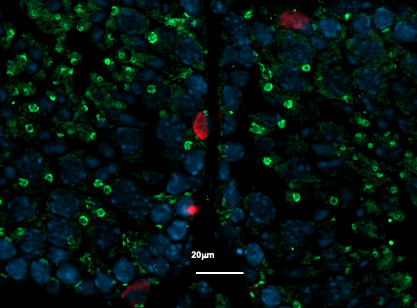
Immunostaining of a mouse testicle section, with (in red) the undifferentiated germ cells and (in green) the GFP protein reflecting TGR5 receptor expression in this study model. ©David Volle/Inserm

Infertility is a public health problem affecting millions of couples in France. Among the possible causes, chemotherapy has been singled out as having particularly harmful effects on the fertility of both women and men. In order to better prevent and restore fertility in cancer survivors, understanding the mechanisms behind these negative effects is a priority. In a new study, researchers from Inserm, CNRS and Université Clermont Auvergne investigated a receptor found on male germ cells that produce gametes, their aim being to find out more about its role in chemotherapy-related infertility. Their findings, published in Advanced Science, pave the way for a better understanding of male infertility and the development of treatments to reduce the risk of sterility from chemotherapy.

Around 3.3 million people in France are directly affected by infertility. Concerning both men and women, it has continued to increase in recent years, making it a major public health problem [1].

While there are many causes of infertility, it is currently well established that cancer treatments, including chemotherapy, can have particularly harmful effects on male and female fertility. Although cancer therapies have improved in recent years, tackling this issue is becoming a matter of urgency, as an increasing number of cancer survivors will be affected by infertility problems.

For almost 15 years, Inserm researcher David Volle and his team at the Genetics, Reproduction and Development Laboratory (Inserm/CNRS/Université Clermont Auvergne) have sought to improve their understanding of the biological mechanisms underlying infertility. Part of their research focuses on the impact of chemotherapy on male fertility, with the longer-term objective of identifying avenues to counter the adverse effects of this treatment.

In their new study, the researchers looked at TGR5 receptors, which are present on cell membranes, in order to understand their role in the harmful effects of chemotherapy.

TGR5 receptors are widely studied in the context of metabolic diseases, such as diabetes and obesity. They are activated by bile acids – molecules produced in the liver that regulate certain physiological functions, including blood glucose and energy expenditure.

 However, previous research by the team had shown that these receptors are also present in germ cells, the cells that produce gametes. In mouse models mimicking liver disease, with elevated bile acid levels, the scientists had found that the TGR5 receptors on germ cells were activated – which was associated with increased sterility in animals.

Germ cell death

To further understand the impact of TGR5 on fertility in the context of chemotherapy, the scientists in their latest study exposed mice to a chemotherapy agent called busulfan. They then showed that the chemotherapy induces the death of some of the germ cells in healthy mice, thereby affecting their fertility. “The fact that it is the germ cells, at that point undifferentiated, which are affected is particularly problematic because we are talking about the reserve of cells that produce gametes. This can reduce their renewal and contribute to post-chemotherapy infertility,” says Volle.

However, in mice that have been genetically modified to have an absence of TGR5 receptors, the effects of chemotherapy on germ cells are attenuated. This results in an accelerated return of fertility in these busulfan-treated mice compared with the control mice.

Our study has therefore improved our understanding of the molecular mechanisms involved in the harmful effects of chemotherapies on germ cells and fertility. These findings show that TGR5 receptors play an important role in the harmful effects of chemotherapy on infertility,” adds Volle.

In the longer term, the objective is to develop methods to modulate TGR5 receptor activation in a targeted manner within germ cells, in order to protect them and restore fertility after chemotherapy.

The idea is also to assess whether these data can be extrapolated to other disease contexts in which TGR5 receptor activity could be modulated, such as obesity and diabetes, conditions known to impair fertility.

In addition, in parallel to this research, the team observed that even when fertility was maintained in mice exposed to chemotherapy, the quality of the gametes was affected. The scientists will therefore now endeavor to understand both the quantitative and qualitative impacts on germ cells in order to limit not just fertility disorders but also the longer-term consequences on the offspring of animals.


[1] A report requested by the French Minister of Health and the Secretary of State for Childhood and Family in February 2022 outlines a national strategy to combat infertility: https://solidarites- sante.gouv.fr/IMG/pdf/rapport_sur_les_causes_d_infertilite.pdf

Long COVID: When Symptoms Persist Months after the First Wave

During the first wave of COVID-19, participants from the Constances cohort completed two questionnaires to determine the presence of symptoms during the previous 15 days. Credits: Adobe Stock

Several months after infection with SARS-CoV-2, some patients are still having symptoms – a phenomenon known as “long COVID” or “post-COVID-19 condition”. Still poorly understood, scientists are now attentively studying long COVID in order to improve knowledge and offer patients the best possible treatment. Researchers from Inserm, Université Paris-Saclay and Sorbonne Université at the Pierre-Louis Institute of Epidemiology and Public Health, in collaboration with ANRS | Emerging Infectious Diseases, have used data from around 26,000 Constances cohort volunteers to identify the persistent symptoms most commonly reported by SARS-CoV-2 patients compared with the rest of the population. These are mainly loss of taste or smell, difficulty breathing and fatigue and are particularly seen in patients who experienced typical COVID symptoms at the time of infection. Their findings have been published in The Lancet Regional Health – Europe.

Many people report symptoms that persist for several months after infection with SARS-CoV-2. Still poorly understood, “long COVID” is currently the subject of rigorous research in order to better define its prevalence in the general population and decipher its underlying pathophysiological mechanisms.

The persistent symptoms most commonly described in the scientific literature include dyspnea (difficulty breathing), asthenia (fatigue), joint and muscle pain, cognitive complaints, digestive complaints, and anosmia/dysgeusia (loss of smell and taste).

Apart from anosmia/dysgeusia, these clinical manifestations are not specific to COVID-19 and may, for example, be related to other infections occurring during the same period or to more restricted access to health care during the pandemic.

In order to better understand and treat long COVID, it is therefore essential for scientists to determine which persistent symptoms are more specifically associated with SARS-CoV-2 infection than with other conditions.

A general population study

A new study published in The Lancet Regional Health has examined this issue. One of the aspects that makes this research original is that it was carried out in a general population cohort.

General population cohorts differ from cohorts constructed from samples of COVID patients (who, by definition, are all “symptomatic”, often with severe clinical forms or hospitalized), which are not representative of everyone with the infection.

General population cohorts therefore make it possible to understand public health problems through the creation of comparison groups, for example focusing on the severity of symptoms at the time of infection.

Another novel aspect is that the participants all underwent a serological test to screen for a history of SARS-CoV-2 infection. This differentiates this study from the majority of its counterparts, which focus on those having performed a PCR test and who have presented symptoms.

For example, this study compared the persistence of symptoms seven to eight months after the first wave of the pandemic in four groups of participants[1] distributed according to the symptoms they had during that first wave and their serological status (whether or not they had been infected with SARS-CoV-2). 

Long-term symptoms according to serological status

A total of 25,910 participants from the Constances cohort (see box) completed two questionnaires during the first wave of COVID-19 to determine the presence of symptoms during the fifteen days prior. They then underwent a serological test, between May and November 2020, to identify those who had been exposed to the virus.

Finally, between December 2020 and February 2021, they completed a third questionnaire, which looked at symptoms having persisted or persisting for at least two months. This questionnaire included the list of symptoms focused on during the first waves of questionnaires, as well as new symptoms presented by people with long COVID (problems with concentration and attention, chest pains, etc.).

The researchers compared the individuals having presented symptoms suggestive of acute respiratory infection based on the results of their serological test. They observed that symptomatic individuals seropositive for SARS-CoV-2 had more persistent anosmia/dysgeusia, dyspnea and fatigue than those who were seronegative. The frequency of the other symptoms was equivalent.

Links between symptoms at the time of infection and persistent symptoms

The researchers then explored the link between infection, acute symptoms, and persistent symptoms. The results of their statistical analyses show that SARS-CoV-2 mainly affects the persistence of symptoms if it induces certain symptoms during the acute phase of the infection.

“Our findings confirm the importance of the clinical expression of the initial infectious episode in the risk of developing persistent symptoms. They can help guide public policies by providing more accurate data on the type of persistent COVID-19 symptoms and encourage the development of strategies for more effective treatment. Promoting preventive therapies and approaches, such as vaccination, that reduce symptoms in the acute phase of the disease could also have a beneficial effect on long COVID,” the study authors noted.

These findings reflect the complexity of the mechanisms that can explain the persistent symptoms, emphasizing that these symptoms may be related to the virus, to the initial clinical presentation of the infection, and to other non-specific causes.

They also suggest the importance of conducting studies on post-infectious conditions, regardless of the micro-organism in question.

Further research is under way to understand the mechanisms behind long COVID and to quantify the extent to which these persistent symptoms can be attributed to SARS-CoV-2 infection

The Constances cohort

Constances is a large-scale French epidemiological cohort, composed of a representative sample of 220,000 adults aged 18 to 69 years at the time of their inclusion. Participants are asked to have a health check every four years and to complete an annual questionnaire. Each year, their data are matched with the French national health insurance databases. This large-scale cohort is supported by the National Health Insurance Fund and financed by the Investments for the Future Program.

The data collected, which concern health, socio-professional characteristics, use of health care services, and biological, physiological, physical and cognitive parameters, enable us to learn more about the determinants of many diseases.

Constances is one of three cohorts on which is based the SAPRIS-SERO project led by Inserm and ANRS | Emerging Infectious Diseases – a project which aims to quantify the incidence of SARS-CoV-2 in the French population on the basis of serological tests.

For more information: constances.fr

[1] The members of the first group of participants all had a positive COVID-19 serological test and had reported symptoms during the first wave. Those of the second group had a positive test but no symptoms. Those of the third group had a negative test and symptoms, while those of the fourth group were asymptomatic during the first wave and with a negative test.

HIV: The Antibodies of “Post-treatment Controllers”

VIH

© Adobe Stock

A very small percentage of people with HIV-1, known as “post-treatment controllers” (PTCs), are able to control their infection after interrupting all antiretroviral therapy. Understanding the fundamental mechanisms that govern their immune response is essential in order to develop HIV-1 vaccines, novel therapeutic strategies to achieve remission, or both. A recent study investigated the humoral immune response – also known as antibody-mediated immunity – in some PTCs in whom transient episodes of viral activity were observed. The researchers have shown their humoral immune response to be both effective and robust, which could help to control the infection in the absence of treatment. The findings of this study, carried out in collaboration with teams from Institut Pasteur, Inserm and Paris Public Hospitals Group (AP-HP) and supported by ANRS | Emerging Infectious Diseases and the National Institutes of Health (NIH), were published in Nature Communications on April 11, 2022.

A very small percentage of people with HIV-1 and who received early treatment maintained over several years have the capacity to control the virus over the long-term when their treatment is interrupted. However, the mechanisms of this control have not been fully elucidated.  

The team of researchers, led by Dr. Hugo Mouquet, director of the Laboratory of Humoral Immunology at Institut Pasteur (partner research organization of Université Paris Cité), conducted an exhaustive study in PTCs in order to characterize their humoral response (i.e. their production of B cells and specific antibodies), compared with non-controllers.

The scientists have shown that the humoral immune response profiles vary according to the activity of the virus observed in the subjects.

In PTCs who experience short episodes in which the virus resumes low-level activity after interruption of treatment, transient exposure to the viral antigens induces:

  • a strong anti-HIV-1 humoral response, involving more frequent intervention of HIV-1 envelope-specific memory B cells;
  • the production of antibodies with a cross-neutralizing action and which possess “effector” antiviral activities in which the innate immune cells recognize the infected cells bound to the antibodies, thereby inducing their elimination;
  • the increase in the blood of atypical memory B cells and subpopulations of activated helper T cells.

This specific, multifunctional, and robust humoral response could help to control their infection in the absence of treatment.

However, other PTCs in whom the virus continuously remains undetectable after treatment interruption do not develop a strong humoral response. The control mechanisms in these patients continue to be investigated in the VISCONTI study.

The discovery of these two types of humoral immune response, which depend on the profile of the PTCs, sheds new light on the phenomenon of HIV control. For Dr. Mouquet, researcher at Institut Pasteur and principal investigator of the study, “these findings show that early antiretroviral treatment can facilitate the optimal development of humoral immune responses, in some cases countering viral rebound after treatment interruption.” The example of the immune response of the PTCs having short episodes of “awakening” of the virus could even inspire novel therapeutic or vaccine strategies.

ANRS VISCONTI: to improve understanding of the HIV control mechanisms in “post-treatment controllers”

The “post-treatment controllers” whose samples were used for this research are part of the VISCONTI (Viro-Immunological Sustained COntrol after Treatment Interruption) study, coordinated by Dr. Asier Sáez-Cirión (Institut Pasteur) and Dr. Laurent Hocqueloux (Orleans Regional Hospital) and supported by ANRS for several years. This is the largest cohort of long-term “post-treatment controllers”.

It includes 30 patients who had received early treatment that was maintained for several years. Upon interruption of their antiretroviral therapy, they are able to control their viremia for a period exceeding 20 years in some cases. VISCONTI therefore provides the proof of concept of a possible and sustained state of remission for HIV-1-infected patients. It has paved the way for the development of novel therapies that target remission from the infection – if not its eradication. The objective is to enable people living with HIV-1 to stop their antiretroviral treatment on a lasting basis, while maintaining viremia at the lowest level and avoiding the risk of transmission of the virus.

Older Adults: Understanding and Preventing Barriers to an Active Lifestyle

© Fotolia

To prevent older adults from settling into an unhealthy sedentary lifestyle, public health policies have been implemented to promote physical activity, which is essential for maintaining good health. Researchers from Inserm and Université Paris Cité within the Center for Research in Epidemiology and Statistics have studied the impact of individual sociodemographic, behavioral and health factors on the practice of daily physical activity in later life, using data from 3,896 participants of the Whitehall II cohort. This research, published in JAMA Network Open, highlights the complexity of individual barriers to an active lifestyle among older adults and suggests that this complexity should be better taken into account when redefining public health policies.

By maintaining many essential functions that prevent chronic disease and mortality, physical activity is one of the keys to healthy aging. Although it is currently recommended to do 21 minutes of moderate to intense physical activity per day and reduce the amount of time spent sitting (being sedentary), few people actually follow this advice – especially older adults. In addition, public health messages aimed at older adults take little account of individual factors, whether environmental or personal, that may limit the adoption of an active lifestyle.

A team led by Séverine Sabia, Inserm researcher at the Center for Research in Epidemiology and Statistics (Inserm/Université Paris Cité), studied the factors that influence physical activity and sedentary behavior in later life.

The scientists looked at data from Whitehall II1, a British cohort of which 3,896 of its participants, between 60 and 83 years of age, had worn a measuring device for a nine-day period in 2012-2013. This device, called an accelerometer, continuously recorded data on the intensity and duration of their daily physical activity. In addition, data relating to their sociodemographic characteristics (age, sex, ethnicity, occupation, marital status), behaviors (consumption of tobacco, alcohol, fruits and vegetables), health (body mass index, quality of life, chronic diseases) and physical activity were collected between 1991-1993 and 2012-2013, representing a 20-year period prior to the accelerometer measurements.

In terms of physical activity, the researchers considered three levels of intensity: sedentary (low-energy activity while sitting or lying down), light (e.g. slow walking), and moderate to vigorous (e.g. swimming, cycling).

Their first finding was that men spend more time being sedentary or engaging in moderate to vigorous activity than women, who spend more time than men doing light physical activity.

Depending on the factors studied, a longer duration of time spent being sedentary by older adults had differing effects on the duration of the other levels of intensity. For example, in comparison with those living with partners, people living alone spend on average an additional 11 minutes being sedentary, mostly at the expense of time devoted to light physical activity. In contrast, although a five-year age difference results in a similar increase in time spent being sedentary, this comes at the expense of time devoted to moderate to vigorous activity – which is more than half the recommended daily time (21 minutes).

The behavioral factors all appear to impact the time devoted to the different levels of intensity. The largest difference is seen with male smokers, who spend 37.4 more minutes per day being sedentary, at the expense of 23.3 minutes of light activity and 14.1 minutes of moderate to vigorous activity (i.e. two-thirds of the time recommended for the latter). However, in women who smoke, the increase in sedentary time comes at the expense of moderate to vigorous activity.

Among the factors relating to health status, poor general health, the presence of chronic diseases, and obesity are associated with a significant increase in the time spent being sedentary.

The largest discrepancies are seen with obesity: at the same age, people with obesity spend 50.7 minutes longer per day being sedentary than those with a normal body mass index, at the expense of 28.6 minutes of light activity and 22.1 minutes of moderate to vigorous activity – i.e. all of the time recommended for the latter.

In general, for women, nearly all of the factors impact the time spent on the different intensities of physical activity – an impact that is similar but globally attenuated in comparison with men.

We wanted to know if barriers to physical activity among older adults were already present earlier in life and we found that they were. Living alone, being overweight or obese, the presence of chronic diseases, poor physical functioning or poor lifestyle at the average ages of 50 and 60 were associated with low activity levels in later life,” explains Mathilde Chen, lead author of the study. We were also able to see a clustering of behavioral risk factors: people who are more sedentary tend to smoke and eat fewer fruits and vegetables. This research reflects the complexity of the determinants of an active lifestyle among older adults.

Séverine Sabia, study investigator, concludes: “In the fight against the health impacts of high levels of inactivity among older adults, this research provides arguments in favor of targeted prevention strategies, integrating all components of physical activity and healthy lifestyle behaviors, and addressing as early as possible those who are most likely to be sedentary in later life.

1 The Whitehall II cohort was set up between 1985 and 1988; a total of 10,308 British participants (67% male) aged 35-55 years were recruited and have been followed up ever since.

Artificial Sweeteners: Possible Link to Increased Cancer Risk

édulcorant artificiel

Aspartame, a well-known artificial sweetener, is for example present in thousands of food products worldwide. © Mathilde Touvier/Inserm

Artificial sweeteners are used to reduce the amounts of added sugar in foods and beverages, thereby maintaining sweetness without the extra calories. These products, such as diet sodas, yoghurts and sweetener tablets for drinks, are consumed by millions of people daily. However, the safety of these additives is the subject of debate. In order to evaluate the risk of cancer linked to them, researchers from Inserm, INRAE, Université Sorbonne Paris Nord and Cnam, as part of the Nutritional Epidemiology Research Team (EREN), analyzed data relating to the health of 102,865 French adults participating in the NutriNet-Santé cohort study and their consumption of artificial sweeteners. The results of these statistical analyses suggest a link between the consumption of artificial sweeteners and an increased risk of cancer. They have been published in PLOS Medicine.

Given the adverse health effects of consuming too much sugar (weight gain, cardiometabolic disorders, dental caries, etc.), the World Health Organization (WHO) recommends limiting free sugars1 to less than 10% of one’s daily energy intake2. Therefore, in order to ensure that foods maintain that sweet taste so sought after by consumers worldwide, the food industry is making increasing use of artificial sweeteners. These are additives that reduce the amount of added sugar (and calories) without reducing sweetness. What is more, in order to enhance flavor, manufacturers use them in certain products that traditionally contain no added sugar (such as flavored potato chips).

Aspartame, a well-known artificial sweetener, is for example present in thousands of food products worldwide. While its energy value is similar to that of sugar (4 kcal/g), its sweetening power is 200 times higher, meaning that a much smaller amount is needed to achieve a comparable taste. Other artificial sweeteners, such as acesulfame-K and sucralose, contain no calories at all and are respectively 200 and 600 times sweeter than sucrose.

Although several experimental studies have pointed to the carcinogenicity of certain food additives, there are no robust epidemiological data supporting a causal link between the everyday consumption of artificial sweeteners and the development of various diseases. In a new study, researchers sought to examine the links between the consumption of artificial sweeteners (total and most often consumed) and the risk of cancer (global and according to the most common types of cancer) in a vast population study. They used the data provided by 102,865 adults participating in the NutriNet-Santé study (see box below), an online cohort initiated in 2009 by the Nutritional Epidemiology Research Team (EREN) (Inserm/Université Paris Nord/CNAM/INRAE), which also coordinated this work.

The volunteers reported their medical history, sociodemographic data and physical activity, as well as information on their lifestyle and health. They also gave details of their food consumption by sending the scientists full records of what they consumed over several 24-hour periods, including the names and brands of the products. This made it possible to accurately evaluate the participants’ exposure to additives, and more particularly to artificial sweeteners.

After collecting information on cancer diagnoses over the NutriNet-Santé study period so far (2009-2021), the researchers conducted statistical analyses in order to study the links between the use of artificial sweeteners and the risk of cancer. They also took into account various potentially confounding factors, such as age, sex, education, physical activity, smoking, body mass index, height, weight gain over the study period so far, family history of cancer, as well as intakes of energy, alcohol, sodium, saturated fatty acids, fiber, sugar, whole grain foods and dairy products.

The scientists found that compared with those who did not consume artificial sweeteners, those who consumed the largest amounts of them, especially aspartame and acesulfame-K, were at increased risk of developing cancer, irrespective of the type.

Higher risks were observed for breast cancer and obesity-related cancers.

In accordance with several in vivo and in vitro experimental studies, this large-scale, prospective study suggests that artificial sweeteners, used in many foods and beverages in France and throughout the world, may represent an increased risk factor for cancer,” explains Charlotte Debras, PhD student and lead author of the study. Further research in other large-scale cohorts will be needed in order to replicate and confirm these findings.

These findings do not support the use of artificial sweeteners as safe alternatives to sugar, and they provide new information in response to the controversy regarding their potential adverse health effects. They also provide important data for their ongoing re-evaluation by the European Food Safety Authority (EFSA) and other public health agencies worldwide,” concludes Dr. Mathilde Touvier, Inserm Research Director and study coordinator.

NutriNet-Santé is a public health study coordinated by the Nutritional Epidemiology Research Team (EREN, Inserm / INRAE / Cnam / Université Sorbonne Paris Nord) which, thanks to the commitment and loyalty of over 170,000 participants (known as “Nutrinautes”), advances research into the links between nutrition (diet, physical activity, nutritional status) and health. Launched in 2009, the study has already given rise to over 200 international scientific publications. In France, new participants are currently being encouraged to join in order to continue to advance research on the relationship between nutrition and health.

By devoting a few minutes per month to answering various online questionnaires relating to diet, physical activity and health, participants contribute to furthering knowledge of the links between diet and health. With this civic gesture, we can each easily participate in research and, in just a few clicks, play a major role in improving the health of all and the wellbeing of future generations. These questionnaires can be found on the secure platform www.etude-nutrinet-sante.fr.


1 Sugars added to foods and beverages and sugars naturally present in honey, syrups, and fruit juices.

2 World Health Organization, 2015

Increased Ischemic Stroke Risk Associated with Certain Medications for Nausea and Vomiting

Every year in France, 140,000 people have a stroke. © Adobe Stock

Every year in France, 140,000 people have a stroke1. Around 80% are ischemic strokes or cerebral infarctions, which occur when a brain artery is obstructed by a blood clot. Studies have shown that the risk of ischemic stroke is increased by the use of antipsychotics: medications with antidopaminergic2 properties that are commonly prescribed in psychiatry. Researchers from Inserm and Université de Bordeaux (Bordeaux Population Health Research Center) and Bordeaux University Hospital evaluated the ischemic stroke risk associated with exposure to other antidopaminergic medications—antiemetics, which are very commonly used in the symptomatic treatment of nausea and vomiting. The findings of this study, which were obtained by analyzing French national health insurance reimbursement data, show a link between the use of these medications and the risk of ischemic stroke. These findings have been published in British Medical Journal.

Since the early 2000s, the use of antipsychotic medications indicated in psychiatry has been associated with an increased risk of ischemic stroke. This risk, which has been demonstrated for all of these medications with antidopaminergic properties, increases with age and the existence of dementia. Given that the mechanisms behind this phenomenon have not been elucidated, one possible hypothesis is the antidopaminergic action of these medications. The antiemetics—domperidone, metoclopramide and metopimazine—used in the symptomatic treatment of nausea and vomiting of various causes (acute gastroenteritis, migraine, chemo- or radiotherapy, or following an operation) are other medications that possess this property.

Prior to this, there had been no studies published evaluating the risk of ischemic stroke associated with exposure to antidopaminergic antiemetics. Yet these are very commonly used medications: in 2017, over 4 million people in France had at least one reimbursement for metopimazine, the antiemetic most often used.

Researchers from Inserm, Université de Bordeaux and Bordeaux University Hospital decided to take a closer look at this risk. They conducted a “case-time-control” study3 using French national health insurance reimbursement and hospital admissions data. In this type of study, the potential use of the medication in the period immediately preceding the stroke (here 14 days) is compared with the same use during an earlier period (here more than one month preceding the stroke) in which it could not have caused the event. More extensive use in the period immediately preceding the stroke suggests that the medication may well have played a role.

This method, in which the subject is their own reference, automatically takes into account personal risk factors for ischemic stroke, such as smoking, body mass index, physical activity, and dietary habits. Other factors that may vary over the short follow-up period in a given individual were considered, including the use of medications that present a risk for stroke (such as vasoconstrictors) or those that on the other hand prevent this risk (anticoagulants, antiplatelet agents).

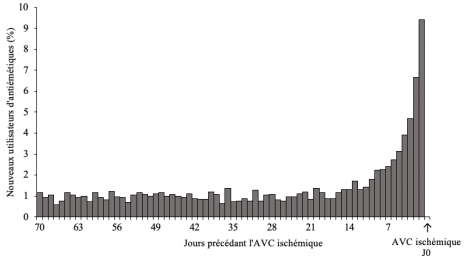
The researchers began by analyzing the data for 2,612 adults hospitalized for a first ischemic stroke and who had started antiemetic treatment in the 70 days prior to it. In these subjects, they found that the use of antiemetics was more extensive in the days preceding the stroke, with a peak in treatment initiations during this period. This finding suggests an increased risk of ischemic stroke in the first days of using these medications (Figure below).


antiémétiques

Distribution of antiemetics initiation over the 70 days preceding the ischemic stroke (N=2 612 subjects with ischemic stroke).

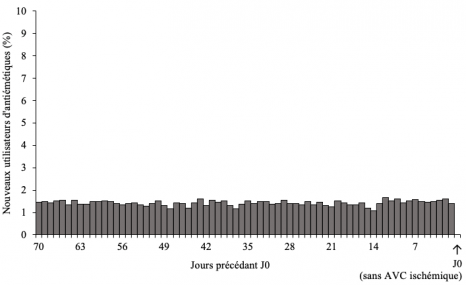
To eliminate bias in the results that could occur should medication use vary greatly over time in the general population (for example during outbreaks of acute gastroenteritis), the study went on to consider, over the same period, a randomized group of 21,859 people who had not had a stroke. In this group, no peak or excessive use of antiemetics comparable with that seen in patients having presented a stroke was found (Figure below).


Distribution of antiemetics initiation within the 70 days preceding the reference date (N=21 859 subjects without ischemic stroke).

The results of this study suggest an increased risk of ischemic stroke in the first days of using antidopaminergic antiemetics. This increased risk was found for the three antiemetics studied—domperidone, metoclopramide and metopimazine—and the risk appeared higher in the first days of use.

“This first study provides a strong signal concerning medications that are widely used in the general population. In the immediate term, it appears to be very important to have these findings replicated in other studies—studies which could also provide indications on the frequency of this adverse effect, which we could not measure here given the methodology chosen. Having accurate information on the subtypes of ischemic stroke and their location would also allow us to explore the mechanisms involved,” explains Anne Bénard-Laribière, one of the authors of the study.


1Stroke, the leading cause of acquired disability in adults, Inserm, 2019 (only available in French)

2 Antidopaminergics block the action of dopamine, a neurotransmitter involved in regulating behavior, muscle tone and movement coordination, among other things.

3 This study was conducted as part of the work program of the DRUGS-SAFER Center, funded by the French medicines agency (ANSM) and partner of the EPI-PHARE GIS.

COVID-19: “Reactive” Vaccination, Effective in Case of High Viral Circulation?

Scientists are considering new strategies to continue to promote vaccination among the populations that remain hesitant © Mat Napo on Unsplash

Although the majority of its population is fully vaccinated, the virus continues to actively circulate in France. As health restrictions are being lifted, fears of a resurgence of the epidemic and of the emergence of new more contagious variants are leading scientists to consider new strategies to continue to promote vaccination among populations that remain hesitant. A new modeling study by researchers from Inserm and Sorbonne Université at the Pierre Louis Institute of Epidemiology and Public Health shows that a “reactive” vaccination strategy targeting homes, schools and workplaces where cases are detected could have beneficial effects, reducing the number of COVID-19 cases in certain epidemic situations. The findings of this research have been published in Nature Communications.

Mass COVID-19 vaccination campaigns in many countries have greatly reduced the pandemic. However, the vaccination rate is now stalling in Europe and the USA due to logistical constraints and the vaccine hesitancy of part of the population.

In March 2022, 79% of French people were fully vaccinated with a two-dose regimen and 53% had received the third (booster) dose. While these figures are high, efforts to counter the epidemic must be maintained: against a background of ever-intense viral circulation and the lifting of health restrictions, a resurgence of the epidemic remains possible – and with it the appearance of more contagious variants.

In such a context, and to improve efficacy, many scientists therefore believe that other vaccine strategies promoting accessibility and acceptability should be tested.

Researchers from Inserm and Sorbonne Université were therefore interested in a “reactive” vaccination strategy, which involves vaccinating homes, schools and workplaces where cases have been detected. This approach is already used in other epidemics, for example against outbreaks of meningitis. In COVID-19, it has occasionally been used on the ground in France, for example in Strasbourg at the Haute Ecole des Arts du Rhine (HEAR), following the discovery of a cluster of the delta variant.

What is “ring vaccination”?

In other epidemic contexts, for example during some Ebola epidemics, other innovative strategies have been deployed to reach as many people as possible. The most well-known is that of ring vaccination, which involves immunizing contacts of confirmed cases or contacts of those contacts.

The research team wished to evaluate the effects of this reactive approach on viral circulation and the number of cases of COVID-19 in different epidemic scenarios. In order to build their model, the scientists used National Institute of Statistics and Economic Studies (INSEE) data to model a typical population with the sociodemographic characteristics, social contacts, and professional situations of a population the size of an average French city.

Several parameters were also incorporated into the model, such as disease characteristics, vaccination coverage, vaccine efficacy, restrictions on contact in workplaces or in the community, travel, and the implementation of contact tracing strategies.

The scientists were then able to study the impact of a reactive vaccination strategy on several scenarios of epidemic dynamics. They show that in the majority of the scenarios, with the same number of vaccine doses, a reactive strategy is more effective than other vaccination strategies in reducing the number of COVID-19 cases.

For example, in a context where vaccination coverage is approximately 45% and viral circulation is high, the reduction in the number of cases over a two-month period increases from 10 to 16% when comparing a mass vaccination program with a program in which reactive vaccination is set up in parallel to mass vaccination.

The findings suggest that this strategy is especially effective when vaccination coverage is low and when combined with robust contact tracing measures.

When vaccination coverage is high, a reactive strategy is less useful, as most of those in contact with an infected person are already vaccinated. Nevertheless, such an approach would still have the benefit of reaching people who are not vaccinated and convincing them more easily of the utility of the vaccine. Indeed, exposure to the virus increases one’s perception of the risks and tends to make vaccination more acceptable.

“The model we built enables reactive vaccination to be considered as an effective strategy for increasing vaccination coverage and reducing the number of cases in some epidemic scenarios, especially when combined with other measures such as effective contact tracing. This is a tool that can also be reused and adapted in France should another variant emerge and where the efficacy of a reactive strategy needs to be tested in order to administer any boosters. This modeling may also be of interest to other countries with sociodemographic characteristics similar to France, but lower vaccination coverage,” explains Chiara Poletto, Inserm researcher and last author of the study.

fermer