Menu

Intestinal microbiota: a key player in regulating our body’s iron

Do the bacteria in our intestine influence the metabolism of iron, an essential component for a healthy body? For the first time, teams from Inra and Inserm, in collaboration with the CNRS (French National Centre for Scientific Research), have demonstrated how bacteria can alter the distribution and storage capabilities of iron in the intestinal cells. Microbiota may be considered a new pathophysiological regulator in intestinal iron absorption. This research is published online in The Faseb Journal on 15 September 2015.bacterie e.coli

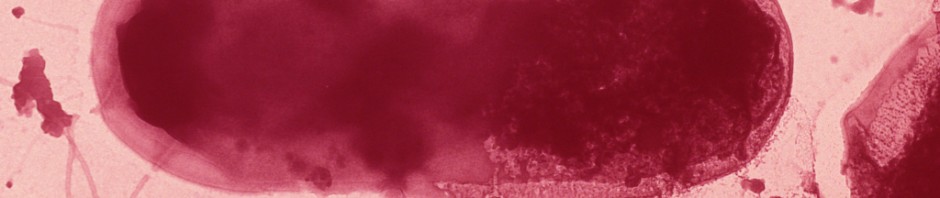
Escherichia Coli, enterobacteria, normal host in the digestive tract. ©Inserm

Iron is a vital element that the body cannot do without. The regulation and control of iron in the body are essential to good health. An iron deficiency can have a negative impact, while an iron overload can also be a health risk. Many societal issues are currently being raised, particularly the effectiveness and the need for people to supplement their diets with iron.

The bacteria that make up the microbiota in the intestine and the intestinal cells live in symbiosis and each require iron to survive. Dietary iron’s only gateway to the body is through the intestine. When the body requires iron, its absorption is promoted by the intestinal cells. The cells also reduce absorption capacity when iron intake needs to be decreased. These defined regulatory mechanisms also respond to the hormone hepcidin, which was discovered several years ago by an Inserm research team.

Researchers at Inra and Inserm, in collaboration with the CNRS, are interested in the effect that the microbiota has on the intestinal absorption of iron, regardless of hormonal effects. To do this, they compared animals (rodents) deprived of intestinal microbiota (“axenic” animals) with animals whose microbiota is controlled. Without the microbiota, intestinal cells have very low iron stores and the transport systems to the body are quite scarce. However, as soon as the microbiota are present in the intestine, the intestinal cells acquire a high iron storage capacity (in the form of ferritin) and promote its transport to the body (increased ferroportin). 

Thus, the intestinal cells adapt their ability to store and distribute iron when microbiota bacteria are present.

The identification of this new pathway for iron metabolism control will lead to better control of iron intake and should help better understand iron anomalies in diseases involving microbiota imbalances called “dysbiosis”.

Modulation of brain cholesterol: a new line of research in Alzheimer’s disease treatment?

We have known for some years that Alzheimer’s disease is characterised by two types of lesions, amyloid plaques and degenerated tau protein. Cholesterol plays an important role in the physiopathology of this disease. Two French research teams (Inserm/CEA/University of Lille/University of Paris-Sud[1]) have just shown, in a rodent model, that overexpressing an enzyme that can eliminate excess cholesterol from the brain may have a beneficial action on the tau component of the disease, and completely correct it. This is the first time that a direct relationship has been shown between the tau component of Alzheimer’s disease and cholesterol. This work is published in the 10 September 2015 issue of Human Molecular Genetics.
taualzheimer

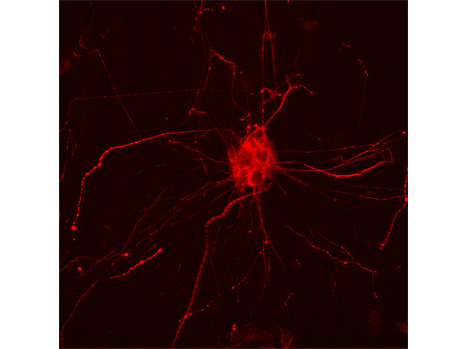
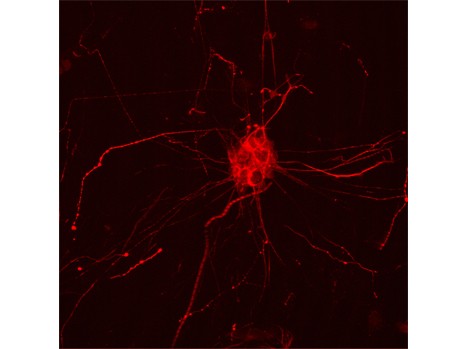
Fluorescent labelling of the Tau protein in a hNT human cell © Inserm/U837

Excess brain cholesterol cannot freely cross the blood-brain barrier; to be eliminated it must be converted into 24-hydroxycholesterol (24-OHC) by the enzyme CYP46A1 (cholesterol-24-hydroxylase). At Inserm Unit 1169, Nathalie, Cartier, coordinator of this work, and Patrick Aubourg, director of the unit, proposed the hypothesis that increasing the efflux of cholesterol from the brain by overexpressing CYP46A1 might have a beneficial effect on the elements of Alzheimer pathology.

The first step in this work made it possible to show that injecting a viral vector, AAV-CYP46A1, effectively corrects a mouse model of amyloid pathology of the disease, the APP23 mouse. CYP46A1 thus appears to be a therapeutic target for Alzheimer’s disease.

Conversely, in vivo inhibition of CYP46A1 in the mice, using antisense RNA molecules delivered by an AAV vector administered to the hippocampus, induces an increase in the production of Aß peptides, abnormal tau protein, neuronal death and hippocampal atrophy, leading to memory problems. Together these elements reproduce a phenotype mimicking Alzheimer’s disease.

These results demonstrate the key role of cholesterol in the disease, and confirm the relevance of CYP46A1 as a potential therapeutic target (work published in Brain on 3 July 2015).

Taken together, this work now enables the research team coordinated by Nathalie Cartier, Inserm Research Director, to propose a gene therapy approach for Alzheimer’s disease: intracerebral administration of a vector, AAV-CYP46A1, in patients with early and severe forms (1% of patients, familial forms) for whom there is no available treatment.

“To achieve this objective, we are carrying out all the preclinical steps of development and validation of the tools (vector, neurosurgical protocol, elements of monitoring) for demonstrating the efficacy and tolerance of the strategy, in order to submit an application for authorisation of a clinical trial,” explains Nathalie Cartier.

This project is supported by the French Medical Research Foundation (FRM; Bioengineering for Health programme), and by Fondation France Alzheimer.

[1] Teams led by David Blum and Luc Buée (Jean-Pierre Aubert Research Center, Inserm Unit 1172/University of Lille/CHRU) and by Nathalie Cartier, Inserm Research Director (Inserm Unit 1169, “Gene Therapy, Genetics and Epigenetics in Child Neurology, Endocrinology and Development,” University of Paris-Sud, CEA, Paris), based at MIRCen (Molecular Imaging Research Center), Preclinical Research Facility, French Alternative Energies and Atomic Energy Commission (CEA) Centre, Fontenay-aux Roses

How can one assess the effectiveness of hypnosis?

Although hypnosis has existed for hundreds of years, today it is still difficult to clearly judge its usefulness in the medical domain. In a report submitted to the French Directorate General for Health, researchers from Inserm led by Bruno Falissard assessed the effectiveness of this complementary medical practice for some of its indications (women’s health, digestive ailments, surgery, psychiatry, etc.). The latter illustrates its therapeutic value during anaesthesia, and in the management of irritable bowel syndrome. It also confirms that risks associated with hypnosis are particularly limited.Woman using pendulum

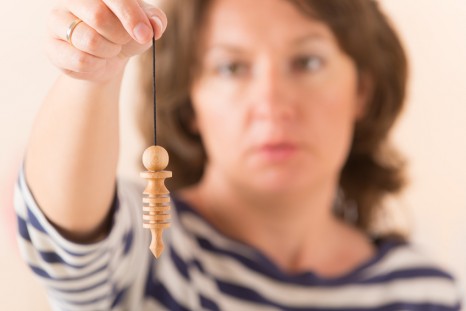
©Fotolia


Hypnosis is neither a state of alertness nor a state of sleep, but rather a state of altered consciousness. At biological level, the effects of hypnosis have been confirmed by modern imaging techniques. The latter have demonstrated changes in the activity of certain regions of the brain when suggestions are made to a subject under hypnosis.

Several types of hypnosis can be distinguished, according to their medical application: hypnoanalgesia, used as a method of analgesia, hypnosedation, which combines hypnosis with anaesthetic agents, and finally hypnotherapy, for psychotherapeutic purposes. In addition to these practices, the report also focuses on a technique known as EMDR (Eye Movement Desensitisation and Reprocessing). This integrative approach, employing certain practices originating from hypnosis, was developed for the treatment of post-traumatic stress syndrome.

In France, the practice of hypnosis is highly variable. The term “hypnotherapist” is not protected, and hypnosis training is provided by both universities (qualifications not recognised by the French Order of Physicians) and private associations or organisations. Some of these training programmes are limited to health professionals, whereas others are open to a wider public.

Given this varied landscape, the study conducted by Bruno Falissard and Juliette Gueguen, Caroline Barry and Christine Hassler (Inserm Unit 1018, “Centre for Research in Epidemiology and Population Health [CESP]”) attempted to assess the effectiveness of this complementary therapy in the treatment of several conditions. With this objective, the researchers analysed the results of 52 clinical trials, and results of 17 trials involving the use of EMDR.

Hypnosis is of therapeutic value in irritable bowel syndrome

Irritable bowel syndrome is characterised by abdominal pain, feelings of bloating, and episodes of diarrhoea or constipation, and alters the quality of life of those affected. Studies testing hypnosis to treat this condition confirm its potential: regular hypnotherapy sessions alleviate the gastrointestinal symptoms.

Hypnosis reduces use of analgesics and sedatives

The scientists focused on the practice of hypnosedation during surgical examinations and interventional radiology: wisdom tooth extractions, breast biopsies, transcatheter procedures, pregnancy terminations, etc. The criteria chosen were highly variable, and concerned the patient (pain intensity, anxiety, drug use, adverse side-effects) and the procedure itself (duration, cost) in equal measures. Although the studies do not allow a definite ruling on the majority of these criteria, the results are in agreement with respect to the use of analgesic or sedative drugs. During an operation carried out under local or general anaesthetic, the action of sedatives is complemented by the administration of analgesics to control the pain. The studies show that, with the help of hypnosis, the use of these drugs is reduced during these interventions.

EMDR, an effective therapy in the management of post-traumatic stress syndrome

Current data do not guarantee the advantage of hypnosis over traditional treatments for post-traumatic stress syndrome, but EMDR, for its part, has been proven effective. Trauma-centred cognitive behavioural therapies and EMDR may even be the most effective psychotherapies in this instance. These conclusions apply only to adults, however, since too few trials have assessed the effects on children or adolescents.

Current data are insufficient for the majority of other applications of hypnosis.

In some medical practices, the studies analysed by the Inserm scientists did not allow conclusions to be drawn as to the value of hypnosis, especially in:

  • Pain management during childbirth
  • Prevention of post-partum depression
  • Schizophrenia
  • Smoking cessation
  • Dental care in adults and children

Safety data regarding hypnosis are reassuring

Bruno Falissard’s team also examined the safety of hypnosis as reported in the literature. Reassuringly, no serious adverse effects seem to be attributable to hypnosis. According to the researchers, one cannot, however, exclude the existence of such adverse events, but if they exist, their incidence is relatively low.

Although this analysis demonstrates the genuine interest of practitioners in hypnosis and related techniques, it also emphasises the need to reconsider the traditional methodological standards. It also highlights the need to question the choice of control groups and judgement criteria, as well as the actual design of studies.


For the authors, it is also especially important that qualitative studies analysing patient well-being be taken into account in order to determine the subjective experience of patients during their care.

Given these conclusions, the challenge of hypnosis is also an ethical/legal one. Notwithstanding the ethics charters currently in place, French legislation remains vague: hypnosis may be offered by non-health professionals as well as by medical staff. Thus the creation of a surveillance system seems relevant for collecting field data, and especially for avoiding the risk inherent to using any non-conventional treatment: the risk of delaying or impeding access to conventional care that may otherwise be necessary.

See the whole report

A new type of sarcoma identified

Inserm teams led by Prof. Jean-Yves Blay and Christophe Caux in Lyon[1], and by Franck Tirode and Olivier Delattre in Paris[2] have just demonstrated a new genetic variant in tumours that had not been identified until now. Their results enable better diagnosis of these tumours using a validated biomarker. This study is published in the journal Nature Genetics.

The application of so-called “high-throughput” sequencing techniques to oncology is currently transforming our understanding of the genesis and natural progression of cancers. These new data have partly called into question the tumour classifications based on traditional techniques such as pathology. According to Prof. Jean-Yves Blay, codirector of this study, “Our priority is to refine tumour classifications used in clinical practice in order to offer patients the most appropriate therapeutic option. This is particularly important where sarcomas are concerned, where we are regularly faced with the problem of highly undifferentiated tumours that are difficult to classify.”

A single objective, two strategies

The study, published in Nature Genetics, is aimed at characterising malignant tumours that are suspected of belonging to the sarcoma group but have remained unclassifiable until now. Molecular investigations have shown alterations in the SMARCA4 gene, which encodes one of the subunits of BAF complexes. These complexes are involved in regulating the structure of chromatin, a compacted form of DNA in the cell nucleus.

To obtain these results, two complementary and independent approaches were employed (see appended schema on page 4). The first, based on pathological analyses, was used by the researchers from the Cancer Research Center of Lyon (Inserm/CNRS/Lyon 1 University/Léon Bérard Centre), and focused on unclassified sarcomas based on their microscopic features.

In parallel, the researchers from Institut Curie undertook a process of “blind” characterisation, analysing expression profiles by carrying out high-throughput RNA sequencing on approximately thirty undifferentiated sarcomas. Franck Tirode, an Inserm Research Fellow and codirector of the study, thus identified in this cohort a subgroup of tumours with very similar expression profiles, suggesting a common nature.

The Paris and Lyon researchers then pooled their results, having observed that they were interested in the same type of pathology. They validated these promising preliminary results by finding other similar cases or observations within one year, thanks to the collaboration of many hospital facilities distributed throughout France.

A new tumour entity

This collaborative study ultimately made it possible to identify 19 tumour samples with inactivation of the SMARCA4 gene. These tumours showed similar clinical and pathological features, producing large tumour masses that compressed the airways and progressed very rapidly, usually in young male smokers. Furthermore, when viewed under the microscope, they were all very similar to rhabdoid tumours, a form of paediatric cancer with a very poor prognosis. Moreover, these same tumours, described nearly 17 years ago by Olivier Delattre’s team at Institut Curie are, remarkably, associated with mutations of the SMARCB1 gene, which encodes a subunit of the BAF complex, of which SMARCA4 is a component.

The researchers compared expression profiles of all their tumours with numerous other types of tumours, and confirmed not only the exceptional homogeneity of these tumours among themselves, but especially the relationship of their signature to rhabdoid tumours. “However, although the oncogenic event might be comparable, the genomic complexity of the tumours we have studied differs considerably from the simple genomics of rhabdoid tumours,” says Franck Tirode.

Based on these results, the scientists could thus confirm that their cohort corresponded to a new homogeneous entity, which they have named “SMARCA4-deficient thoracic sarcoma.”

Better diagnosis for faster management

The researchers emphasise that these tumours are highly aggressive and resistant to current treatment methods. The BAF complex shows alterations in nearly 20% of human cancers, and is the subject of intensive research as a potential therapeutic target. Although this publication does not provide an offer of treatment to affected patients in the immediate future, it does show that these tumours are easily recognisable in clinical practice. Indeed, it was possible to identify new “prospective” cases during the study, enabling speedier management of the patients.

It was for this purpose that the authors of the study validated the SOX2 biomarker, which is particularly overexpressed by this new tumour entity, thus facilitating clinical diagnosis. They emphasise that the aggressiveness of these tumours is probably not unconnected with the overexpression of SOX2, which can endow cells with stem cell properties.

In conclusion, this work is part of the present concept of oncology and “personalised therapy,” in which the establishment of an accurate diagnosis is an essential prerequisite for the success of precision medicine.

Sarcomas

Sarcomas are rare tumours that represent fewer than 1% of all new cancer cases, i.e. approximately 3,500 new cases a year. They affect people of all ages, although they are more frequently seen in children and young adults. They are found in bones, cartilage, adipose tissues, muscles, blood vessels or other connective or supporting tissue. Diagnosis of these rare tumours is coordinated at national level by the Groupe Sarcome Français (French Sarcoma Group) network, comprising 3 regional referral centres, including the Bergonié Institute (Bordeaux), Léon Bérard Centre (Lyon) and the Gustave Roussy Institute (Villejuif).

[1] Cancer Research Center of Lyon, Inserm U1052/CNRS 5286, Claude Bernard University Lyon 1, Léon Bérard Centre, “Therapeutic Targeting of the Tumor and of its Immune Environment” team

[2] Institut Curie, Inserm U830, “Genetics and Biology of Paediatric Cancers” team
15 september 2015 : world Lymphoma Awareness Day

To mark the 8th World Lymphoma Day in France, the France Lymphome Espoir (France Lymphoma Hope) association is conducting a tour of eight large cities in France from 15 to 25 September.
Patients, those close to them, and caregivers are thus invited to share their experience on themes such as care and living with the disease.

Lymphoma is currently the 5th most common cancer, and the leading cancer in adolescents and young adults. This disease of the lymphatic system, a key component of the immune system, is different from cancers of organs since it can develop throughout the entire system.*

*Further information available on the World Lymphoma Day website and the news release posted online by France Lymphome Espoir

The Lymphoma Coalition programme can also be viewed online

A humanoid robot to liaise between space station crews

A team of French researchers from the Institut cellule souche et cerveau (Inserm/Université Claude Bernard Lyon 1), led by CNRS senior researcher Peter Ford Dominey, has developed “an autobiographical memory”[1] for the robot Nao, which enables it to pass on knowledge learnt from humans to other, less knowledgable humans. This technological progress could notably be used for operations on the International Space Station, where the robot, which is the only permanent member, would liaise between the different crews that change every six months in order to pass on information. These results will be presented at the 24th International Symposium on Robot and Human Interactive Communication, on September 3, 2015 in Kobe, Japan.

Human culture stems from knowledge acquired through society’s shared experience. Cultural transmission enables new members of society to quickly learn from this accumulated experience. In order for a robot to understand cooperative behavior, which is necessary for the cultural transmission of knowledge, researchers developed a system whereby a human agent can teach the Nao humanoid new actions through physical demonstration (by putting the robot’s members in the correct position), visual imitation (through the Kinect system), or voice command. These individual actions are then combined into procedures and stored in the robot’s autobiographical memory developed by researchers, thus enabling the robot to reproduce them for other human agents if needed.

Researchers set up this autobiographical memory system to meet the challenge of cooperation between humans and robots, which is becoming more and more of a reality in the field of space operations, with the humanoid Robonaut 2[2] now permanently flying aboard the International Space Station.

To test their system, the scientists imagined a scenario that could occur on the International Space Station. The transmission of information on board is essential, since crews change every six months. In this scenario, an electronic card is damaged. Nao plays the role of the scientist’s assistant by following his directions, bringing or holding parts of the card during repair. If this same failure happens again, the memory of this event will enable the robot to use a video system to show the repair that was made to a new member of the crew. It could also respond to questions regarding the previous event, while helping with the new repair. If a slightly different failure takes place, the robot could share its expertise on failures of this type, while recording the steps needed to resolve this new problem and then transferring them to the scientists in the next crew.

These results demonstrate the feasibility of this system, and show that such humanoid robots represent a potential solution for the accumulation and transfer of knowledge.

 Researchers are now hoping to test their Nao robot in the real conditions of space operations, with zero gravity. They would also like to develop another area of application, assisting the elderly, with the robot this time playing the role of a personal memory aid.

robotrobot2

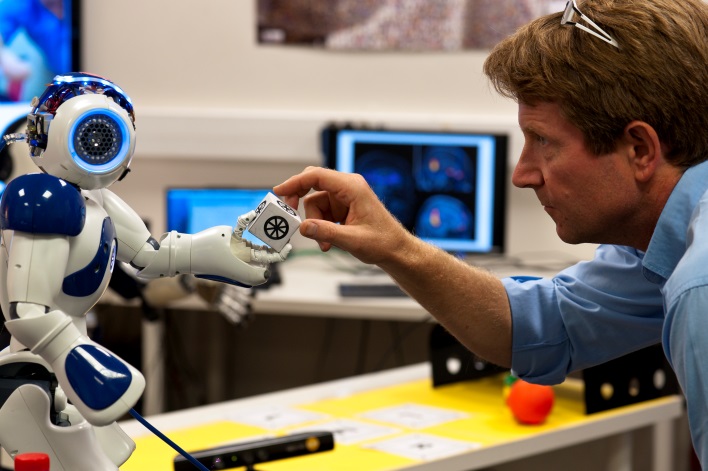
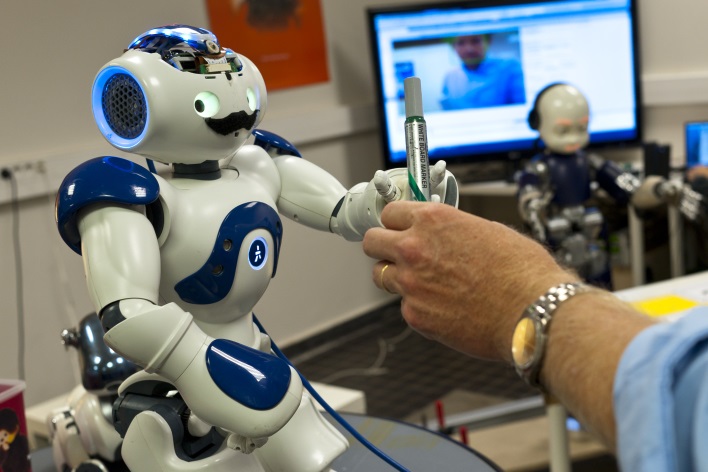
Peter Ford Dominey and the robot Nao, study of developmental robotic cognition. Instead of using pre-established plans, the robot can learn in real time through direct interaction with a human. ©Inserm/Patrice Latron

See the robot Nao learning to repair an electronic card:

[1] Autobiographical memory includes events that were personally experienced, along with their context. It makes it possible to date and locate memories, and to determine who was present during the event. With human beings, autobiographical memory helps build an individual’s personal history.

[2] Robonaut 2 is a humanoid robot resulting from the Robonaut program, a close collaboration between NASA and DARPA. A unit was delivered to the ISS in February 2011 to control the robot’s operation in weightlessness. It was designed to assist the work of astronauts in complicated situations, especially during extra-vehicular outings.

Light shed on the underside of the “cocktail effect” of endocrine disruptors

Chemical substances that are safe for humans when taken in isolation can become harmful when they are combined. Three research teams bringing together researchers from Inserm and CNRS[1] in Montpellier have elucidated in vitro a molecular mechanism that could contribute to the phenomenon known as the “cocktail effect.” This study is published in the journal Nature Communications.

[1] Centre for Structural Biochemistry (CBS) (CNRS UMR5048 – Inserm U1054) at the Cancer Research Institute (Inserm U1194), and the Functional Genomics Institute (CNRS UMR5203 – Inserm U661)

Every day we are exposed to many exogenous compounds such as environmental pollutants, drugs or substances in our diet. Some of these molecules, known as endocrine disruptors, are strongly suspected of interacting inappropriately with regulatory proteins in our cells, and inducing numerous physiological or metabolic disorders (cancers, obesity, diabetes, etc.). Moreover, the combination of these molecules in complex mixtures with which we are in routine contact might exacerbate their toxicity.

In an article to be published in Nature Communications, researchers have unveiled a mechanism that might contribute to this effect of mixing, for which no rational explanation has been offered until now. They show that some oestrogens such as ethinyloestradiol (one of the active ingredients of contraceptive pills) and organochlorine pesticides such as trans-nonachlor, although very weakly active on their own, have the ability to bind simultaneously to a receptor located in the cell nucleus, and to activate it synergistically. 

Analyses at molecular level indicate that the two compounds bind cooperatively to the receptor, i.e. binding of the first molecule promotes binding of the second. This cooperativity is due to strong interactions at the level of the receptor binding site, so that the binary mixture induces a toxic effect at substantially lower concentrations than the individual molecules.


These results obtained in vitro constitute a proof of concept that opens the way to a wide field of study. There are actually about 150,000 compounds in our environment that could have unexpected effects on human health through combined action, given their recognised or assumed safety as isolated substances. If these studies are confirmed in vivo, important consequences are expected in the areas of endocrine disruption, toxicology, and the assessment of risks associated with the use of chemicals.

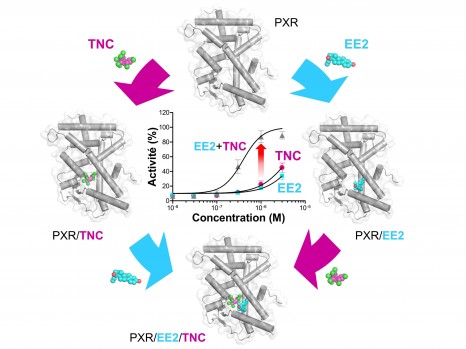
Figure

Separately, ethinyloestradiol (EE2) and trans-nonachlor (TNC) bind to the xenobiotic receptor (PXR) only at high concentrations, and are weak activators of this receptor. When they are used together, the two compounds mutually stabilise each other in the binding pocket of the receptor. The “supramolecular ligand” thus created has increased affinity for PXR, so that it can induce a toxic effect at doses at which each compound is inactive individually. © Vanessa Delfosse, William Bourguet 

Eating better on a small budget: possible but not so easy

Although it is accepted that the diet of the most disadvantaged populations does not comply closely with nutritional recommendations, the relationship between budget and a dietary balance is not so simple. The journal Nutrition Reviews has just published a literature review conducted by the Joint Research Unit for Nutrition, Obesity and Risk of Thrombosis (INRA – -Inserm – Aix Marseille University), in collaboration with the University of Washington Center for Public Health Nutrition, on the contribution of food prices to social inequality regarding food choices and nutrition.sea bream  and ingredients

© Fotolia

At the end of the years 1980-1990, it was known that the most disadvantaged populations had the dietary behaviours least in line with nutritional recommendations, with a lower intake of fruits and vegetables, and a higher intake of refined cereal products (white bread, pasta, white rice, etc.), and perhaps of sweet products. However, these variations in dietary behaviours with socioeconomic status were mainly attributed to educational differences, and few nutritionists focused on the cost of a balanced diet. Thus the first French National Nutrition and Health Programme (PNNS, launched in 2001) was mainly based on large-scale dissemination of nutrition education messages. Subsequently, the impact of food environment (price and availability of foods, advertising, etc.) on food choices was gradually demonstrated, encouraging the development of nutrition policies centred not only on demand (consumer behaviour), but also on the food supply.

In this literature review, the researchers have focused on the economic determinants of food choices. They confirm that when foods are compared on the INCA scale, with price expressed in €/100 kcal (and not in €/kg), products rich in vitamins, iron, calcium and fibre are more expensive sources of calories than energy-rich, high-fat or high-sugar products. Whether along the production chain or for the consumer, products such as crisps, confectionery and biscuits, as well as pasta and rice, are easy to carry, store and prepare, and are non-perishable, which explains why they are cheaper than fresh produce[1].

Consistent with these observations on foods, a balanced diet generally costs more than an unbalanced diet, making it harder to achieve nutritional balance where budgets are limited.

However, observation and modelling studies show that it is possible to assemble a balanced basket of goods on a modest budget, provided that the latter is equal to or more than €3.5 per day per person.

This is possible on condition that one is prepared to depart more from dietary habits and cultural norms, and in particular to consume foods that are of good nutritional quality for their price, such as canned or frozen vegetables. 

Studies available to date, and analysed in this review, are based on mean or standard prices, but no-one buys food at the mean price. Over time, segmentation of agri-food markets has made it possible to make products available to consumers at all price levels, from entry level price to premium price, with everyone benefiting from good nutritional quality. It is therefore possible that a balanced diet is now within reach of all. What would be concluded from studies, if real prices were considered and not mean prices?

While awaiting this future research, it is important to take budgetary constraints and differences in food prices into consideration when drawing up dietary advice.

[1] The price of fresh foods includes the price of transport and refrigerated storage, and the higher risks of loss and waste.

A new virus in liver cancer

More than a cause of a simple infection, viruses are often involved in the development of serious diseases. Such is the case with liver cancer, which often develops in an organ that has been weakened by hepatitis B or C virus. Researchers at Inserm, the Paris Public Hospitals (AP-HP), Paris Descartes University, Paris 13 University (USPC), and Paris Diderot University have just identified the role of a new virus, hitherto unsuspected, in the occurrence of a rare type of liver cancer. 
This study, based on follow-up and observation of 193 patients, is published in the 24 August issue of Nature Genetics.

With over 8,000 new individuals diagnosed annually, liver cancer mainly affects men, and is a major cause of death worldwide. Among the different types of liver cancer, hepatocellular carcinoma usually occurs in a liver that has already been damaged by illness. The liver may, for example, have been weakened by excessive alcohol consumption, obesity, or chronic viral infection by hepatitis B or C viruses, which causes irreversible liver lesions leading to cirrhosis.

Cirrhosis patients generally undergo regular tests to detect cancer. However, in 5% of cases, liver cancer occurs in patients who had not reported cirrhosis, and the reason for developing the cancer remains to be identified.

Jessica Zucman-Rossi and her staff at Inserm Unit 1162, “Functional Genomics of Solid Tumors,” focused on these patients to determine the risk factors that had contributed to the development of their cancer.

In the genome of tumour cells of 11 patients, the scientists observed the insertion of a viral DNA segment from adeno-associated virus type 2, known as AAV2. This virus has been considered non-pathogenic for humans until now. In order to confirm the virus’s involvement in the cancer, the research team compared tumour tissues with normal tissues. They thus confirmed their hypothesis: the integration of viral DNA was found more often in tumour cells than in healthy cells in these 11 patients. Moreover, 8 of these patients did not have cirrhosis, and 6 of them presented no known risk factors for liver cancer.Expression de gènes

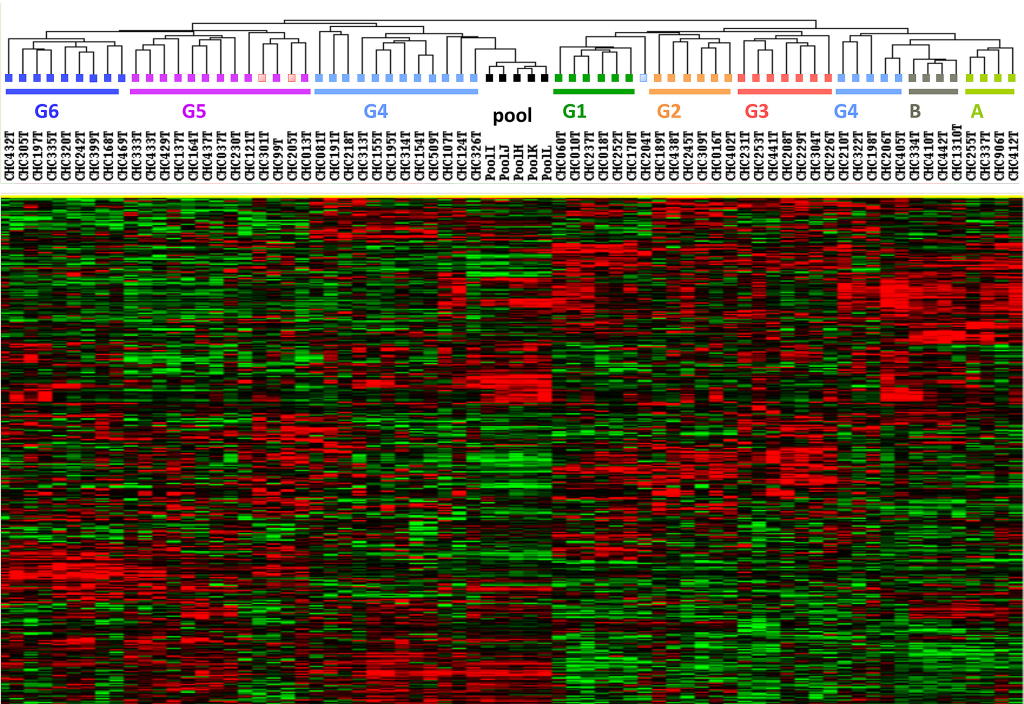
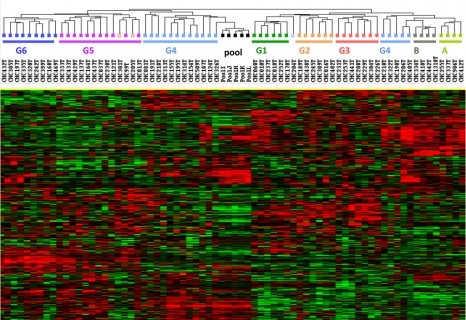
Hierarchical clustering analysis of the data of nominal chip expression of liver cancer DNA genes. ©Inserm/Zucman-Rossi, Jessica


By studying these malignant cells in greater detail, they discovered that the virus, when inserting its DNA into the genome of the patient’s cells, targets genes that are important in cell proliferation. Jessica Zucman-Rossi and her colleagues have shown that AAV2 leads to excessive expression of these genes which, according to the researchers, may favour tumour development.

By this work, the researchers have identified the involvement of AAV2 virus, previously thought to be harmless, in the occurrence of hepatocellular carcinoma, particularly in the rare cases of cancer that develop in the absence of cirrhosis and without an identified cause.

These results also call for caution: “AAV2 is often used as a vector in gene therapy. Although the insertion of its DNA into tumour promoting genes is rare, and probably a chance event, precautions must be taken regarding the use of this virus,” explain the authors.
This work was supported by the French National Cancer Institute (INCa) via ICGC and PAIR-CHC NoFLIC (with the participation of ARC Foundation) and the French National Cancer League. Tumour sequencing was performed by IntegraGen, in its laboratories located at Genopole, Evry.

The 5-colour nutritional labelling system is the most effective for consumers

While the French High Council for Public Health (HCSP) made public on Monday, 24 August 2015, a positive opinion regarding the relevance of the 5-colour code for the public, a team of researchers (Inserm/INRA/Paris 13 University) directed by Serge Hercberg, on publication of their article in the journal Nutrients, demonstrated that the 5-colour nutrition label (5-CNL) is the most effective nutritional information system for allowing consumers to recognise and compare the nutritional quality of foods, including “at-risk” populations (older subjects, those with a lower educational level, lower income, lower nutritional knowledge, and overweight or obese individuals)

Article 5 of the Health Act, introduced by Marisol Touraine, Minister of Health, and passed by the French Parliament, states, “…to make it easier to inform consumers and to help the consumer make informed choices, that the mandatory nutrition declaration may be accompanied by a presentation or complementary expression using graphics or symbols on the front of packaging.”

Several systems have been proposed at national and international level. In France, many learned societies support the establishment of the 5-CNL 5-colour nutritional labelling system (green/yellow/orange/fuchsia pink/red). The latter is based on the calculation of a nutritional quality score (nutrient profiling system, Food Standards Agency, FSA), which takes several elements present on the nutrition label into account (calories, simple sugars, saturated fatty acids, sodium, fibre, protein and percentage of fruits and vegetables per 100 g of product), to arrive at a unique indicator of the nutritional quality of the food.

Several studies have already contributed to the validation of the FSA score, by showing that the nutritional quality of foods consumed evaluated by the FSA score is linked to the overall quality of the diet and nutritional status of individuals, and in a prospective manner to the risk of disease. These scientific studies underscore the interest of putting the 5-colour nutrition label (5-CNL), based on FSA score, on the front of food packaging in order to better guide consumers in their food choices. This system is the subject of considerable controversy, fuelled among others by the various industrial stakeholders, who cast doubt on its value.

The study published today by EREN under the direction of Pauline Ducrot (PhD student in Nutrition) and Sandrine Péneau (Lecturer in Nutrition, Paris 13 University) in the journal Nutrients compares the effect of different nutrition labels on the front of packs of various foods on the ability of consumers to rank foods appropriately. The study was carried out on a sample of 14,230 adults participating in the NutriNet-Santé study. The impact of 4 simplified nutritional labelling systems was tested: the colour-based 5-CNL system; the Green Tick, similar to that used in some Scandinavian countries and the Netherlands; the Multiple Traffic Light system used in Great Britain, and the Guideline Daily Amounts (or Reference Intakes) system already used in France by some industrial companies. A logo-free situation was also used as a reference.

With the help of a Web-based questionnaire specifically developed for this study, participants in the study were asked to rank, on a relative basis (“less good,” “moderate,” “the best” or “I don’t know”) the nutritional quality of different series of 3 foods belonging to the same category.

Five categories of foods were tested: frozen fish products, pizzas, dairy products, breakfast mueslis and appetisers.

herberg

Example (5-CNL on fish-based frozen products):

Each participant had to randomly test a combination of food products and nutrition labels from the 5 categories. For this, 25 different versions of the questionnaire were used. A statistical design (Latin Square) made it possible to ensure an equal number of participants for each labelling/product category combination.

The results of this specific study on the comprehension of nutritional logos show that:

  • Generally speaking, individuals “at risk” of having a nutritionally poorer quality diet (older subjects, participants with a lower educational level, lower income, lower nutritional knowledge, and overweight or obese individuals) had greater difficulty in ranking food products according to their nutritional quality.
  • The various nutrition labels significantly increased the ability of individuals, including those at risk, to rank 3 foods in order of their nutritional quality, compared with a logo-free setting.
  • The nutrition labels had more impact than individual characteristics (education level, income, etc.) on increasing the ability of the individuals to correctly rank the foods by nutritional quality. The chance of correctly ranking the products was multiplied up to 12-fold with a logo, whereas individual characteristics enabled an increase in the chance by a factor of only 1.17.
  • Of the nutrition labels tested, the 5-colour nutritional labelling system (5-CNL) was the most effective in terms of comprehension. It performed better than the Traffic Light, Reference Intakes, or Green Tick labelling systems.
  • The 5-CNL system performed better, including among individuals with a relatively “unfavourable” diet in terms of nutrition and health. In particular, the presence of 5-CNL strongly increased (over twenty-fold compared to the logo-free situation) the ability of individuals with no knowledge of nutrition to correctly rank the products compared with a logo-free situation.

The results of this study emphasise the interest of nutrition labels for helping consumers, particularly those at risk of making food choices that are relatively “unfavourable” to their health, to identify the products most conducive to a balanced diet. 

The 5-colour logo (5-CNL) system turns out to be the best understood among individuals as a whole, and may therefore make it possible to inform consumers effectively and equitably on the nutritional quality of products, and thereby incorporate this information into determinants of their food choices.

World Championships in Athletics: D-7!

On Saturday 22 August 2015, the 15th World Championships in Athletics will be launched in Beijing. Until Sunday 30 August, athletes from all nations will compete, putting their muscles, as well as their heart, lungs, brain, etc. to the test.Sport

© Fotolia

How do muscles work? How do athletes attain such endurance? What is the brain’s role in physical ability? How do performance enhancing drugs act? What technique could help the athletes to improve their performance?

Inserm researchers work all year to find answers to these questions and in the area of physical exercise in general. For your interviews and reporting needs, see the “Physical Activity press-kit,” available as a download opposite, for a listing of the contact details of specialists in this discipline, together with the latest news from Inserm on the subject.

fermer