
Menu

Vers la jeunesse éternelle… vraiment ?

Carotenoid-Rich Diet Reduces Risk of Developing AMD

Fruit and vegetables, some of which contain carotenoids © Engin Akyurt/Unsplash photos


A Mediterranean diet – high in fruit, vegetables, legumes, whole grains, olive oil and oily fish – may prevent the development of age-related macular degeneration (AMD), which is the leading cause of visual impairment in people over the age of 50. A new study published by researchers from Inserm and University of Bordeaux at the Bordeaux Population Health Research Center reveals in an unprecedented way a link between circulating carotenoids – plant pigments that protect the retina – and the reduced risk of developing advanced AMD. Based on the follow-up of 609 people over an eight-year period, this research constitutes the first longitudinal study to identify this link and has been published in the journal Nutrients.

Age-related macular degeneration (AMD) is the leading cause of vision loss in industrialized countries. This degenerative disease affects the central part of the retina, which is crucial for daily living tasks (reading, driving, recognition of faces, etc.). At an advanced stage, it takes two forms: the neovascular “wet” form which is treated with anti-VEGF[1] injected directly into the eye, and the atrophic “dry” form for which there is no treatment at present.

Although there is no cure, it is possible to prevent or slow the progression of the disease. We are already familiar with the risk factors for AMD, which are linked to age and genetic background – factors which we cannot do anything about.

For the past twenty years, researchers have studied the link between nutrition and AMD. We now know that many foods make it possible to slow the degeneration: fatty acid (omega 3), antioxidants (vitamin C, zinc, etc.). These protect the macula, the area of the eye affected by the disease and which is located in the center of the retina.

Through a prospective study based on the eight-year follow-up period of the ALIENOR cohort, the researchers’ objective was to study the link between the presence of lutein and zeaxanthin in plasma and the development of AMD.

Lutein and zeaxanthin belong to the large carotenoids family and are notably found in yellowy-orange fruit such as citrus and tomatoes, as well as in leafy green vegetables such as spinach, cabbage, and chard. Highly concentrated in the macula, these pigments play a very specific role for the eyes. Our bodies do not synthesize them, which is why we have to get them from our diet.

Unlike previous studies, based only on information given by participants about their diet, the team of Inserm researcher and study author Bénédicte Merle analyzed blood samples and demonstrated an objective link between circulating levels of lutein and zeaxanthin and a reduction in the risk of AMD.

This research reveals that higher plasma levels of carotenoids, particularly lutein and zeaxanthin, reduce the risk of developing advanced AMD by 37%.

This result remains similar, whether the form is atrophic or neovascular. However, apart from lutein and zeaxanthin, no other carotenoids have been associated with such a reduction in risk.

Lutein and zeaxanthin provide real protection to the retina. They absorb blue light, which is known to damage it over the long term, and act as antioxidants to protect it from oxidative stress[2] – which is a factor of AMD.

ALIENOR is a population-based study aiming at assessing the associations of age-related eye diseases with nutritional factors. For this research, 609 participants with an average age of 73 years were recruited between 2006 and 2008. At enrollment they had a blood test to measure their plasma levels of lutein and zeaxanthin. They then saw an ophthalmologist in order to diagnose AMD. Among them, 54 developed AMD during the eight-year follow-up period.

What to eat to prevent or slow the progression of AMD

For sufficient plasma levels of lutein and zeaxanthin, yellowy-orange fruits and vegetables should be preferred (tomatoes, carrots, citrus fruits), and leafy green vegetables (cabbage, spinach). “In addition to this, the most beneficial diet for preventing AMD is a Mediterranean diet high in fruit and vegetables and enough omega 3 from oily fish,” emphasizes Merle.

Beyond the nutritional recommendations, the discovery of the role of these carotenoids opens up avenues for identifying the population groups most at risk of developing AMD based on their diet. This study therefore offers strategies for prevention but also for the identification of risk factors that will be useful for the future of research.


[1] Anti-VEGFs are novel therapies that act on the cell membrane and are often used to prevent tumor survival.

[2] Oxidative stress refers to the various aggressions of our body’s cells caused by molecules derived from oxygen. The most well-known of these harmful substances are free radicals.

“Give Meaning to Your Work: Join Health Research! ” Inserm launches its recruitment campaign for 2021

RH Campagne 2021 Inserm

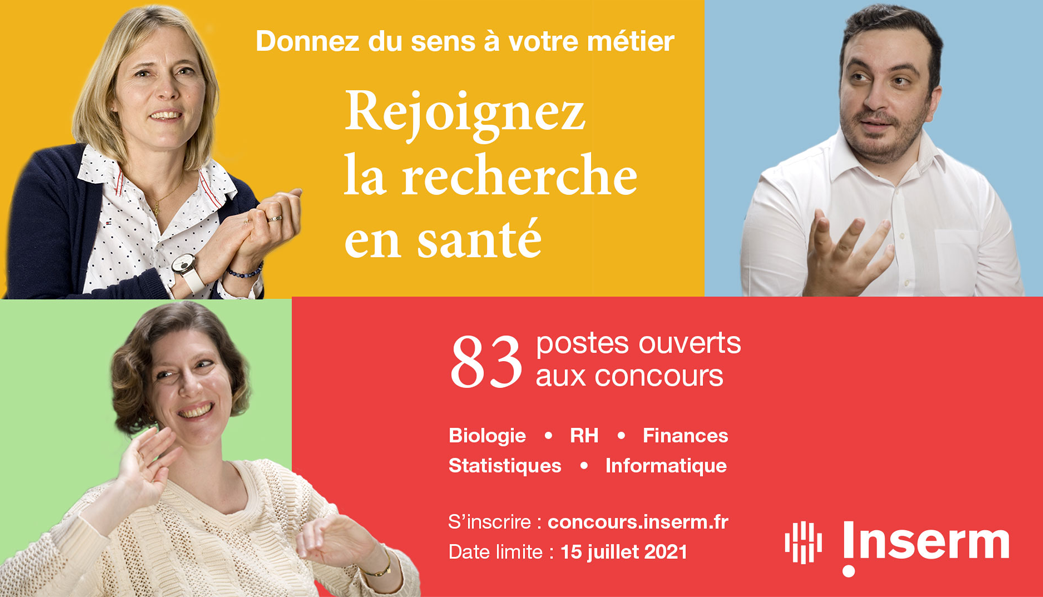
For 2021, Inserm has chosen to honor its staff through a colorful and dynamic digital communication campaign. Credits: © Inserm; photos: © François Guénet


Lawyers, biologists, computer scientists, statisticians and administrators: join Inserm and give meaning to your work! The first public organization dedicated entirely to human health research is launching its national recruitment campaign to encourage registration for external civil service competitive examinations. An opportunity for Inserm to present several of its staff and their sometimes little-known roles. A total of 83 positions are available across France. Registration is now open and accessible online until July 15.

Give meaning to your work by joining Inserm! Registration for the 2021 external competitive examinations is open, offering candidates a range of opportunities with over 83 positions in a wide variety of professions. The profiles sought concern many fields: biological techniques, virology, value creation, financial and administrative management, human resources, information technology, communication… All the positions open to the Inserm competitive examinations allow entry into the French State civil service.

Joining Inserm’s teams means joining a structure grouping over 15,000 researchers, engineers, technicians and administrative staff, all united by a shared objective: to promote health by furthering knowledge on living organisms and diseases, to develop innovative treatments, and to conduct public health research.

Full information on the competitive examinations and their terms and conditions is available at: https://concours.inserm.fr/rejoindre-inserm


A colorful and dynamic digital campaign that gives Inserm employees a voice

For 2021, Inserm has chosen to honor its staff through a colorful and dynamic digital communication campaign. Rolled out on LinkedIn, Twitter, Instagram and Facebook, as well as on several online press websites, the “Give meaning to your work: join health research!” campaign presents the profiles of several Inserm staff members who have agreed to share their stories. In the form of interviews, the participants talk about their career paths, professions, and the meaning of what they do at Inserm.

One of these is Marie Metzger, a biostatistician who has been with Inserm for twelve years: “By helping researchers and doctors analyze and interpret data, biostatisticians help to improve the health of everyone,” she explains. Oguz Kulaksiz, meanwhile, has been with Inserm as external resources administrator since April 2019. “I enjoy being in the thick of project management and interacting with numerous networks. I am at the center of interactions between researchers and funding parties and work in total synergy with Inserm’s internal teams,” he emphasizes.

This quest for meaning and service to citizens, embodied in the slogan “Give meaning to your work,” resonates even more after a year and a half of a health crisis that has seen Inserm rise to the forefront of the fight against COVID-19. This campaign, orchestrated by Inserm’s Communication Department, is one of the main thrusts of its communication strategy aimed at improving the public’s perception of its missions and actions.


The interviews can be found at: https://concours.inserm.fr/rejoindre-inserm.

Using Artificial Intelligence to Predict Suicidal Behaviors in Students

risque suicidaire

With the number of vulnerable students increasing under the effects of the health crisis, detecting those in severe distress and at risk of suicide is essential to enable the earliest possible intervention. © Ben Blennerhassett – Unsplash


How do we predict suicide risk in students? This is a pertinent issue at a time when the harmful effects of the health crisis on student mental health are becoming increasingly apparent and the importance of early detection and management of this risk is well-known. A team of researchers from Inserm and Université de Bordeaux, in collaboration with the Universities of Montreal and McGill in Quebec, have used artificial intelligence to identify a small set of mental health indicators that accurately predict suicidal behavior in students. Their findings have been published in Scientific Reports.

Suicide is the second leading cause of death among 15-24-year-olds, and students are at particular risk of suicidal behaviors. Several known factors may contribute to the increased risk in this population: the transition from high school to college, the added workload, psychosocial stress and academic pressures, and the adaptation to a new environment. Risks that have also been exacerbated by the health crisis related to the COVID-19 pandemic.

The early detection of suicidal behaviors (suicidal thoughts and attempts) is essential to enable access to appropriate treatment. Using a machine learning method[1], researchers at Inserm and Université de Bordeaux have developed an algorithm that accurately identifies the main predictive factors of suicidal behaviors in a student population.

Over 5,000 French students followed for one year

The findings of this study are based on the analysis of data collected from 5,066 students who were followed for at least one year between 2013 and 2019. They all belong to the i-Share cohort on student health led by Christophe Tzourio, professor of epidemiology at Université de Bordeaux, practitioner at Bordeaux University Hospital and director of the Bordeaux Population Health research center.  

The participants are over 18 years old, French-speaking and enrolled in a French university. They completed two detailed online questionnaires: one at the time of enrollment, the other a year later. The information gathered through this process provides researchers with information about their health, their drug and alcohol use, their medical and psychiatric history, and their psychological state.

This follow-up revealed that approximately 17% of the participating students, both girls (17.4%) and boys (16.8%), exhibited suicidal behaviors in the year elapsing between the two questionnaires.

Before initiating the modeling work based on artificial intelligence, the researchers identified 70 potential predictive factors, collected in the inclusion questionnaire, having an influence on suicidal behaviors according to the scientific literature. These include sociodemographic data, certain physical and mental health parameters, personal and family history of suicidal behaviors, living conditions and lifestyle, substance use, and childhood trauma.

The machine learning method, which simultaneously analyses many factors associated with suicidal risk, then ranked these 70 potential predictors according to their importance in predicting student suicidal behaviors.

The results of the study show that out of these 70 potential predictors measured at inclusion, four detect around 80% of suicidal behaviors at follow-up. These are suicidal thoughts, anxiety, depressive symptoms and self-esteem.

To the researchers, these findings suggest that validated and commonly used psychological scales, such as the Rosenberg Self-Esteem Scale, Spielberger’s STAI-YB scale for anxiety, and the PHQ-9 for depression, would be sufficiently informative to identify students at risk for suicidal behavior.

“This research needs to be confirmed, but it opens up the possibility of large-scale screening by identifying students at risk of suicide using short, simple questionnaires, in order to refer them to appropriate care,” explains Tzourio, coordinator of the study.

Self-esteem: an important and previously unrecognized marker

In secondary analyses conducted on a subsample of 3,946 students who did not exhibit suicidal behaviors at cohort entry, the primary predictors that stood out in the statistical analysis were depressive symptoms, self-esteem, and academic stress in girls and predominantly self-esteem in boys. Self-esteem would therefore represent an independent and important predictive marker of suicidal risk.

“The mental health specialists on our teams did not expect self-esteem to be one of the four major predictors of suicidal behaviors,” says Melissa Macalli, a doctoral student in epidemiology and author of the study. “This finding, which would not have been obtained without the use of artificial intelligence techniques making it possible to cross-tabulate a large number of data simultaneously, opens up new avenues for both research and prevention,” she concludes.

The impact of the COVID-19 epidemic on students

The COVID-19 epidemic has had a significant impact on the mental health of students, a population already known for its high levels of stress, anxiety, depressive symptoms, and suicidal behaviors. The causes have been identified: social isolation linked to the closure of universities, the collapse of financial resources with the disappearance of student jobs, concerns about the course of studies and future prospects. The CONFINS study (www.confins.org, Kappa Santé and the i-Share team) launched in April 2020 to measure the impact of the epidemic on wellbeing and mental health, showed that 33% of students had depressive symptoms compared to 16% of non-students. With the number of vulnerable students increasing under the effects of the health crisis, detecting those in severe distress and at risk of suicide is essential to enable the earliest possible intervention.

[1]Machine learning is a form of artificial intelligence (AI) that allows a system to learn from data rather than through explicit programming.

Television During Meals Linked to Poorer Language Development in Young Children

repas devant la TV

Between 3 and 6 years of age, children spend an average of around 2 hours a day in front of screens. © iStock – skynesher


Between 3 and 6 years of age, children spend an average of around 2 hours a day in front of screens[1]. While many researchers have identified links between screen time and cognitive development in children, few have looked at the context in which screens are used. Inserm researchers at the Center of Research in Epidemiology and Statistics – Université de Paris (CRESS) have identified a link between the television being on all the time during family meals and poorer language development. Their findings have been published in Scientific Reports.

Language is a social practice and human interaction plays an important role in its acquisition. Language development in children is therefore greatly influenced by their immediate environment, namely the interactions they have with their parents, siblings, and other children. Over the last few decades, screens have become an essential part of this environment. Even preschoolers spend a considerable amount of time in front of them.

Thanks to the follow-up over several years of children from the French cohort EDEN[2], researchers from Inserm and Université de Paris have been able to measure the amount of screen time and more specifically the frequency of exposure during family meals, which are key moments of verbal interaction between adults and children. Language assessments were conducted alongside this to identify how the context of screen exposure may influence language development in children.


1,562 children followed up at 2, 3 and 5.5 years of age

In order to measure the times and contexts of screen use, questionnaires were completed by the parents of the 1,562 children in the cohort followed up at 2, 3, and 5.5 years of age. In the study, the parents noted how often the television was on during meals. For the children’s screen time, only the time spent in front of the television, computer, and playing video games was taken into consideration.

The children’s language development was assessed by questionnaires completed by the parents when the children were 2 years old[3], and then by psychologists when they reached 3 and 5.5 years of age. In order to consider the potential role played by other factors, several other variables were included in the statistical analysis, such as family socioeconomic characteristics (income, parental level of education, etc.) and child-related characteristics (sex, childcare arrangements, activities with parents, etc.).

Cross-tabulation of these data revealed that the more the television was on (whether watched or simply used as a sound or image backdrop) during family meals, the poorer the language outcomes. In contrast, the children’s language did not appear to be directly related to the amount of time spent in front of screens.

In an approach that analyzed these relationships at each age, the language level at age 2 was lower among children who were “always” exposed to television during family meals compared to children who were “never” exposed[4]. At ages 3 and 5.5, the language assessment and verbal IQ results were higher for children who were “never” exposed to television during family meals, compared to those who were “sometimes” or more frequently exposed.

In an approach looking at the temporality between screen exposure and language development, the verbal IQ tested at 5.5 years of age was found to be lower in children who were always exposed to television during family meals at 2 years of age compared to those who were never exposed (mean difference of 3 IQ points). These results therefore encourage us to take better account of the context of screen exposure, and not just the duration.

“Although children are exposed to language through cartoons and other programs viewed on screens, verbal interaction between adult and child is strongly associated with better child language development. Having the television on during meals can therefore act as a brake on children’s verbal interactions, reducing both the quality and quantity of exchanges between children and adults,” explains Jonathan Bernard, Inserm researcher and co-author of the study.

Having the television on during family meals can affect both the child, by distracting him or her, and the parents, by diverting the conversations with their children.

Auditory and visual stimuli can increase distractions for children and parents in their home environment and make it more difficult for a child to extract from the background soundscape the phonological distinctions and syntactic features of the language needed for quality learning.


[1] Figures from the INCA 3 survey (Anses), 2014-2015

[2] The Eden cohort was created from the recruitment of 2,002 pregnant women between 2003 and 2006 in the public maternity hospitals of Poitiers and Nancy. EDEN is the first generalist cohort study conducted in France on early pre- and post-natal determinants of child health and psychomotor development.

[3] At 2 years of age, the children’s language skills were assessed using the French Communicative Development Inventories (IFDC). At 3 years of age, the NEPSY and ELOLA verbal language assessment batteries were used. And at 5-6 years of age, an IQ test was used.

[4] Exposure to television during family meals was assessed repeatedly at all three ages with the following question: “How often is the television on in the dining room when the child is eating at home?” with four response items: never, sometimes, often, or always.

Inserm Publishes Its Collective Expert Review on the Reduction of Alcohol-Related Harm

alcool

Alcohol was the world’s 7th leading cause of healthy life years lost in 2016 and is the leading cause of hospitalization in France. © adobe stock


Alcohol consumption is both directly and indirectly implicated in the onset of some 60 diseases, making it a major health risk factor. In France, around 43 million people consume alcohol. Faced with its inherent health, social and financial impacts, the country’s Health Directorate and Interdepartmental Mission to Combat Drugs and Addictive Behavior asked Inserm to take stock of the harm related to alcohol and formulate research avenues and measures to tackle it. The group of experts gathered by Inserm for the collective expert review procedure has published a report concerning the reduction of alcohol-related harm. It discusses social prevention strategies and uses data taken from the scientific literature available in the first half of the year 2020.

The collective expert review coordinated by Inserm began by making a critical analysis of the latest scientific knowledge in the field and establishing findings. The expert group then made recommendations aimed at reducing the risks and harm to health associated with alcohol consumption. Around 3,600 documents were collected from a variety of disciplines, such as clinical research, social marketing and sociology.


Alcohol consumption, leading cause of hospitalization in France

In France, high levels of consumption affect both teenagers and adults. Alcohol consumption in adolescence becomes regular (10 or more times per month) for 8% of 17-year-olds, while 40-50% report binge-drinking (5 or more drinks on one occasion) at least once a month. Among adults, the average daily intake is 27 g of pure alcohol per person (around 3 glasses).

Alcohol was the 7th leading cause of healthy life years lost worldwide in 2016 and is also the leading cause of hospitalization in France. Alcohol accounts for 11% of deaths of men and 4% of those of women from the age of 15, namely 41,000 deaths (30,000 for men and 11,000 for women according to the latest figures from 2015), making them the highest of any European country.

The expert review emphasizes that the price of alcohol, its availability and the norms relating to its consumption are associated with positive perceptions, encouraging its use. It shows that, in addition to individual factors, the marketing of alcohol (product, price, advertising, access) influences the modes and levels of consumption and plays a key role in young people’s drinking behavior. Alcohol producers are particularly present on the Internet and social media, where there is very little regulation of advertising.

The recommendations made by the experts address the issues of the law governing the sale of alcohol and the regulation of that sale, as well as communication and interventions to be considered.

For the tightening of the Évin law on the regulation of advertising and the control of the sale of alcohol

In France, the 1991 Évin law provides a framework to combat alcohol (and tobacco) related harm, but the experts note that not only is its current version not always respected, it has also been considerably modified and weakened by the lobbying of alcohol producers.

The expert group particularly recommends reducing the attractiveness of alcohol and the positive messages disseminated, and limiting its access, namely by:

  • reinforcing the Évin law to prohibit advertising on the Internet, in public spaces, and to counter the effects of marketing by making health warnings more visible.
  • increasing prices (taxation according to the number of grams of alcohol along the lines of the soda tax, or minimum price as in Scotland) – wine, for example, is subject to very little tax.
  • better and automatic control of its access by minors.
  • reducing its availability (times during which it can be sold and number of stores or licenses).


For reinforced communication by the authorities and health education for the general public

The expert group recommends the use of prevention messages aimed at the general population that are clear, specific and easy to implement and that are designed to be disseminated by digital means. These messages must also be adapted when aimed at the most vulnerable groups.

According to the collective expert review, the following must be reiterated:

  • the recommended maximum intake for those wishing to drink[2],
  • the need for zero alcohol, especially during pregnancy and the period before conception,
  • that women are biologically more vulnerable to the damaging effects of alcohol.

The expert review highlights that a priority issue when it comes to prevention is reinforcing:

  • protection factors while people are still very young. Interventions to target the prevention of consumption and strengthen users’ knowledge and “competence” should be developed, particularly through the use of digital means.
  • generic protection factors such as parenting competence and psychosocial competence: such interventions are effective in schools, with parents or families, and in the workplace.
  • health warnings and encouraging campaigns to stop drinking, such as “Dry January”, whose benefits (and low cost) have been proven.

For interventions to improve and adapt diagnosis and care

The experts suggest that these preventive actions should be supplemented by a strategy of systematic screening for high-risk alcohol consumption in order to enable appropriate care. The report suggests that primary care professionals should be better trained in screening strategies and effective intervention methods.

As such, the expert group recommends:

  • “short interventions” by trained staff, consisting of minimal personalized counseling, aimed at people whose use puts them at risk or who are experiencing difficulties with their consumption. Such interventions are often beneficially associated with screening and have a clearly established positive cost-effectiveness ratio. They can be used on electronic media adapted for community interventions (schools, armed forces, etc.).
  • strengthening the quality of the long-term follow-up of alcohol-dependent patients to avoid relapse, promoting effective therapeutic strategies (psychotherapy, medication, cognitive remediation, social rehabilitation, and the management of comorbidities).

The collective expert review concludes by stating that the major health, social and financial consequences of alcohol consumption, even at low levels, represent a burden for French society without the resources assigned to combat them being equal to the challenge. It should be possible for the measures recommended in this expert review, which are intended for the general public and public authorities, to be integrated at the heart of a policy of risk and harm reduction based on reduced consumption.


[1] By establishing a link between genetic variations associated specifically with a given biological trait and by measuring their effects on the risk of disease, Mendelian randomization makes it possible to establish a causal relationship between biological traits and risk of disease.

[2] Santé Publique France (French Public Health Agency): no more than 2 drinks per day and not every day

Interchangeability of COVID 19 mRNA vaccines: start of inclusions for the AP-HP – ARNCombi trial

Vaccin contre la Covid-19

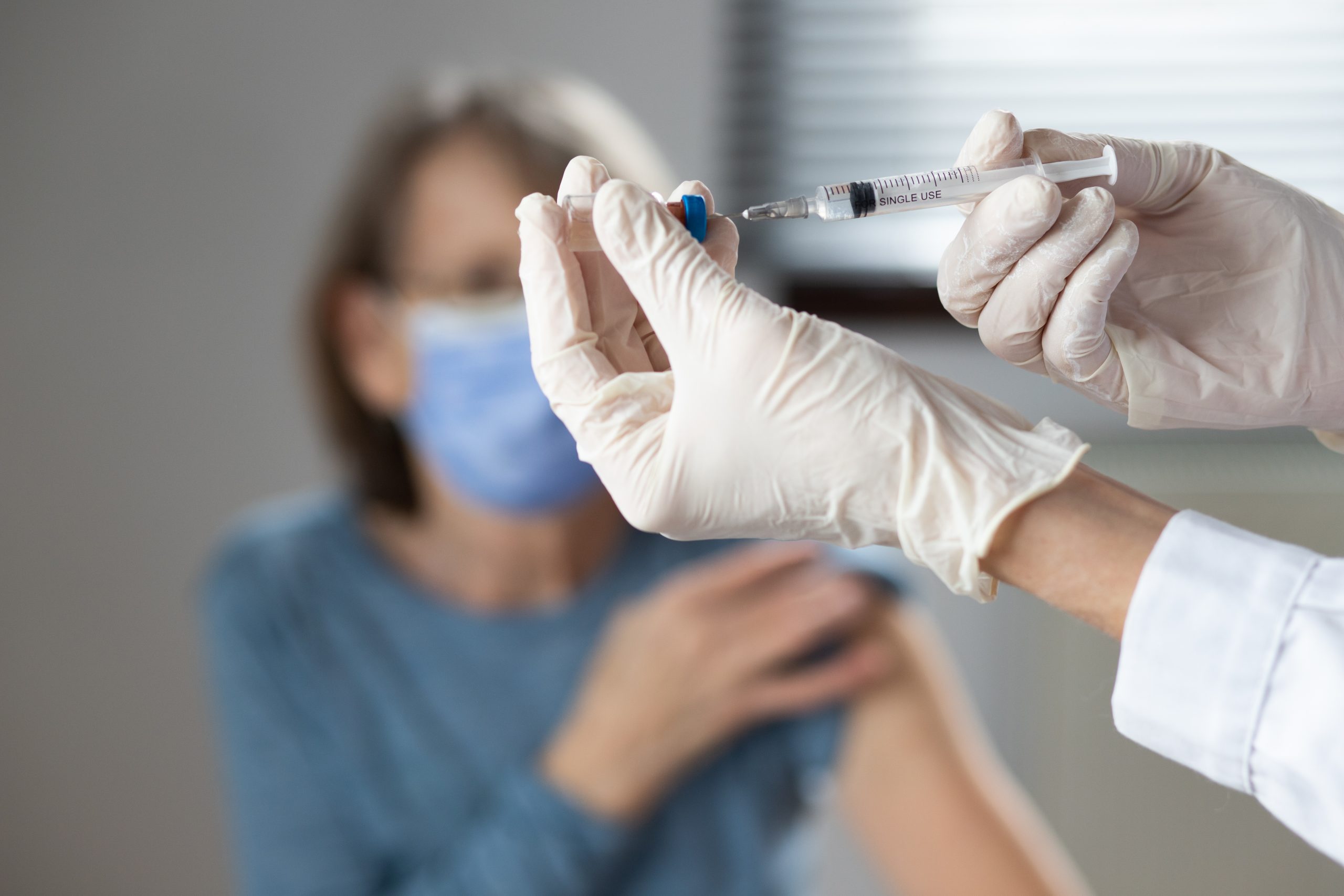
Covid-19 vaccine injection © AdobeStock

In order to facilitate the organization of the vaccination campaign, it may be proposed to use one or the other of the two mRNA vaccines for the 2nd dose (Pfizer-BioNTech or Moderna) of vaccination . The aim of the AP-HP – ARNCombi trial is to compare the immunological efficacy of the standard vaccine regimen with two doses of the same mRNA vaccine against Covid-19 with a regimen combining two different mRNA vaccines (one dose of Moderna vaccine after one dose of Pfizer vaccine or a dose of Pfizer vaccine after a dose of Moderna vaccine). It is promoted by Assistance Publique – Hôpitaux de Paris and made possible thanks to the COVIREIVAC platform coordinated by Inserm.

400 participants are expected for this randomized trial. Participants must be over 18 years of age, have already received one of two doses of messenger RNA vaccine with a second scheduled injection within 4-6 weeks of the first injection.

A blood sample to test for the presence of specific antibodies directed against the SARS Cov-2 virus (Covid-19 virus) will be taken before the 2nd dose and then four weeks later.

The first inclusions took place on May 28, 2021. The trial is being carried out in 17 centers in France: three AP-HP hospitals and 14 other centers throughout France. Some of these centers are part of the COVIREIVAC platform.

Launched in October 2020, the COVIREIVAC platform coordinated by Inserm and F CRIN in conjunction with 32 university hospitals and a network of 11 immunology laboratories aims to conduct and promote excellent clinical vaccine research in France. Since October 1, 2020, 50,000 volunteers have registered to participate in research efforts and improve knowledge about these new vaccines. This is an unprecedented initiative in our country. The platform is managed by Inserm, and the clinical operational component is coordinated by the Assistance Publique-Hôpitaux de Paris of the various CHUs. New research projects are regularly launched within the framework of COVIREIVAC.

Even if several vaccines against Covid-19 are available, it is imperative to continue research in order to deepen scientific knowledge, in particular the duration of protection and the quality of the immune response.

The objective of the clinical studies coordinated by COVIREIVAC is to provide answers to these research questions.  

Hippurate, a metabolite derived from gut bacteria, is associated with microbiotal diversity

Microbiote

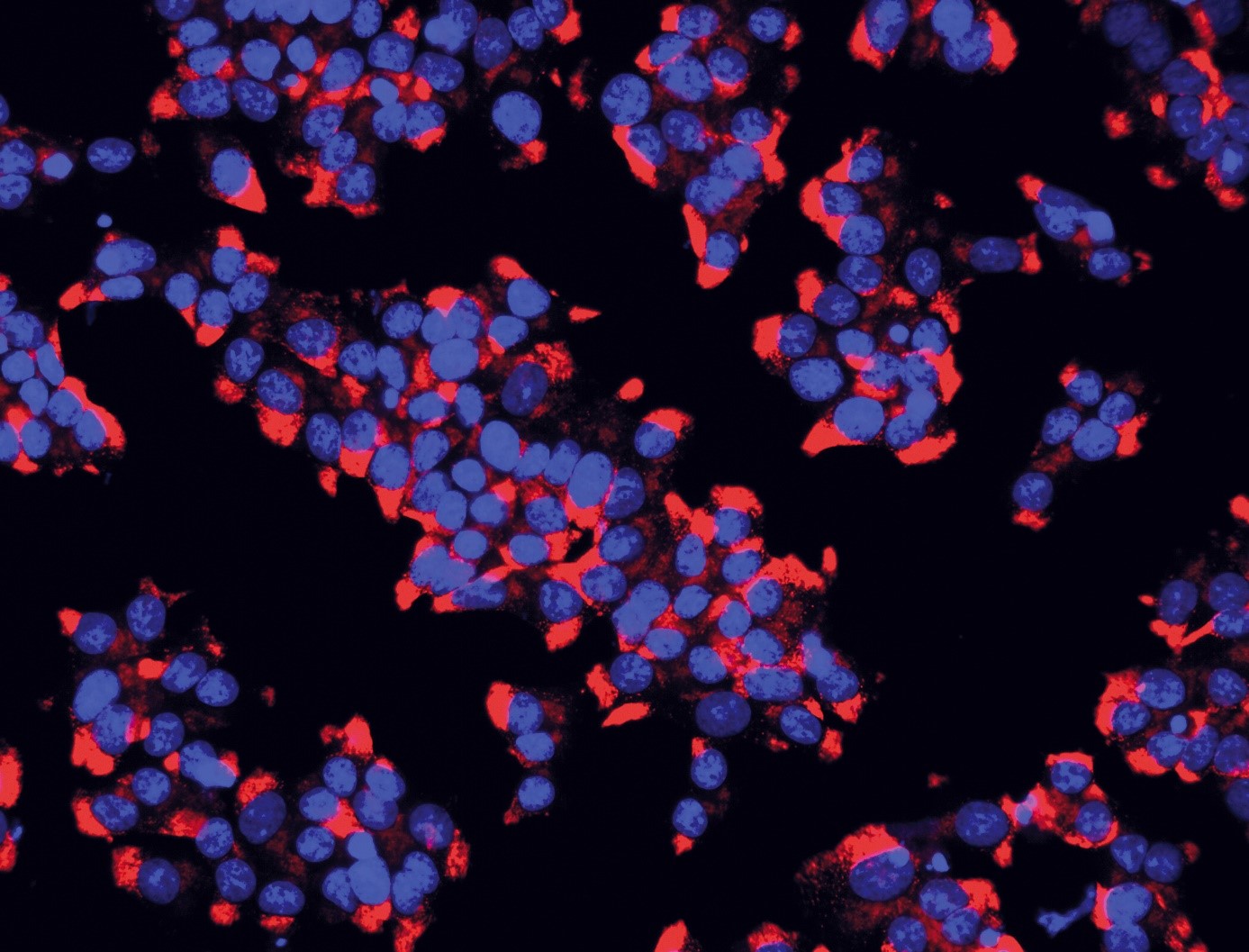
Insulin is produced by the beta cells of the pancreatic islets of Langerhans. Cells which, in type 1 diabetes, are destroyed by the immune system. In this study, the administration of hippurate improved blood glucose control and stimulated insulin secretion in animal models. © Inserm/U845/UMRS975/EndoCells SARL


Good gut microbiota function has an impact on our general physical and psychological health. Understanding how the architecture of the microbiota and the function of the bacteria that inhabit it affect the body has become a key research focus in recent years.

Within this context, researchers from Inserm and Université de Paris, in collaboration with teams from INRAE, Imperial College London and the University of Copenhagen in Denmark, have shown that hippurate, a metabolite derived from gut bacteria, is associated with microbiotal diversity. Hippurate is thought to play an important role in our cardiovascular and metabolic health, particularly by helping to regulate blood sugar. This research has been published in Gut.

For several years, the gut microbiota has been considered to play a key role in our health. Many scientific studies have highlighted the existence of a link between the diversity of the bacterial strains present and certain health parameters, particularly cardiovascular and metabolic.

The team led by Inserm researcher Dominique Gauguier focused on hippurate, a metabolite produced by the gut bacteria and that is found in urine.

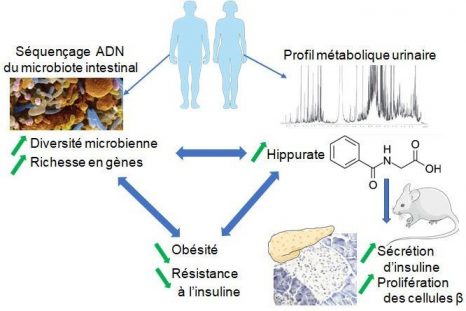
The scientists combined two methods, DNA sequencing (analysis of the genetic profile) of the gut microbiota bacteria and urinary metabolomic profiling (analysis of small metabolites present in urine) in 271 individuals from a Danish cohort (the MetaHIT study).

From the data obtained, the scientists show that high levels of hippurate in urine are associated with greater gut flora diversity and increased microbiotal gene richness, two parameters that protect against cardiometabolic risk (the risk of developing cardiovascular disease and/or diabetes).

The researchers also had information about the participants’ dietary habits and body mass index (BMI). They found that in obese individuals with a diet high in saturated fat and a risk of developing cardiovascular and metabolic problems, high levels of hippurate had beneficial effects on weight and metabolic health.

schéma Gauguier eng

Figure representing the main study findings.

These findings were supplemented by a validation study in obese mice fed a fatty diet. In these animal models, the administration of hippurate improved blood glucose control and stimulated insulin secretion. “This research confirms the importance in human health of gut flora architecture and function by demonstrating the beneficial role of a metabolite produced by gut bacteria. Something we had already shown with the metabolite cresol,” emphasizes Gauguier.

The relevance of these findings is both diagnostic, as hippurate can be considered a biomarker of microbiotal diversity, and therapeutic.

One could, for example, envisage modifying the microbiota using probiotic systems to produce larger quantities of the gut bacteria that synthesize the precursors of hippurate. This would then increase hippurate levels with their attendant protective effects on cardiometabolic risk.

For the scientists, the next step is to continue their research by studying the cellular mechanisms that explain how hippurate promotes insulin secretion and blood glucose regulation.

L’Inserm vous donne rendez-vous tout au long du mois de juin pour la toute première édition de l’événement de culture scientifique « InScience »

La thérapie optogénétique peut partiellement restaurer la vision chez un patient aveugle atteint de rétinopathie pigmentaire.


Regional organization in Ile-de-France and ECMO results in the management of extremely serious respiratory damage caused by Covid-19


The teams of the cardiac and thoracic surgery departments (Prof. Pascal Leprince, Dr Guillaume Lebreton), and intensive medicine-intensive care (Prof. Alain Combes) of the Pitié-Salpêtrière hospital AP-HP, Sorbonne University and the Inserm, reported the results of the ECMO in the care of patients with extremely serious respiratory damage caused by Covid-19, and the regional organization set up by the Ile-de- France to deal with the pandemic. This work is the subject of a publication on April 19, 2021, in the Lancet Respiratory .

In extremely serious respiratory disorders (ARDS) escaping conventional resuscitation techniques, ECMO (extracorporeal membrane oxygenation) can be used to ensure oxygenation of the blood while awaiting healing of the lungs.

At the start of the Covid-19 pandemic, it was not certain that ECMO could be used for the care of patients with extremely serious respiratory damage caused by Covid-19. Very quickly, in Ile-de-France, a group of experts met to reflect on the place that ECMO could have in this indication, but also on the organization to be put in place to be able to cope with this indication. crisis. Regional regulation has been put in place by ARS Ile-de-France, in conjunction with all stakeholders, to centralize indications and pool resources. A regional doctrine has been developed and published in this direction.

In this multicenter cohort study, the authors present an analysis of all adult patients with laboratory-confirmed Covid-19 infection and severe ARDS requiring ECMO, who were admitted to 17 care units intensive in Ile-de-France between March 8 and June 3, 2020.

During the first wave, six ECMO mobile teams were formed and 17 resuscitations with ECMO experience were identified. 302 patients were thus able to be assisted by ECMO throughout the region, whether or not they were taken care of in intensive care units equipped with ECMO thanks to the mobile teams (mobile circulatory assistance units). These UMACs ensured the establishment of the ECMO then the transfer (55% of patients) of the patient to a specialized intensive care unit.

The analysis of the results at 90 days shows a survival of 46% for these most serious patients with a predictable survival without ECMO almost zero. The age of the patients, the duration of mechanical ventilation before ECMO, renal impairment and the volume of ECMO of the centers appeared to be prognostic factors. The results of cannulation of the patient by a mobile team and then transfer to ECMO in a specialized intensive care unit were not significantly different from those of patients cannulated in a center with ECMO, which validates the concept of a mobile unit. circulatory assistance (UMAC).

Regional regulation, pooling of resources and centralization of indications made it possible to effectively cope with the first wave of Covid-19 by assisting patients requiring ECMO in the Ile-de-France region, regardless of their hospital of origin. After this experience, this organizational model was extended for the following waves.

fermer