Menu

Cases of tuberculosis in Limoges, what does this mean for vaccination?

While tuberculosis (BCG) vaccination is no longer mandatory in France, five new cases of tuberculosis were recorded in Limoges this week. This disease, far from having disappeared, causes 5,000 new cases of illness each year, and is responsible for 700 deaths. These latest cases have restarted the debate about vaccination:

Should we get vaccinated? Should we have our children vaccinated? How does a vaccine work? Does vaccination really protect us?

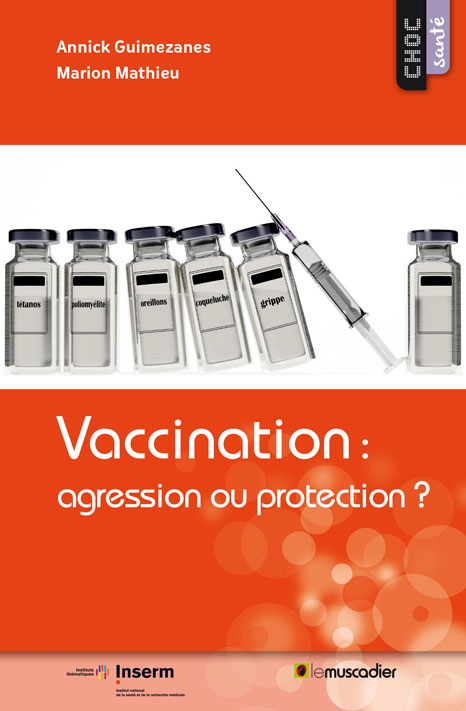
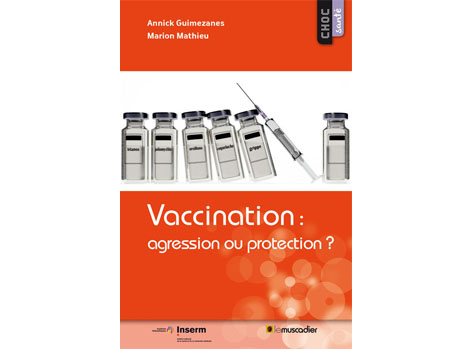
Against this background, Inserm researchers Annick Guimezanes and Marion Mathieu have replied as objectively as possible to the questions everyone wonders about in the 3rd popular science book in the Choc Santé collection: “Vaccination: Agression or Protection?”couverture2

In a clear and accessible style, drawing on the most recent advances in the area, it will enable everyone to better weigh the risks and benefits of vaccination.


The small intestine is involved in chronic inflammation in obese people

Obesity is caused by many complex factors, some of which are yet unknown. Researchers from the French National Centre for Scientific Research (CNRS), Inserm, Pierre and Marie Curie University (UPMC) and Paris Descartes University, in collaboration with clinician researchers from the Paris Public Hospitals (AP-HP), have just shown that severe obesity is accompanied by inflammation of the small intestine and a strengthening of the immune defences in that area. This phenomenon reduces enterocyte[1] sensitivity to insulin and increases nutrient absorption, thus exacerbating the disease. This work, carried out at the Cordelier Research Centre (Inserm/UPMC/Paris Descartes University) and the Institute of Cardiometabolism and Nutrition (ICAN – Inserm/UPMC/AP-HP), is published on 18 June in the journal Cell Metabolism.

Study of the mechanisms involved in human obesity is particularly interesting in the jejunum, a portion of the small intestine that plays a major role in the absorption of lipids and carbohydrates. Because of its location in the body, the jejunum is difficult to study, and its contribution to this metabolic disease was not well known. In this study, the researchers were able to obtain jejunum samples from patients during a surgical operation performed to reduce their obesity and associated diseases (gastric bypass). Samples from 185 individuals suffering from severe obesity were compared with jejunum samples from 33 non-obese individuals, who were operated on for other reasons.

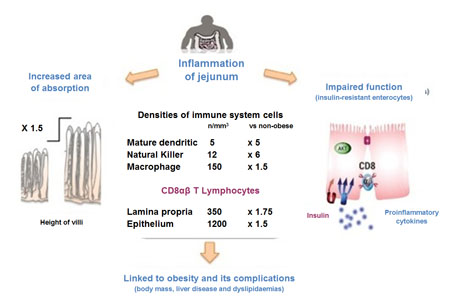
The research teams, coordinated by Edith Brot-Laroche and Karine Clément, observed a state of chronic inflammation in the small intestine in these obese individuals, and colonisation of the jejunal epithelium by T lymphocytes, at a density that increased with degree of obesity. These immune system cells produce cytokines[2] that inhibit the insulin sensitivity of the absorbent cells of the intestinal epithelium. Since the action of insulin regulates nutrient absorption and blood sugar level, this immune system phenomenon thus contributes to the exacerbation of the patient’s clinical situation.

obésity

Diagram explaining the mechanisms associated with jejunal inflammation in obese people© Edith Brot-Laroche/Armelle Leturque/Sébastien André/Karine Clément

Additional clinical studies also showed that, in obese people, the increased density of T lymphocytes in the intestine is probably related to complications associated with obesity such as liver disease (NASH) and dyslipidaemia[3].

The results of this study have also shown that the projections of the intestinal mucosa in these patients, the villi, are longer than in non-obese subjects. This means that the small intestine’s surface area for exchange is increased by 250% (an increase in area equivalent to two tennis courts), and that the patients absorb more nutrients. This phenomenon, which is due to a reduction in apoptosis, a mechanism of cell death, also enhances the inflammatory action of the immune system in this region, exacerbating the disease.

Although insulin resistance in the adipose, hepatic, pancreatic and muscle tissue had already been observed in obese people, these studies highlight the existence of similar mechanisms in the small intestine, and offer opportunities for noninvasive therapeutic interventions to help reduce the inflammatory state of the intestine and combat obesity.

This project, which brought together two teams from IHU-ICAN, the teams led by Edith Brot-Laroche and Armelle Leturque at the Cordelier Research Centre and by Karine Clément at Pitié Salpêtrière Hospital, was supported by ANR-ALIA Nutra2sense, the MetaCardis European project, clinical research programes (AP-HP) and Investissements d’Avenir (ANR-IHU).

[1] Intestinal epithelial cells specialised in nutrient absorption.

[2] Molecules used in cellular communication.

[3] Dyslipidaemia is an abnormally high or low concentration of lipids (cholesterol, triglycerides, phospholipids or free fatty acids) in the bloodstream.

Autism: the value of an integrated approach to diagnosis

Researchers at Inserm (Inserm Unit 930 “Imaging and Brain”) attached to François-Rabelais University and Tours Regional University Hospital have combined three clinical, neurophysiological and genetic approaches in order to better understand the brain mechanisms that cause autism. When tested on two families, this strategy enabled the researchers to identify specific gene combinations in autistic patients that distinguished them from patients with intellectual disabilities.

This study, published in the journal Molecular Psychiatry, offers new prospects for the diagnosis and understanding of the physiological mechanisms of autism.

Autism is a condition characterised by great heterogeneity, both in terms of clinical manifestations and genetics. It is currently estimated that nearly 400 genes may be involved in this disorder. Diagnosis of this condition is all the more complex because it is often associated with other developmental disorders involving the same genes.

To improve diagnosis, the Inserm researchers used an original multimodal approach combining:

  • Clinical assessment
  • High-throughput genomic analysis to sequence all the genes
  • Analyses of the electrical activity of the brain in response to the perception of a change (electroencephalography – EEG)

Two families with members affected by autism and/or intellectual disability were given the benefit of this integrated approach. In these two families, all individuals affected by the condition carried a mutation in the NLGN4X gene, which manifested in the brain as problems in transmitting information by the neurons.

Using EEG, the researchers primarily observed an abnormal brain wave pattern, characteristic of patients with autism. The other family members, including those with intellectual disabilities, did not show this feature.

Thanks to this new approach, a second rare mutation was characterised and linked to atypical brain activity measured by EEG in autistic patients.

For Frédéric Laumonnier and Frédérique Bonnet-Brilhault, the main authors of this work, “This study helps us realise that there is no ‘gene for autism,’ but combinations of genes involved in neurodevelopment that affect the development of the neuronal networks targeted by this condition.”

Identifying these combinations is a key step in understanding the physiopathology, and ultimately in the development of targeted therapeutic drugs.

Autism is a pervasive developmental disorder that appears early in childhood and continues into adulthood. It presents as an altered ability to establish social interactions and communicate, and as behavioural problems. People with autism often seem imprisoned in a kind of inner world.

This work was supported by Fondation de France and the European Union (EU FP7 project Gencodys)

A new therapeutic approach for rare and serious kidney diseases

In an article published in the journal JASN on 22 May last, a team at the Paris Cardiovascular Research Centre (PARCC) (Paris Descartes University / Inserm / AP-HP) proposes a new approach for the treatment of serious kidney diseases. Under the leadership of Pierre-Louis Tharaux, this team focused on the ability of kidney cells to react to inflammation.

The kidney is an essential organ of the body. Its function is to filter the blood and eliminate wastes collected by the urine. This filtering function is mainly performed by specialised cells, the podocytes, located in structures known as glomeruli. In some people, an abnormal inflammatory process is triggered and results in lesions in the kidney and in these glomeruli, leading to serious kidney failure, constituting a genuine diagnostic and therapeutic emergency.

To date, the only treatment for these diseases, known as glomerulonephritis, involves targeting the immune system in order to reduce the inflammation causing this condition. Unfortunately, these therapies are only partly effective, and expose the patients being treated to a high risk of infection. For this reason, the team led by Pierre-Louis Tharaux at the Paris Cardiovascular Research Centre (PARCC) chose a different approach: they studied the possibility of stopping renal destruction by influencing the manner in which the kidney cells (the podocytes) react to inflammation.

In people without disease, a receptor known as PPARγ (peroxisome proliferator-activated receptor-gamma) is present in the kidney podocytes. While studying this molecule, the researchers discovered that it partly disappeared from the glomerular cells in a mouse model of the disease. Similarly, this reduction was also observed in the kidneys of affected patients, suggesting an important role for this receptor in the development of glomerulonephritis. To confirm their hypothesis, the scientists completely deleted PPARγ from the podocytes of mice. They then observed a clear aggravation in the severity of the kidney damage in these mice, thereby corroborating the requirement for PPARg to protect the kidney.

For therapeutic purposes, the team then had the idea of administering a PPARγ activator, pioglitazone, to these mice. Clinically developed to treat some kinds of type 2 diabetes, it was known for its beneficial anti-inflammatory effect. Surprisingly, its administration to mice, up to 4 days after onset of the disease, considerably reduced renal inflammation, and enabled the structure and function of the kidney to be maintained. This efficacy was lost when the PPARγ gene was absent from the podocytes, indicating that the core effect of the drug comes from its action on these cells rather than from a general anti-inflammatory effect, as had been thought.

“These results suggest a new indication for this class of drugs activating the PPARg pathway, which could turn out to be of benefit in cases of glomerulonephritis by preventing serious kidney failure, which still affects many patients,” says Pierre-Louis Tharaux.

binôme édition #6 at the Avignon Festival

The les sens des mots company, Inserm (French National Institute of Health and Medical Research) and ICM (Brain and Spinal Cord Institute) are pleased to invite you to a show presented during binôme édition #6 at the Avignon Festival:

Stimulation Cérébrale Profonde (Deep Brain Stimulation), by Camille Chamoux, author, following her meeting with Eric Burguière, a researcher in neurobiology with CNRS – INSERM – ICM.

Clotilde proudly introduces her new man, a researcher, to her entourage. But as Gérard, Clotilde’s father says, “a neurobiologist paid from our taxes to do experiments on mice—now that raises a good few questions.”

Monday 13 July 2015, 5:30-6:30 pm at Maison Jean Vilar (8 bis rue de Mons, 84000 Avignon)

In order to reach an increasingly wider audience, Inserm is creating new visions of science by uniting the world of research with that of arts and culture. It is in this context that Inserm has been a partner in binôme for the last 5 years.

binôme is a series of Theatre and Science shows based on scripts written by playwrights after interviewing researchers on film, inspired by an idea by Thibault Rossigneux, artistic director of the theatre company les sens des mots (the meaning of words).

Eric Burguière

The repetitive behaviours characteristic of a certain number of illnesses, particularly OCD (obsessive compulsive disorder), are central to Eric Burguière’s research. His Inserm team works to better understand the brain mechanisms that cause these behaviours, in order to better treat them.

Camille Chamoux

Camille Chamoux became known from her first one-woman-show, Camille Attaque, and her columns on Canal Plus television in l’Édition Spéciale or on Europe1 radio. She also co-wrote the film Les Gazelles (2013), directed by Mona Achache, and played the lead role in it. In 2014, she created her second show Née sous Giscard (Born under Giscard), which she published with Solitaires Intempestifs, at the Théâtre du Petit Saint-Martin, with stage direction by Marie Dompnier. She is currently writing a second feature-length film, acting in four films in 2015, and is preparing her next one-woman-show.

This show will be rerun three times in autumn:

– 25 September, at Théâtre de la Reine Blanche (Paris 18), programme in preparation

– 26 September, as part of the Curiositas festival in Gif sur Yvette, programme in preparation
– 7 October at 7 pm, at ICM (Paris 13) during Fête de la Science

Supported by SACD, CEA, CNRS, ICM, INERIS, INSERM, IRD, OSU Pythéas, PACA Region, DRRT and Culture Science PACA. In partnership with Maison Jean Vilar, Festival d’Avignon, Faïencerie–Théâtre de Creil, and proarti.

Restoring natural immunity against cancers

Scientists at the Institut Pasteur and Inserm have successfully increased the infiltration of immune cells into tumors, thus inducing the immune system to block tumor growth. In an article published in Nature Immunology, the scientists show that, in combination with existing immunotherapies, this process efficiently destroys cancer cells.

Chemokines are small molecules that can attract immune cells towards inflammatory tissues, acting for example during tumor development or upon infection, in order to support migration of lymphocytes into diseased tissues. However, these molecules may be degraded by enzymes, a process that limits the influx of immune cells. For example, the chemokine CXCL10, which induces the recruitment of T lymphocytes into pathological tissues, is rapidly degraded by the enzyme dipeptidylpeptidase 4 (DPP4).  

The Dendritic Cell Immunobiology Unit, led by Matthew Albert (Institut Pasteur and Inserm), had previously shown that increased levels of DPP4 and the degraded form of CXCL10 in hepatitis C patients correlate with patients’ inability to respond to interferon treatment. Following these results, the scientists predicted and have now confirmed that inhibiting this enzyme could improve the efficacy of immune responses, in particular antitumor responses.

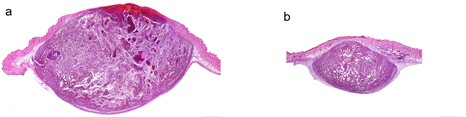
In a recently published study, Rosa Barreira da Silva, Matthew Albert and their colleagues showed that oral administration of a specific DPP4 inhibitor (sitagliptin) slows the development of several types of cancer in mice. In addition, the authors demonstrated that DPP4 inhibition increased the infiltration of T lymphocytes into tumors, and that the combination of this innovative treatment with existing immunotherapies eradicated the tumor.  
tumeur

DPP4 inhibition blocks tumor growth. Histological section of two mouse melanomas – (a) untreated and (b) treated with sitagliptin, a specific DPP4 inhibitor. Stain: hematoxylin and eosin; scale bar: 500 mm. © Institut Pasteur


Since health authorities have already approved DPP4 inhibitors for the treatment of type 2 diabetes, the conclusions drawn from these studies may quickly translate into clinical studies in humans. In fact, Matthew Albert’s team, in collaboration with clinical colleagues, has already submitted a proposal for a phase I clinical trial, to evaluate the impact of sitagliptin treatment in patients with hepatocellular carcinoma.   The cross-disciplinary nature of the projects undertaken by the teams at the Institut Pasteur and Inserm, along with collaboration between scientists and clinicians, allows clinical observations and scientific discoveries to be rapidly applied for the management of human disease.  

This project has received funding from the Pasteur-Roux grant, the French Cancer League (Ligue Contre le Cancer), the Fondation ARC cancer research organization and the French National Research Agency (ANR) as part of the “Immuno-Onco” LabEx (Laboratories of Excellence) program. 

BACCALAURÉAT 2015: D-1

Starting on Wednesday 17 June, nearly 700,000 candidates, from 13 to 93 years of age[1], will be taking the baccalauréat state examination.

These exam periods, often synonymous with stress and fatigue, are a tough ordeal for our mind and body. On the eve of the written examinations, your notification to attend, bag and piece of identification are all ready, but what about your memory? How do you boost it, and look after it? Is there still time to revise? Is there a specific diet that should be followed? How many hours’ sleep does the future graduate need to be in full possession of his/her faculties?

Joëlle Adrien, Inserm Research Director at Unit 1127, “Brain and Spinal Cord Institute (ICM)”, and Francis Eustache, Director of Inserm Unit – EPHE – UCBN 1077, “Neuropsychology and Functional Neuroanatomy of the Human Memory,” specialists in sleep and human memory, respectively, answer your questions.

[1] To find out more, visit the French National Ministry of Education website

Impact of environmental exposure to insecticides on the cognitive development of 6 year old children

In an article published in the journal Environment International, researchers from Inserm (Inserm Unit 1085 – IRSET, the Institute of Research in Environmental and Occupational Health, Rennes), in association with the Laboratory for Developmental and Educational Psychology, LPDE (Rennes 2 University), provide new evidence of neurotoxicity in humans from pyrethroid insecticides, which are found in a wide variety of products and uses. An increase in the urinary levels of two pyrethroid metabolites (3-PBA and cis-DBCA) in children is associated with a significant decrease in their cognitive performances[1], particularly verbal comprehension and working memory. This study was carried out on nearly 300 mother and child pairs from the PELAGIE cohort (Brittany).   

Pyrethroid exposure

Pyrethroids constitute a family of insecticides widely used in a variety of sectors: agriculture (various crops), veterinary (antiparasitics) and domestic (lice shampoo, mosquito products). Their mode of action involves blocking neurotransmission in insects, leading to paralysis. Because of their efficacy and relative safety for humans and mammals, they have replaced older compounds (organochorides, organophosphates, carbamate) considered more toxic.

Exposure of children to pyrethroids is common. It is different to adult exposure, due to the closer proximity of children to ground-level dust (which stores pollutants), more frequent hand-to-mouth contact, lice shampoos, etc. In children, pyrethroids are mainly absorbed via the digestive system, but are also absorbed through the skin. They are rapidly metabolised in the liver, and mainly eliminated in the urine as metabolites within 48 hours.

Given these elements and the mode of action (neurotoxicity) of pyrethroid insecticides, the researchers proposed the hypothesis of a possible effect of these contaminants on the nervous system and its development in children.

Contribution of the PELAGIE mother-child cohort

Pregnancy is also an important period of life for the future health of the child. For this reason, the researchers studied the PELAGIE mother-child cohort established between 2002 and 2006, which monitors 3,500 mother-child pairs. This cohort simultaneously considers exposure to pyrethroid insecticides during foetal life and childhood.

A total of 287 women, randomly selected from the PELAGIE cohort and contacted successfully on their child’s sixth birthday, agreed to participate in this study.

Two psychologists visited them at home. One assessed the child’s neurocognitive performances using the WISC scale (verbal comprehension index, VCI, and working memory index, WMI). The other psychologist characterised the family environment and stimuli that might have had a role on the child’s intellectual development, collected a urine sample from the child, and collected dust samples.

Exposure to pyrethroid insecticides was estimated by measuring levels of five metabolites (3-PBA, 4-F-3-PBA, cis-DCCA, trans-DCCA and cis-DBCA) in urine from the mother (collected between the 6th and 19th weeks of pregnancy) and from the child (collected on his/her 6th birthday).

A decrease observed in child cognitive performances

Results show that an increase in children’s urinary levels of two metabolites (3 PBA and cis-DBCA) was associated with a significant decrease in cognitive performances, whereas no association was observed for the other three metabolites (4-F-3-PBA, cis-DCCA and trans-DCCA). With respect to metabolite concentrations during pregnancy, there was no demonstrable association with neurocognitive scores.

“Although these observations must be reproduced in further studies in order to draw definite conclusions, they indicate the potential responsibility of low doses of deltamethrine in particular (since the metabolite cis-DBCA is its main metabolite, and selective for it), and pyrethroid insecticides in general (since the metabolite 3-BPA is a degradation product of some twenty of these insecticides),” explains Cécile Chevrier, Inserm Research Fellow, the main author of this work.

“The consequences of a cognitive deficit in children for their learning ability and social development constitute a handicap for the individual and for society. The research effort needs to be pursued in order to identify causes that could be targeted by preventive measures,” emphasises Jean-François Viel, a co-author of this work.

To find out more

The PELAGIE cohort

The PELAGIE study (Perturbateurs Endocriniens: Étude Longitudinale sur les Anomalies de la Grossesse, l’Infertilité et l’Enfance [Endocrine Disruptors: Longitudinal Study on Disorders of Pregnancy, Infertility and Children]) was established in response to concerns about health, particularly child health, due to the presence of toxic compounds in our daily environment. It has involved monitoring approximately 3,500 mother-child pairs in Brittany since 2002. An impact of antenatal exposure to contaminants (solvents and pesticides) on intrauterine development has been suggested; assessment of the consequences for child development is underway. The PELAGIE study is part of the European network of mother-child cohorts that constitute an epidemiological resource that is vast and complex, but indispensable for responding to these Public Health concerns.

[1] Cognitive functions are the brain’s abilities to communicate, observe the environment, concentrate, remember an event or accumulate knowledge. https://aqnp.ca/la-neuropsychologie/les-fonctions-cognitives/
Discovery of an anti-inflammatory molecule produced by gut bacteria

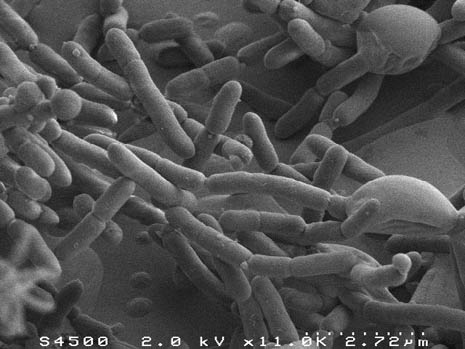
Researchers at INRA, INSERM, AP-HP, and UPMC have just discovered a new protein with anti-inflammatory properties, which has been named MAM (microbial anti-inflammatory molecule). It is secreted by the bacterium Faecalibacterium prausnitzii and helps fight intestinal inflammation. This discovery, recently published in the journal Gut, is a major advance in efforts to develop new means of treating inflammatory bowel disease. Consequently, the results of this research have great potential future applications.

A few years ago, researchers discovered that the gut bacterium Faecalibacterium prausnitzii was present at lower levels in individuals affected by inflammatory bowel diseases (IBDs), such as Crohn’s disease or ulcerative colitis.They also found that this species secretes one or more molecules with anti-inflammatory properties that help in the fight against IBDs. The identification of the molecules produced by F. prausnitzii is a major step forward, which has occurred thanks to the efforts of a team of researchers from INRA, INSERM, AP-HP (Greater Paris University Hospitals), and UPMC (Pierre-and-Marie-Curie University).

Using biochemistry and mass spectrometry, the researchers discovered the existence of several peptides that were all derived from a single molecule produced by F. prausnitzii, a protein that they called MAM for microbial anti-inflammatory molecule. First, they showed that the addition of MAM to intestinal cells reduced inflammation. Second, they demonstrated that MAM helped alleviate an IBD in a mouse model. More specifically, mice that received MAM lost less weight than control mice. The researchers also showed that MAM’s effect was due to its ability to reduce the levels of certain immune system compounds in the intestinal mucosa that cause inflammation. It therefore seems that the bacteria that live in our guts protect us using the same tools as medical professionals.

When F. prausnitzii is present at low levels, IBDs are exacerbated, creating a vicious cycle. To break the cycle of chronic intestinal inflammation, researchers are working on ways to restore F. prausnitzii’s presence in the gut. These include providing nutritional supplements that contain the bacterium (i.e., probiotics) and/or molecules that promote the bacterium’s growth (prebiotics). The discovery and characterization of MAM also has relevance for the pharmaceutical industry: the protein could eventually be manufactured and serve as an active ingredient in medications. These results, which add to the growing base of knowledge regarding intestinal bacteria, also clearly have practical industrial or medical applications.

seksik

Image en microscopie électronique à balayage de F. prausnitzii © Inra, plateforme MIMA 2, T. Meylheuc

Friday 5 June: World Environment Day

On 15 June 1972, the United Nations celebrated World Environment Day for the first time. Since that day, every year on the same date, the major issues in environmental conservation are given prominence in over 100 countries, a day devoted to the protection of the planet and the future of mankind, which is inseparable from the fate of the ecosystem.

At Inserm, active research is being devoted to understanding the impact of the environment on health, especially changes due to environmental contaminants such as pesticides, atmospheric pollution, radiation, etc.

In 2011 and 2013, the researchers at Inserm endeavoured to understand the influence of  pollution on general health and of environmental factors on reproduction, respectively, in two joint expert reports[1].

Today, many studies are devoted to this theme. The European project HELIX, which brings together experts from every background, is especially focused on exposome-related risk factors for children, i.e., the sum of environmental exposures from the antenatal period on. Pregnancy and the early years of life are well recognised as periods of high sensitivity to these factors, with lifelong consequences.As part of HELIX, Inserm Research Director Rémy Slama directs a working group that is attempting to determine the relationship between the exposome and child health. By establishing a database that includes all environmental pollutants, behaviours, diet and health outcomes, the researchers hope to establish the risk factors that lead to the development of diseases in children.


Cohorte couple-enfants SEPAGES

©Inserm/Delapierre, Patrick. All the photos of the SEPAGES cohort cohorte are available on the Inserm image bank Serimedis


Latest Inserm actualities on this theme:

Air quality in nursing homes affecting lung health of residents – March 2015
Exposure of pregnant women to certain phenols may disrupt the growth of boys during foetal development and the first years of life – September 2014

[1] See the joint expert reports “Reproduction et Environnement” (Reproduction and Environment) and “Pesticides: Effets sur la Santé” (Pesticides: Effects on Health) on the Inserm.fr website.

HIV: new indicators for improving access to treatments for HIV

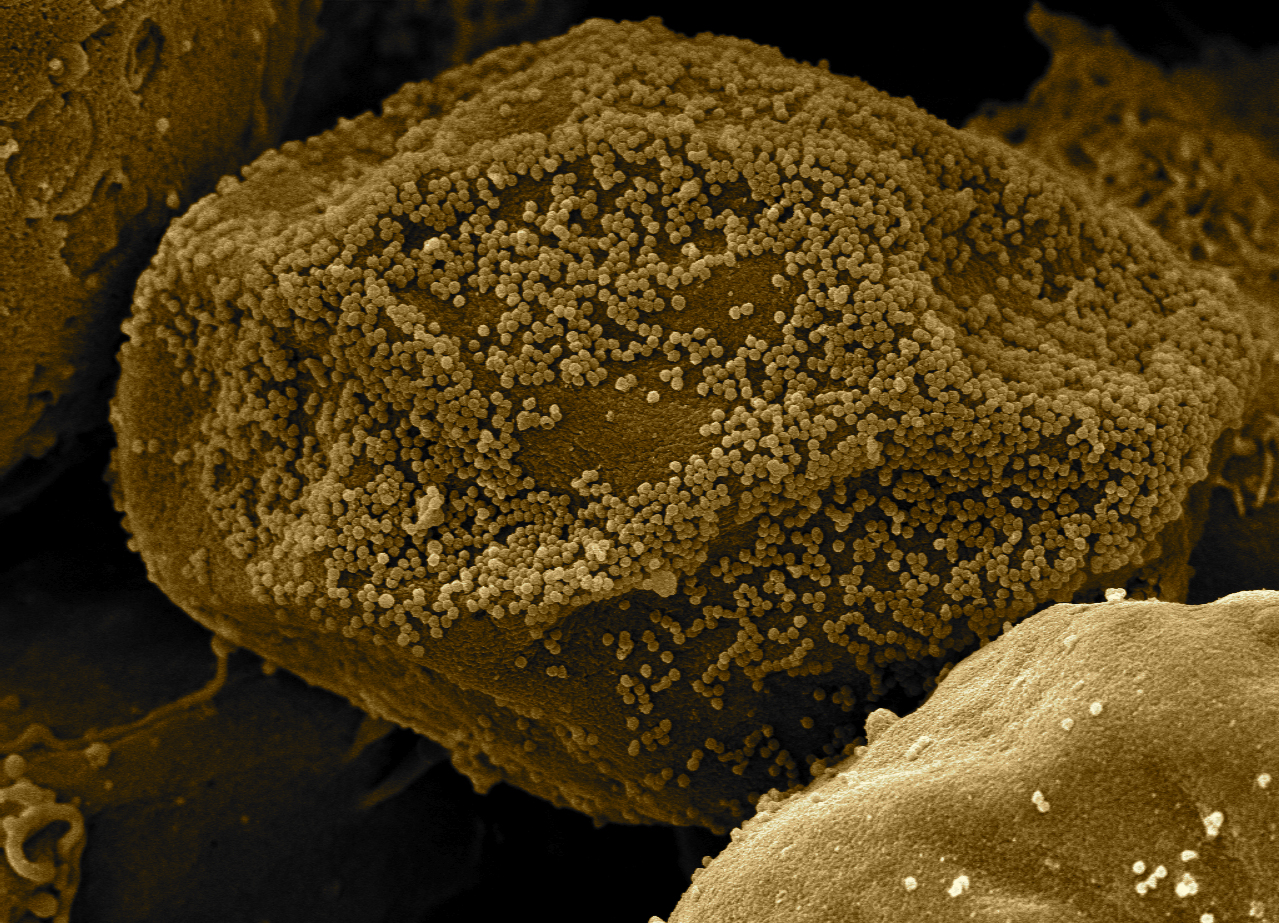
Despite the recommendations of the World Health Organization (WHO), which advocate early initiation of antiretroviral treatment for people infected with the HIV virus, it has been found that treatment is always initiated too late, particularly in medium- and low-income countries. Thus there is a gap between recommendations and what happens in the field. In a study published in the Bulletin of the WHO, the team led by Dr Dominique Costagliola (Director of the Pierre Louis Institute of Epidemiology and Public Health – Joint Research Unit S 1136 – Inserm/UPMC), in collaboration with the French National Agency for Research on AIDS and Viral Hepatitis (ANRS) sites in Cameroon and Côte d’Ivoire, proposes two new indicators enabling the evaluation of interventions implemented in the field to hasten access to treatments. Particules_VIH

© Inserm/Roingeard, Philippe

Since 2006, the World Health Organization (WHO) has been recommending increasingly earlier treatment for people infected with HIV. In 2006, the threshold for initiation of antiretroviral (ARV) treatment was 200 CD4 cells/mm3, and was then changed to 350/mm3 in 2010, and finally 500/mm3 from 2013. These changes in recommendations have been accompanied by a considerable increase in the numbers of people receiving ARV treatment: this number reached 12.9 million in 2013, including 5.6 million from 2010, leading to hope that the objective set by the United Nations, of 15 million people on ARV treatment by 2015, may be achieved.

However, in Sub-Saharan Africa, initiation of ARV treatment remains late. In 2011, one in two people infected with HIV was started on ARV drugs at a CD4 count below 185/mm3.

Moreover, the delay in treatment represents as much risk for the person infected as for the community. Many studies have in fact shown that on the one hand, rapid initiation of treatment reduces the risk of mortality and morbidity associated with HIV/AIDS for those affected, and on the other hand, reduces the viral load, thereby reducing the risk of transmitting the virus to others. A study conducted in South Africa and published in The Lancet[1] in 2009 went even further by pointing out that elimination of the HIV epidemic might be envisaged if, and only if, those infected with the virus were started on ARV treatment in the year following seroconversion[2].

The crucial question therefore arises regarding the evaluation of policies put in place to improve waiting times for the initiation of treatment. This is what is proposed by the team led by Dr Dominique Costagliola (Director of the Pierre Louis Institute of Epidemiology and Public Health – Joint Research Unit S 1136 – Inserm/UPMC ), which has developed two measurement indicators. The first measures the time elapsed between seroconversion and access to antiretroviral drugs, and the second evaluates the gap between WHO recommendations and what actually happens in the field. Their results are published in the latest issue of the Bulletin of the WHO.

The estimation of these two indicators is based on statistical modelling of data from a survey conducted on the ANRS site in Cameroon in 2011 of people who had started ARV treatment, and on the Côte d’Ivoire ANRS 1220 Primo CI cohort of people for whom the date of seroconversion could be estimated.

The first indicator enables the observation of a reduction, albeit modest, in the mean time from seroconversion to access to ARV drugs: this went from 10.4 years in 2007-2009 to 9.8 years in 2010.

The second indicator, estimating the gap between the WHO recommendations for initiating treatment and the actual time of treatment initiation, has, for its part, increased. It went from 3.4 years for the 2007-2009 period to 5.8 years in 2010.

For Virginie Supervie, an Inserm research fellow in Dominique Costagliola’s team, “These indicators reflect the gap between what needs to be done in theory to end the HIV epidemic, and what is happening in reality.”

They show that substantial efforts are needed.

The United Nations’ eight Millennium Development Goals include action on HIV/AIDS, with the objective of halting its spread and starting to reverse the current trend. However, in the example of the countries chosen for the study, with treatment waiting times of 10 years from seroconversion, and of 6 years from the time of eligibility for treatment, the reality is quite different. The indicators proposed here could contribute to these goals by helping in the evaluation of health policies established in all countries facing the epidemic.

[1] Universal voluntary HIV testing with immediate antiretroviral therapy as a strategy for elimination of HIV transmission: a mathematical model. Granich RM1, Gilks CF, Dye C, De Cock KM, Williams BG. Lancet. 2009 Jan 3;373(9657):48-57

[2] Period during which specific antibodies appear in the bloodstream in response to the virus.

fermer