Menu

Brain tumours: for the first time, ultrasound makes blood vessels permeable to enhance treatment delivery

Teams from the Paris Public Hospitals (AP-HP), Pierre and Marie Curie University, Inserm and the CarThera company (which is hosted by the Brain and Spine Institute [ICM]), coordinated by Prof. Alexandre Carpentier, a neurosurgeon at Pitié-Salpêtrière Hospital, AP-HP, have successfully used ultrasound to temporarily permeabilise blood vessels in the brains of patients affected by recurrent malignant brain tumours. This innovative method allows increased delivery of treatments, including chemotherapeutic agents, to the brain, and represents hope for other brain pathologies. This work was published on 15 June in the international journal Science Translational Medicine.
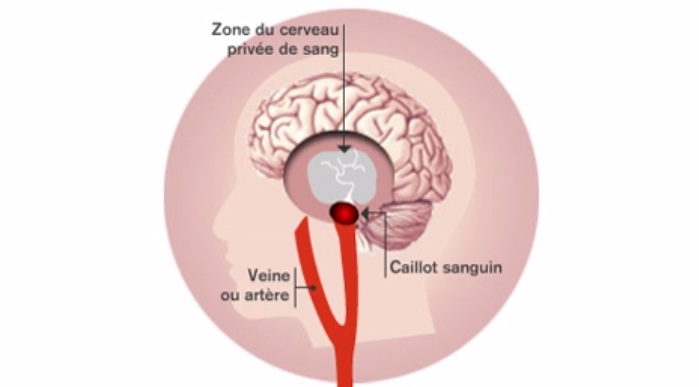
Treatment of primary malignant brain tumours is currently based on a neurosurgical procedure followed by sessions of chemotherapy and/or radiotherapy. These treatments bring about disease remission for varying periods, depending on the patient. The blood-brain barrier (BBB), this particularly impermeable wall of vessels that limits the exposure of the neurons to toxic agents, restricts the entry and hence the delivery of treatments to the brain.
Given this observation, the respective teams led by Prof. Alexandre Carpentier and Dr Ahmed Idbaih, and the neuro-oncology group from Pitié-Salpêtrière Hospital, AP-HP, launched a phase 1/2a clinical trial in July 2014, sponsored by AP-HP, in patients with recurrent malignant brain tumours.

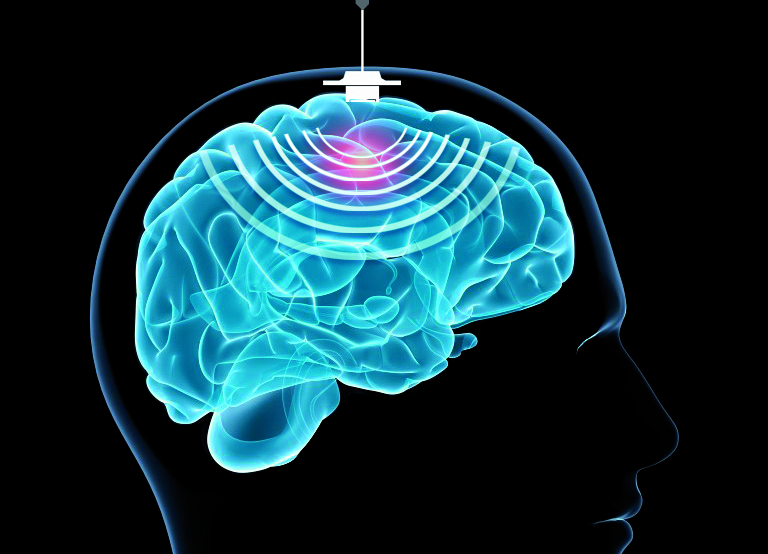
The objective is to permeabilise the blood-brain barrier, in order to increase the penetration and delivery of chemotherapeutic drugs to the brain, using the “SonoCloud®” ultrasound device developed by the CarThera company.

Implanted in the thickness of the skull bone, this device is activated a few minutes before intravenous injection of the product. Two minutes of sonication is enough to temporarily permeabilise the BBB for 6 hours, thereby allowing a 5-fold greater delivery of the drug to the brain than would normally happen.
To date, and for the first time in the world, several repeated “openings” of the BBB could be observed in the 20 patients treated. Moreover, tolerance is excellent: the technology invented by Prof. Carpentier and developed by the CarThera company, with the help of the Inserm LabTAU physics laboratory, does not damage the neurons, and the BBB spontaneously closes again 6 hours after the intravenous infusion.

According to Prof. Alexandre Carpentier, “this innovative method offers hope for the
treatment of brain cancers, as well as other brain pathologies, such as, potentially, Alzheimer’s disease, where the existing drugs have difficulty in penetrating the brain. This technique must continue to undergo evaluation to allow its entry into routine clinical use in a few years.”

A novel research program on traumatic memories

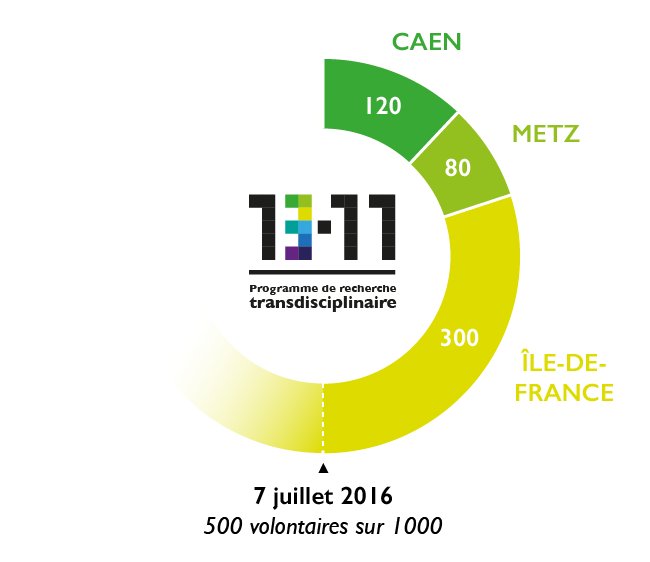
How will the traumatic events of the terrorist attacks of 13 November 2015 evolve in people’s memories, whether collective or individual? How does individual memory feed on collective memory and vice versa? Is it possible, by studying cerebral markers, to predict which victims will develop post-traumatic stress disorder and which will recover more quickly? These are a few of the questions addressed in the ambitious 13-Novembre program, coordinated by the CNRS, Inserm and héSam Université, with the collaboration of numerous partners. This transdisciplinary research program, codirected by the historian Denis Peschanski and neuropsychologist Francis Eustache, is based on the collection and analysis of the accounts of 1000 volunteers, interviewed four times over ten years. Involving several hundred people, this study is a worldwide first in terms of size, number of disciplines encompassed and protocol used. Results are expected to benefit the socio-historical and biomedical fields, but also have implications for public policy and public health.

Following the appeal launched last November[1] by Alain Fuchs, president of the CNRS, the research community is seeking to elucidate the issues facing society in the wake of the terrorist attacks that hit France in the course of last year. This call for projects gave rise to 13-Novembre, an interdisciplinary program that will run for 12 years. Coordinated by the CNRS and Inserm, in collaboration with héSam Université, it aims to study the construction and evolution of memory after the attacks of November 13th 2015, and also the relationship between individual and collective memory. “The 13-Novembre project illustrates the role of the CNRS, which is to support two scientists set to monitor studies involving 150 researchers from different disciplines in a long-term program of unparalleled scope,“ Alain Fuchs says. “From the very beginning, Inserm has been committed to the project, which combines human and social sciences and the latest advances in the neurosciences. This ambitious interdisciplinary program will answer the questions we are asking ourselves. I believe that this is part of the mission of two organizations like Inserm and the CNRS,” says Yves Lévy, CEO of Inserm.


1000 people monitored over 10 years

The testimonies of 1000 volunteers will be collected and analyzed. Some of these volunteers experienced the events at close hand: survivors, their family and friends, the police, the military, the fire brigade, the doctors and caregivers involved. Others were affected indirectly, i.e. the residents and users of the affected neighborhoods; Parisians from other areas; and finally, inhabitants of several French cities, including Caen and Metz.


The scale of this study makes it novel: the 1000 participants will be followed for 10 years over four campaigns of filmed interviews (in 2016, 2018, 2021 and 2026), with the contribution of the INA (which will conduct the Paris interviews) and ECPAD[2] (for the interviews outside of Paris). Its design is also unprecedented as the guidelines for the interviews were written jointly by historians, sociologists, psychologists, psychopathologists and neuroscientists, in such a way that the material collected is used by each discipline. This study is a world first.


Individual testimonies will be put in perspective with the collective memory as it is built over the years: television and radio news broadcasts, press articles, reactions on social networks, texts and images of commemorations, etc., are all examples of records held by the INA and analyzed by its research teams, in relation with other laboratories. Additionally, a partnership with the Crédoc[3] will make it possible to gauge public opinion at the dates of the interview campaigns. Eleven specific questions were thus integrated into the Crédoc’s traditional half-yearly questionnaire in June and July 2016.


A biomedical study named “Remember” will be performed on 180 of the 1000 participants: 120 people directly affected by the attacks, some of whom are suffering from post-traumatic stress disorder, and 60 who live in Caen. Interviews and brain MRI scans, conducted at the same frequency as the video interviews, will help to shed light on the impact of traumatic stress on memory (including intrusive thoughts and images, characteristic of post-traumatic stress disorder), and to identify markers associated with cerebral resilience to trauma. The participants, of course, will not need to be re-exposed to traumatic thoughts or images.


In parallel, the “ESPA” (post terrorist attack public health study) was initiated by Santé publique France[4] in collaboration with the 13-Novembre program in order to analyze—via an Internet questionnaire—the psychotraumatic impact of attacks on those directly exposed, but also the validity of healthcare channels.


Transdisciplinary study and civic commitment

The program is of crucial interest for all of the scientific disciplines represented. Historians and sociologists will try to understand how individual testimonies and collective memory are co-constructed. The linguist will measure the evolution of vocabulary and syntactic constructions. The neuropsychologist will focus on the consolidation and reconsolidation of memory and its functioning, which depends on whether one has experienced the event itself or is recalling the conditions in which they heard of it. As for the neuroscientists, they will work on the modifications to mental representations, post-traumatic stress disorder and the potential to eliminate painful memories. The psychopathologists will concentrate on the impact of the attacks on self-image, and will look into defense mechanisms or the relationship with destructiveness. In addition, the 13-Novembre program will be useful for criminal law, victim support policies, crisis management and commemorative practices. The filmed interviews will also have a heritage value: they will preserve and transmit the memory of the November 13th attacks. This is a civic commitment by the scientific community and the INA and ECPAD professionals who will be in charge of the recordings and documentary descriptions, as well as of making them available to researchers and archiving them permanently.


This program also takes some of the multidisciplinary concepts and methods developed by Denis Peschanski and Francis Eustache on the collective memory of World War II and September 11th and applies them to the Paris terrorist attacks within the framework of the “Matrice” Equipex (equipment of excellence) project, coordinated by héSam Université and in which the INA is already a partner. For the two researchers, it is impossible to understand collective memory without considering the cerebral dynamics of memory. Likewise, these dynamics cannot be fully grasped without considering the contribution of social determinants. The researchers were also inspired by the questionnaire in print elaborated by US psychologist William Hirst as part of a survey carried out, a week, a few months and a few years after the terrorist attacks of September 11th 2001. A comparative analysis of the two studies is also planned.


Multiple partners and supports

The 13-Novembre study started on May 13th in Caen (northwestern France) and June 2nd in Bry-sur-Marne (Paris region) for the filmed interviews. The biomedical study Remember started on June 7th at the biomedical imaging facility “Cyceron” in Caen in collaboration with Normandie Université. The call for volunteers is ongoing, notably via the French daily Le Parisien-Aujourd’hui en France (and its website). The first findings should be available in autumn 2017 and final results are expected in 2028, two years after the last interviews.


The CNRS and Inserm are in charge of coordinating the scientific aspects of the 13-Novembre program, while the administrative side has been entrusted to héSam Université. 13-Novembre is funded by the French Research Agency (ANR) as part of the French government’s Investments for the Future Program (PIA).


The program involves several research laboratories:

  • Centre de recherche sur les liens sociaux, Cerlis (CNRS/Université Paris Descartes/Université Sorbonne Nouvelle – Paris 3),
  • Laboratoire Neuropsychologie et imagerie de la mémoire humaine (Inserm/EPHE/Université de Caen Normandie),
  • Institut des systèmes complexes – Paris-Île-de-France (CNRS),
  • Laboratoire Neuropsychiatrie: recherche épidémiologique et clinique (Inserm/Université de Montpellier),
  • Centre de recherche sur les médiations (Université de Lorraine),
  • Laboratoire Bases, corpus, langage (CNRS/Université Nice Sophia Antipolis).


It has a large number of associated partners:

  • INA,
  • Santé publique France,
  • ECPAD,
  • EPHE,
  • Archives nationales,
  • Archives de France,
  • Université Paris 1 – Panthéon Sorbonne,
  • Université de Caen Normandie,
  • Cyceron biomedical imaging facility
  • Caen University hospital,
  • Le Parisien- Aujourd’hui en France national daily,
  • Universcience,
  • Crédoc.


It also benefits from the support of several ministries, local authorities and associations:

  • Ministry of National Education, Higher Education and Research,
  • Ministry of the Interior,
  • Ministry of Culture and Communication,
  • Secretary of State for Defense, chargé des Anciens combattants et de la Mémoire
  • Paris authorities,
  • 10th arrondissement [borough] local authorities in Paris,
  • 11th arrondissement [borough] local authorities in Paris,
  • The town of Saint-Denis,
  • The urban community of Caen la mer,
  • Normandy region,
  • Normandie Université
  • Institut national d’aide aux victimes et de médiation (Inavem),
  • The association “Life for Paris : 13 novembre 2015”,
  • The association “13 novembre : Fraternité et Vérité”,
  • The association “Paris aide aux victims”,
  • B2V joint social protection group
  • Institut mémoires de l’édition contemporaine (IMEC).

[1] See: https://intranet.cnrs.fr/intranet/actus/160225-attentats-recherche.html (in French).

[2] Établissement de communication et de production audiovisuelle de la Défense.

[3] Centre de recherche pour l’étude et l’observation des conditions de vie.

[4] Santé publique France is the new public health agency formed from the amalgamation of the Institut national de prévention et d’éducation pour la santé (Inpes), Institut de veille sanitaire (InVS) and Etablissement de préparation et de réponse aux urgences sanitaires (Eprus), on May 1st 2016.
Innovative implants for repairing cartilage

In response to the increasing number of people with osteoarthritis, strategies are emerging for reconstructing cartilage. A team from Inserm (Unit 1109, “Osteoarticular and Dental Regenerative Nanomedicine,” Inserm/University of Strasbourg), under the direction of Nadia Benkirane-Jessel, has developed a new generation of bone and joint implants. Their study, published in Trends in Biotechnology, shows that by combining stem cells and bone growth factors, these smart implants make it possible to regenerate a damaged joint.

Our joints, those areas where two bones connect, accompany our movements and efforts. Joint mobility is provided by cartilage, which covers the ends of the bones (subchondral bone), and allows two bones to slide against one another. Being fragile, cartilage becomes worn with age, and gradually disappears. Osteoarthritis is the term used where destruction of the cartilage extends to the other joint structures, especially the subchondral bone.

arthrose eng

At present, apart from fitting a prosthesis, one of the techniques used to repair cartilage involves injecting a sample of the patient’s own cartilage cells (chondrocytes) into the joint. However, since the repair involves a damaged bone, the results are not always satisfactory.

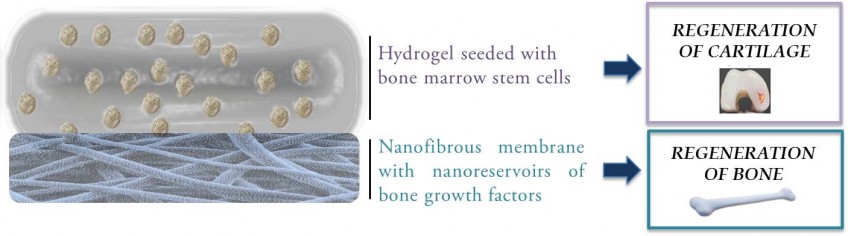
Nadia Benkirane-Jessel and her team, which specialises in regenerative nanomedicine, had an idea for a new generation of implants, comprising two compartments:

– the first compartment is a nanofibrous membrane (based on collagen and polycaprolactone), designed to resemble the extracellular matrix surrounding the cartilage. Nanoreservoirs covering the fibres of this membrane contain bone growth factors.

– the second compartment is a hydrogel layer (of alginate and hyaluronic acid) containing stem cells derived from the patient’s bone marrow. These cells can differentiate into either bone cells (osteoblasts) or cartilage cells (chondrocytes).

implant cartilage eng

Keller, P. Schwinté, Nadia Benkirane-Jessel UMR 1109, Osteoarticular and Dental Regenerative Nanomedicine Laboratory, Inserm, University of Strasbourg, Strasbourg University Hospitals, ARTiOS Nanomed (an Inserm spin-off company)

This three-dimensional arrangement mimics the physiological environment of the joint, and provides enough porosity to allow infiltration of the stem cells. When these cells grow and divide, they infiltrate more deeply into the porous membrane and trigger the release of growth factors, which in turn stimulate cell proliferation.

Compared with other treatments, this technology offers dual therapeutic action: in addition to repairing the cartilage, it regenerates the subchondral bone located immediately underneath.

The researchers validated this technique in different animal models, and are awaiting funding to begin phase I clinical trials in humans. “These trials will be conducted on 30 patients (aged 18–50 years) with knee lesions, recruited in three countries (France, England and Spain). The implant, already patented, will be placed using a single surgical procedure. The membrane containing the nanoreservoirs is first applied to the damaged joint, and the stem cells are then added,” explains Nadia Benkirane-Jessel, Inserm Research Director.

If the trials are conclusive, this innovative technology will allow robust, long-term repair of arthritic or injured joints.

Launching of UEFA EURO 2016 Football Championships

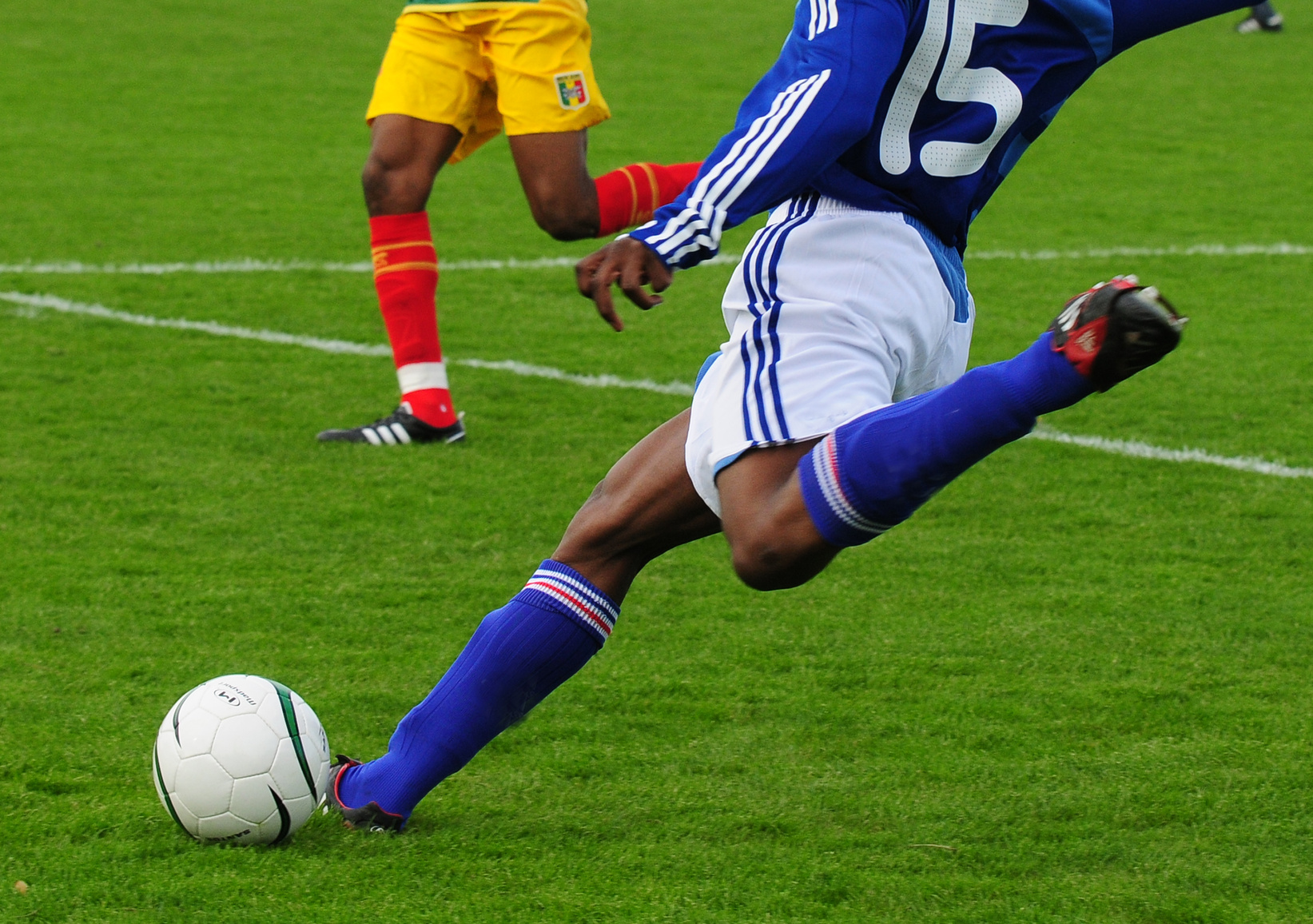
France will be hosting the UEFA EURO 2016 Football Championships from Friday 10 June to Sunday 10 July. During this competition, many parts of the players’ bodies will be severely tested.

Although the benefits of regular physical activity on physical and mental health have been demonstrated by many studies, what are the risks associated with excessive physical exercise? What methods would allow athletes to optimise their physical abilities? Do some activities promote addiction to sport? What are the neurobiological mechanisms involved in the motivation of athletes?


Inserm researchers study the interactions between physical activity and health all year round.

Research conducted by Samuel Vergès and his team from Inserm Unit 1042, “Hypoxia and Cardiovascular and Respiratory Pathophysiologies,” focuses on analysing the mechanisms that limit physical performance. The researchers also use altitude training or simulated altitude training at sea level, i.e. hypoxia, in athletes on the one hand and in people with chronic diseases on the other hand, as a therapeutic approach.

In Dijon, in Inserm Unit 1093, “Cognition, Motor Activity and Sensorimotor Plasticity,” Romuald Lepers studies the effects of mental fatigue and the effects of neuromuscular fatigue on athletic performance. He particularly focuses on the performances of senior athletes, in order to determine their limits.

For your interviews and reporting needs, see the attached “Activité Physique” press-kit, for a compilation of specialist contacts and the latest news on the subject.

Football

(c) Fotolia

Anorexia nervosa: pleasure at getting thin more than fear of getting fat

A study from Inserm, Paris Descartes University and Sainte Anne Hospital suggests that anorexia nervosa might not be explained by fear of gaining weight, but by the pleasure of losing it… and that the phenomenon might be genetically influenced. Published in Translational Psychiatry, this study, directed by Prof. Gorwood, head of the Clinic for Mental and Brain Diseases, challenges the notion of fear of weight gain in anorexia patients.

Dish with a tomato and a dial of a bathroom scale

(c) Fotolia 

Often associated with major psychological distress, anorexia nervosa is an eating disorder that mainly affects girls and young women. Diagnosis is based on three international criteria: restriction of food intake leading to weight loss, a distorted perception of weight and body, and an intense fear of becoming fat.

Although there is no pharmacological treatment, Prof. Philip Gorwood’s team has focused on these clinical criteria. As the researcher explains: “When research is going nowhere, it is important to call into question the criteria at the very root of the disorder. We have therefore re-evaluated the last criterion, although it is quite prominent in patient discourse, by assuming that it is a mirror image of what is really involved, i.e. a reward for losing weight. We established the postulate that patients felt pleasure at becoming thin rather than fear of becoming fat.”

So as not to be influenced by patients’ discourse and analysis of their eating disorders, the researchers used a “skin conductance test,” which measures the subject’s sweating rate when exposed to various images. The emotion caused by certain images actually leads to a rapid and automatic increase in sweating.

The researchers showed images of people of normal weight or overweight people to 70 female patients consulting the Clinic for Mental and Brain Diseases (CMME) of Sainte Anne Hospital. For these patients, of varying weight and with different degrees of disease severity, viewing these images caused much the same reaction as in healthy subjects. Conversely, when looking at images of thin bodies, the patients showed positively evaluated emotions, whereas healthy subjects had no particular reaction.

Anorexia nervosa is a highly heritable disorder (70%). One of the genes most often associated with anorexia nervosa codes for BDNF, a factor involved in neuron survival and neuroplasticity. In patients with anorexia nervosa, the study indicates that the increase in sweating experienced when viewing images of thin bodies is explained by the presence of a specific form (allele) of the gene in question. This result was confirmed after examining potential confounding variables such as weight, type of anorexia or duration of the disorder.


The conclusions of this work:

-support the genetic approach as a different way of addressing the key symptoms of anorexia nervosa;

– orient research toward reward systems rather than phobic avoidance;

– finally, they suggest that certain therapeutic approaches, such as cognitive remediation and mindfulness therapy, might have a clear beneficial effect on this illness.

Epigenomic alterations contribute to obesity-associated diabetes

Obesity is a risk factor for developing type 2 diabetes, yet not all obese humans develop the disease. In a new study, researchers from the Karolinska Institutet in Sweden and from the Institute of Health and Medical Research (INSERM) in France have identified epigenomic alterations that are associated with inflammation and type 2 diabetes. The findings, which are published in the journal Nature Medicine, help to explain how alterations of the epigenome during the progression of obesity can trigger insulin resistance and diabetes.

 Obese individuals differ in their susceptibility to developing insulin resistance and diabetes. Researchers believe that changes in the epigenome could be an important reason behind this difference. Epigenetic alterations increase or decrease gene expression by coupling different kinds of chemical flags to the DNA and to the histone proteins that constitute the chromatin. In contrast to the genes themselves, epigenetic alterations are dynamic and can be altered by environmental influences and nutritional components.

The research team, led by Eckardt Treuter and Nicolas Venteclef, were interested in a so-called co-repressor complex that can modify chromatin epigenetically. This particular complex contains GPS2 (G-protein pathway suppressor 2). The study reveals a key role of the GPS2 complex in controlling the epigenome in macrophages. Macrophages play a central role in the immune defense, but are also involved in the metabolically-triggered low-grade inflammation associated with metabolic diseases, including obesity and type 2 diabetes.

Initially, the INSERM team had found that GPS2 levels are reduced in the adipose tissue in obese people with diabetes, as compared to non-diabetic people. As it turned out, the identified obesity-associated alterations are conserved between humans and mice. The Karolinska team had generated mice that lack GPS2 in macrophages. When fed with a high-fat diet, these genetically modified mice did not become more obese than normal mice. However, they developed complications such as adipose tissue inflammation, systemic insulin resistance, and fatty liver, more rapidly. The characteristics observed in these mice mirror the human situation of “metabolically healthy” versus “unhealthy obese” people, according to the authors.

”The findings point to a causal and potentially reversible relationship between inappropriate expression and function of the complex, the extent of adipose tissue inflammation, and systemic insulin resistance towards type 2 diabetes”, says Nicolas Venteclef at the Cordeliers Research Centre, INSERM, in Paris.

”The study highlights the value of combining mouse and human studies in identifying molecular mechanisms underlying disease”, says Eckardt Treuter at Karolinska Institutet’s Department of Biosciences and Nutrition in Huddinge, South Stockholm. ”In particular, the mouse experiments provide strong evidence that epigenome alterations that originate in either macrophages or fat cells can be the cause, and not just a consequence, of obesity complications towards diabetes.”

The investigators believe that these alterations could be part of an ’epigenetic memory’ that can speed up an inflammatory response under conditions of metabolic stress linked to obesity and diabetes.

The research was supported by grants from, among others, the Swedish Research Council, the French National Agency of Research, the Swedish Cancer Society, the French Foundation for Medical Research, the Novo Nordisk Foundation and the Swedish Diabetes Foundation and the French and European Diabetes Foundations.

Sunday 5 June 2016: World Environment Day

Initiated by the United Nations, World Environment Day is celebrated on 5 June every year in order to encourage awareness of the world environment, and stimulate individual actions.

At Inserm, there is active ongoing research to identify the impacts of our environment on health, especially the effects of atmospheric pollution, endocrine disruptors and their consequences for reproductive function, and the relationship between environment and cancers.


Work carried out by William Bourguet, at Inserm Unit 1054, “Structural Biochemistry Centre,” has recently provided in vitro evidence of a molecular mechanism that might contribute to the “cocktail effect” of endocrine disruptors. The researchers demonstrated that two compounds, ethinyloestradiol, present in contraceptive pills, and an organochloride pesticide can together bind to a receptor located in cell nuclei. Binding of the first molecule promotes binding of the second, exacerbating the toxicity of these molecules.

Read the press release “Light shed on the underside of the ‘cocktail effect’ of endocrine disruptors”.


Many studies are also focused on environmental risk factors for cancer. The GEOCAP programme (GEOlocation study of Paediatric CAncers), conducted by Jacqueline Clavel and Denis Hémon, Inserm Research Directors, is aimed at identifying the influence of environmental exposures, estimated by geocoding, on the occurrence of childhood cancers, particularly high-voltage power lines, road traffic, service stations, nuclear plants and some industrial facilities. The researchers have highlighted that in one study, the incidence of new cases of myeloblastic leukaemia was 30% higher in children living within 150 m of heavily used roads, and when the roads within this radius have a combined length of over 260 m.

Read the press release “Study of leukaemias in children living close to heavily used roads”.


Skin cancer: a team synthesises new drugs with surprising powers

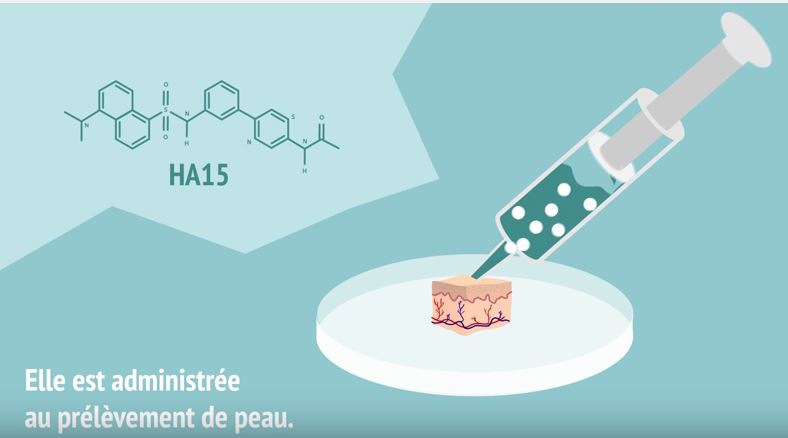
Finding new, more effective and personalised treatments for cancer is the challenge of many researchers. A challenge that has been successfully met by a team from Inserm led by Stéphane Rocchi (Inserm Unit 1065, “Mediterranean Center for Molecular Medicine”), which has just synthesised and developed new drugs for melanoma. One of them, known as HA15, reduces the viability of melanoma cells without being toxic for normal cells. This work has just been published in the journal Cancer Cell.

Melanoma is a highly aggressive form of skin cancer. It affects melanocytes, the cells responsible for the synthesis of melanin, which gives the skin its colour. There are 3 stages of tumour progression: radial growth, in which the cells proliferate in a disordered manner in the epidermis, the vertical growth phase, which involves invasion of the dermis, and finally the metastatic phase, corresponding to the dissemination of the cancer cells in the peripheral tissues.

Although encouraging results have been obtained for treating the metastatic phase (using targeted therapies or immunotherapies), most patients will need additional treatments to prevent the tumour from coming back, and to prevent more metastases from developing. The identification of new drug candidates is therefore an unavoidable element for the establishment of effective biotherapies against this cancer, the incidence of which is doubling every ten years.

In this context, researchers from Nice discovered a new family of drugs, the Thiazole Benzensulfonamides (TZB), which have useful anticancer properties. “Initially this family of drugs was identified in type 2 diabetes, as it increased the sensitivity of cells to insulin. If we wanted to use it against cancer, we had to be able to eliminate this proinsulin activity,” explains Stéphane Rocchi. “Thus we started to modify its structure.”

After many attempts, the initial TZD structure was extensively modified thanks to a fruitful collaboration with Dr Benhida’s team from the Nice Institute of Chemistry, to obtain a formulation in which the “lead compound” was called HA15.

Their results show that HA15 reduces the viability of melanoma cells without being toxic for normal cells. HA15 induces stress in the endoplasmic reticulum, bringing about the death of the melanoma cells through apoptosis and autophagy.

In the mouse, this drug is highly effective in reducing the tumour volume without obvious toxicity in the rodent.

In humans, in collaboration with the Dermatology Department in Nice University Hospital, the researchers showed that the drugs were active on melanoma cells from biopsies taken from patients who were sensitive or resistant to targeted therapies.

Finally, HA15 is also effective on cell lines from other tumours such as cancer of the breast, colon, prostate, pancreas, and even gliomas and chronic myeloid leukaemias.

“The ultimate goal of this project is to use these new drugs to treat melanoma, and more generally in other types of cancers,” concludes Stéphane Rocchi, who hopes to start a phase I clinical trial soon.

This work has been the subject of two 2 patent applications filed by INSERM Transfert and a presentation to the MATWIN programme for technology transfer, and has received funding for maturation from Canceropole PACA and INSERM Transfert (Grand COPOC).

Stroke study prompts call for revised treatment guidelines

Doctors should rethink how they treat patients who have suffered the deadliest form of stroke, a clinical trial suggests.The study recommends a change in guidelines for treating any patients who have had a stroke caused by bleeding into the brain – known as intracerebral haemorrhage (ICH) – while regularly taking aspirin.

AVCAccident vasculaire cérébral ischémique (AVC)

(c) Inserm/Koulikoff Frédérique


Prof. Yvo Roos (Academic Medical Center Amsterdam) who initiated the study said: “Until now, a treatment known as platelet transfusion has been used by some doctors in the hope that it will aid recovery. It had been thought that platelets – blood cell fragments that play a vital role in blood clotting – could block ruptured blood vessels and prevent further bleeding into the brain in patients who are using anti-platelet therapy”.

However, the team from the Netherlands, France, UK has found that giving platelet transfusions to patients who had suffered an ICH while taking aspirin reduced their chances of recovery.


Prof. Charlotte Cordonnier (Inserm Unit 1171, Univ. Lille, CHU Lille) adds :”Each year, about two million adults worldwide suffer stroke caused by ICH, which accounts for half of all stroke deaths. Two out of five people die within one month, and a further two out of five become dependent on carers. One quarter of patients are taking aspirin before they suffer an ICH.”

Stroke patients who participated in the clinical trial received standard stroke care, but they were also randomly assigned either the platelet transfusion or no extra treatment. Researchers found that platelet transfusions increased the risk of death and long-term disability compared with usual care.

It is unclear why patients given platelet transfusions were worse off than those who were not, researchers say. They suggest that the treatment may cause blood clots to form or trigger inflammation in the brain, worsening bleeding.

Prof. Rustam Al-Shahi Salman, of the University of Edinburgh’s School of Clinical Sciences, who co-led the study, said: “Our study shows that platelet transfusion seems harmful, and certainly is not beneficial, for people who take aspirin and have a stroke caused by bleeding into the brain. These findings should change clinical guidelines.”

Today, the study results are presented at the European Stroke Organisation Conference and are published in The Lancet.

HIV: Identification of key immune response receptors in patients spontaneously controlling infection

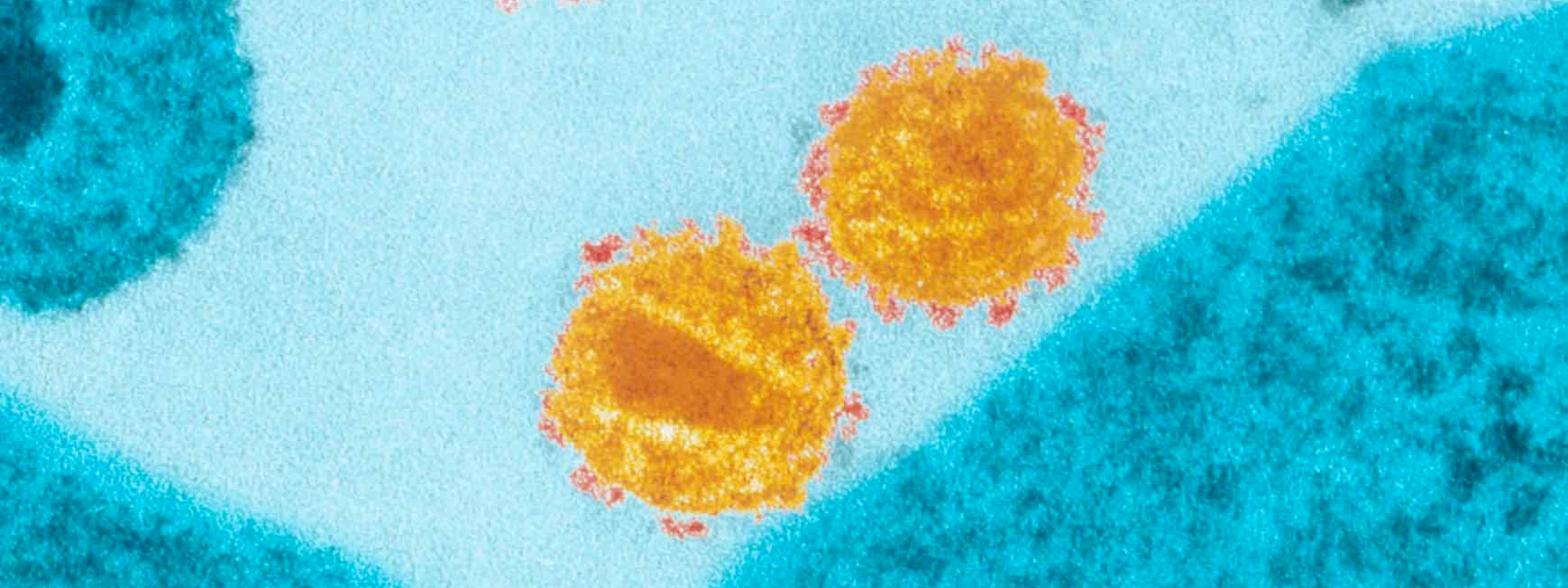
A small number of patients infected by HIV spontaneously control viral replication without antiretroviral therapy, and do not develop the disease. The ability of these rare patients, known as “HIV controllers”, to suppress HIV replication appears to be down to a highly effective immune response. Scientists from the Institut Pasteur and Inserm observed that CD4+ T immune cells in these patients, recruited from the ANRS CO21 CODEX cohort, were capable of recognizing tiny quantities of the virus. This highly sensitive detection is dependent on the expression of specific T cell receptors on the surface of immune cells, which target the HIV capsid protein with high affinity. The preferential expression of these receptors appears to keep the immune system on a constant state of alert, thereby enabling the patients to control HIV. These findings have been published in The Journal of Clinical Investigation.

Chakrabarti

© Institut Pasteur, Charles Dauguet

“HIV controller” patients represent less than 0.5% of all HIV-infected patients. They are proof that in some cases the human immune system can resist the harmful effects of HIV. They are able to maintain a population of functional auxiliary CD4+ T lymphocytes, whereas in patients that have gone on to develop the disease these cells are destroyed or rendered inactive. The patients enrolled in the HIV controller study were recruited from the ANRS CO21 CODEX cohort which includes the few HIV controller patients living in France. Scientists in the team led by Lisa Chakrabarti (Viral Pathogenesis Unit at the Institut Pasteur / Inserm unit U1108), in collaboration with Olivier Lambotte from Bicêtre Hospital, used the cohort to analyze the CD4+ T cell responses of these patients at molecular level.

To trigger the antiviral immune response, the CD4+ T cells of HIV controllers are able to produce numerous cytokines in response to very low doses of HIV antigens. The study revealed that these highly sensitive responses were due to the expression of particular T cell receptors (TCRs) on the surface of the controllers’ CD4+ T cells. In comparison, these TCRs were rarely found on the CD4+ T cells of patients receiving treatment. The scientists showed in particular that the TCRs targeting Gag293, the HIV capsid’s most highly conserved peptide, frequently shared the same sequence in HIV controllers. These “public” TCRs have a strong affinity for the Gag293 peptide, when this peptide is presented at the surface of immune cells. This strong affinity interaction ensures the highly sensitive detection of infected cells in HIV controllers. Transferring these TCRs to healthy cells reproduces the properties typically associated with CD4+ T cells in HIV controllers, with highly sensitive responses and the production of multiple cytokines.


Overall, this research shows that the expression of high-affinity TCRs is linked with spontaneous control of HIV infection. Immunotherapy strategies based on transferring or boosting these TCRs could help restore effective antiviral responses in patients that have gone on to develop the disease.

This research was funded by the ANRS (France REcherche Nord & Sud Sida-HIV Hépatites), the French National Research Agency (ANR), the Institut Pasteur, the Australian Research Council (ARC) and the Australian National Health and Medical Research Council (NHMRC).

Enhanced hippocampal-cortical coupling improves memory

For the first time, scientists in the Center for Interdisciplinary Research in Biology (CNRS/INSERM/Collège de France) have produced direct evidence that the long-term storage of memories involves a dialogue between two brain structures, the hippocampus and cortex, during sleep; by enhancing this dialogue, they succeeded in triggering the consolidation of memories that would otherwise have been forgotten. This work is published in Nature Neuroscience on 16 May 2016.

learing concept

(c) Fotolia

Since the 1950s, the principal theories on memory have posited that such traces are initially formed in the hippocampus and then gradually transferred to the cortex for long-term storage. Although supported by numerous experimental studies, this hypothesis had never yet been directly verified.

In order to prove it, the scientists first recorded the activity of the hippocampus and cortex during sleep. They found a correlation between the oscillations observed in these two structures: when the hippocampus emitted sharp wave-ripples, the cortex in turn emitted delta waves and spindles like a series of questions and answers. To establish a link with memory, the scientists then trained rats to memorize the position of two identical objects in a room. During testing the next day, one of the objects had been moved and the rodents had to determine which one. Those that had spent 20 minutes in the room on the first day passed the test, while those that had only been there for three minutes failed. This difference was also reflected in the hippocampal-cortical coupling during sleep just after the initial exploration: coupling was more visible in rats that passed the test the next day. It was then necessary to prove that this was indeed the cause of memorization.

The scientists then developed a system for real-time detection of hippocampal sharp wave-ripples and immediate triggering of cortical delta waves and spindles, or in other words to generate coupling between these two structures on demand. They applied this system in rats that had been trained for just three minutes the first day, and were therefore not expected to remember the position of the objects the next day: these rodents passed the test perfectly. By contrast, if a variable delay was introduced between the hippocampal and cortical waves, the effect disappeared.
To better understand the mechanisms at play, the scientists also recorded cortical activity during learning, sleep and the test. They observed that selected neurons changed their activity in the context of coupling during sleep, and that the next day the cortex responded to the task by becoming more active in the vicinity of the object that had been moved.

By demonstrating the mechanisms underlying long-term memorization, this work may shed new light on certain memory disorders in humans. It might thus be possible to envisage overcoming certain memory deficits if they result from the same mechanism as that studied here. However, the ethical issues related to these techniques will need to be addressed and methods will have to be refined to enable selective action on the memories that need to be enhanced, before any clinical application can be envisaged. The team is now set to elucidate the dialogue between the hippocampus and cortex, notably when several memories need to be remembered, or not.

fermer